If you've ever sunk up to your hips in fresh snow, fighting to keep your tips up, you know the struggle. Your trusty carving skis feel like anchors. That's where fat skis come in. Once a niche tool for heli-skiers, they've become the go-to choice for anyone who wants to explore more of the mountain, from tracked-out crud to bottomless powder stashes. But are they right for you? Let's cut through the hype.
I remember the first time I tried a pair with a 115mm waist. It was a revelation in deep snow, but on the groomed run back to the lift, they felt like steering a bus. That experience taught me a crucial lesson: width is a tool, not a magic wand.
What You'll Find in This Guide
What Are Fat Skis, Actually?
Forget strict definitions. In the ski world, "fat" is relative. We measure a ski's width at its narrowest point, called the waist. Traditionally, anything below 85mm was considered narrow. Today, the landscape has shifted.
Here's a more practical breakdown of how widths are viewed now:
| Waist Width Range | Common Classification | Primary Terrain |
|---|---|---|
| 65mm - 85mm | Frontside / Carving Skis | Groomed runs, hard snow, racing. |
| 86mm - 100mm | All-Mountain Skis | The daily driver. Good for most conditions. |
| 101mm - 115mm | All-Mountain Fat / Powder Skis | Deep snow, crud, variable conditions. The sweet spot for many. |
| 116mm and wider | Powder / Big Mountain Skis | Deep days, open bowls, backcountry powder. |
So, when we talk about "fat skis," we're usually referring to skis in that 100mm+ range. The core idea is simple: more surface area underfoot creates more float. You stay on top of the snow instead of plunging through it.
But here's the trap. Everyone sees a pro skier floating through untouched Alaskan powder on 130mm skis and thinks, "I need that." Width is just one part of the equation.
The Real Benefits (and the Drawbacks)
Why You Might Want Them
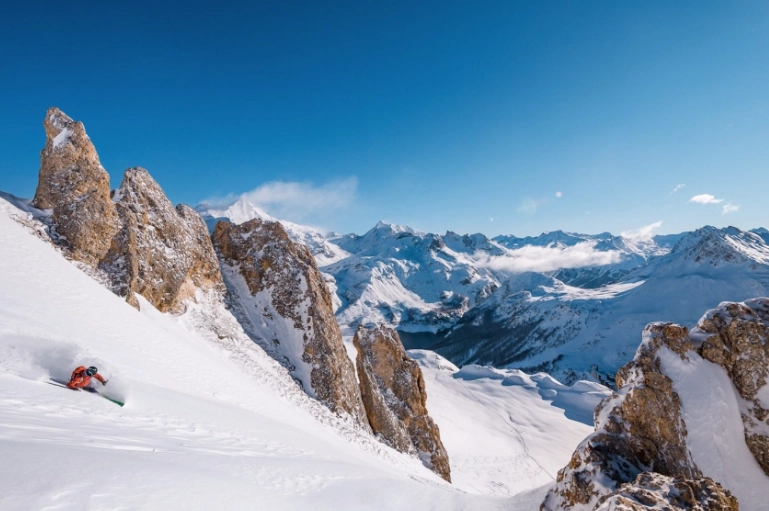
Floatation is King. This is the big one. In powder, a fat ski acts like a snowshoe. It distributes your weight over a larger area, keeping you surfing on top. This reduces leg burn and lets you make smoother, less frantic turns.
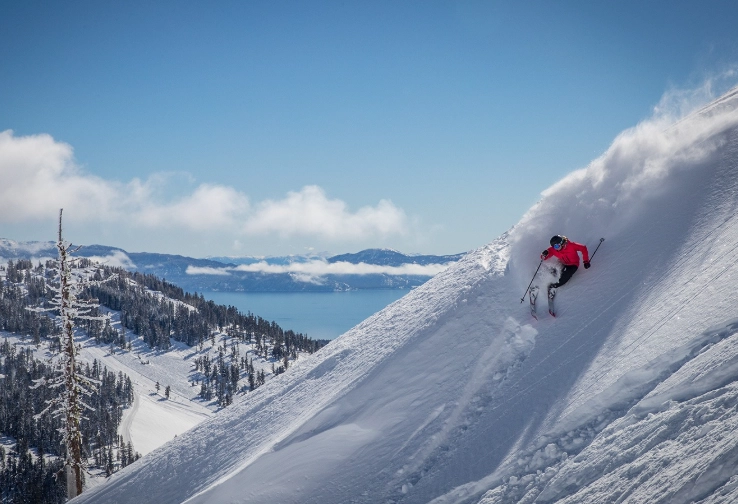
Stability in Variable Snow. Ever hit a patch of heavy, chopped-up crud and felt your skis get deflected? A wider, stiffer platform plows through that junk with more authority. It's less twitchy. According to testing by Blister, a reputable gear review site, this increased stability is one of the most cited reasons advanced skiers choose wider skis.
Forgiveness. The larger platform can be more forgiving of small balance errors in soft snow. You don't need to be perfectly centered every millisecond.
The Trade-Offs: What They're Not Good At
Edge-to-Edge Quickness. Physics is a thing. A wider ski has to travel farther to get up on its edge. On groomed snow, especially hardpack or ice, they can feel sluggish and require more effort to carve precisely.
Weight. More material often means more weight. This can be a drawback in moguls or when you need to make rapid, directional changes.
Ice and Hardpack Performance. While modern shapes have improved, a true powder ski will never grip ice like a dedicated carving ski. If your local mountain is often hard-packed, going too wide is a mistake.
How to Choose the Right Fat Skis
Don't just pick the widest ski you see. Think about your most common day, not your dream day.
1. Match the Width to Your Terrain.
This is the most critical step.
- East Coast / Variable Conditions: Look at 95mm - 105mm. You need a ski that handles hard snow 70% of the time but can charge through a surprise 6-inch dump.
- West Coast Daily Driver: 100mm - 110mm is the standard. It's wide enough for frequent powder and spring slush, narrow enough for groomers.
- Powder-Specific / Deep Snow Tool: 110mm+. This is your second ski for deep days. It'll feel awkward when it's not deep.
2. Consider Length and Turn Radius. Fatter skis are often skied slightly shorter than their narrow counterparts because the width adds effective edge. A longer radius (e.g., 20m+) means a more stable, straight-line charger. A shorter radius (e.g., 15m-) means a quicker, more playful, turn-happy ski.
3. Don't Ignore Brand & Model Nuances. Within the same width category, skis behave wildly differently. A Blizzard Cochise (106mm) is a damp, powerful charger. A Line Sick Day 104 is lighter, softer, and more playful. Demo if you can.
4. Budget Realistically. A good pair of new fat skis will run you $600 - $800, plus bindings. Don't forget the cost of wider ski brakes for your bindings—a surprisingly common oversight.
Who Are Fat Skis Really For?
Let's get specific.
The Powder Hound: Obvious candidate. If you chase storms and live for deep days, a ski in the 105mm-115mm range (or wider) should be in your quiver.
The All-Mountain Explorer: You ski everything—groomers, bumps, trees, side hits. You want one ski that can handle a 6-inch powder morning and the afternoon chop. A ski between 95mm and 105mm is your holy grail.
The Backcountry / Sidecountry Skier: Float is crucial for touring in fresh snow. Many modern "freetour" skis sit in the 100mm-110mm range, balancing weight and performance.
Probably Not For:
- True Beginners: Start with something narrower and more forgiving to learn edge control.
- The Groomer-Only Cruiser: You'll sacrifice the precise, energetic feel you love.
- Someone on a Very Tight Budget: Your first ski should be versatile. A cheap, overly wide ski will be a frustrating jack-of-no-trades.
Your Fat Ski Questions, Answered
So, what's the verdict? Fat skis have democratized deep snow skiing. They're more versatile and accessible than ever. But the biggest mistake isn't buying them—it's buying the wrong pair for how you actually ski. Be honest about your home mountain, your ability, and where you spend most of your time. Your ideal width is out there.