You've got the skis, the jacket, the pants. But if you're still squinting through the flat light or getting headaches on sunny days, your goggles are letting you down. It's not just about the frame fit—it's the lens. Choosing the right ski goggle lens is the difference between a sketchy, nerve-wracking run and flowing down the mountain with confidence. Most people grab a cool-looking mirrored lens and call it a day. That's a mistake I've made, and I've paid for it with visibility so bad I had to stop mid-run.
This guide cuts through the marketing jargon. We'll talk about what actually matters: VLT, lens tech, and how to match your lens to real-world conditions.
What You'll Learn in This Guide
VLT Explained: The Most Important Number on Your Goggles
Forget the color for a second. The single most critical spec is VLT (Visible Light Transmission). This percentage tells you how much light the lens lets through. Lower VLT = darker lens (less light). Higher VLT = lighter lens (more light).
Here’s a breakdown of VLT ranges and their best uses:
| VLT Range | Lens Appearance | Best For | Common Colors |
|---|---|---|---|
| 0% - 20% | Dark, often mirrored | Bright sunny days, high altitude, spring skiing | Dark Grey, Dark Brown, Mirrored (any color) |
| 20% - 50% | Medium tint | Partly cloudy days, variable light, all-mountain use | Rose, Amber, Light Brown |
| 50% - 90%+ | Light tint to clear | Flat light, cloudy days, snowstorms, night skiing | Yellow, Clear, Light Rose |
Manufacturers like Smith (Chromapop), Oakley (Prizm), and Zeal (Light Amplification) use special dyes and filters to manipulate contrast within these VLT ranges. An Oakley Prizm Jade lens (VLT ~15%) isn't just a dark green lens; it's engineered to enhance greens and browns, making trees and moguls pop on a sunny day. A Smith Chromapop Storm Rose lens (VLT ~60%) filters blue light to cut through flat white haze.
Lens Types & Tech: Photochromic, Polarized, and Mirror Coatings
Beyond fixed tints, you have options that add adaptability or specialized function.
Photochromic (Transition) Lenses
These lenses automatically darken in response to UV light. They're the "one lens for most conditions" solution. Brands have different names: Smith Photochromic, Oakley Photochromic, etc.
The Good: Incredible convenience. You don't need to stop and swap lenses if the sun comes out or goes behind a cloud. Perfect for tree skiing or hikes where light changes constantly.
The Caveat: They have a range (e.g., VLT 35%-75%). On a truly bright bluebird day, they won't get as dark as a dedicated low-VLT lens. On a fully overcast day, they won't get as light as a dedicated high-VLT lens. They also react to UV, not visible light, so their performance in the car (windshield blocks UV) or at sunset can be odd.
Polarized Lenses
These have a special filter that blocks reflected horizontal glare, like sunlight bouncing off wet snow or ice.
The Good: Reduces eye fatigue from intense glare, especially in spring. Great for seeing true snow texture in bright, reflective conditions.
The Big Drawback: They can make it harder to see ice patches or subtle variations in snow texture on groomers. The polarization can also create weird interference patterns with some laminated windscreens or LCD screens (like on lift poles). I only use polarized lenses for dedicated spring skiing trips.
Mirror (Flash) Coatings
That cool reflective finish isn't just for looks. It's a thin metallic coating applied on the outside that reflects light away before it enters the lens. This makes a dark lens even more effective in bright sun by reducing glare and heat buildup.
Just know it's a coating. If you scratch it, the performance is compromised, and you can't really buff it out.
Matching Your Lens to Snow Conditions: A Practical Approach
Let's get specific. Here’s how I decide what to put in my goggle bag, based on the forecast and where I'm skiing.
Scenario 1: The Bluebird Powder Day (Bright Sun, Fresh Snow)
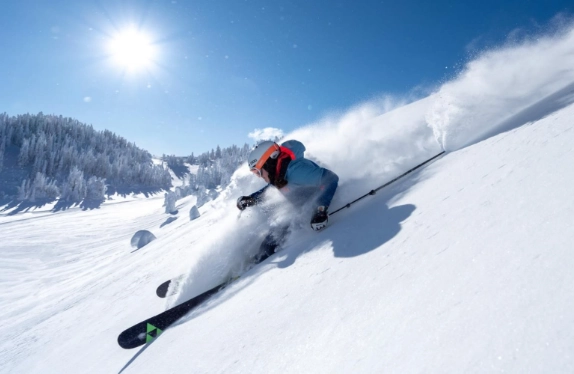
You want a low VLT lens (5-15%) to handle intense sun and reflected light from the snow. A mirrored coating helps. Lens colors like dark grey, dark brown, or specialized contrast lenses like Oakley Prizm Black or Smith Chromapop Sun work brilliantly. This is not the day for your rose-tinted lens.
Scenario 2: The Flat Light Special (Overcast, Grey, No Shadows)
This is where most people struggle. You need a high VLT lens (50%+). The goal is to let in as much light as possible while enhancing contrast. Rose, amber, and yellow are king here. They filter out the blue-grey light that flattens everything. My personal favorite is a rose or persimmon tint around 60% VLT. It turns a featureless white slope into a terrain map.
Scenario 3: The Storm Day or Night Skiing
Maximum light transmission is key. Go for a clear, yellow, or light amber lens with VLT above 80%. These lenses are also great for cat or heli-skiing when you're in the vehicle before first light.
Scenario 4: The Variable Spring Day (Sun, Clouds, Maybe Fog)
This is the photochromic lens's playground. Or, if you don't mind carrying an extra lens, pack a medium VLT (25-40%) lens like an amber or rose for the morning clouds and a darker lens for the afternoon sun.
Pro Tips for Lens Care and Maintenance
A scratched or foggy lens is useless, no matter the VLT. Here’s how to keep them perfect.
- Never wipe a dry lens. This is how 90% of scratches happen. Use a dedicated goggle lens microfiber cloth. If it's dirty, breathe on it to create moisture first, then gently wipe.
- Store them in a soft goggle bag, never loose in your backpack. Keys, tools, and zippers are lens killers.
- Wash the foam and strap occasionally. Sweat and oils degrade the foam and can transfer to the inside of the lens, attracting moisture and causing fogging. Use lukewarm water and mild soap, let it air dry completely.
- Anti-fog is internal. The anti-fog coating is on the inside of the lens. Never wipe the inside unless absolutely necessary, and never apply chemicals like glass cleaner to it. If fogging becomes an issue, check the seal of the goggle to your face—sometimes it's a fit issue, not a lens issue.
Your Ski Goggle Lens Questions, Answered
Final thought: your eyes are your most important piece of ski equipment. Investing time in understanding lenses pays off every single run. Don't just buy the goggle with the flashiest frame. Look at the lens options, think about where and when you ski most, and choose based on VLT and intended conditions. Your confidence—and your skiing—will thank you.