In This Guide
- Why Ski Photography is a Whole Different Beast
- The Main Types of Ski Photography Cameras
- Non-Negotiable Features for a Ski Photography Camera
- Top Camera Picks for Different Ski Photographers
- The Often-Forgotten Essentials: Lenses and Accessories
- Shooting Techniques & Settings to Get the Shot
- Common Questions About Ski Photography Cameras
- Wrapping It Up: Making Your Choice
Let's be real for a second. You're standing at the top of some breathtaking run, the snow is perfect, the light is just right, and your friend is about to drop into a line that deserves to be remembered forever. You fumble with your gloves, your phone screen is fogged up, and by the time you're ready... the moment's gone. Sound familiar? That's why having the right tool for the job isn't just a nice-to-have; it's the difference between capturing a memory and watching it vanish into the mountain air.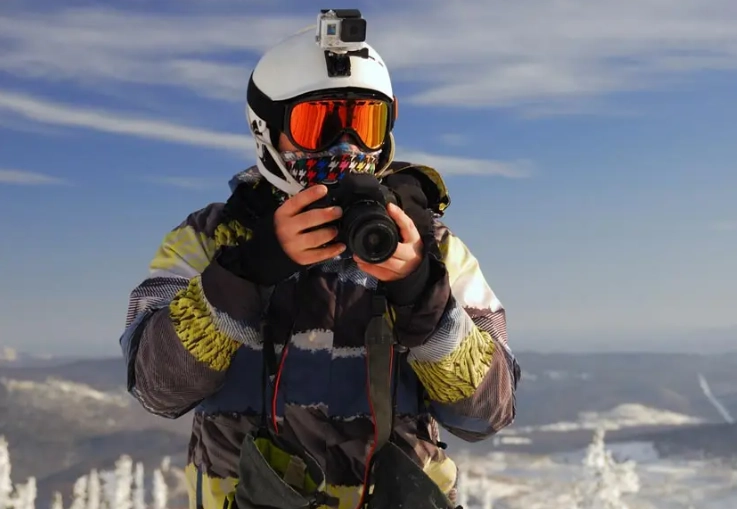
Choosing a ski photography camera feels overwhelming because everyone yells about megapixels and frame rates. But on the mountain, it's about so much more. It's about a piece of gear that can survive a tumble into a tree well, keep working when your fingers are numb, and still deliver a shot that makes you feel the cold air and the adrenaline all over again. I've lost count of how many cameras I've taken skiing, from tiny action cams to bulky DSLRs, and each taught me something about what really matters when the temperature drops and the action heats up.
This guide isn't about pushing the most expensive gear. It's about matching a camera to your style of skiing and shooting. Are you the one meticulously setting up the perfect landscape shot from the chairlift? Or are you the one trying to film your buddy's sketchy cliff drop while following close behind? The needs are totally different.
Why Ski Photography is a Whole Different Beast
You can't just grab any camera and expect it to perform on the slopes. The environment is actively trying to ruin your gear and your shots. Think about it: extreme cold, constant vibration, sudden impacts, bright reflective light, and the ever-present threat of moisture. A camera that thrives in a studio might completely fail up here.
The cold is the silent killer. It saps battery life at an alarming rate. I've had fully charged batteries die in under an hour on particularly brutal days. It also makes plastic brittle and can cause internal condensation when you go from outside to inside, which is a one-way ticket to fungus city inside your lens.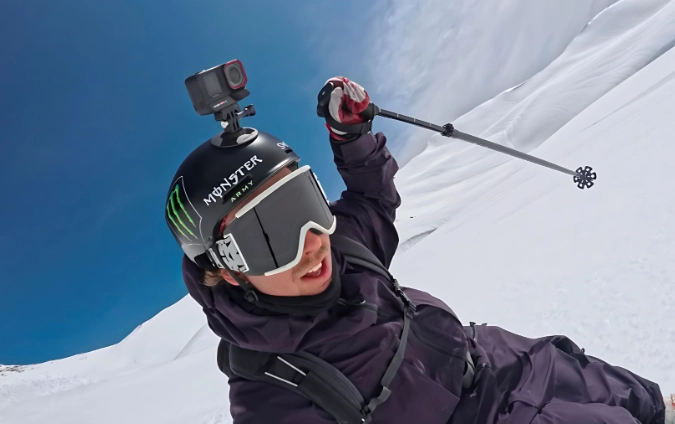
Then there's the physical challenge. You're wearing bulky gloves, your coordination might be slightly off from altitude or fatigue, and everything needs to be accessible. A camera with tiny, close-together buttons is a nightmare. You need something you can operate by feel alone.
And let's not forget the light. Snow reflects up to 90% of UV light. That means blinding brightness, intense shadows, and a constant battle with overexposure. Your camera's metering system can get completely fooled, turning a beautiful snowy scene into a flat, gray mess if you don't know how to compensate.
The Main Types of Ski Photography Cameras
Alright, let's break down the contenders. Each of these has a place on the mountain, but for very different photographers.
The Action Camera (GoPro and Friends)
The obvious choice for many, and for good reason. They're tiny, mount anywhere (helmet, chest, pole, ski), and are built like tanks. The field of view is ultra-wide, which is great for immersive POV shots but terrible for distant subjects. The image quality, while good, still struggles in low light compared to bigger sensors.
My take? An action camera is a supplemental ski photography camera, not a primary one for most people. It's unbeatable for hands-free, in-the-action footage. But if you want to frame a specific shot, zoom in on a rider, or capture detail in a landscape, you'll feel limited.
The Rugged Compact Camera
This is a dark horse candidate that doesn't get enough love. Think Olympus Tough or Ricoh WG series. They're fully waterproof, crushproof, freeze-proof, and they fit in your pocket. The image quality from their 1-inch-type sensors is a significant step up from action cams, and they have proper zoom lenses.
I've taken an Olympus Tough TG-6 on backcountry trips where the risk of damage was high, and it was a champ. The macro mode for snowflake shots is surprisingly fun. The downside? Smaller sensor means more noise in shadows, and you don't have the versatility to change lenses.
The Mirrorless Camera with Weather Sealing
This is where you enter the realm of serious image quality. Cameras like the OM System OM-1, Fujifilm X-T5, or Sony A7C II, when paired with a weather-sealed lens, offer pro-level results. You get a large sensor for beautiful background blur (bokeh) and excellent low-light performance, interchangeable lenses, and full manual control.
But—and it's a big but—they are heavier, more expensive, and more delicate. You need to be committed to carrying the weight and protecting the investment. For the photographer who wants magazine-quality shots, this is the path. The autofocus in modern models, especially for tracking a skier coming straight at you, is lightyears ahead of older DSLRs.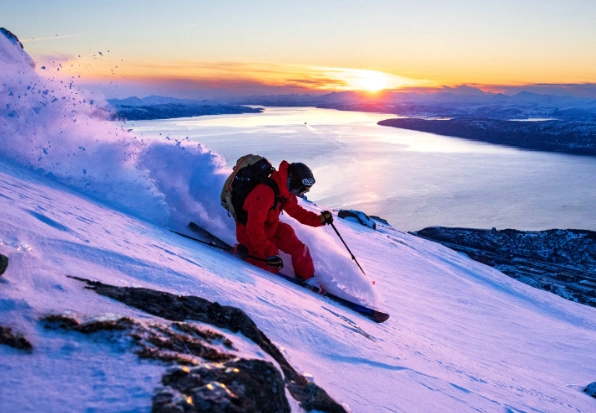
The DSLR (The Old Reliable)
They're bigger, heavier, and the technology (like optical viewfinders) is older. But a weather-sealed DSLR like a Nikon D780 or a Canon 5D series is a workhorse. The battery life is often phenomenal, they're built like bricks, and you can find used lenses for them everywhere. For someone on a tighter budget who wants a full-frame sensor, a used DSLR kit can be a savvy choice. Just know you're trading size and weight for that durability and cost savings.
Non-Negotiable Features for a Ski Photography Camera
Forget megapixel counts for a minute. These are the specs that will make or break your day on the hill.
Weather Sealing & Cold Resistance: This is priority number one. Look for terms like "freezeproof," "dustproof," "splashproof," or specific IP ratings (like IP68). No official rating often means no real protection. Check the manufacturer's website for the operating temperature range. Most consumer cameras bottom out at 32°F (0°C), which is useless for skiing. You want something rated to at least 14°F (-10°C).
Image Stabilization: Crucial. You're shooting while moving, often in low light (tree runs, early/late day). In-body stabilization (IBIS) is a game-changer, allowing you to shoot at slower shutter speeds without a tripod. Lens-based stabilization (OIS) is good too, but IBIS is better. For video, stabilization is what makes footage watchable instead of nauseating.
Battery Life & Management: Assume you'll get half the rated battery life in the cold. The solution? Multiple batteries. Keep them in an inner pocket close to your body to keep them warm, and swap them out as needed. Some pro bodies have giant, high-capacity grips for this reason. Also, consider a camera that can be charged via a USB power bank in your backpack.
Autofocus Performance:Face/Eye detection, fast subject tracking (like Sony's Real-time Tracking or Canon's Dual Pixel AF II). Essential for keeping a moving skier sharp.Ergonomics with GlovesLarge, well-spaced buttons and dials. A deep grip. Tactile feedback. Touchscreen that works with wet gloves (some do, most don't).DurabilityMagnesium alloy frames are best. Look for shutter durability ratings (e.g., 200,000+ actuations). Lens mount strength.Video Capabilities4K/60fps for smooth slow-mo. Log profiles for color grading. High bitrates for quality. Good rolling shutter performance.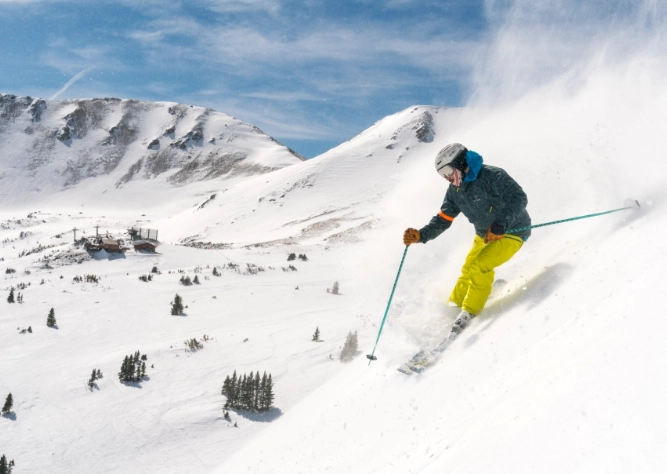
Top Camera Picks for Different Ski Photographers
Based on the types of skiers and shooters I see out there, here's how I'd break down the recommendations. Remember, the best ski photography camera is the one you'll actually have with you and use confidently.
For the Social Media Shredder
You want to capture the vibe, the laughs, the quick hits, and share them instantly. Durability and ease of use are key.
- GoPro HERO12 Black: It's the standard for a reason. HyperSmooth 6.0 stabilization is insane, the new HDR video looks great, and the vertical video format is built-in for Stories and TikTok. Battery life is better, and it's just stupidly simple to use. Pair it with the Volta grip for even more battery.
- Insta360 X3 or GoPro MAX: If you love the creative possibilities of reframing your shots after the fact, a 360 camera is a blast. You never miss the shot because you're always recording everything. The learning curve is in the editing, not the shooting.
For the All-Rounder Adventure Skier
You tour, you ski resort, you want great photos and solid video without carrying a ton of weight. You need a balance.
- OM System OM-5: This is my personal favorite recommendation in this category. It's tiny, light, has probably the best weather sealing in the business (IP53 rated body), and incredible 7.5-stop image stabilization. The Micro Four Thirds lens system is packed with small, sharp, weather-sealed options like the 12-45mm f/4 Pro. It's a mountain beast.
- Sony ZV-E1: Leaning more towards video? This full-frame vlogging camera is light, has amazing Sony autofocus and low-light performance, and fantastic stabilization features (Active Mode). Pair it with a compact, sealed lens like the 20-70mm f/4 G.
For the Serious Photographer & Content Creator
Image quality is paramount. You're willing to carry more weight for a full-frame sensor, better lenses, and professional video features.
- Fujifilm X-H2S: An APS-C powerhouse. Blazing fast shooting (40 fps), best-in-class autofocus, and 6.2K video. Fuji's film simulations let you get gorgeous colors straight out of camera, which saves editing time. The GFX system is overkill for most, but this is the sweet spot.
- Sony A7IV: The all-around full-frame champion for many. A 33MP sensor is perfect, the autofocus is brilliant, and it has great video specs (4K/60p from a slight crop). The lens ecosystem is unmatched. Pair it with the Sony 24-105mm f/4 G OSS for a fantastic one-lens ski kit.
- Canon EOS R6 Mark II: Incredible autofocus, especially for people/face tracking. Great ergonomics, fast shooting, and superb in-body stabilization. Canon's weather sealing is top-notch. The RF 24-105mm f/4L is a perfect companion.
Notice I didn't just list the most expensive models. The Nikon Z9 or Sony A1 are phenomenal, but they're overkill and too heavy for 99% of skiers. Be honest about your needs.
The Often-Forgotten Essentials: Lenses and Accessories
Choosing the camera body is only half the battle. The lens determines what you see, and the accessories determine whether you get the shot at all.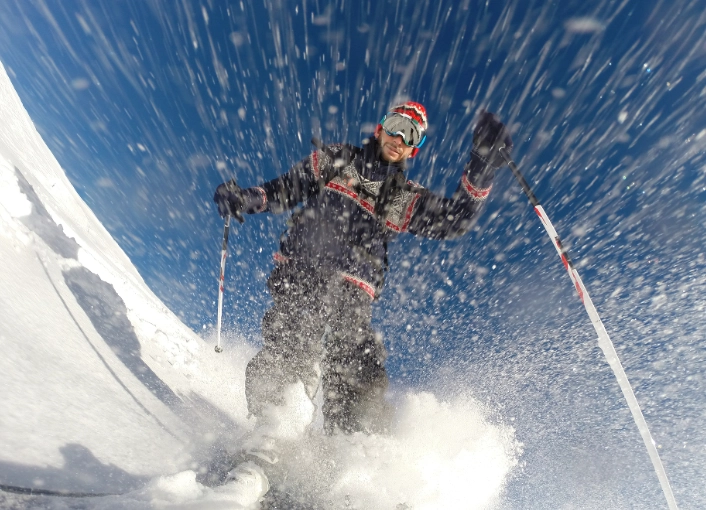
Lens Choices for the Slopes
If you have an interchangeable lens camera, you likely can't bring your whole bag. You need a versatile workhorse.
- The Standard Zoom (e.g., 24-105mm f/4 equivalent): This is the one lens to rule them all. Wide enough for landscapes and tight trees (24mm), long enough to zoom in on riders across the bowl (105mm). An f/4 aperture is fine for daylight skiing and keeps the lens smaller and lighter than an f/2.8. This is my #1 recommendation.
- A Fast Prime (e.g., 35mm f/1.8 or 50mm f/1.8): Small, light, and great for low-light shots in lodges or at dusk. Throw it in your pocket as a backup.
- Super-Wide Zoom (e.g., 16-35mm f/4): If you love epic, expansive landscape shots that include the entire mountain range, this is your tool. Less critical for action shots of people.
- Avoid on the mountain: Heavy super-telephoto lenses (e.g., 70-200mm f/2.8). They're bulky, throw off your balance, and are overkill unless you're specifically shooting a race from the sidelines.
Always, always use a UV or clear protective filter on your lens. A $50 filter is much easier to replace than a $1000 lens element scratched by an errant ski edge.
Must-Have Accessories
- Bag/Pack: A dedicated camera compartment in your ski backpack (like from F-Stop or Shimoda) or a padded insert for your regular pack. It needs to be quickly accessible, not buried under your lunch and spare layer.
- Strap: Ditch the factory neck strap. Use a sling strap (Peak Design Slide) or a wrist strap. You need the camera secure but able to swing out of the way when you're skiing.
- Poles/Tripods: A compact travel tripod or a monopod can be great for stable landscape shots. Some ski poles even have tripod mounts in the grip.
- Lens Hood: Not just for flare. It's the first line of defense against bumps, snow, and fingers.
- Hand Warmers: Throw one in the camera bag (not directly on the camera) to keep everything just a bit warmer.
Shooting Techniques & Settings to Get the Shot
You've got the gear. Now how do you use it? Here's the condensed wisdom from a lot of missed shots.
For Action Shots (Someone else skiing): Use Shutter Priority (S or Tv) mode. You need to freeze motion. Start with 1/1000th of a second or faster. Set your camera to continuous high-speed shooting and continuous autofocus (AF-C). Pre-focus on a spot where the skier will pass, or use your camera's tracking autofocus to follow them. Get low for a more dramatic angle.
For Landscapes: Use Aperture Priority (A or Av). Stop down to f/8 or f/11 for deep focus. Your camera will likely underexpose the snow (making it gray). Use exposure compensation and dial in +1 or +1.5 stops to make the snow white again. A polarizing filter is magic here—it cuts the glare off the snow and makes the blue sky pop.
For Self-Shots/POV: If using an action cam, mount it to your helmet for a true POV, or to your chest for a more stable, third-person-like view. Use a pole mount for more creative angles. For a proper camera, use the self-timer or a wireless remote/app (like Canon's Camera Connect or Sony's Imaging Edge).
White Balance: Auto White Balance often works, but on overcast days, it can make everything look cold and blue. Try the "Cloudy" or "Shade" preset to add warmth, or better yet, shoot in RAW format and fix it later on your computer.
Common Questions About Ski Photography Cameras
Wrapping It Up: Making Your Choice
Picking the right ski photography camera comes down to a simple, three-part question: What do you want to shoot, how much hassle are you willing to put up with, and what's your budget?
Start by renting before you buy, if you can. Services like Lensrentals let you try a camera for a week on an actual trip. It's the best way to know if you'll gel with the ergonomics and image quality.
Invest in the essentials first: weather sealing, image stabilization, and extra batteries. Those will save more shots than the latest megapixel king.
And finally, remember that the camera is just a tool. The most important element is you being out there, seeing the light, anticipating the moment, and having the instinct to raise the camera and click. No gear can give you that. But the right gear won't get in your way when the magic happens. Now go charge those batteries—a perfect powder day is waiting.