Freeride skiing. It's the image that sells magazines and fuels winter dreams: floating through untouched powder, weaving between silent trees, dropping into a steep, pristine bowl far from the lift lines. It's the purest expression of skiing, but for many, it feels like an exclusive club. It doesn't have to be. This isn't just about adrenaline; it's about a different kind of mountain experience, one that requires the right knowledge, gear, and respect.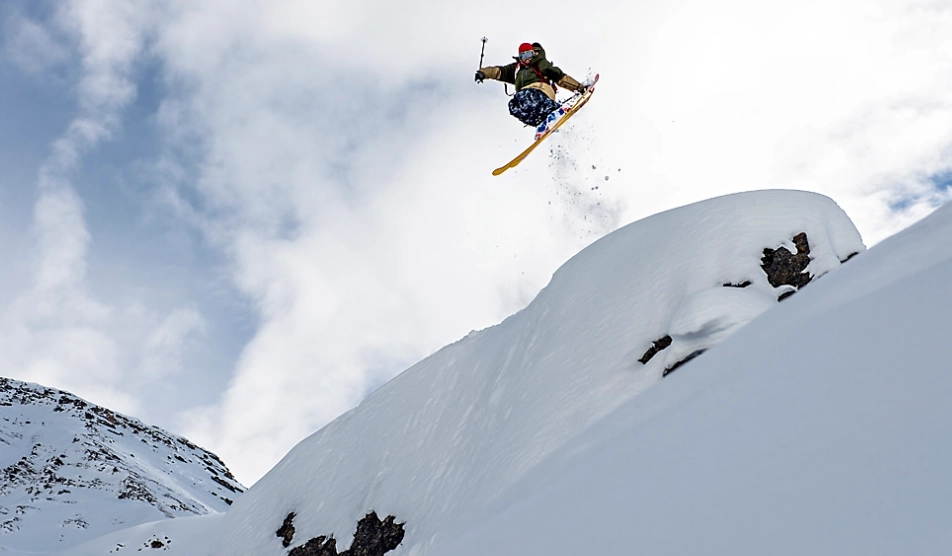
I spent years staring longingly at those off-piste zones before finally making the leap. My first real freeride day was a mix of sheer terror and absolute bliss. I also made every mistake in the book—wrong skis, wrong line, wrong assumptions about the snow. Let's skip that painful learning curve.
What's in This Guide
Gearing Up: The Freeride Ski Quiver
Your equipment is your partner. Get it wrong, and you'll fight the mountain all day. Get it right, and it feels like the mountain is helping you.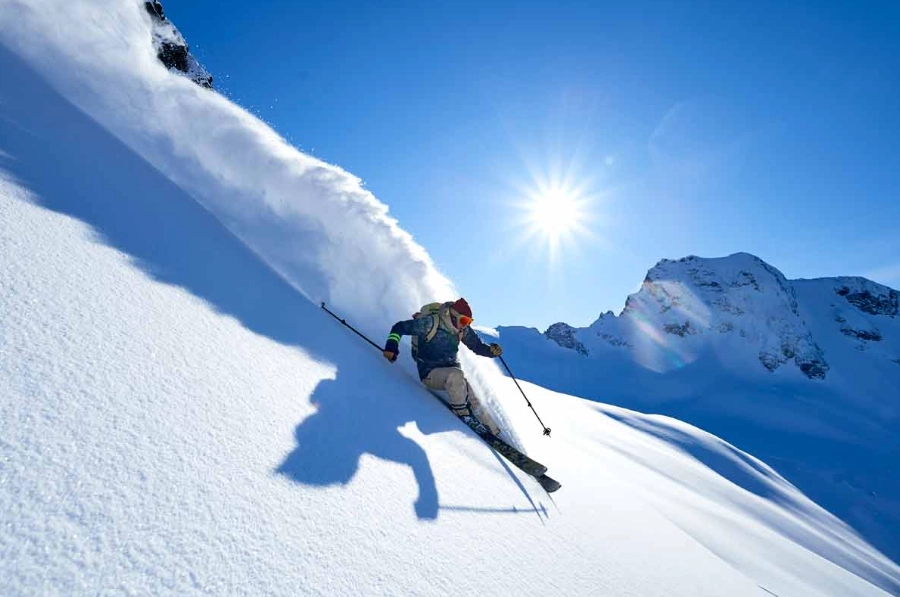
The Ski: Width, Rocker, and Feel
Forget your 85mm underfoot carving skis. A dedicated freeride ski is typically between 105mm and 120mm underfoot. The magic number for a versatile one-ski quiver is around 110mm. This width provides the surface area needed to float in powder without becoming a plank in variable snow.
Rocker is the game-changer. Tip rocker (the upward curve at the shovel) prevents the ski from diving in deep snow. Many freeride skis also have tail rocker, which makes pivoting and skiing switch easier. A cambered section underfoot maintains edge grip on firmer snow. Look for a profile described as "rocker-camber-rocker."
I made the mistake of buying a super-stiff, charger-style ski as my first pair because a pro skier recommended it. It was exhausting. For most people, a medium-flex ski is more forgiving and playful, allowing you to slash and bounce through terrain rather than just point it.
Bindings and Boots: The Connection
Use a binding with a higher DIN range (even if you ski at a low setting) as they're built to withstand bigger impacts. Look for models with a freeride/touring hybrid option if you think you might ever want to hike for turns—it's a smart future-proof choice.
Boots are personal, but aim for a 100-120 flex. You need responsiveness, but too stiff a boot will punish you in bumpy terrain. A "walk mode" is incredibly useful for any approach hiking, even just from the lift.
Building Your Off-Piste Skillset
Freeride technique is different. It's less about carving perfect arcs and more about absorption, anticipation, and fluidity.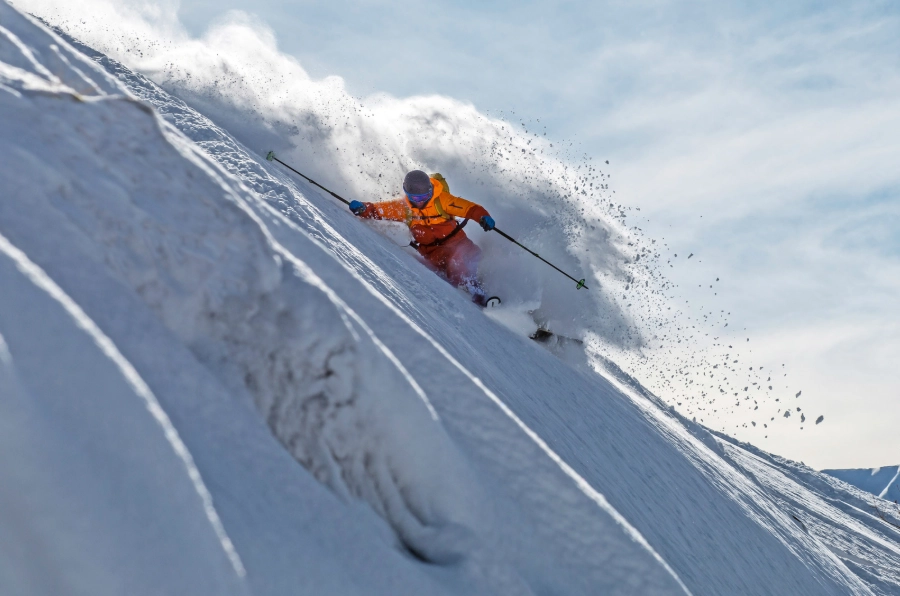
Mastering the Variable Snow Palette
You need to be comfortable in everything that isn't perfect corduroy.
Heavy Powder/Crud: This is where most struggle. Don't fight it. Keep your skis closer together, stay centered over your feet, and use a more up-and-down motion to unweight and pivot. Let the skis bounce off the mounds.
Crust and Windblown: The surface might support you, then suddenly break. Keep your weight evenly distributed and avoid aggressive edge angles. Short, quick turns help you test the snow with each move.
The best on-piste training? Ski the moguls. Seriously. Moguls teach you independent leg action, quick turn initiation, and absorption—all crucial for off-piste terrain.
Reading the Mountain
This is the expert skill. Look at a slope and identify:
- Convex rolls: These are often trigger points for avalanches and create blind spots. Approach with caution.
- Terrain traps: Gullies, creek beds, or areas below cliffs. If something slides, you don't want to be here.
- Solar aspect: South-facing slopes get more sun, so snow changes faster (can be crusty by afternoon). North-facing holds cold powder longer but can harbor persistent weak layers.
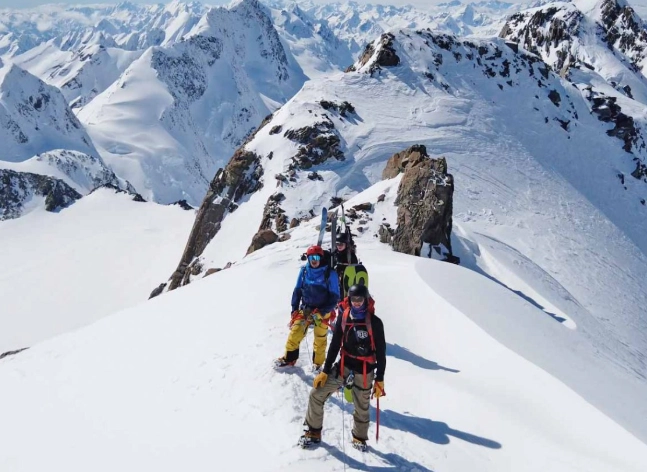
Start by following a guide or a very experienced friend. Watch their line. Ask why they chose it.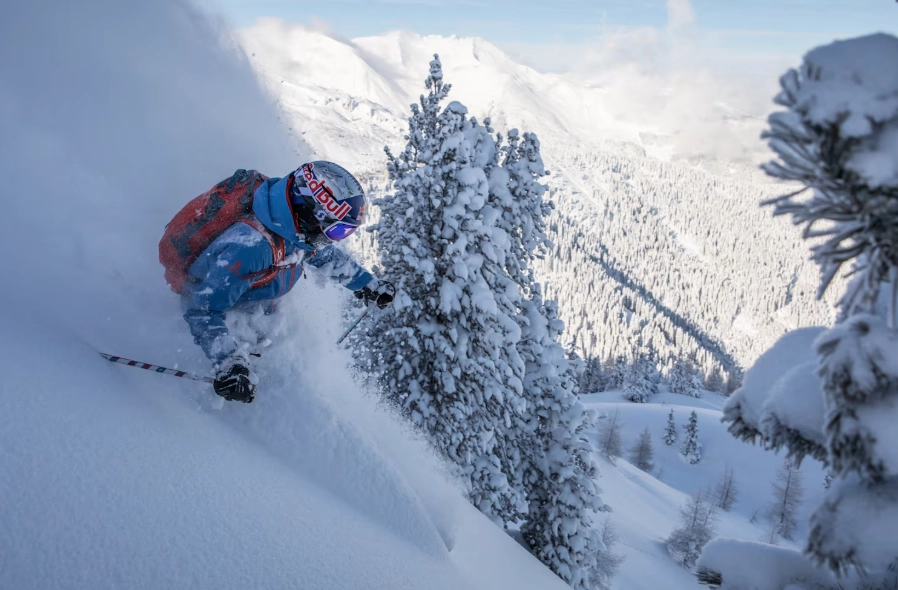
Where to Find the Goods: A Destination Decoder
Not all resorts are created equal for freeriding. Some have vast, accessible sidecountry; others are mostly manicured trails. Here’s a breakdown of legendary zones and what makes them tick.
| Destination | Region/Country | Key Freeride Zone | Best For | Season Tip |
|---|---|---|---|---|
| Revelstoke Mountain Resort | British Columbia, Canada | The entire mountain. North Bowl, Greely Bowl. | Deep, reliable powder and massive vertical. | Late January to March for deepest snowpack. |
| Chamonix Mont-Blanc | French Alps | Vallée Blanche (guided), Grands Montets. | High-alpine, glacier terrain and extreme steeps. | Spring (April-May) for stable snow and longer days. |
| Jackson Hole Mountain Resort | Wyoming, USA | Corbet's Couloir (iconic), the entire backside. | Steep, technical couloirs and open bowls. | February for settled snow and fewer crowds. |
| Niseko United | Hokkaido, Japan | The Gate-accessed backcountry, sidecountry trees. | Bottomless, low-density powder and tree skiing. | January and February for peak snowfall. |
| Alta/Snowbird | Utah, USA | High Traverse (Alta), Mineral Basin (Snowbird). | Accessible, in-bounds extreme terrain. | Any time it snows. The snow is famously light. |
A local tip for any resort: Talk to the ski patrollers or the guides at the mountain's touring center. Ask, "Where did the snow settle nicely overnight?" They see it first.
The Non-Negotiables: Safety & Etiquette
This is where freeriding separates the tourists from the stewards.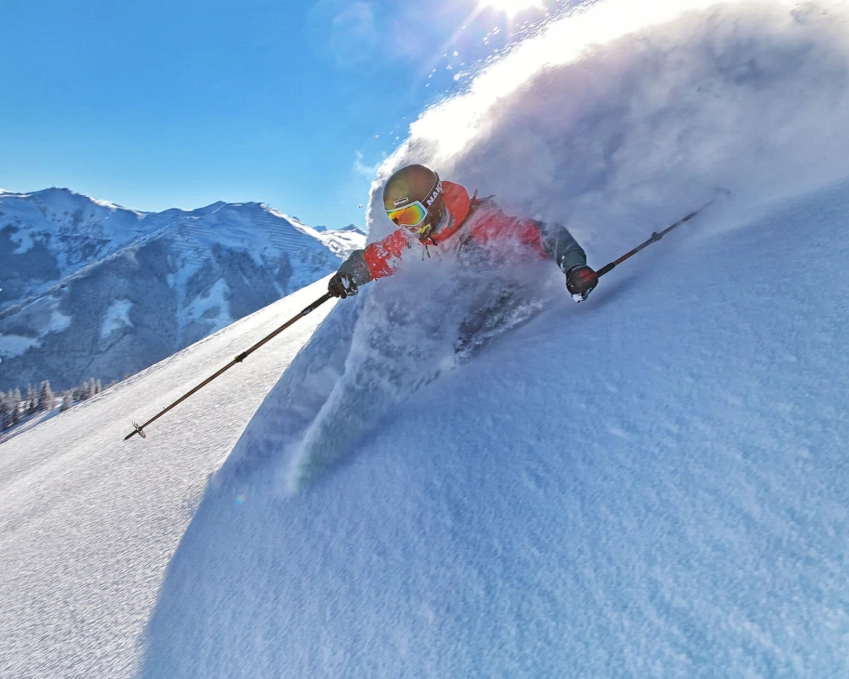
Avalanche Preparedness
If you go beyond the resort boundary, this is not optional. The bare minimum kit is a transceiver (beacon), shovel, and probe—and you must know how to use them. Taking a one-day avalanche awareness course is a good start; a full 3-day Level 1 course (like those from AIARE or AAA) is the real standard.
Check the forecast every day. Sites like Avalanche.org (for the US) or regional forecast centers provide critical data on danger rating, problem type, and aspect. "Moderate" danger doesn't mean safe—it means careful route-finding is essential.
The Unwritten Rules
- Never ski alone. Your partner is your lifeline.
- Expose only one person at a time on a suspect slope.
- Respect closures. They're there for snow safety or environmental protection.
- Don't poach tracks. If you see a fresh line, it's likely someone above you is about to ski it. Give it a wide berth.
Freeride FAQs: Your Questions, Answered
 Is an avalanche safety course mandatory before going freeriding?
The journey into freeride skiing is a progression. It starts with a wider ski on a soft powder day in-bounds, progresses to steeper in-bounds terrain, and eventually leads to those magical moments of silence in the backcountry. It demands more—more preparation, more fitness, more respect for the mountain. But the reward is a feeling of freedom and connection to the winter landscape that groomed runs can't touch. Start small, gear up right, prioritize safety, and the mountains will open up in a whole new way.