Choosing a snowboard isn't just about picking the coolest graphic—it's about matching a tool to your body, skills, and where you ride. Get it wrong, and you'll fight your board all day. Get it right, and everything clicks. I've been riding for over a decade, and I've seen too many people, including myself early on, grab the wrong stick because a shop guy said so or a friend recommended it. Let's cut through the noise.
What You'll Find in This Guide
Understanding Snowboard Types: Pick Your Terrain
Snowboards are built for specific jobs. Think of them like shoes—you wouldn't wear hiking boots to a dance party. Here's the breakdown.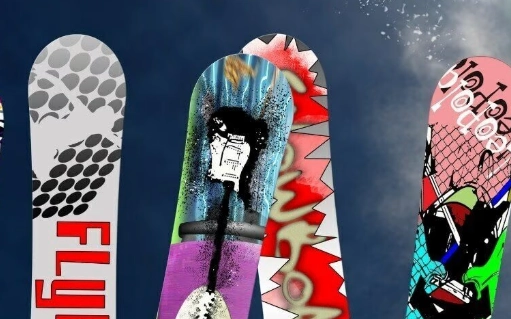
All-Mountain Boards: The Jack-of-All-Trades
These boards do everything decently. They're versatile, good for groomers, some powder, and even a few park laps. If you're starting out or ride a bit of everything, this is your safe bet. But "all-mountain" can be vague. Some lean freestyle, others freeride. Check the specs.
I rode an all-mountain board for years. It was fine, but when I started hitting deeper snow, it felt limiting. That's when I realized specialization helps.
Freestyle Boards: For Park Rats and Urban Riders
Designed for jumps, rails, and butters. They're shorter, twin-shaped (symmetrical), with softer flex for easy presses. Great if you live in the terrain park. But on icy runs or powder days, they can feel unstable. A friend of mine, a park enthusiast, swears by them but admits they're terrible for backcountry.
Freeride Boards: Built for Powder and Steeps
Longer, directional (wider nose, narrower tail), with stiffer flex. They charge through powder and handle high speeds. If you love off-piste or big mountain lines, this is it. But they're less forgiving for tricks. I switched to a freeride board for Alaska trips—the difference in float was night and day.
Don't just go by labels. Look at the shape and flex ratings. Brands like Burton and Jones Snowboards offer detailed guides on their sites, which I often reference for tech specs.
How to Nail the Snowboard Size
Size is critical. Too long, and you'll struggle to turn. Too short, and you'll sink in powder. Forget the old "chin to nose" height rule—it's outdated. Weight is king.
Here's a quick reference table based on weight and riding style. This aligns with sizing charts from sources like the Snowsports Industries America reports, which aggregate industry data.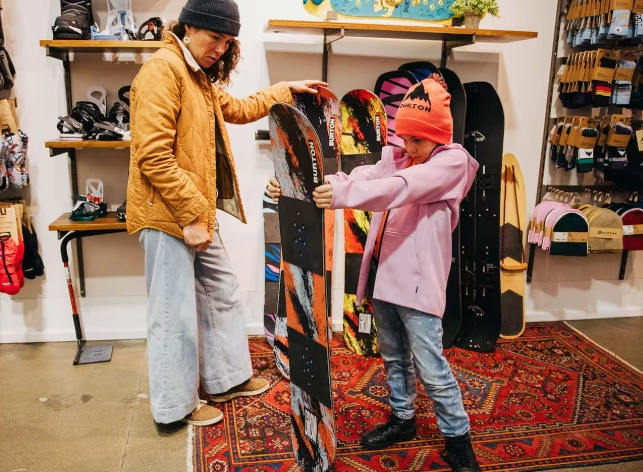
| Rider Weight (lbs) | Beginner/All-Mountain Length (cm) | Freestyle Length (cm) | Freeride/Powder Length (cm) |
|---|---|---|---|
| 120-150 | 145-155 | 140-150 | 150-160 |
| 150-180 | 155-165 | 150-160 | 160-170 |
| 180-210 | 165-175 | 160-170 | 170-180 |
| 210+ | 175+ | 170+ | 180+ |
But it's not just numbers. Skill level matters. Beginners should err shorter for control. Advanced riders can go longer for stability. And if you're between ranges, consider your typical terrain. Tree riding? Go shorter. Open bowls? Go longer.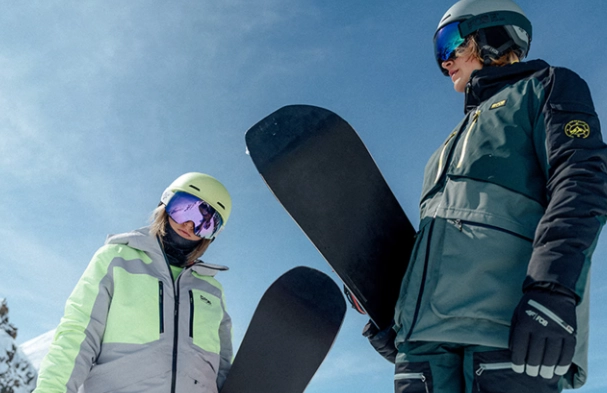
I see people buy boards based on height alone—a 6-foot guy grabbing a 165cm board because it "matches" his height, even if he's lightweight. That board will feel like a boat.
Flex and Camber: The Hidden Game-Changers
These specs affect how the board feels underfoot. Ignore them, and you might hate your ride.
Flex Rating: Soft vs Stiff
Flex is how much the board bends. Rated 1-10, with 1 being noodle-soft and 10 being plank-stiff. Soft flex (3-5) is forgiving, easy to turn, great for beginners and park. Stiff flex (7-10) is stable at speed, precise on edges, ideal for freeride and experts.
My first board was too stiff. I thought it'd make me look pro, but it just made learning turns a chore. Now, for teaching friends, I always recommend softer boards—they're more fun early on.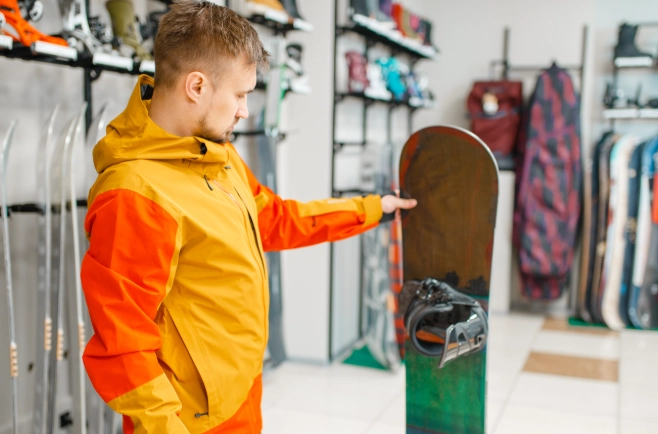
Camber Profile: The Shape Underfoot
This is the board's curvature from tip to tail.
- Traditional Camber: Arched upward in the middle. Provides pop, edge hold, and precision. Best for carving and ice. But it can catch edges if you're sloppy.
- Rocker (Reverse Camber): Curved upward at tips and tail. Floaty in powder, forgiving for turns, but less stable at speed. Great for beginners and powder hounds.
- Hybrid Camber: Mixes both. Camber underfoot for grip, rocker at tips for float. Versatile and popular now. Brands like Lib Tech push this tech.
For icy East Coast conditions, I lean camber. Out West in deep snow, rocker shines. But hybrids are a smart middle ground. I rode a hybrid in Utah last season—it handled everything from groomers to backcountry chutes decently.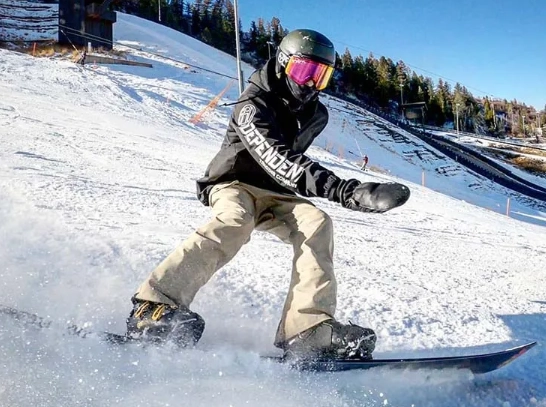
Common Mistakes (And How to Dodge Them)
Let's talk pitfalls. I've made these, and I see them every season.
Mistake 1: Buying Based on Graphics Alone. Yeah, that neon dragon looks awesome, but if the board's too stiff for you, it'll collect dust. Graphics fade; performance doesn't.
Mistake 2: Ignoring Binding Compatibility. Bindings need to match the board's insert pattern (e.g., Burton's Channel system vs traditional 2x4). Check before you buy. I once bought bindings that didn't fit—wasted trip to the shop.
Mistake 3: Overlooking Sustainable Options. This is a growing industry hotspot. Brands like Nidecker and Yes Snowboards use eco-friendly materials. It might cost more, but it reduces environmental impact. A small thing, but it matters if you care about the mountains.
Mistake 4: Skipping Demos. Rent or demo boards before buying. Shops often have demo days. Try different types and sizes. I demoed three boards last winter before settling on my current ride. It saved me from a bad purchase.
Mistake 5: Focusing Only on Price. Cheap boards can be false economy—they might wear out fast or perform poorly. But you don't need the most expensive either. Mid-range boards from reputable brands often offer the best value. Look for sales in off-season.
Your Snowboard Questions Answered
Choosing a snowboard is personal. It's about matching gear to your story on the mountain. Take your time, test options, and don't be swayed by hype. When in doubt, talk to experienced riders or visit reputable shops—they've seen it all. Now go find your perfect board and enjoy the ride.