Let's be honest. Most advice on ski backpacks is generic. "Get one with straps." "Make sure it's waterproof." It's like telling someone to buy a car with wheels. After a decade of guiding, patrolling, and making every packing mistake imaginable from Chamonix to Colorado, I've learned the difference between a bag that's a lifesaver and one that's just dead weight. Your backpack isn't just a container; it's your mobile basecamp, your safety kit, and your comfort zone. Choosing wrong doesn't just mean sore shoulders—it can mean missing the last lift, being unprepared for a sudden storm, or worse.
The core mistake? People buy a backpack for the label or the looks, not for the specific job it needs to do on the mountain. A bag perfect for ripping resort laps will get you killed in the backcountry, and a massive touring pack is absurd for a day at the lodge. This guide cuts through the noise.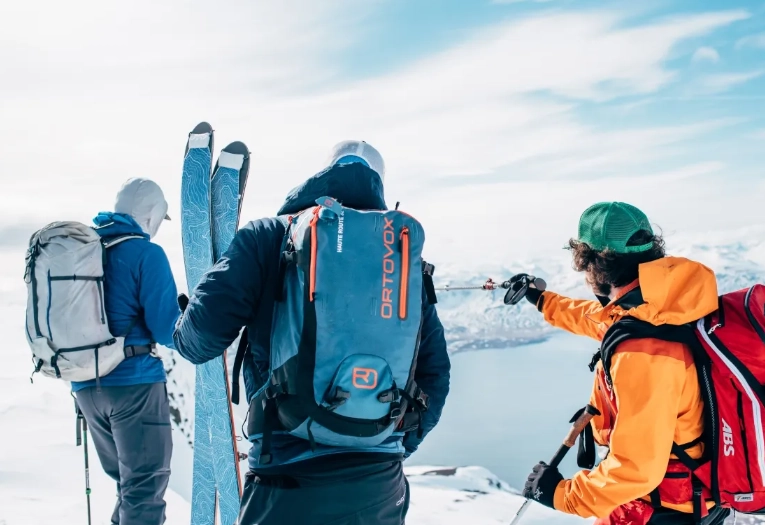
What's Inside This Guide
How to Choose a Ski Backpack: The 3 Non-Negotiables
Ignore the marketing fluff. Focus on these three pillars, in this order.
1. Type & Capacity: Match the Mission
This is where most go wrong. They buy one bag for everything. Don't.
- The Resort Daypack (15-25 Liters): This is your lift-served workhorse. It carries lunch, water, an extra layer, and maybe a beer. It should be slim, low-profile, and not throw off your balance. Look for a dedicated helmet carry system (not just a bungee) and a separate goggle pocket with a soft liner. Brands like Dakine and Osprey nail this category.
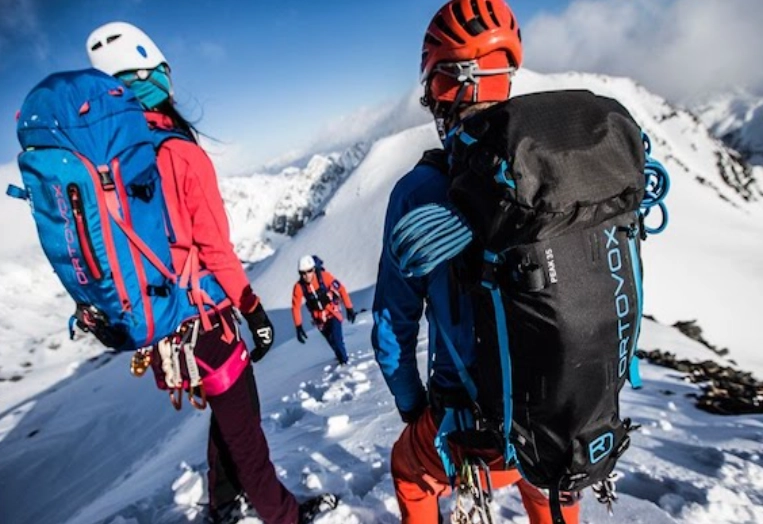
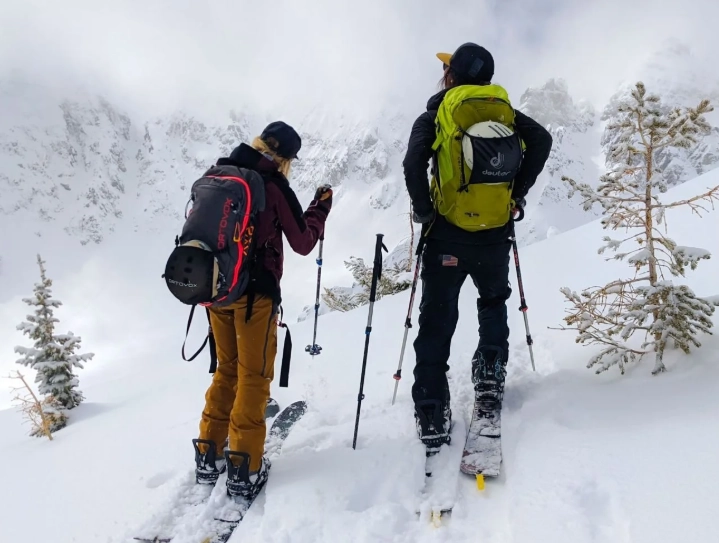
- The Backcountry Touring Pack (25-40 Liters): This is a serious tool. Its primary job is to carry avalanche safety gear (probe, shovel, beacon) in a dedicated, easy-access compartment—often called a "ski carry" or "A-frame" system that keeps skis secure and balanced. It needs robust attachment points for skins, ice axes, and poles. Fit is critical here; it must move with you during the uphill. Arc'teryx and Black Diamond are benchmarks.
- The Overnight/Multi-Day Pack (40+ Liters): For ski touring huts or sidecountry camping. This needs to swallow a sleeping bag, stove, and extra food. Look for load-lifter straps and a solid hip belt to transfer weight.
2. Features That Matter (And Ones That Don't)
Must-Haves:
- Hydration Sleeve & Port: A built-in reservoir is a game-changer. Drinking from a hose under your pack strap is infinitely easier than stopping to fumble for a bottle.
- Diagonal Ski Carry: For resort packs, this is the best way to carry skis on your back. It's more stable and comfortable than an A-frame for short walks.
- Tool Loops & Gear Loops: Little daisy chains or loops to hang gloves, clip keys, or secure poles.
Often Overhyped:
- "Waterproof" Fabric: No pack is truly submersible. A good DWR (Durable Water Repellent) coating is fine. Always use a dry bag or plastic liner for anything that must stay dry (phone, spare gloves). Trust me on this.
- Excessive Pockets: More pockets often mean more weight and more places to lose things. A clean, main compartment with 2-3 well-designed external pockets is ideal.
3. Fit & Comfort: It's Not a Fashion Item
You must try it on, ideally with some weight in it. The hip belt should sit on your hip bones, not your waist, carrying 70-80% of the load. Shoulder straps should contour without gaping or digging. For touring, ensure the back panel has ventilation. A sweaty back on the ascent is miserable.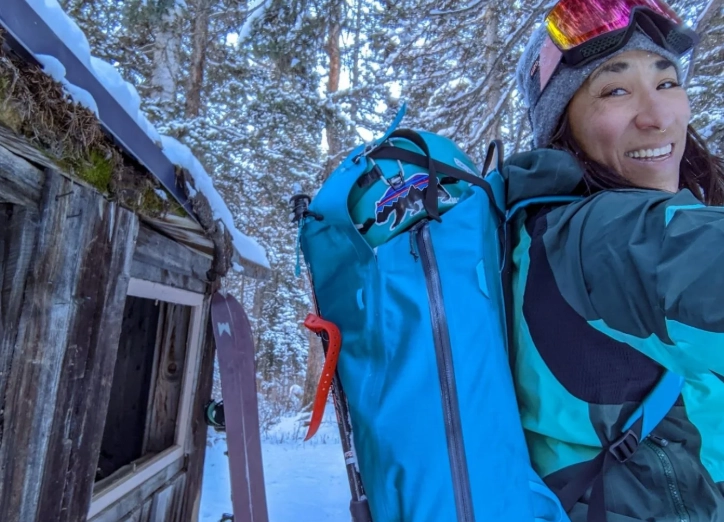
The Definitive Ski Backpack Packing List (Forget the "10 Essentials")
Generic lists include a "map and compass" for a resort day. Let's get real. Here’s what you actually need, layered by priority.
| Item | Resort Day (15-25L) | Backcountry Tour (25-40L) | Why It's Critical |
|---|---|---|---|
| Hydration | 1-2L Reservoir | 2-3L Reservoir + Insulated Tube Cover | Dehydration kills performance and judgment. Tubes freeze. |
| Nutrition | High-energy snacks (bars, nuts) | Calorie-dense food (sandwiches, chocolate, gels) | Fuel for unexpected delays or bonks. |
| Extra Layer | Lightweight puffy or fleece | Insulated jacket (e.g., down/synthetic) | A stalled lift or injury leads to rapid cooling. |
| Gloves | Spare liner gloves | Full spare glove/mitt system | Wet gloves are useless. Cold hands are dangerous. |
| Helmet Carry | INTEGRAL SYSTEM | Usually not needed (helmet on head) | Walking to/from the lodge. |
| First Aid | Basic kit (blister pads, ibuprofen) | Comprehensive kit (including SAM splint) | Minor issues become major without treatment. |
| Avalanche Gear | N/A (unless in sidecountry) | Beacon, Shovel, Probe (BSP) + Knowledge | Non-negotiable for any travel in avalanche terrain. |
| Headlamp | Small keychain light | Powerful, weather-resistant headlamp | Days are short. Getting caught out is a real risk. |
| Repair Kit | Ski strap, multi-tool | Full kit: screws, binding parts, duct tape | A loose binding can end your day miles from help. |
Resort vs. Backcountry: Your Pack Strategy is Everything
The mindset shift is huge. At a resort, your pack is about convenience and minor emergencies. In the backcountry, it's your survival system.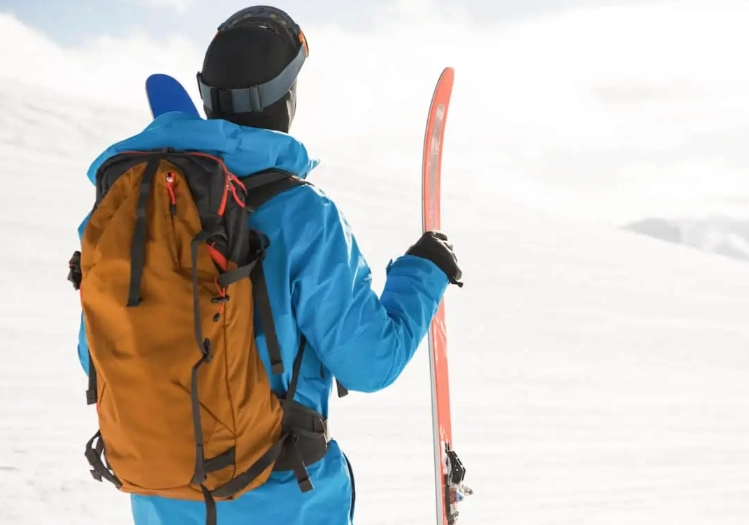
The Resort Day: Lean and Mean
Keep it light. You're taking this on and off lifts, stuffing it in lodge corners. The goal is to not notice it while skiing. Use every compression strap to slim it down. I see people with half-empty 30L bags flapping in the wind—it affects their skiing. A common mistake? Packing a huge, bulky jacket "just in case." A lightweight, packable puffy does the same job for a fraction of the space. Store your pass, phone, and wallet in a secure, internal pocket. I've seen more than one phone ejected from an open-top pocket on a chairlift ride.
The Backcountry Mission: Systematic and Redundant
Every item has a purpose, and critical items have backups. Your avalanche transceiver goes on your body, under all layers, not in the pack. Your shovel and probe are in their dedicated compartment, checked and familiar. You have a physical map and compass as a backup to your phone/GPS. You carry more water and food than you think you'll need. According to guidelines from the American Institute for Avalanche Research and Education (AIARE), your pack is part of your essential safety system, not an afterthought. The weight should be distributed close to your back and high on your shoulders for better balance during technical descents.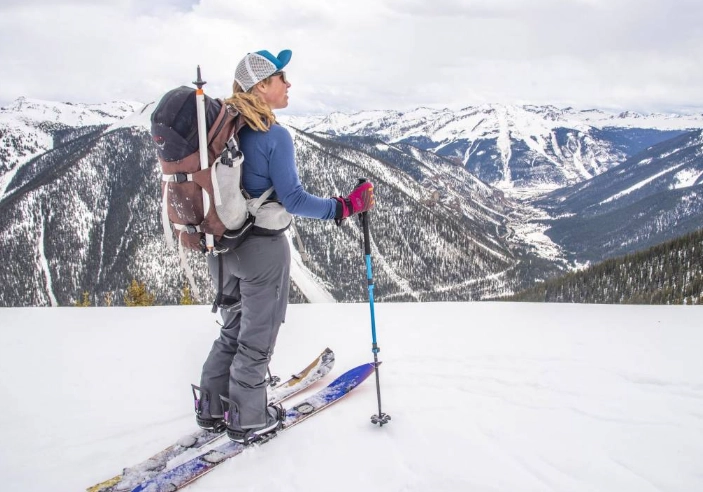
The 5 Most Common (and Costly) Ski Backpack Mistakes
- Using a Hiking Backpack: They lack ski-carry systems, the wrong shape for safety gear, and straps that can snag in lifts. Just don't.
- Overpacking the Resort Bag: You don't need three jackets. The "just in case" mentality leads to a heavy, unbalanced load that ruins your ski form.
- Buying a Pack That's Too Big: A 40L pack for resort skiing encourages overpacking. A too-large pack for touring is sloppy and hard to manage.
- Neglecting Hydration: Thinking you'll drink at the lodge. On a cold, dry day at altitude, you're dehydrating constantly. Sip from your hose on every lift ride.
- Storing Wet Gear: Throwing your pack in the car or closet with soggy gloves and a damp liner. It'll smell like a locker room by February. Always air it out completely.
Answers to the Questions Skiers Actually Ask