Let's be honest. Walking into a ski shop or browsing online for gear can feel like decoding a foreign language. All-mountain, camber, flex index, DIN settings... it's enough to make you just grab the shiniest jacket and call it a day. But your equipment is the single biggest factor between a day of pure joy and a day of cold, painful frustration. I've been there—renting boots that crippled my feet, buying skis that were totally wrong for my style. After a decade of trial and error (mostly error at the start), I've learned that choosing skiing equipment isn't about the fanciest tech; it's about matching gear to your body, your skill, and the snow you'll actually ski on.
Quick Navigation: What You'll Find Here
- The Core Gear Breakdown: More Than Just Skis
- How to Choose Skis: The 3 Factors Everyone Gets Wrong
- Why Ski Boots Matter More Than Your Skis
- The Layering System: Staying Dry is Staying Warm
- The Big Decision: Renting vs. Buying Your Ski Gear
- Gear Maintenance 101: Make Your Investment Last
- Your Ski Gear Questions, Answered
The Core Gear Breakdown: More Than Just Skis
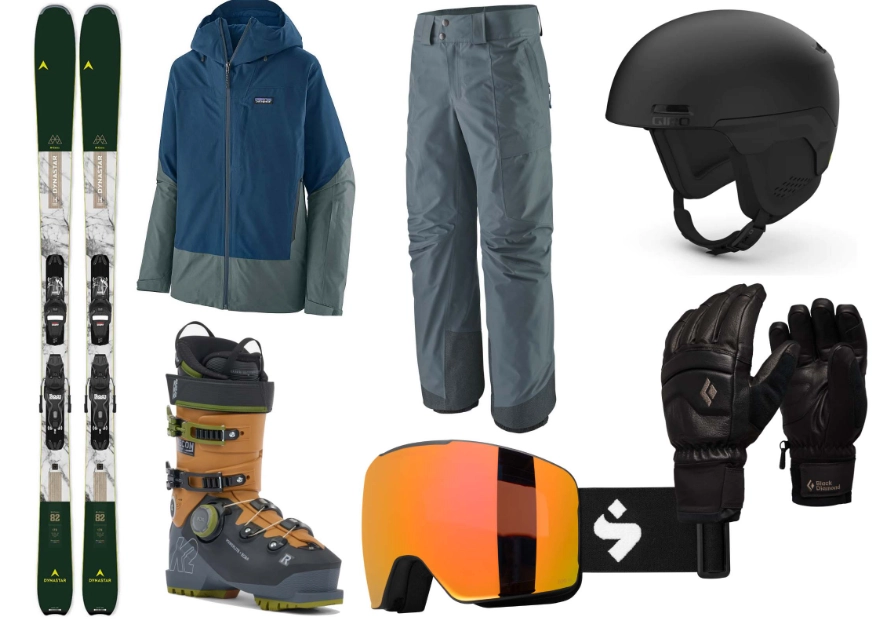
Think of your ski setup as a system. If one part fails, the whole experience suffers. Here’s what you actually need, from the snow up.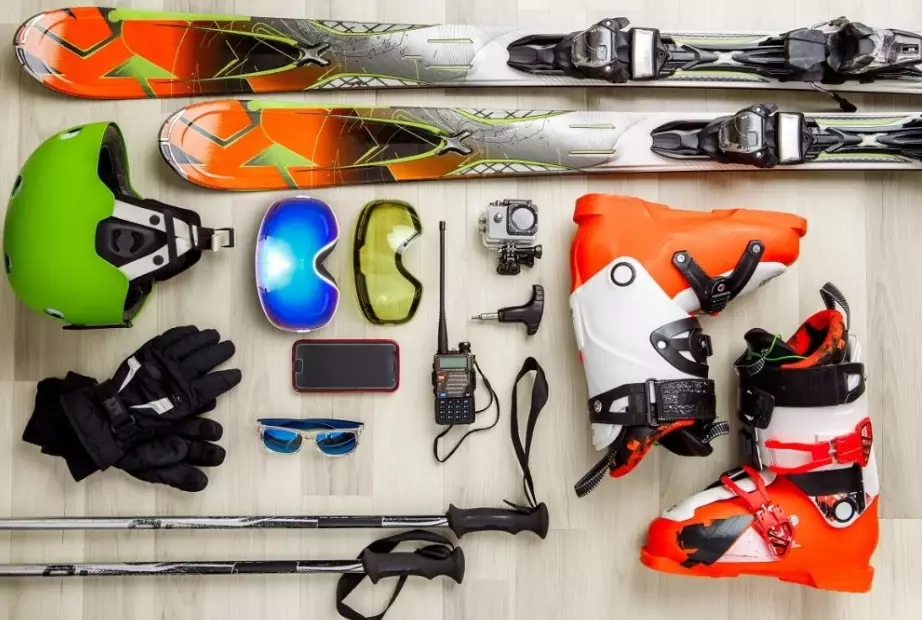
The Hardware: Skis, Bindings, Poles
Skis are your foundation. Their length, width, and shape dictate how they turn and float. Bindings are the critical safety link between you and the ski; they must release during a fall to prevent injury. Their release setting (DIN) is calculated based on your weight, height, age, and skier level—never guess this. Poles help with rhythm and balance. Get the right length by flipping the pole upside down and gripping it under the basket; your forearm should be parallel to the floor.
The Interface: Boots and Socks
This is where most beginners suffer. Ski boots transfer every movement to your skis. A poor fit means lost control and pain. Ski socks are not regular socks. They are thin, moisture-wicking, and seamless to prevent blisters. Wear a thick cotton sock, and you've already lost.
The Shell: Clothing and Protection
This is your personal climate control. A base layer wicks sweat, a mid-layer insulates, and a waterproof shell (jacket and pants) blocks wind and snow. Goggles with interchangeable lenses for different light are non-negotiable for vision and safety. A helmet is essential. Gloves, neck gaiter, and sunscreen round out the kit.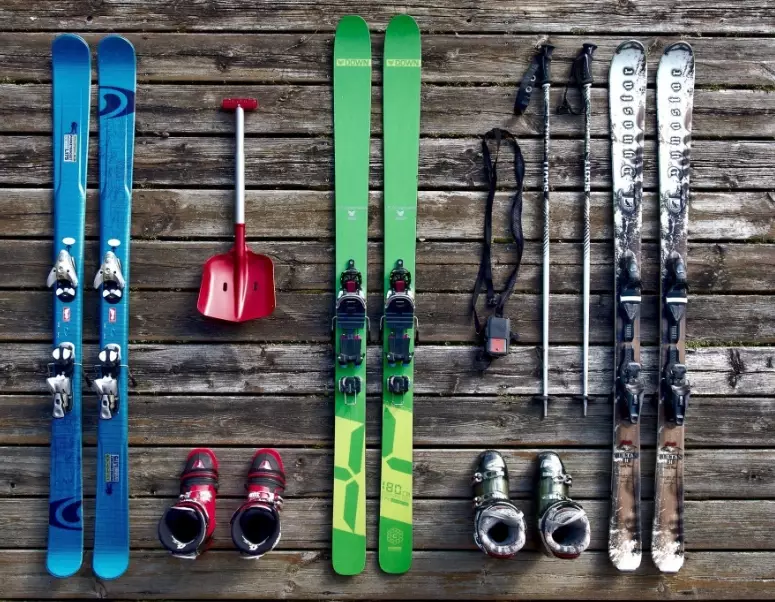
How to Choose Skis: The 3 Factors Everyone Gets Wrong
Forget brand wars. Focus on these three specs in this order.
1. Ski Category (Where You'll Ski): This narrows your search instantly.
| Type | Best For | Key Feature | My Take |
|---|---|---|---|
| All-Mountain | Most beginners & intermediates. Does everything on the groomed runs decently. | Medium width (85-100mm underfoot). Balanced turn initiation. | The safe, smart first buy. Boring but effective. |
| All-Mountain Wide | Intermediates+ who see powder or variable snow. | Wider (100-115mm). Better float in soft snow. | If your local mountain gets frequent snow, start here instead of pure all-mountain. |
| Carving / Frontside | Speed lovers who stay on hard-packed, groomed trails. | Narrow (65-85mm). Sharp, precise turns on hard snow. | Exhilarating on corduroy, miserable in any soft snow. |
| Powder Skis | Advanced skiers in deep snow areas. | Very wide (115mm+). Massive rocker for surf-like feel. | A specialist tool. Don't buy these as your only pair unless you live in the Alps or Rockies. |
2. Length & Rocker Profile: The old "chin height" rule is outdated. Rocker (upturned tips/tails) makes skis feel shorter and easier to pivot. A ski with lots of rocker can be skied longer. A flat, traditional camber ski needs to be shorter. For your first all-mountain ski, aim for somewhere between your chin and the top of your head.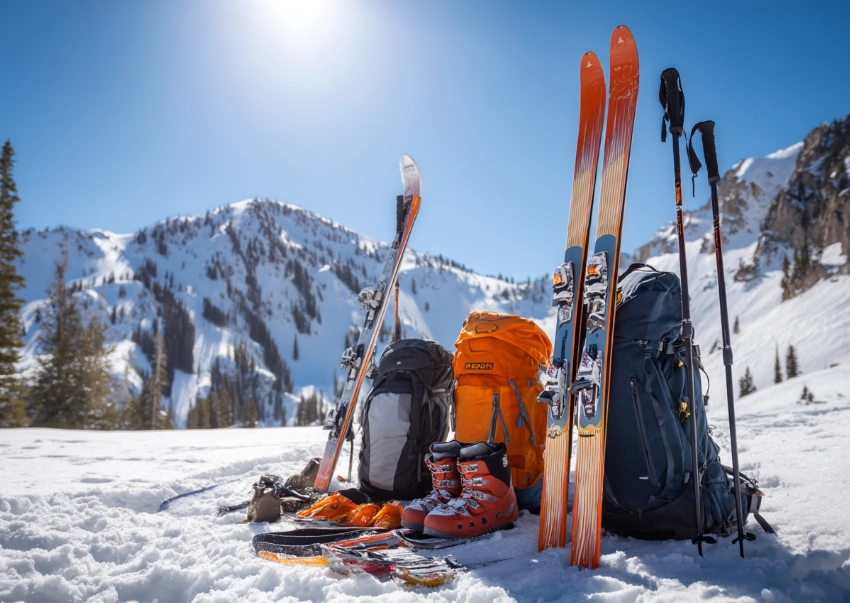
3. Flex: Softer flex is forgiving and easier for beginners. Stiffer flex provides stability at speed for experts. You want a ski that matches your aggression level, not the skier you hope to be. A too-stiff ski will feel dead and unresponsive.
Why Ski Boots Matter More Than Your Skis
You can have the world's best skis, but if your boots don't fit, you'll hate every second. A proper boot fit is intimate, almost uncomfortably snug at first. Your heel must be locked down, with zero lift. Your toes should gently brush the front when standing straight, but not be curled. When you flex forward into a skiing posture, that pressure should release.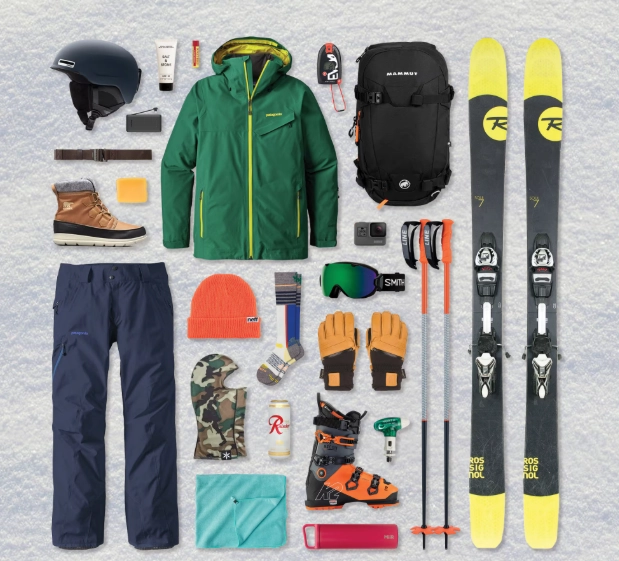
The Flex Index (e.g., 90, 120) indicates stiffness. A lower number (softer) is easier for beginners to flex and control. Don't overboot. A 120-flex boot marketed to experts will simply not bend for a lighter intermediate skier, robbing them of control.
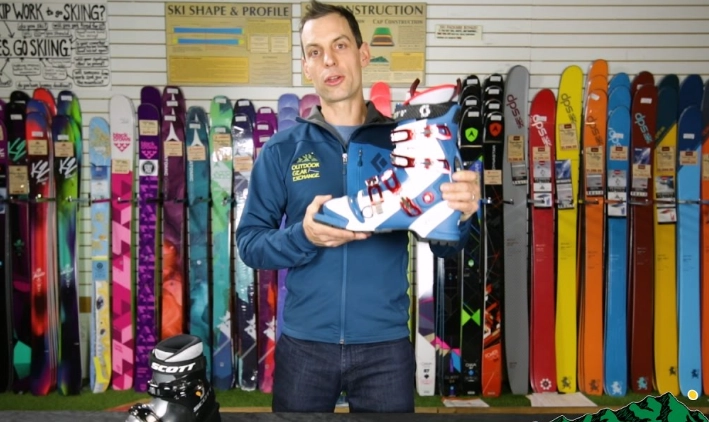
Go to a professional bootfitter. This is the best money you can spend. They measure your foot's length, width, arch, and calf. They know which boot brands run narrow (like Lange) or wide (like Dalbello). A good fitter can also make minor adjustments like "punching out" a hotspot. The difference between a stock fit and a professional fit is night and day.
The Layering System: Staying Dry is Staying Warm
Cotton is the enemy. It absorbs sweat and stays wet, sucking heat from your body. You need synthetic (polyester) or wool (merino) layers that move moisture away.
- Base Layer: Thin, snug, and moisture-wicking. Merino wool is expensive but regulates temperature and resists odor amazingly.
- Mid-Layer: Fleece or a lightweight insulated jacket. This is your adjustable thermostat. On warmer days, you might ski with just a base and shell.
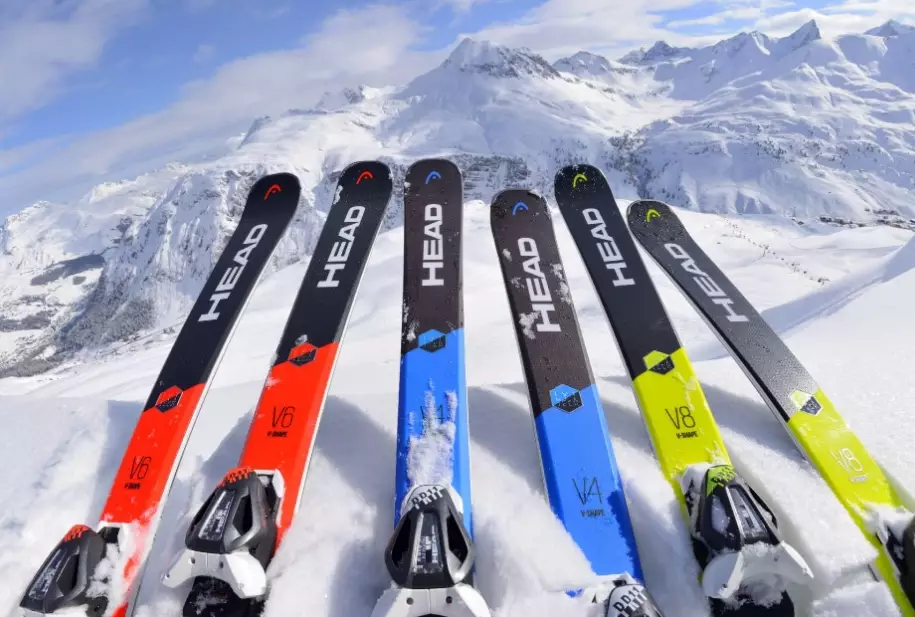
- Outer Shell: Must be waterproof and breathable. Look for a high waterproof rating (e.g., 15k/15k or Gore-Tex). Pit zips are a lifesaver for venting heat on a spring day.
Don't forget your extremities. Gloves should be waterproof and insulated. Mittens are warmer than gloves. A neck gaiter (buff) is more versatile than a scarf. And goggles with a lens for low light (yellow/rose) and one for bright sun (dark mirror) will save your vision.
The Big Decision: Renting vs. Buying Your Ski Gear
This isn't just about cost; it's about progress and hygiene.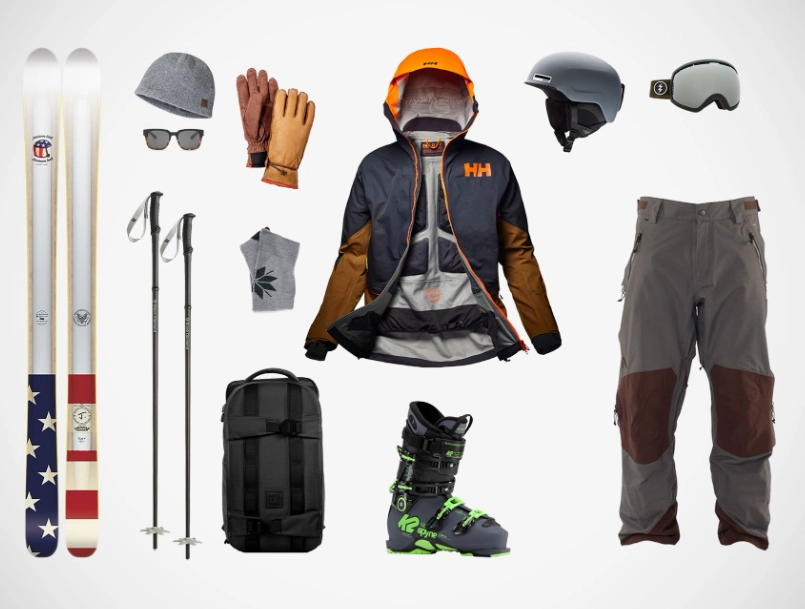
Rent if: You ski less than 5 days a season, are a total beginner, or are still growing (kids). Modern rental gear is surprisingly good. Look for "performance" or "demo" rental packages for better quality skis. Always rent boots from a shop with a trained staff who will fit you, not just hand you a size.
Buy if: You ski a week or more each year, have progressed beyond the absolute basics, or value consistency and hygiene. Owning your boots is the first and most important purchase. Ill-fitting, sweaty rental boots are a universal source of misery.
The economics are simple: After about 10-15 rental days, you've paid for a solid beginner/intermediate setup. Buying used gear from a reputable consignment shop or end-of-season sales can be a fantastic middle ground.
Gear Maintenance 101: Make Your Investment Last
Neglecting your gear kills performance and costs more in the long run.
- Skis: Get them tuned (sharpened edges, base wax) at least once a season, more if you ski often. Dry bases oxidize and become slow. Store them flat or leaning against a wall, not on their edges.
- Boots: Keep buckles fastened when not in use to maintain shell shape. Dry the liners after each use—never put them on a heater. Use a boot dryer or just pull the liners out.
- Clothing: Reapply a DWR (Durable Water Repellent) treatment once a season or when water stops beading on the fabric. Wash technical gear with specific detergents (like Nikwax Tech Wash) to avoid clogging pores.