In This Guide
- What Exactly Is a Ski Lift Chair, Anyway?
- A Look at the Different Types of Chairlifts
- The Safety Stuff You Really Can't Ignore
- How to Ride a Ski Lift Chair: A Step-by-Step Breakdown
- Common Questions (And Real Answers) About Ski Lift Chairs
- The Unspoken Etiquette of the Chairlift Line
- What's Next for Ski Lift Technology?
Let's be honest. When you're planning a ski trip, you're thinking about fresh powder, your new gear, maybe that cozy lodge at the end of the day. The humble ski lift chair is probably the last thing on your mind. It's just the thing that gets you up the hill, right?
Wrong.
I've seen too many people—complete beginners and even some who should know better—get flustered, embarrassed, or even have minor accidents because they didn't respect the chairlift. I was one of them. I still vividly remember my first time on an old double chair as a kid, fumbling with the safety bar and nearly dropping a pole. It's a core skiing memory, just not a glamorous one.
Understanding your ski lift chair isn't about being a gear nerd. It's about safety, efficiency, and honestly, just having a better, less stressful day on the mountain. This guide is everything I wish someone had told me before my first lift ride and a whole lot more I've picked up over the seasons.
What Exactly Is a Ski Lift Chair, Anyway?
At its simplest, a ski lift chair is a seat suspended from a moving cable that transports skiers and snowboarders up a mountain. But that's like calling a Ferrari "a car with four wheels." The engineering, variety, and operation behind them are fascinating.
The modern ski lift chair system is a marvel of repetitive, reliable mechanics. A powerful motor drives a bullwheel, which moves a heavy, looped steel cable. Chairs are attached to this cable at regular intervals. The chairs themselves can be simple benches or sophisticated climate-controlled bubbles. The system has to work flawlessly in blizzards, high winds, and sub-zero temperatures, day in and day out. When you think about it that way, it's pretty impressive.
The National Ski Areas Association (NSAA) maintains extensive lift safety resources and statistics, highlighting the industry's focus on making this transport incredibly safe through rigorous standards.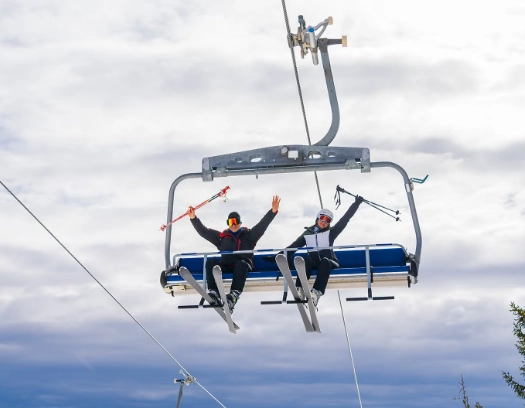
A Look at the Different Types of Chairlifts
Not all lifts are created equal. Knowing what you're getting into can manage your expectations, especially if you're with nervous first-timers or small kids. The type is usually indicated on the trail map.
| Lift Type | What It Is | Typical Speed & Capacity | Best For / Notes |
|---|---|---|---|
| Fixed-Grip Chairlift | The classic. The chair is permanently attached to the cable. It doesn't detach at stations. | Slow to Medium (~5 mph). 2, 3, or 4 person chairs common. | Beginner slopes, shorter runs. The slow speed makes loading easier for newbies. Can feel like a long ride on a big mountain. |
| Detachable Chairlift (High-Speed Quad/Six/Eight) | The chair detaches from the cable in the station, slows for easy loading, then re-attaches and speeds up for the ride. | Fast (~10-12 mph). Carries 4, 6, or 8+ people. | Most common on intermediate/advanced terrain. The workhorse of modern resorts. Look for a thick "haul rope" and a quiet, fast ride. |
| Gondola (Cabin Lift) | Enclosed cabins, often heated. You leave skis/board in an external rack. | Medium-Fast. 6-12+ people per cabin. | Long ascents, base-to-base travel, bad weather. Great for a snack or adjusting layers without wind chill. |
| Surface Lifts (Magic Carpet, Rope Tow, T-Bar) | Not a chair, but worth mentioning. You stand on skis/board and are pulled along the snow. | Very Slow. | Absolute beginners (carpet) or expert/slalom terrain (T-Bar). A T-Bar requires some practice and balance. |
You'll also hear terms like "triple," "quad," "six-pack," or even "eight-pack." That just refers to how many backsides can fit on the ski lift chair. A high-speed detachable six-pack is the gold standard for moving lots of people quickly on popular terrain.
The Safety Stuff You Really Can't Ignore
This is the most important part. Ski lifts are incredibly safe when used correctly. The vast majority of incidents happen during loading or unloading, and are almost always due to rider error or distraction.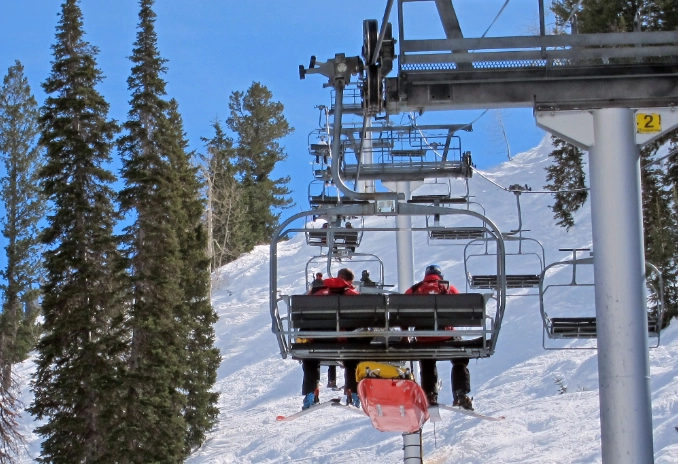
Non-Negotiable Safety Rules
- Use the Safety Bar: Lower it every time, as soon as it's safe to do so. Announce "Bar coming down!" to your chairmates. This isn't optional. It prevents falls, especially if the lift stops suddenly or sways. Raise it only when the "Raise Bar" sign appears near the top.
- Mind Your Gear: Hold poles in one hand, not draped over your wrists. Don't try to put ski straps on while on the chair. If you drop something, let it go. Never jump after it. Tell the lift attendant at the top; they have procedures for retrieving items.
- Loading/Unloading Focus: This is a "phones away" zone. Look forward, follow the attendant's instructions, and move deliberately to the marked line.
- Kids & The Safety Bar: Ensure the bar's footrest is in front of them, not behind their skis. Their skis should dangle freely, not be propped on the rest (this can cause bad falls if the bar is raised unexpectedly).
The International Ski Federation (FIS) lists specific on-piste safety rules that implicitly cover lift conduct, emphasizing personal responsibility. Your actions affect everyone on the chair and around you.
What about if the lift stops? It happens. Don't panic. It's usually a minor loading issue or a courtesy stop for someone who fell. Use the time to adjust your goggles. If it's a longer stop, the resort will communicate via loudspeakers. Never try to swing or jump off. Wait for instructions. Evacuations are rare but highly rehearsed by mountain crews.
How to Ride a Ski Lift Chair: A Step-by-Step Breakdown
Let's walk through it. For a first-timer, this process can seem daunting. Breaking it down helps.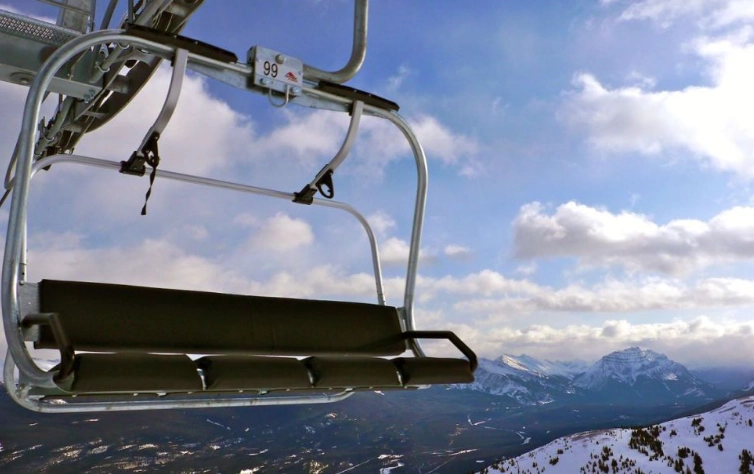
Step 1: The Line (Maze)
Skiers and snowboarders merge into a single line. Pay attention to the "Fill All Chairs" signs. Don't leave gaps. Be ready when you get to the "Wait Here" line.
Step 2: The Load Zone
This is the critical moment. Look over your shoulder for the approaching chairlift seat. As it swings around, sit down smoothly and immediately scoot back. The chair will hit the back of your knees—let it guide you into the seat. Don't try to "jump" into it.
Step 3: The Ride Up
Scoot back. Lower the safety bar. Relax. Enjoy the view. Keep the tips of your skis or your snowboard up so they don't drag in the snow on uphill sections. If you have a backpack, take it off and hold it on your lap or put it between you and a friend for extra warmth.
Step 4: Preparing to Unload
As you approach the top station, raise the safety bar when you see the sign. Get ready. Lift the tips of your skis up. Snowboarders, position your free foot next to the binding. Look forward at the unloading ramp.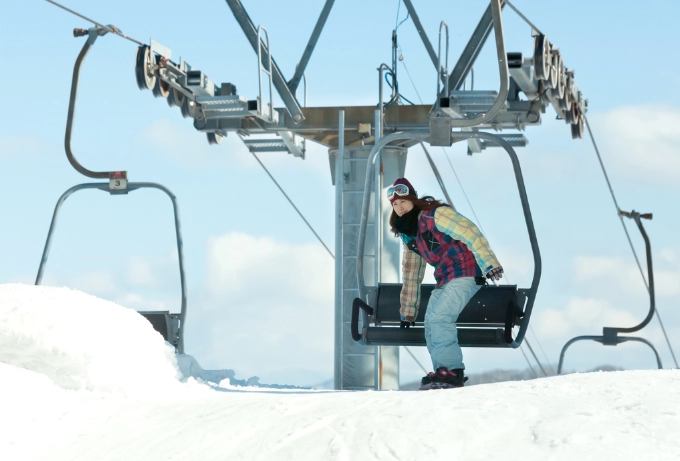
Step 5: The Unload
As the chair pushes you onto the ramp, simply stand up. Let the chair's momentum help you. Do not sit back down! Walk or slide straight down the ramp and clear the area immediately. The people behind you need space.
Common Questions (And Real Answers) About Ski Lift Chairs
The Unspoken Etiquette of the Chairlift Line
This is where skier vs. snowboarder tensions sometimes flare, but it doesn't need to be that way.
- Fill the Chair: If the lift attendant calls "Party of two!" and you're a single, join them. It keeps the line moving for everyone.
- Manage Your Space: Don't let your skis or board whack the person in front of you. Maintain a polite distance.
- Conversation: It's fine to chat with strangers on the lift. It's also fine to enjoy a quiet ride. Read the room.
- Littering: Just don't. Those wrappers from your snack bar end up on the ski run below.
- Helping Others: See a kid struggling to get on? Offer a steadying hand. See someone drop a glove in line? Point it out. The mountain community works best when we look out for each other.
What's Next for Ski Lift Technology?
The ski lift chair isn't stuck in the 80s. Innovation is constant, driven by efficiency, guest experience, and environmental concerns.
Bubble Chairs & Heating: More resorts are adding clear, aerodynamic bubbles (sometimes heated seats) to their high-speed lifts. They cut wind chill dramatically and protect from snow and rain. They're a game-changer on cold days.
Direct Drive Motors: Newer, more efficient electric motors that reduce energy consumption and maintenance. The industry leaders like Leitner-Poma are constantly innovating in this space, making lifts greener and more reliable.
RFID & Scanning: Gone are the days of paper tickets. RFID cards or chips in your pass allow for hands-free, quick scanning at the lift gate, speeding up the process immensely.
Increased Capacity: We're seeing more 6-, 8-, and even 10-person chairs. They move more people with fewer towers, reducing the visual and environmental impact on the mountain.
The goal is simple: reduce wait times, increase comfort, and do it all with a smaller carbon footprint. The future lift might be a silent, heated, bubble-covered eight-seater that you glide onto without ever breaking stride.
So next time you shuffle into the lift maze, give a little thought to the engineering beneath you, the etiquette around you, and the safety steps that protect you. That ski lift chair is more than just a ride up. It's the essential connector of your ski day, the pause between runs, and a vantage point for some of the best views you'll ever get. Respect it, understand it, and you'll master a fundamental part of the mountain experience.