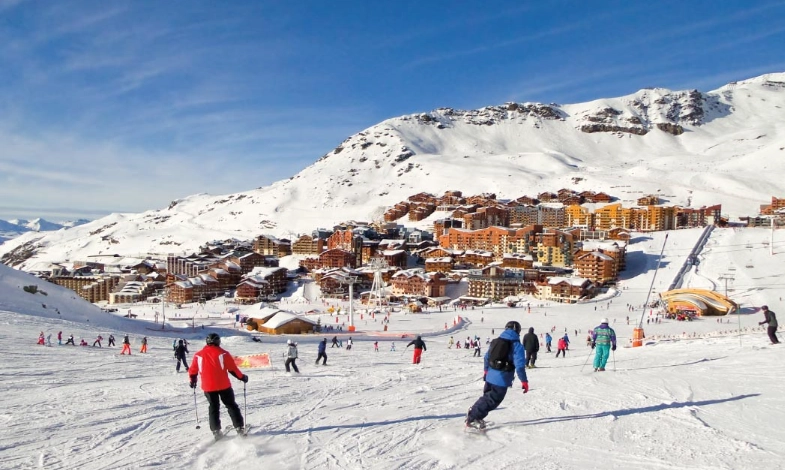
I bought my first skis a decade ago. They were too long, too stiff, and had a flashy graphic that caught my eye. I spent the whole season fighting them on blue runs. Choosing skis isn't about looks—it's about matching gear to your body, skill, and where you ski. Let's cut through the noise. This guide will help you pick skis that feel like an extension of your legs, not a burden.
Your Ski Selection Roadmap
- Ski Types Decoded: What Each One Actually Does
- Your Skill Level: The Biggest Factor in Ski Choice
- Getting the Size Right: Why Ski Length Matters More Than You Think
- Beyond the Basics: Flex, Camber, and Rocker Explained
- Where to Buy and How Much to Spend
- The Top 3 Mistakes Skiers Make When Choosing Skis
- FAQ: Answers to Your Burning Questions
Ski Types Decoded: What Each One Actually Does
Skis aren't one-size-fits-all. They're tools for specific jobs. Get this wrong, and you'll hate your day on the mountain.
All-Mountain Skis: Your Daily Driver
Most skiers start here. All-mountain skis handle groomed runs, some powder, and even ice. Waist width: 80-100mm. Flex: medium. Brands like Rossignol and K2 make great options. If you ski 80% on-piste and 20% off, these are your go-to. I use mine for resort days when I'm not sure what conditions I'll face.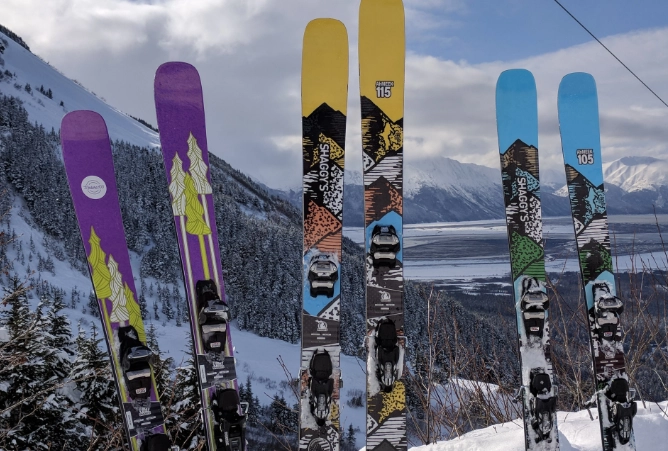
Carving Skis: For the Groomed Runs
Thin waist (65-80mm), stiff flex. They grip hard snow and make sharp turns. Perfect for East Coast ice or European Alps. Not for powder. Demo a pair if you love racing down corduroy.
Powder Skis: When the Snow Gets Deep
Wide underfoot (100mm+), soft flex, often with rocker. They float in deep snow. But on hardpack, they feel sluggish. I've seen people buy these for Utah trips, then struggle back home on icy slopes.
Touring Skis: For the Backcountry Explorer
Lightweight, with tech bindings for uphill climbs. Waist varies. If you're into ski mountaineering, check resources from the American Alpine Club for safety tips. Don't use resort skis here—the weight will kill you.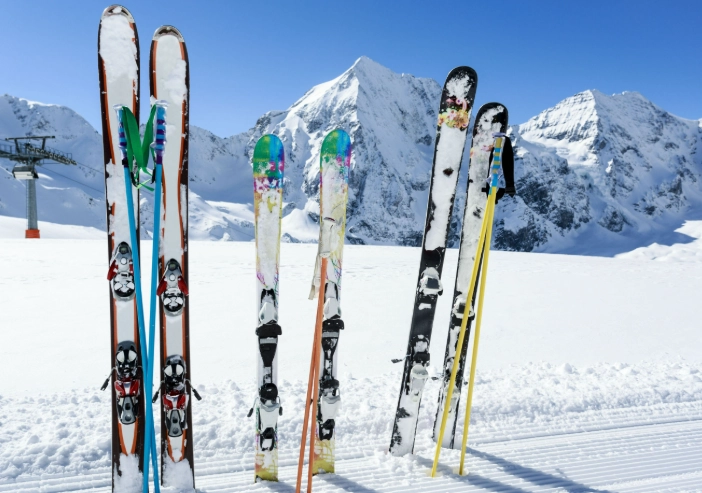
Your Skill Level: The Biggest Factor in Ski Choice
Beginners, intermediates, experts—each needs different skis. Ignore this, and you'll plateau or get hurt.
Beginners: Look for soft flex, shorter length, and forgiving design. All-mountain skis are best. Avoid advanced skis; they're less tolerant of errors. Rent first. Many shops offer season-long demo programs to test models.
Intermediate Skiers: You're linking turns, exploring blues and blacks. Go for medium-stiff flex, all-mountain or carving skis. Length can increase slightly. This is where personal preference kicks in—try a few pairs.
Advanced/Expert Skiers: You know what you want. Stiff flex, longer skis, specialized types. Powder skis for deep days, carving skis for speed. Consider custom fittings if you have unique needs.
Pro tip: Your skill level isn't static. I upgraded skis after two seasons as my technique improved. Don't buy "future-proof" skis that are too advanced—they'll hold you back.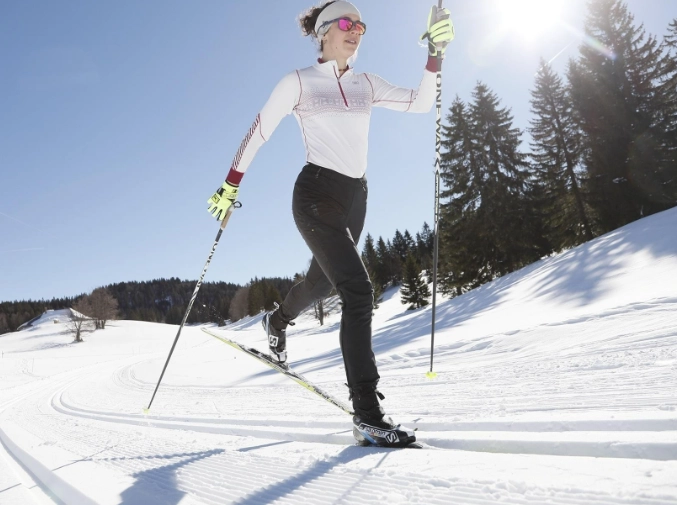
Getting the Size Right: Why Ski Length Matters More Than You Think
Ski length isn't just about height. It affects control, stability, and fun. Too long, and you can't turn. Too short, and you'll chatter at speed.
Use this table as a starting point. It's based on my experience and data from ski manufacturers like Atomic and Salomon.
| Skier Type | Recommended Length | Notes |
|---|---|---|
| Beginner | Chin to nose height | Shorter for easier turns |
| Intermediate | Nose to forehead height | Balance of control and stability |
| Expert | Forehead height or taller | For aggressive skiing and powder |
| Powder Skiing | Add 5-10cm to usual length | Extra length helps float |
Weight matters too. Heavier skiers might need longer skis for support. Lighter skiers can go shorter. I'm 180cm tall and 75kg—I ski 175cm all-mountain skis for versatility.
Try this: Stand the skis upright. For beginners, the top should hit between your chin and nose. If you're between sizes, err shorter for easier handling.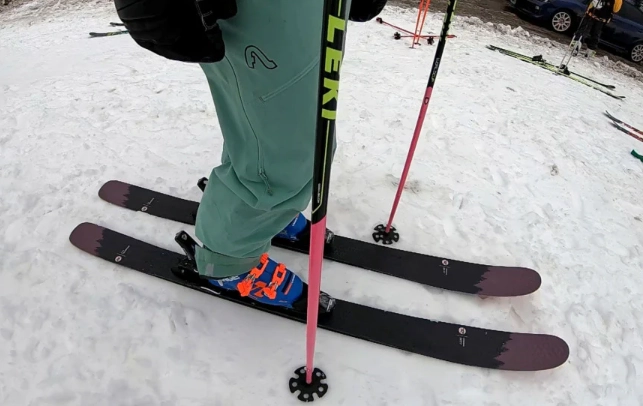
Beyond the Basics: Flex, Camber, and Rocker Explained
These tech terms sound scary, but they're simple once broken down.
Flex: How stiff the ski is. Soft flex forgives errors, great for beginners. Stiff flex provides precision for experts. Medium flex is the sweet spot for most. Press the ski against the floor—if it bends easily, it's soft.
Camber: The arch underfoot when unweighted. Traditional camber gives pop and edge grip. Good for carving and hard snow.
Rocker: Upturned tips and tails. Improves float in powder and ease of turning. Many all-mountain skis now have rocker-camber combinations.
Most modern skis mix these. For example, all-mountain skis often have rocker tips, camber underfoot. Demo different setups to feel the difference. I prefer slight rocker for playful turns.
Where to Buy and How Much to Spend
Budget ranges wildly. New skis cost $400 to $1,200. Used skis can be $200 to $600. Don't forget bindings ($150-$300) and boots (separate purchase).
Where to shop:
- Local ski shops: Get expert fitting advice. Support small businesses.
- Online retailers: Backcountry.com or Evo.com offer wide selections. Check return policies.
- Used gear: Facebook Marketplace, ski swaps. Inspect for base damage and binding age.
Allocate your budget wisely. I'd spend more on boots first—they're more critical for comfort and control. Then skis. For a first-time buyer, $600-$800 for skis and bindings is reasonable.
Consider demo programs. Rent skis for a day or weekend to test models. Many shops apply demo fees toward purchase. I tried three pairs before settling on my current skis.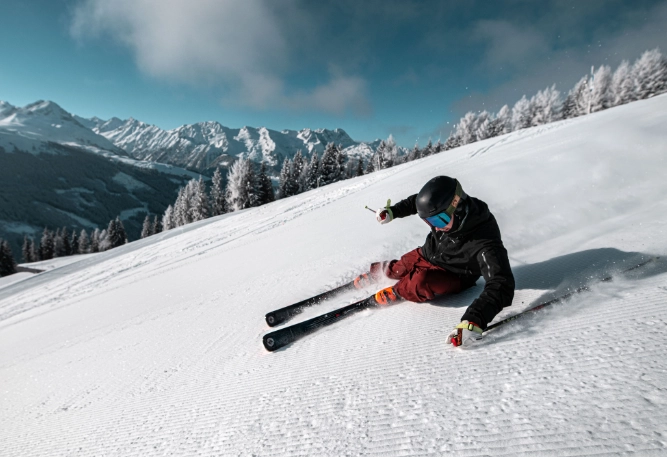
The Top 3 Mistakes Skiers Make When Choosing Skis
I've seen these errors repeatedly. Avoid them to save money and frustration.
Mistake 1: Choosing skis based on graphics or brand hype. Looks fade; performance lasts. I fell for this early on. Focus on specs and fit.
Mistake 2: Ignoring ski conditions you actually ski. Buying powder skis for Midwest ice is pointless. Be honest about where you'll use them 90% of the time.
Mistake 3: Skipping professional advice. Chat with shop technicians or instructors. They see common fit issues. Resources like the Professional Ski Instructors of America (PSIA) offer insights on gear matching skill.
One more: Not considering boot compatibility. Bindings must match boot sole length. Get boots fitted first, then skis.
FAQ: Answers to Your Burning Questions
Choosing skis is personal. It's about your legs, your mountains, your budget. Take your time. Demo. Ask questions. The right pair will make every run feel effortless. Now go find them.