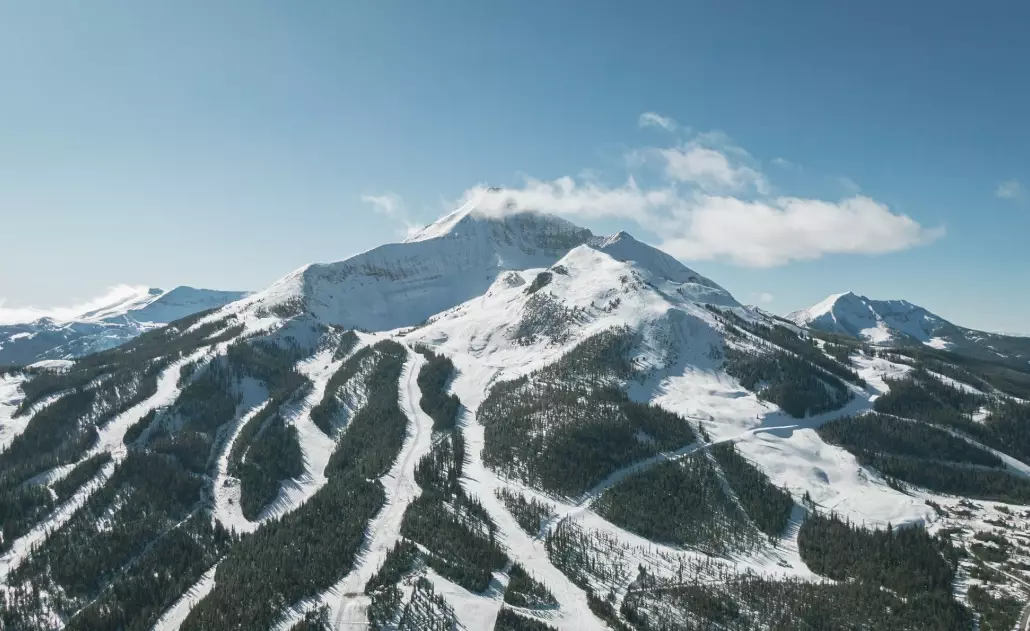
I remember staring at a patch of brown earth poking through the snow on a run in the Alps last March. It wasn't rock; it was just ground. The snowpack was thin, anxious. That's when it clicked for me—this sport I love is on the front lines of climate change. If we want to keep skiing, we need the mountains to stay cold. And that means the places where we ski need to change. Fast.
Sustainable ski resorts aren't just a nice-to-have anymore. They're the only viable future for the industry. But what does that actually look like beyond recycling bins and LED lights? Let's cut through the greenwash and look at what real sustainability on the slopes involves.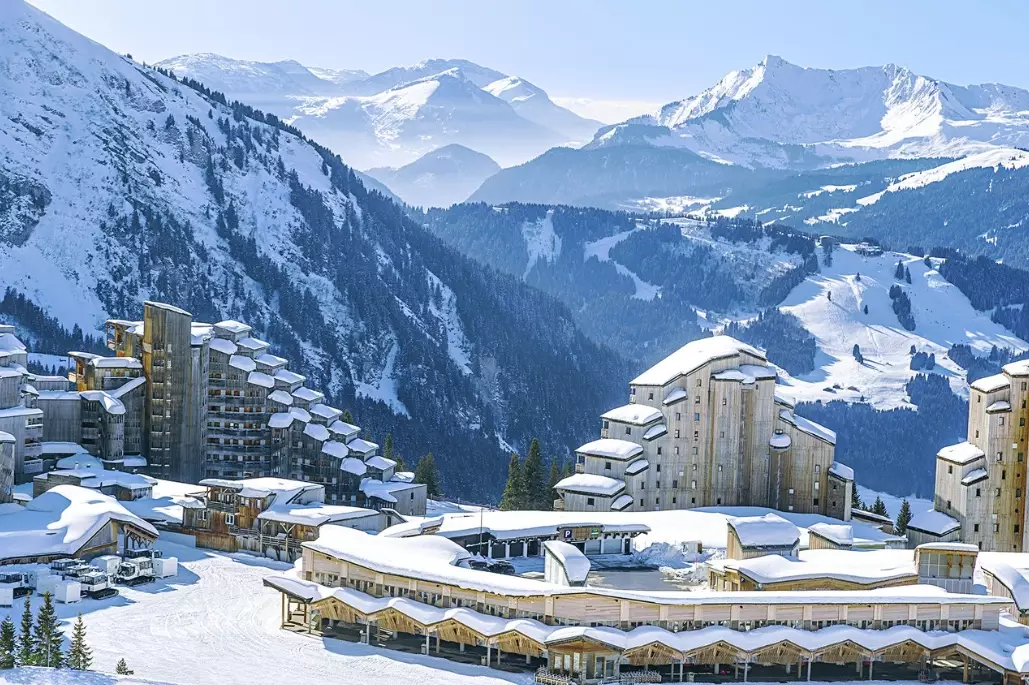
What's Inside
What Really Makes a Ski Resort Sustainable?
Forget the brochures with pictures of trees. Real sustainability is measured in kilowatt-hours, cubic meters of water, and hectares of protected land. It's an engineering and logistics challenge. Based on reports from the United Nations Environment Programme and the International Ski Federation (FIS), the heaviest environmental footprints come from a few key areas.
Energy is the big one. Running chairlifts, snowmaking guns, and sprawling lodges gulps power. A leading sustainable resort aims for 100% renewable energy. That doesn't mean buying vague "green credits" from far away. The best are investing in local sources—solar panels on maintenance buildings, small hydropower from mountain streams, or purchasing directly from nearby wind farms.
Water and Snowmaking. This is the paradox. As winters get warmer, resorts need more machine-made snow. Traditional snow guns are water and energy hogs. The sustainable solution? Newer technologies like techno snow or automated snow lances that use up to 50% less water and energy. They also use sophisticated weather stations to make snow only when conditions are perfect (cold and dry), minimizing waste.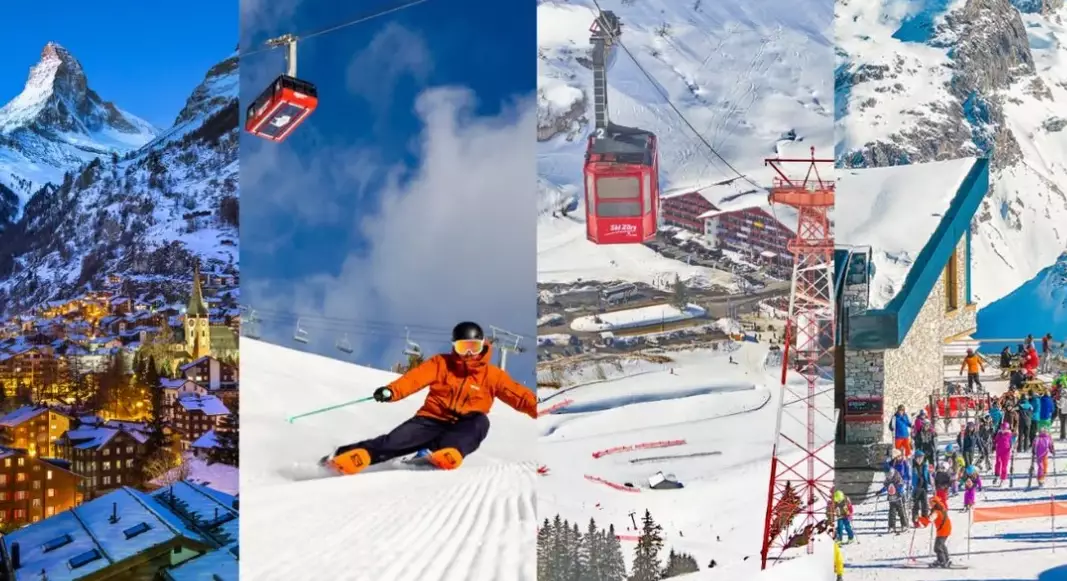
Getting There and Around. The irony is painful: people fly across the world, emitting tons of CO2, to visit a "green" resort. The most forward-thinking destinations are tackling this by making it easier not to drive. Think integrated train-and-lift tickets, free electric shuttles between villages, and hefty discounts for car-poolers.
Building and Waste. It's about building lodges with local, sustainable materials and designing them for energy efficiency (passivehaus principles). Waste management goes far beyond separating plastic—it's about composting food from all mountain restaurants and aiming for "zero waste to landfill."
Leading the Charge: 3 Ski Resorts Doing It Right
Let's get specific. These aren't just names; they're case studies in what's possible. I've focused on resorts with transparent, published data and third-party certifications.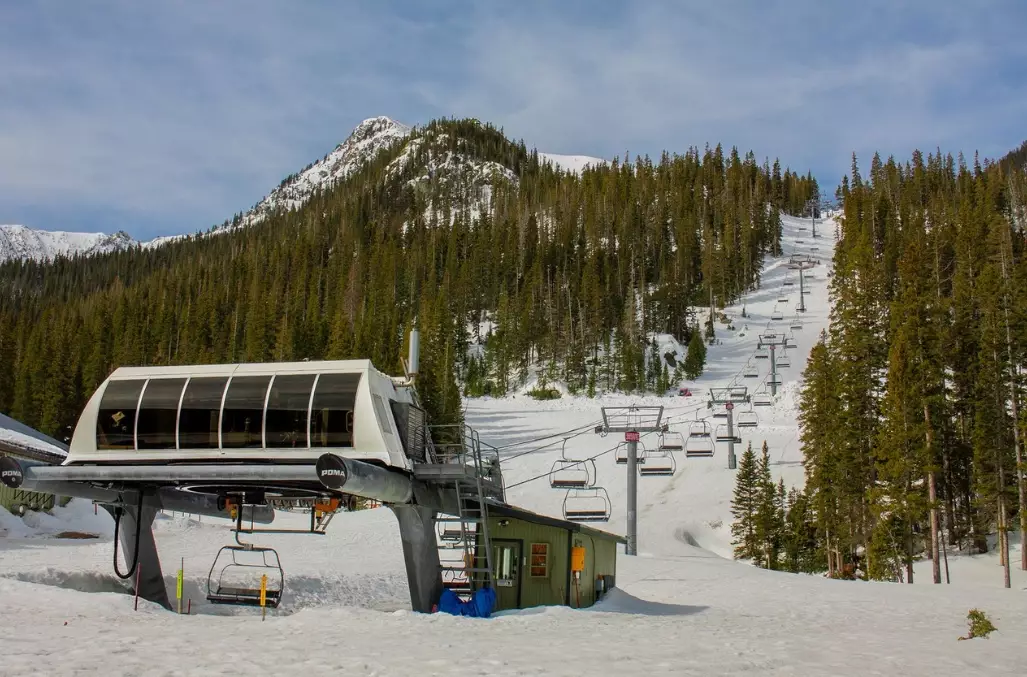
| Resort & Location | Key Sustainable Credentials | What Makes Them Stand Out | Good to Know for Your Trip |
|---|---|---|---|
| Aspen Snowmass, Colorado, USA (Address: Aspen, CO 81611) |
Powered by 100% renewable electricity. ISO 14001 certified. The Mountain IDEAL Standard. | Their "Give a Flake" campaign is iconic. They invest heavily in local climate advocacy and were early adopters of efficient snowmaking. They also have a "green team" that analyzes every operational detail. | Lift ticket prices are premium, but you're funding their environmental work. The town has excellent public buses. Look for lodging with their "Green Hotels" certification. |
| Whistler Blackcomb, BC, Canada (Address: 4545 Blackcomb Way, Whistler) |
Zero operational waste to landfill. Fitzsimmons Creek run-of-river hydro project powers the entire resort. | Their waste diversion program is world-class. They've eliminated single-use items across the mountain. The hydro project is a tangible, on-site renewable asset, not an off-set. | It's a big resort, so use their free valley shuttles. Summer operations (biking, hiking) are equally sustainable-focused. Book activities through their official site which highlights eco-tours. |
| Avoriaz, Portes du Soleil, France (Address: 74110 Avoriaz) |
Car-free resort design. Centralized wood-chip heating system. Awarded Flocon Vert (Green Snowflake) certification. | Built in the 1960s with sustainability in mind. You arrive by funicular or horse-drawn sleigh. Buildings are heated by local wood waste. It's a masterclass in integrated, low-impact design. | Perfect for families—no cars makes it safe. The architecture is… unique (1970s wood-clad pyramid style). It's connected to one of the world's largest ski areas, so you get sustainability and vast terrain. |
Notice something? The leaders aren't always the ones shouting the loudest. They're the ones publishing their energy mix percentages and water usage stats every year.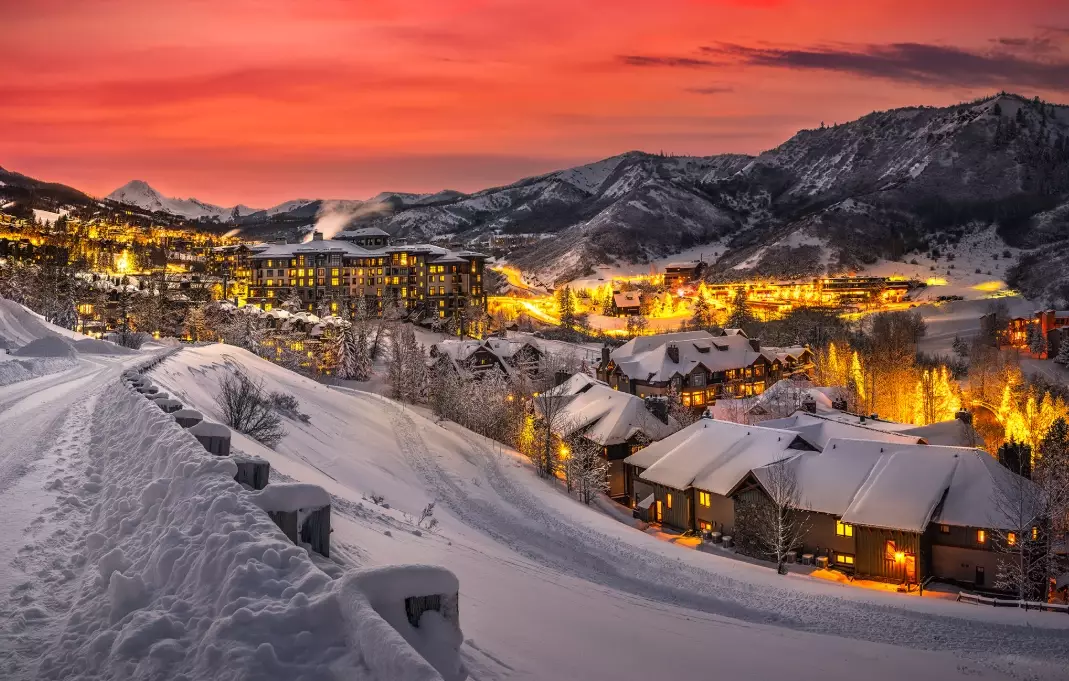
How to Choose an Eco-Friendly Ski Resort for Your Next Trip
You don't have to be an environmental scientist to make a better choice. Use this checklist when researching your next ski holiday. It's more practical than just googling "green ski resort."
- Check for Certifications: Look for the Flocon Vert (France/Switzerland), The Mountain IDEAL Standard, or ISO 14001. These require rigorous, audited standards.
- Dig into the Transport Page: A resort serious about emissions will have a detailed "How to Get Here" section promoting trains, buses, and car-sharing, with clear discounts for using them.
- Look for a Sustainability Report: It should be easy to find on their corporate site. Skim it. Are there numeric goals (e.g., "reduce water use by 20% by 2025")? That's a good sign.
- Question the Snowmaking: A quick email to guest services asking what type of snowmaking technology they use can be revealing. If they can't answer, that tells you something.
- Consider Smaller, Community Resorts: Places like Špindlerův Mlýn in the Czech Republic or Baqueira Beret in Spain (both investing heavily in renewables) often have a lighter footprint and keep money in the local economy.
Your biggest lever? Transportation. Taking the train to the Alps instead of flying and renting a car can cut the carbon footprint of your trip by 70% or more. Sites like Snowcarbon specialize in train travel to ski resorts.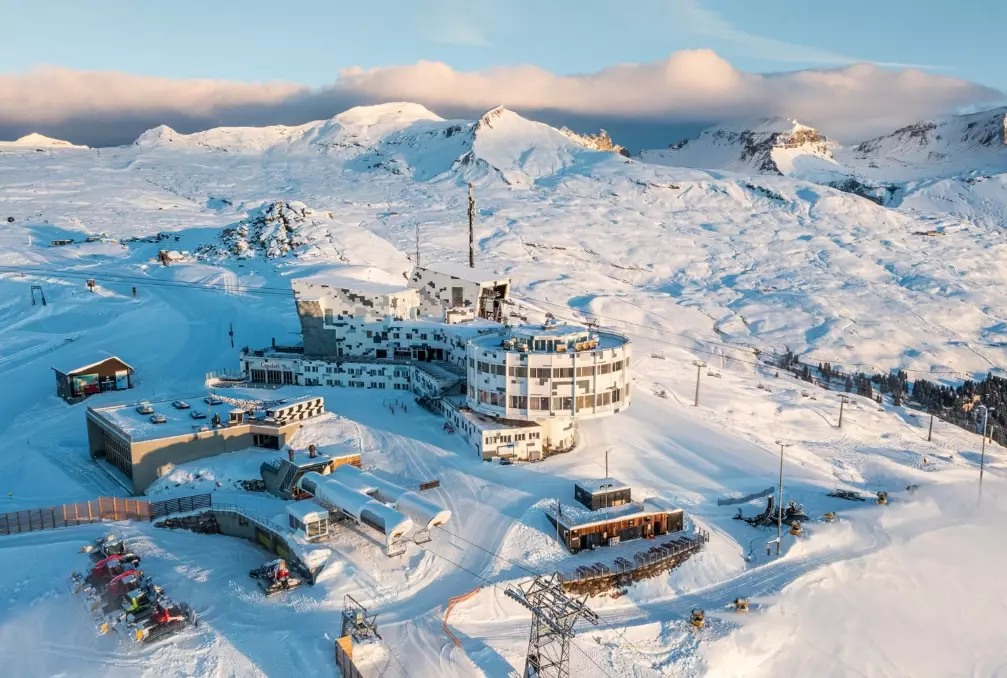
Beyond the Lift Ticket: Your Role as a Sustainable Skier
The resort's efforts are half the equation. Our behavior on the mountain is the other half. This isn't about guilt; it's about agency.
On the Slopes: Stay on marked trails. Those pristine off-piste meadows are fragile ecosystems. Skiing over young vegetation can damage it for years. Respect wildlife closure areas—they're there for a reason.
In the Lodge: Use the recycling bins correctly. It sounds basic, but contamination (a yogurt pot in the paper bin) can send a whole batch to landfill. Bring a reusable water bottle and coffee cup. Most lodges have refill stations now.
Your Gear: Consider renting high-performance skis on-site instead of buying new every few years. The rental fleet gets used hundreds of times, maximizing the resources that went into making it. If you do buy, look for brands like Picture Organic or Bureo (who make gear from recycled materials) and maintain your kit so it lasts.
Vote with Your Wallet: Eat at mountain restaurants that source local food. Book lessons with local, independent instructors. Buy your souvenirs from local artisans, not the chain store. This keeps the economic benefits in the community, which is a core pillar of sustainability.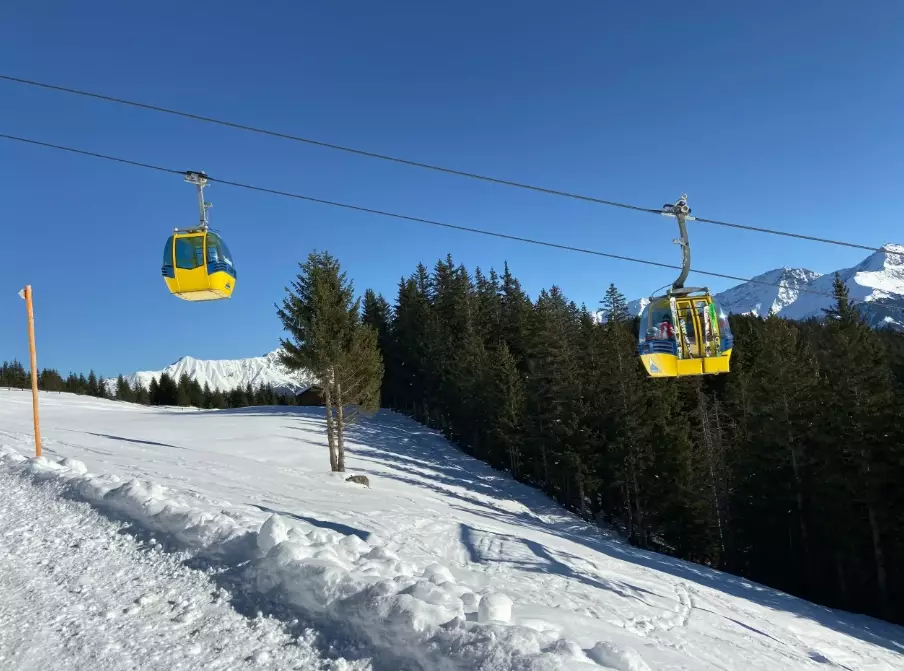
The Tough Questions About Skiing's Future
Let's be real. Can skiing ever be truly sustainable? It's an energy-intensive activity in sensitive environments. The purist might say no. But the pragmatist in me says we have to try—and support those who are trying hardest.
The industry is at a crossroads. Resorts at lower altitudes are already struggling. The solution isn't just more powerful snow guns. It's diversification—becoming four-season mountain destinations that aren't solely dependent on winter snow. It's investing in the conservation of the landscapes they market.
The next time you plan a ski trip, think of it as an investment. You're investing in a resort's business model. Choose one that's investing back into the mountain.
That patch of brown earth I saw? It's a reminder. The snow is a privilege, not a guarantee. Sustainable ski resorts are our best effort to honor that privilege and protect the mountains we love for the turns to come.
Your Questions on Sustainable Skiing, Answered
How can I tell if a ski resort is truly sustainable, or just greenwashing?
Look for hard evidence, not just marketing claims. A genuinely sustainable resort will have third-party certifications like The Mountain IDEAL Standard, ISO 14001, or be a member of the Mountain Riders Association. Check their annual sustainability report. It should detail specific metrics: the percentage of renewable energy used, water consumption per square meter of slope, waste diversion rates, and employee wages. If they only talk about 'eco-friendly' without publishing measurable data, be skeptical. Many just highlight one easy win (like recycling) while ignoring their massive energy use.
What are the most impactful sustainable practices a ski resort can have?
Energy and water use are the big ones. The top-tier resorts run their lifts and buildings on 100% renewable energy, often from local solar, wind, or hydro projects. For water, efficient snowmaking is critical. Resorts using 'techno snow' or snow lances that drastically reduce water and energy use per cubic meter are leaders. Finally, a comprehensive plan to protect and restore local biodiversity—like creating wildlife corridors off-piste—shows a deep commitment beyond just operations. A resort that only focuses on its buildings but ignores the surrounding forest isn't fully sustainable.
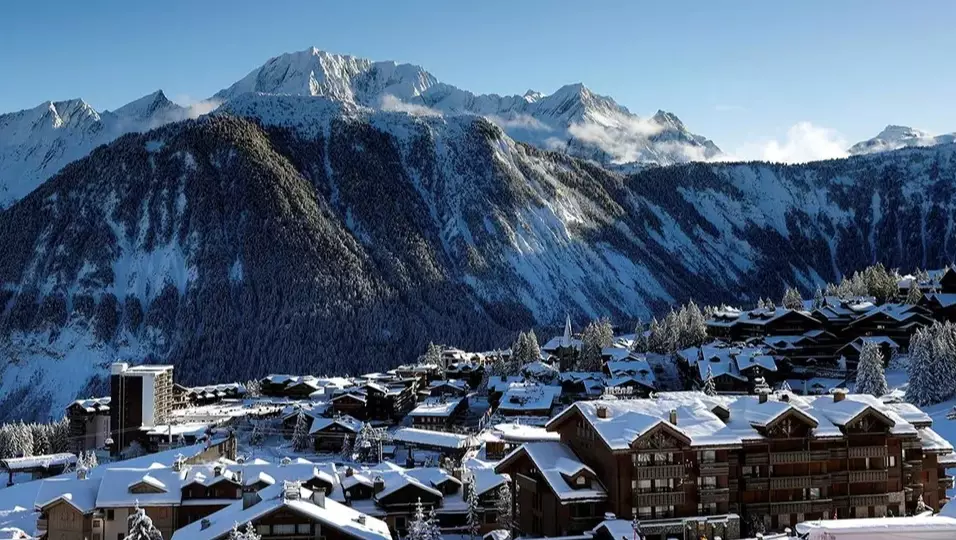 As a skier, what can I actually do to support sustainable ski resorts?
Your choices before and during the trip matter more than you think. First, choose a resort with a strong sustainability track record and book directly or through eco-conscious operators. Get there by train instead of flying or driving solo—many Alpine resorts offer great train-and-ski packages. On the mountain, stick to marked trails to protect fragile off-piste ecosystems. Use the resort's recycling system diligently. Finally, support local businesses in the village—their economic health is part of the resort's long-term sustainability. Your apres-ski beer at the local pub does more good than at the international hotel chain.
Are sustainable ski resorts more expensive?
Not necessarily. The lift ticket price is often comparable. The investment in efficiency can even lower long-term operational costs. Where you might see a difference is in accommodation—a newer, energy-efficient lodge might cost more than an old, drafty one. However, you can offset costs by traveling in a group, using public transport discounts (which are often cheaper than parking and fuel), or choosing smaller, community-focused resorts that pour revenue back into local projects. View it as value: your money is supporting a future where skiing still exists. Isn't that worth a few extra euros?