Quick Ski Guide
- Why Bother with Dryland Training? (The "Pre-Hab" Argument)
- The Four Pillars of a Rock-Solid Ski Fitness Plan
- The 6-Week Preseason Ski Fitness Blueprint
- Gear That Helps (And What's a Waste of Money)
- Answering Your Burning Questions (The FAQ)
- The Mental Game: Visualizing Success
- Listen to Your Body (The Non-Negotiable Rule)
Let's be honest. That first ski day of the season can be brutal. Your legs feel like jelly by lunch, your balance is off, and you're wondering why you spent all that money on a lift ticket just to struggle. I've been there. I used to think the only way to get better at skiing was to ski more. But time, money, and geography often have other plans. That's where the magic of ski exercises at home comes in.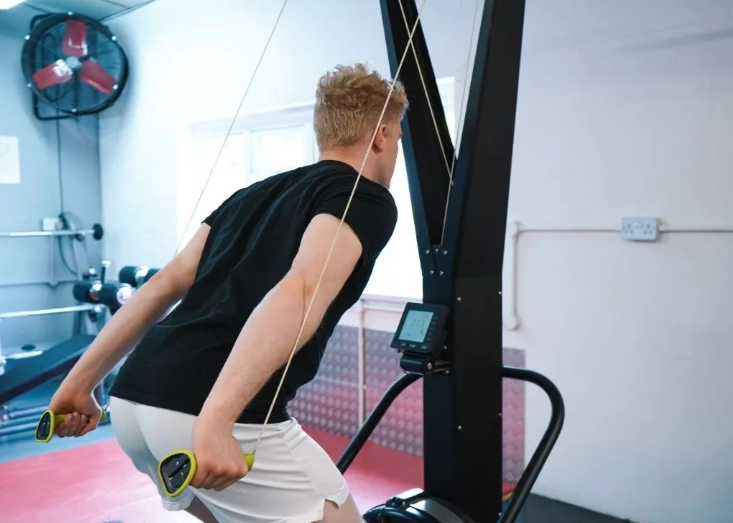
It's not about turning your apartment into a high-altitude training facility. It's about smart, targeted work that prepares your body for the unique demands of carving turns. The goal? To make your first run feel like your tenth, and to ski all day without that deep, burning fatigue in your quads. This guide is everything I wish I'd known ten years ago, packed with routines you can actually stick to, and minus the fitness influencer jargon.
Why Bother with Dryland Training? (The "Pre-Hab" Argument)
You could just show up and hope for the best. Many do. But the difference between that approach and a dedicated 6-8 week preseason routine is night and day. It's not just about performance; it's about injury prevention. The American Orthopaedic Society for Sports Medicine notes that a significant number of skiing injuries are related to fatigue and inadequate conditioning. Strong, stable muscles and joints are resilient muscles and joints.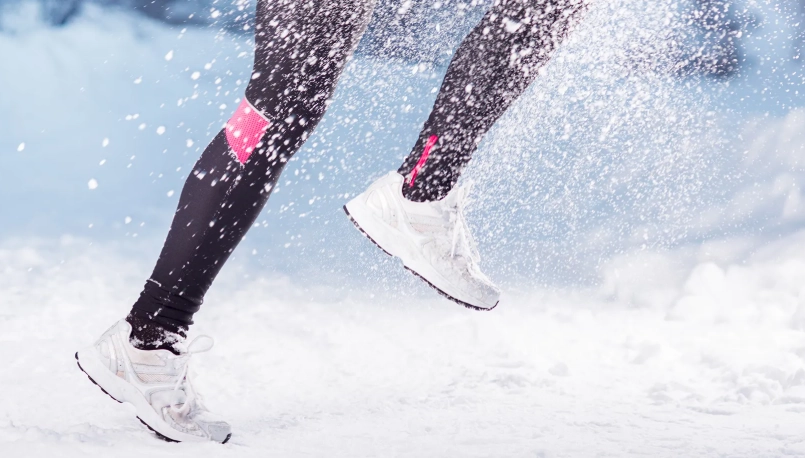
Think of it as pre-hab, not rehab. A few weeks of consistent ski fitness at home builds the muscular endurance to keep your form intact when you're tired on that last run of the day. It trains your stabilizers—those little muscles around your knees and hips—to handle unexpected bumps. It simply makes skiing more fun and less of a painful workout.
The Four Pillars of a Rock-Solid Ski Fitness Plan
Any good program for ski exercises at home needs to address these four areas. Miss one, and you're leaving performance (and safety) on the table.
Pillar 1: Leg Blasters (Strength & Endurance)
This is what everyone thinks of first: the quads. And they're right, but it's deeper than just thigh muscles. Skiing requires immense eccentric strength—the strength to lower your body with control. It's what keeps you from collapsing in the moguls. The classic bodyweight staples are your best friends here.
- Wall Sits: The ultimate isometric burn. Teaches your legs to endure. Aim for time, not just a quick hold. Start with 30 seconds and build.
- Lunges (All Directions): Forward, reverse, lateral. Skiing isn't a straight-line sport. Lateral lunges are criminally underrated for building the inner and outer thigh strength for powerful turns.
- Pistol Squats (or Assisted Versions): The king of single-leg stability. If you can't do one yet, hold onto a door frame or use a chair behind you. This directly translates to balancing on one ski during a turn.
- Jump Squats: For developing the explosive power you need for quick turns and absorbing terrain.
My personal nemesis? Bulgarian split squats. They hurt so good. You feel it in places regular squats never touch. A must-add for serious ski exercises at home.
Pillar 2: The Unshakeable Core (Balance & Stability)
If your legs are the engine, your core is the chassis and steering system. A weak core means your upper body flails, your skis chatter, and you waste energy. We're not talking about six-pack abs; we're talking about the deep stabilizers—the transverse abdominis and obliques.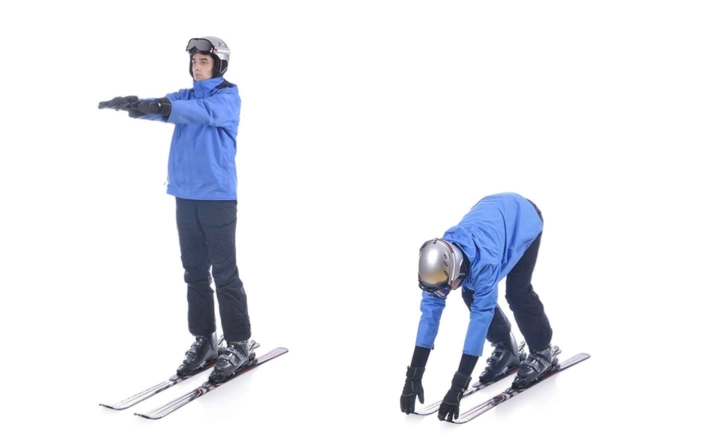
- Planks & Side Planks: The foundation. A solid 60-second side plank tells you a lot about your stability for edging.
- Dead Bugs: Sounds silly, works wonders. It trains your core to stay braced while your limbs move independently—exactly what happens when you pole plant and turn.
- Bird-Dogs: Another contralateral pattern goldmine. Improves coordination and spinal stability.
- Pallof Press (with a resistance band): The best anti-rotation exercise out there. It forces your core to fight being twisted by the band, building incredible stability for maintaining a quiet upper body.
Pillar 3: Ankle Mobility & Calf Strength (Your Edge Connection)
This is the most overlooked piece of the puzzle. Your ankle is the direct interface between your body and your ski. Stiff ankles limit your forward flex and ability to drive your shins into the boot tongue, which kills your edging control. Meanwhile, strong calves help you manage pressure along the length of the ski.
Simple daily ankle circles and calf raises (both straight and bent knee) make a world of difference. For a deeper dive, the U.S. Ski & Snowboard Association often highlights ankle mobility as a key physical characteristic for developing athletes.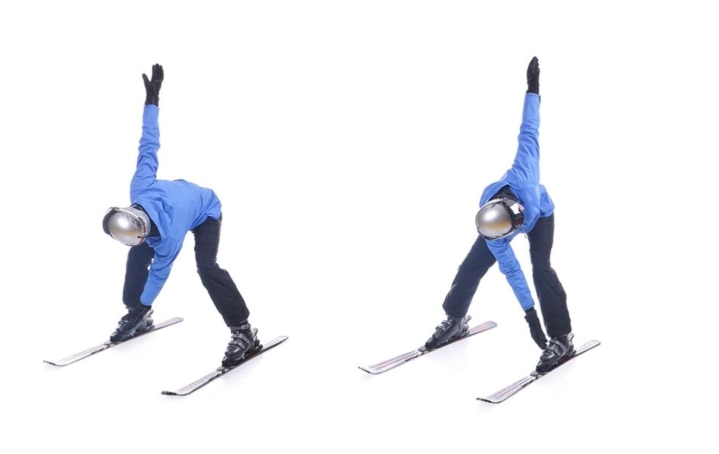
Pillar 4: Cardio That Doesn't Suck (High-Altitude Engine)
You need a gas tank that lasts. But jogging on flat ground only gets you so far. Skiing is about bursts of high intensity followed by brief recovery (the lift ride). Your cardio should mimic that.
- Interval Training: 30 seconds of max effort (jump rope, high knees, burpees) followed by 90 seconds of rest. Repeat 8-10 times.
- Stair Running: If you have access to stairs, use them! It's the most ski-specific cardio you can get without snow, building both power and lung capacity.
- Cycling or Incline Walking: Great for building general leg endurance with low impact.
The 6-Week Preseason Ski Fitness Blueprint
Okay, theory is great. Here's what to actually *do*. This is a sample 3-day-per-week plan you can follow. Feel free to swap exercises from the same pillar if you get bored.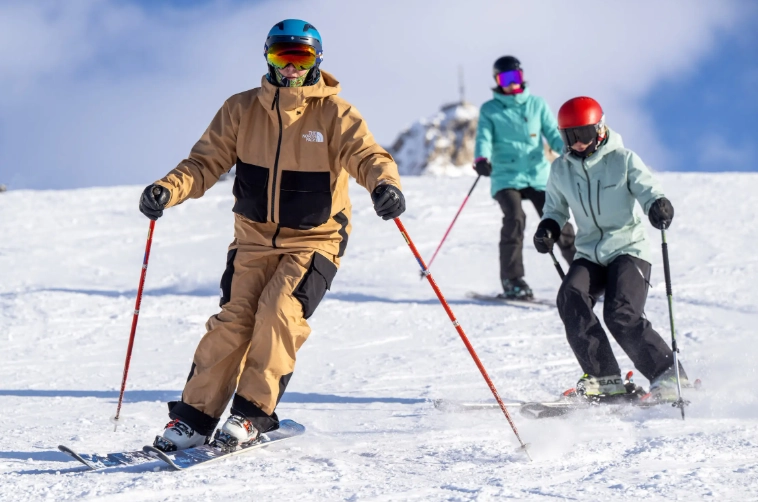
| Week | Focus | Sample Leg Day | Core & Cardio Day |
|---|---|---|---|
| Weeks 1-2 | Foundation & Technique | Bodyweight Squats (3x15), Reverse Lunges (3x10/side), Wall Sit (3x45s), Calf Raises (3x20) | Plank (3x30s), Dead Bug (3x10/side), 20-min brisk walk or cycle |
| Weeks 3-4 | Strength Building | Jump Squats (3x10), Bulgarian Split Squats (3x8/side), Lateral Lunges (3x10/side), Single-Leg Calf Raises (3x15/side) | Side Plank (3x45s/side), Bird-Dog (3x12/side), 25-min interval session (30s on/90s off x 8) |
| Weeks 5-6 | Power & Endurance | Pistol Squat Progression (3x5/side), Lunge Jumps (3x8/side), Wall Sit with Calf Raise (3x60s), 10-min stair repeats | Pallof Press (3x12/side), Dead Bug with Resistance Band (3x15/side), 30-min mixed cardio (stairs, jump rope, burpees) |
Remember, consistency beats intensity. Three 45-minute sessions per week for six weeks will do infinitely more than one crazy 3-hour session that leaves you unable to walk.
Gear That Helps (And What's a Waste of Money)
You can do a ton with zero equipment. But a few inexpensive tools can add variety and resistance.
- Resistance Bands: My top recommendation. Cheap, versatile, and perfect for adding tension to lunges, simulating turn resistance with Pallof presses, and doing banded walks for hip strength. A set of varying tensions costs less than a resort lunch.
- Sliders or Furniture Sliders: Amazing for hamstring curls, mountain climbers, and lunges that challenge stability. If you have hardwood or tile floors, a couple of hand towels work in a pinch.
- A Sturdy Chair or Bench: For step-ups, Bulgarian split squats, and box jumps (if it's very sturdy).
- A Yoga Mat: For comfort during floor work.
Answering Your Burning Questions (The FAQ)
I get these questions all the time from friends starting their ski exercises at home journey.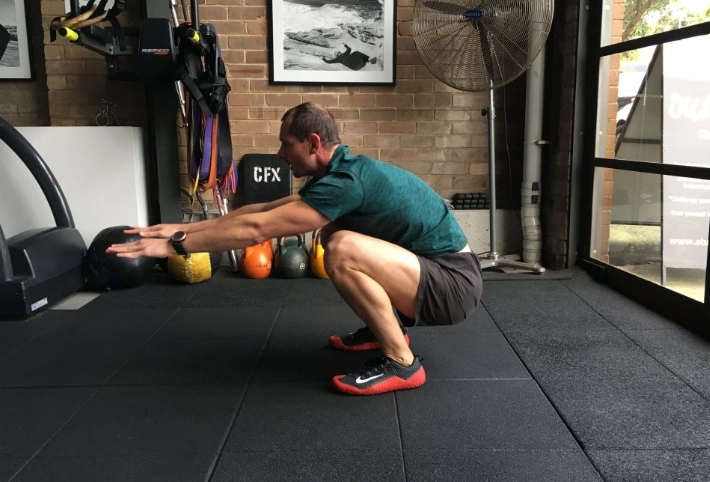
How soon before my trip should I start?
Ideally, 6-8 weeks. Even 4 weeks of consistent work will make a noticeable difference. Starting tomorrow is better than starting "someday."
I hate working out. How do I stay motivated?
Pair it with something you love. Do your routine while watching a ski movie, a tournament, or your favorite show. Create a killer playlist. Track your progress—nothing motivates like seeing your wall sit time increase from 30 to 90 seconds.
Can I just use a general fitness app?
You can, but be selective. General HIIT or strength workouts are good for overall fitness, but they might miss the specific lateral movements, eccentric focus, and balance work that skiing demands. Use them for cardio days, but tailor your strength days to the pillars above.
What's the single most important ski exercise at home?
If I had to pick one for a beginner, it's the lateral lunge. It directly builds the strength you use to push your skis out into a turn. For intermediates/advanced, the single-leg squat progression (pistol squat) is a game-changer for on-snow stability.
How do I know if I'm doing enough?
You should feel muscle fatigue, not joint pain. The last few reps of a set should be challenging. The next day, you might feel muscle soreness (DOMS), but you shouldn't be debilitated. If you are, you went too hard—scale back the volume next time.
The Mental Game: Visualizing Success
This sounds fluffy, but it works. When you're holding that wall sit, don't just stare at the wall. Close your eyes and visualize your favorite run. Feel the rhythm of linked turns. Imagine your strong, stable stance. This mind-muscle, mind-mountain connection builds neural pathways. Publications like Outside often feature elite athletes who use visualization as a key part of dryland training.
Listen to Your Body (The Non-Negotiable Rule)
Pushing through sharp knee pain during a lunge is stupid, not brave. Ski exercises at home are meant to build you up for the season, not break you down before it. If something hurts (bad pain, not good burn), stop. Modify the exercise, reduce the range of motion, or skip it and find an alternative. Consistency over six weeks requires smart pacing, not heroics in a single session.
The payoff is immense. That first day, when you click into your skis feeling strong, balanced, and ready, you'll realize every minute spent on those ski exercises at home was worth it. You'll ski better, safer, and with more joy. And isn't that the whole point?
Now, go do some lunges. Your future self, cruising down the mountain with energy to spare, will thank you.