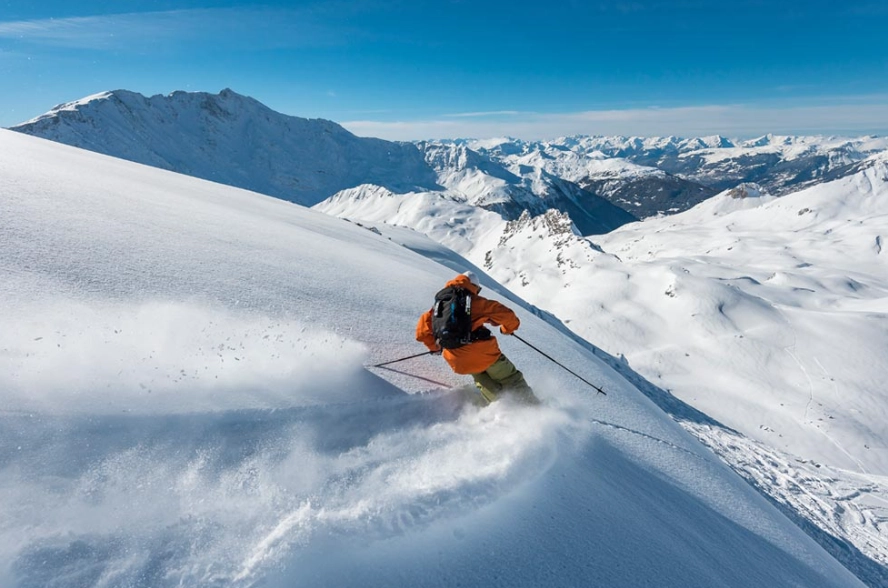
Let's clear something up right away. A ski resort job isn't just a ticket to free skiing—though that's a massive perk. It's a unique lifestyle choice, a crash course in mountain communities, and a test of your stamina. I spent three winters working at resorts in Colorado and British Columbia, and what I learned wasn't just how to parallel ski. I learned how to manage a chaotic rental shop, live with six roommates, and thrive in a transient, high-energy environment.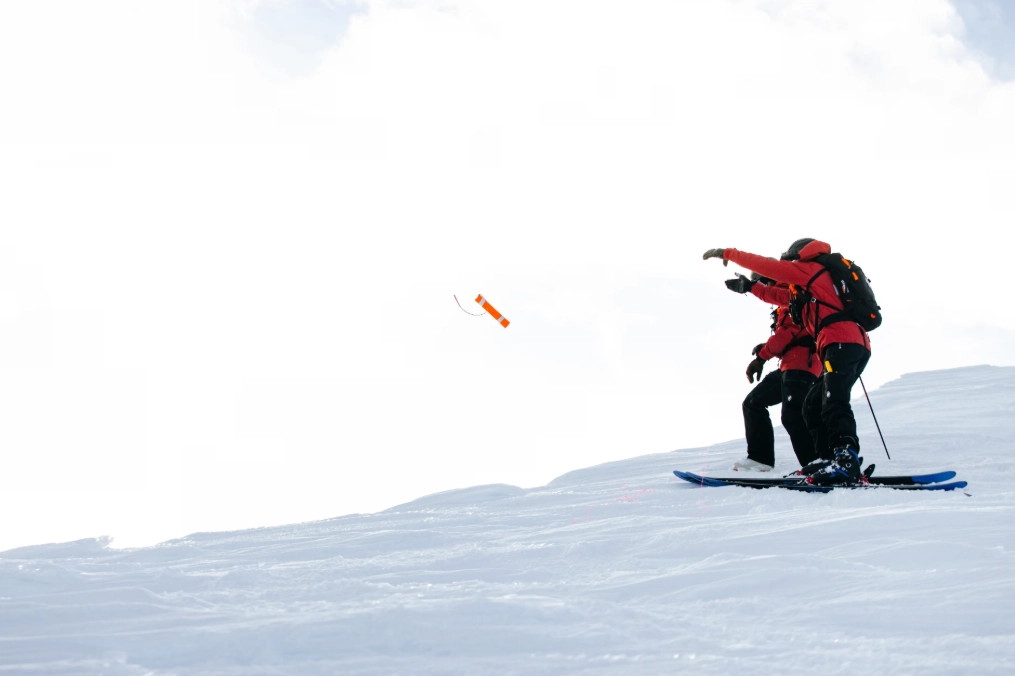
If you're picturing endless powder days and apres-ski parties, you're not wrong, but you're only seeing half the picture.
What's Inside This Guide?
The Real Spectrum of Ski Resort Jobs
Resorts are small cities that need to function in harsh conditions. The job board reflects that. Forget the cliché of the ski bum instructor; the ecosystem is vast.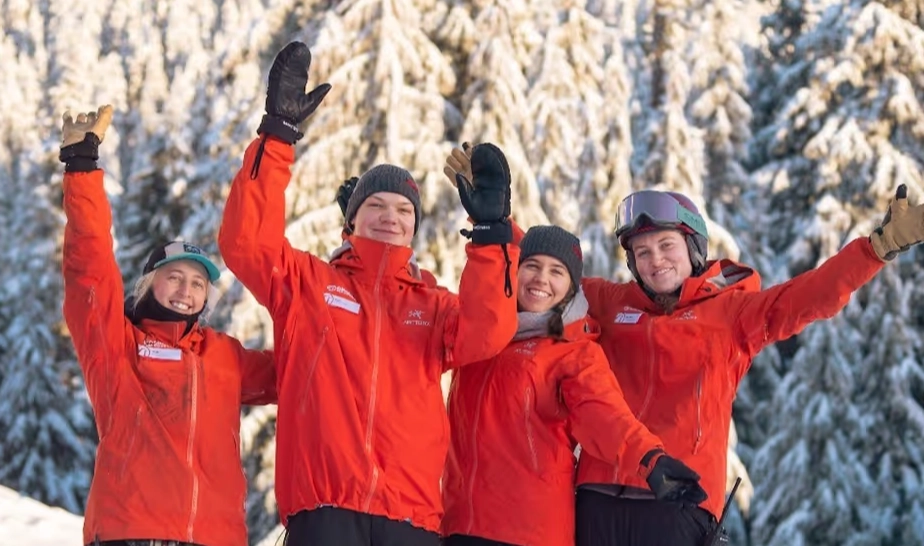
On the Snow & Close to the Action
These jobs get you outside, but often in all weather.
Lift Operator: The backbone of the mountain. You'll be loading chairs, managing lines, and dealing with the public in freezing wind. It's shift work, often early mornings, but you're right there.
Ski/Snowboard Instructor: Requires certification (like PSIA/AASI in the U.S.), which costs money and time. The pay is often low for beginners, but tips and the joy of teaching can make it worthwhile.
Mountain Safety/Patrol: This is a career path, not a first-season gig. Requires advanced medical training (often EMT), avalanche certification, and expert skiing ability.
Rental Technician: A great foot-in-the-door job. You'll learn about gear, help guests, and usually get a decent discount. It's indoors but can be frantic during peak times.
Keeping the Resort Running
The engine room. Without these roles, the place shuts down.
Food & Beverage: Everything from cafeteria line cooks to fine dining servers and baristas. These are often the highest earning potential due to tips. Expect long hours on holidays.
Lodging & Front Desk: Hotels, condos, and reservation offices need staff. More regular hours, customer-facing, and a warmer work environment.
Retail: Working in resort-owned gear shops or branded outlets. Discounts on apparel are a huge plus here.
Kids' Camp/Childcare: Big responsibility, often requiring background checks and specific clearances. Rewarding if you like children.
Maintenance & Grooming: Night crews are essential. Groomer operators need experience, but entry-level roles in building maintenance or snow removal (shoveling!) are common.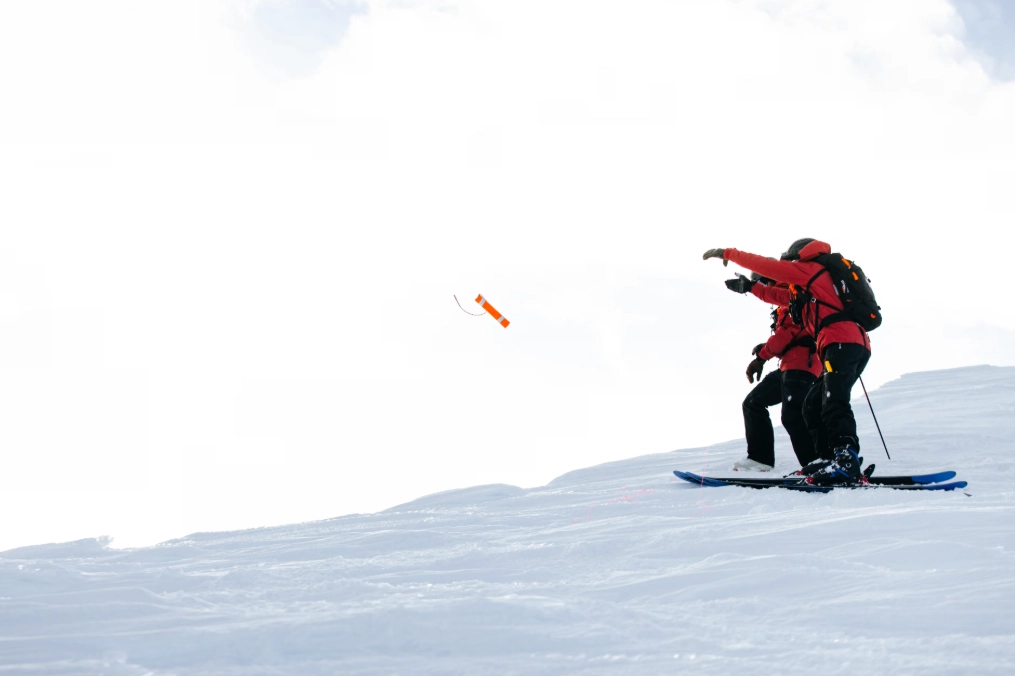
A quick note on competition: The "glamorous" jobs (instructor, patrol) are competitive. The jobs that are always hiring are in food service, housekeeping, and lift operations. If your primary goal is to be on the mountain, apply broadly and be open-minded.
How to Actually Get Hired: A Step-by-Step Plan
Timing is everything. The biggest mistake is thinking you can roll into town in December and find work.
1. The Timeline (Start Yesterday)
Most major North American resorts (Vail Resorts, Alterra Mountain Company) open applications for the winter season in August or September. Hiring camps and interviews happen in October and November. They want their teams locked in before the first snow flies. European resorts may follow a slightly later schedule, but the principle is the same: early bird gets the job.
I watched a friend miss out on a perfect rental shop job in Whistler because she applied in mid-November. They'd filled the role six weeks prior.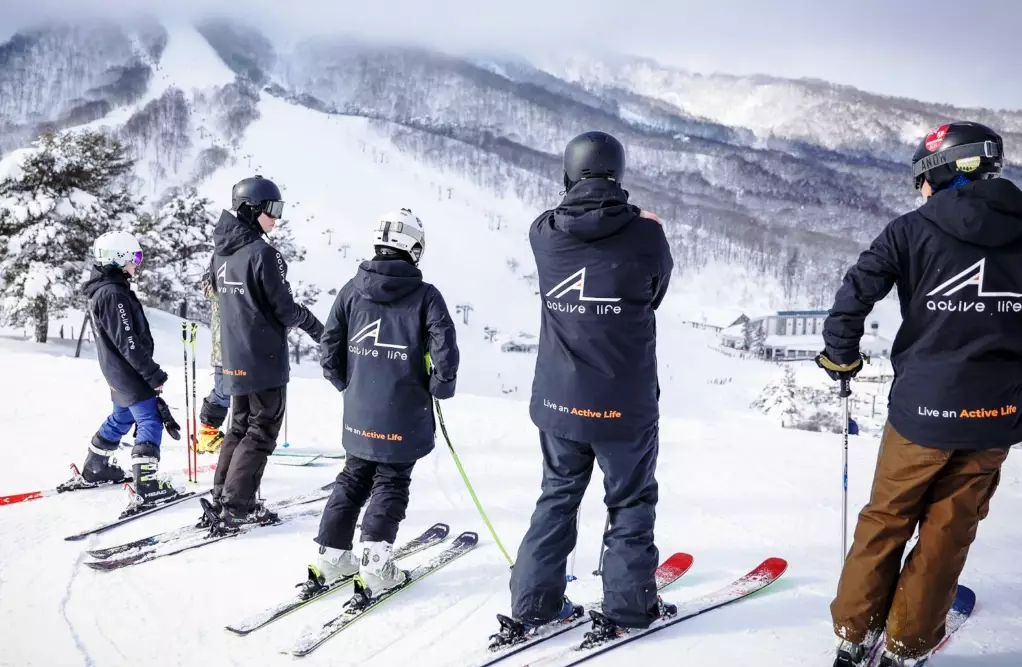
2. Where to Look & Apply
Go direct first. The corporate career sites of big resort groups are the most reliable.
- Vail Resorts Careers
- Alterra Mountain Company Careers
- Individual resort websites (especially for independent mountains)
For smaller resorts or more niche roles, check:
- Cool Works: A legendary site for seasonal and outdoor jobs.
- Local job boards in mountain towns.
3. The Application & Interview Mindset
Your resume should scream reliable, energetic, and customer-focused. Even if your experience is in an unrelated field, highlight soft skills.
In the interview, they're not just assessing your skills. They're assessing if you'll be a good fit for tight-knit, staff housing. Can you handle the isolation? The weather? The intensity of a holiday week?
Ask specific questions: "Can you describe a typical shift for this role?" "What does employee housing look like?" "Is there a probation period for the ski pass benefit?"
The Life Behind the Scenes: Housing, Pay & Social Scene
This is the make-or-break stuff that job descriptions gloss over.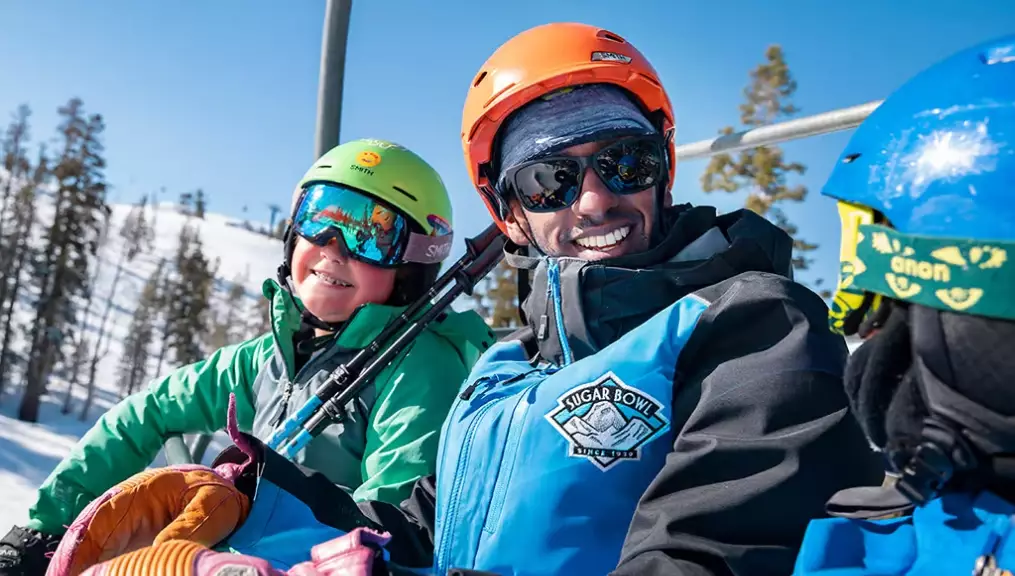
The Housing Crunch
This is the single biggest challenge in most ski towns. Affordable housing is scarce.
| Option | Pros | Cons | Reality Check |
|---|---|---|---|
| Company Housing | Guaranteed, often close to work, easy to meet people. | Can be dorm-style, rules (no pets, guests), may take rent from paycheck. | Apply for housing THE DAY you accept a job offer. Spots vanish. |
| Finding Your Own | More freedom, choice of roommates. | Extremely expensive & competitive. Requires a security deposit & possibly a car. | Join local Facebook groups early (e.g., "Big Sky Housing"). Be ready to commit sight-unseen. |
| Commuting | Live in a cheaper nearby town. | Requires a reliable vehicle. Mountain roads in winter are no joke. | Factor in gas, wear-and-tear, and the risk of getting snowed in. |
Money: Can You Actually Make It?
You won't get rich. Base pay often hovers around the state/provincial minimum wage. The financial equation looks different here.
Income: Hourly wage + Tips (for F&B roles) + Potential seasonal bonus.
Major Perk: Free or heavily discounted season ski pass (value: $1,000 - $2,500).
Other Perks: Discounts on food, gear, lessons, and sometimes friends/family tickets.
Your strategy is to minimize expenses. Cook at home. Share a room. Use your discounts. The trade-off is the lifestyle, not the salary.
The Social Fabric
You'll bond quickly with coworkers. Everyone is new, excited, and there for the same reason. The social life is intense—lots of house parties, potlucks, and dawn patrol ski missions. It can feel like college, but with more responsibility and better scenery. You'll also meet people from all over the world.
The Unvarnished Truth: Pros, Cons & Who It's Really For
Let's be brutally honest.
The Good:
- Access: A season pass is golden. Mid-week laps, fresh tracks, it's why you're there.
- Community: Instant friends who share your passion.
- Location: You live in a postcard.
- Simplicity: Life revolves around work, skiing, and basic necessities. It's freeing.
The Tough:
- Physical & Mental Burnout: The work can be hard, the hours long, and dealing with frustrated tourists in bad weather is draining.
- Seasonal Instability: The job ends in April. You need a plan for the "shoulder season."
- Cost of Living: Even with discounts, groceries and basics are pricey in remote towns.
- It Can Be Isolating: Far from family, poor cell service, relentless winter—it gets to some people.
It's for the adaptable, the resilient, and those who value experience over possessions. It's not an extended vacation; it's a demanding, rewarding, and unforgettable chapter.
Your Burning Questions, Answered
 Do ski resorts provide housing for their seasonal employees?