You’ve got the gear, the pass, and the stoke. But have you got the manners? Ski resort etiquette isn't about stuffy formalities; it's the shared language of safety, respect, and efficiency that makes a crowded mountain work. It's what keeps you from being "that person" in the lift line and prevents a perfect bluebird day from turning into a stressful obstacle course. Forget the vague lists. Let's talk about the real, often overlooked details that separate considerate skiers and riders from the herd.
What You’ll Learn in This Guide
The Unwritten Rules of the Lift Line
This is where tensions run highest. A chaotic lift line is a recipe for frustration and wasted time. The official Skier Responsibility Code, endorsed by organizations like the International Ski Instructors Association (ISIA), states you must "observe and obey all posted signs and warnings" and "keep off closed trails," but the lift maze is where interpretation happens.
First, single riders are your secret weapon, not a social slight. If you're in a group of three heading to a quad chair, actively look for a single rider to fill the empty seat. It speeds up the line for everyone. Don't just stand there waiting for a mythical fourth friend to appear.
Here’s a specific mistake I see weekly: people not being ready when it’s their turn. You have the entire ride up and the shuffle through the maze to get your pass out, stash your phone, and adjust your poles. When you reach the loading area, your gloves should be on, your pass visible, and your poles in one hand. Fumbling at the gate while the chair swings around is a surefire way to earn dirty looks from the lifties and everyone behind you.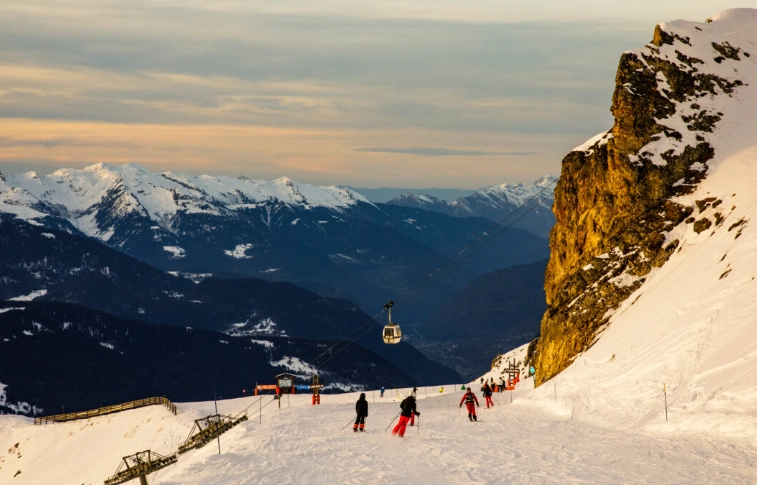
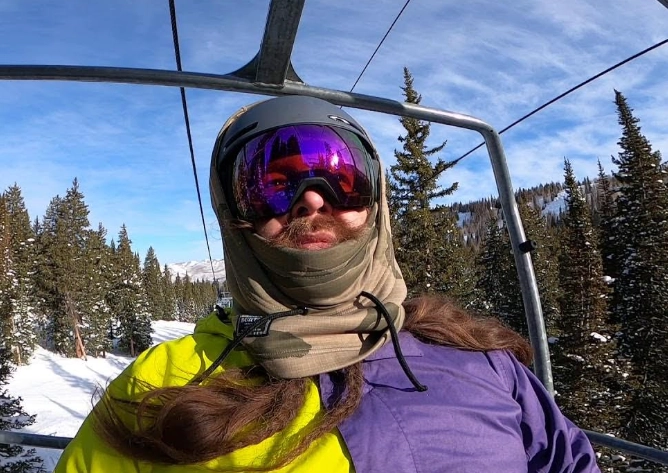
On the Chairlift Itself
Keep the bar down unless everyone explicitly agrees. It's a safety device, not an opinion poll. If you need to raise it, a simple "Bar up?" suffices. And for the love of snow, don't swing or bounce the chair. The person next to you might have a fear of heights, and it's just plain unnerving.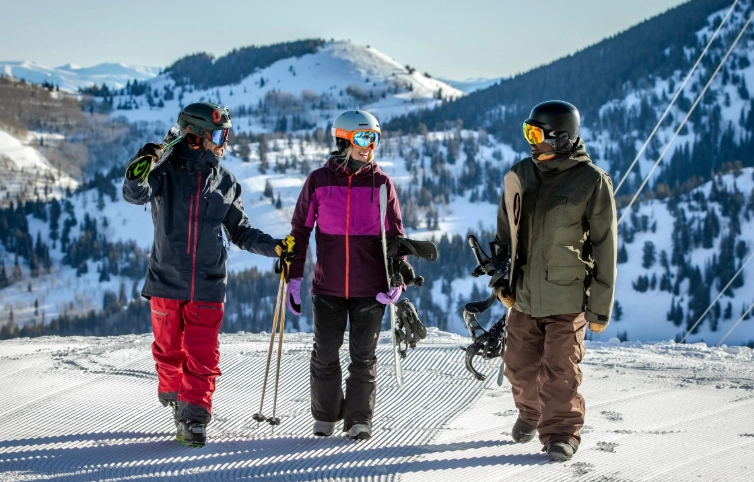
Conversation is fine, but keep the speakerphone calls and blaring music for the lodge. You're sharing a small, quiet space for several minutes. Respect it.
On-Slope Safety & The Real Meaning of "Right of Way"
The downhill skier has the right of way. Everyone knows that. But knowing it and applying it are different. This rule exists because the person below you can't see you. They're navigating their own line, and you, from above, have the full field of vision and responsibility to avoid them.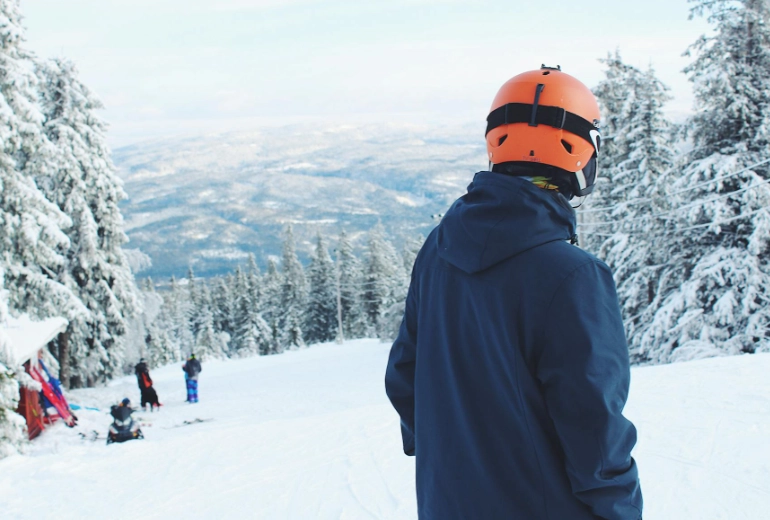
The subtle error? People think "avoid" means "don't hit." It's more than that. It means don't force them to change their line suddenly. Don't ski so close behind that your shadow spooks them. If you're coming up fast from behind or merging onto a trail, a loud, clear "On your left!" or "On your right!" is not just polite; it's critical. Assume they can't hear you until you're very close, so project your voice.
Stopping on the slope is another major pain point. Never stop where you are invisible from above, like just below a roll or in the middle of a narrow trail. Move to the side. If you fall in a high-traffic area, get yourself and your equipment to the side as quickly as you safely can. The middle of a run is not a picnic spot.
The Merge is the Mess
Trail mergers are the roundabouts of the ski world. The general rule is that merging traffic should yield, similar to a highway on-ramp. But in practice, it's a blend. The skier on the main trail has a reasonable expectation of maintaining their line, but they also shouldn't blindly plow through a merge point. If you're merging, look uphill, time your entry, and make it smooth. A frantic, last-second dart into traffic helps no one.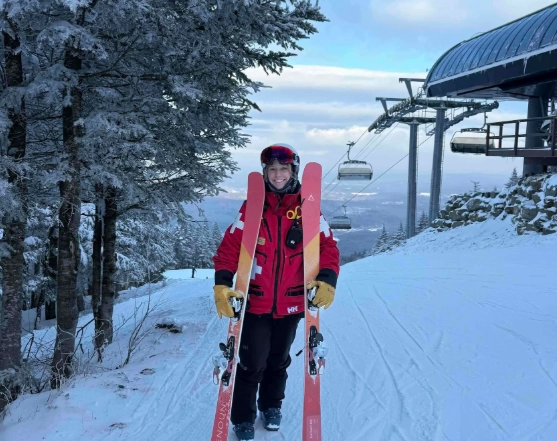
And a personal pet peeve: skiing or riding straight down the fall line under a chairlift to "show off." You're not impressing anyone. You're often going too fast for the terrain immediately around the lift, and you're putting yourself at risk if you catch an edge where the snow is scraped off from hundreds of skiers above. It's also poor form—nobody on the lift wants to watch a potential yard sale.
Post-Ski Courtesy: The Base Area & Beyond
Etiquette doesn't end when you click out of your bindings. The base area is a chaotic mix of tired legs, heavy equipment, and people trying to navigate.
- Gear Dumping: Don't leave your skis or board lying flat on the snow in high-traffic walking areas. Stand them up in a rack or against a wall where they won't become a trip hazard. I've seen more than one person take a nasty spill over a carelessly laid-down snowboard.
- Boot Walkers: Walk carefully in ski boots. They're clumsy, and stomping around can easily catch someone's ski or trip a small child. Take smaller, more deliberate steps.
- Lodge Logistics: The lodge is a shared respite. Don't spread your gear over multiple chairs at peak lunchtime if you're not using them. Wipe down your table when you leave. If you're just warming up, be mindful of people with trays of food looking for a seat.
Back at the rental shop or your car, be organized. Have your stuff together so you're not blocking the doorway or the aisle for ten minutes while you repack your bag. A little spatial awareness goes a long way.
Your Top Etiquette Dilemmas Solved
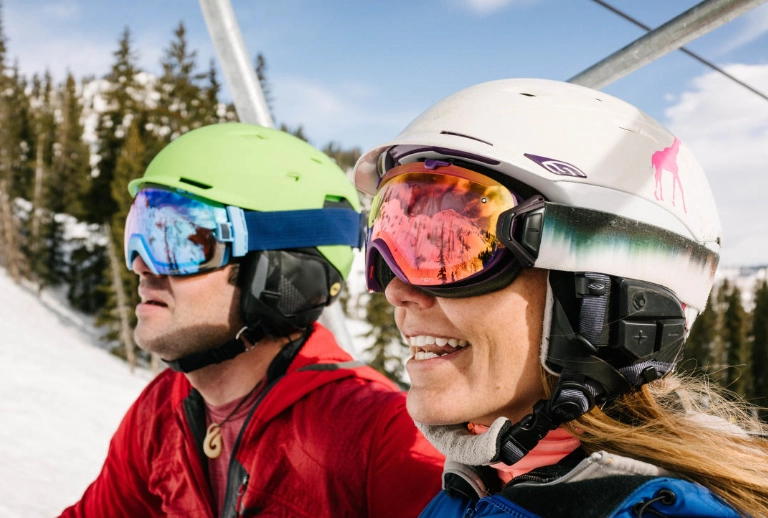
At its heart, good ski resort etiquette is about thinking beyond yourself. It's recognizing that you're part of a temporary, moving community where everyone shares the same goal: to have a great day on the mountain and go home in one piece. It's not a rigid rulebook but a framework of mutual respect. Pay attention, communicate, and give people space. Do that, and you'll not only be a better mountain citizen—you'll probably find your own day is less stressful and more enjoyable too.