You're staring down a ski trip planning spreadsheet. Flights? Booked. Lodging? Sorted. Rental gear? Reserved. Then you hit the last line: ski lessons. The price gives you pause. "I'm coordinated," you think. "How hard can it be? I'll watch a few YouTube videos and figure it out."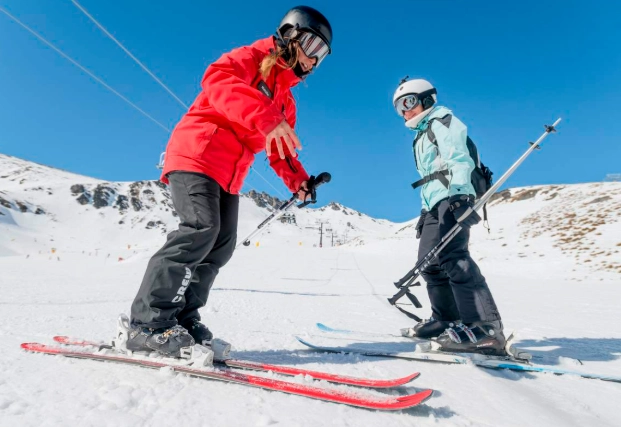
Here's the blunt truth most blogs won't tell you: for 95% of first-timers, trying to teach yourself to ski is a gamble where the house always wins. The stakes aren't just a bruised ego; they're sprained knees, shattered confidence, and a ruined vacation.
I learned this the hard way, years ago, convinced I could mimic my friends. I spent a whole day on a nursery slope, terrified and exhausted, doing a frantic sidestep up a tiny hill just to slide down uncontrollably. My thighs burned for a week. I almost quit. The next day, I swallowed my pride and booked a lesson. In two hours, I was riding the chairlift and making gentle turns. The difference wasn't just skill; it was understanding why the skis work.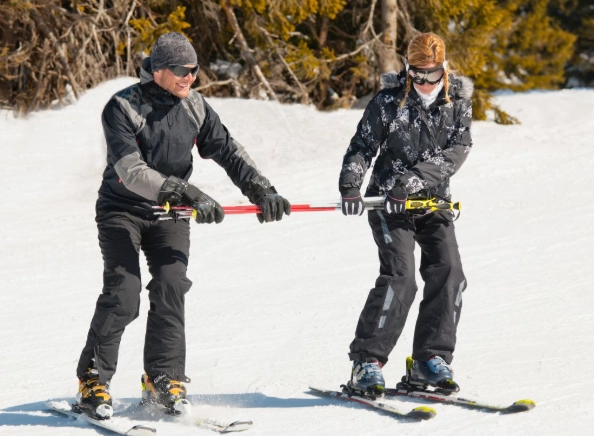
What's Inside?
The Self-Taught Skiing Reality Check
The idea is seductive. It promises freedom, savings, and a badge of self-reliance. The internet is full of "learn to ski in 10 minutes" tutorials. Let's unpack what that journey really looks like.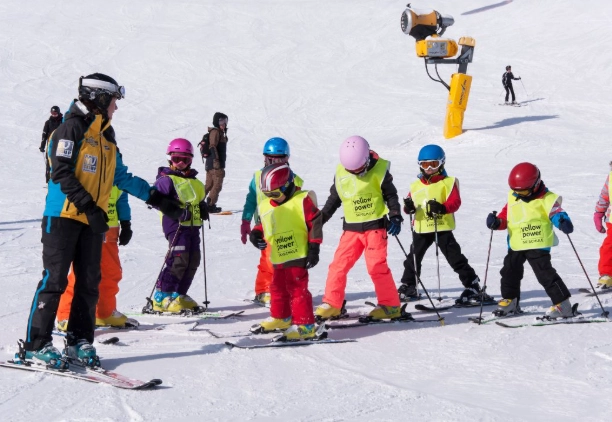
The Allure (and The Trap)
It starts with cost. A group lesson at a major resort like Vail or Whistler can run $150-$200 for a day. A private lesson doubles or triples that. Skiing is already expensive, so cutting this feels like a smart win.
Then there's the fear of looking foolish in a class of kids or being the slowest in an adult group. Learning alone or from a patient friend seems less intimidating.
The Hidden Costs No One Talks About
This is where the math falls apart. The real cost of self-teaching isn't $0; it's just paid in a different, often steeper, currency.
- Time Debt: Progress is glacial. What an instructor explains and demonstrates in 5 minutes might take you 2 hours of trial and terror to stumble upon. Your valuable slope time evaporates.
- Safety Debt: Skiing isn't intuitive. The natural reaction to speed—leaning back and stiffening your legs—is the worst thing you can do. Without correction, you're a falling hazard to yourself and others. The National Ski Areas Association (NSAA) promotes the "Your Responsibility Code," which includes staying in control. An instructor ingrains this from minute one.
- Bad Habit Debt: This is the silent killer. You might manage to get down a green run by "wedge christie" or even just skidding sideways. But you've cemented a terrible stance. Unlearning a deeply ingrained bad habit like the "backseat driver" position is infinitely harder than learning the right posture from the start. It will cap your ability to advance to steeper terrain or harder snow.
- Confidence Debt: Repeated failure and fear are exhausting. What starts as excitement can turn into anxiety by lunchtime. Many self-taught beginners call it quits after a day or two, deciding "skiing isn't for them," when the reality is their method wasn't for them.
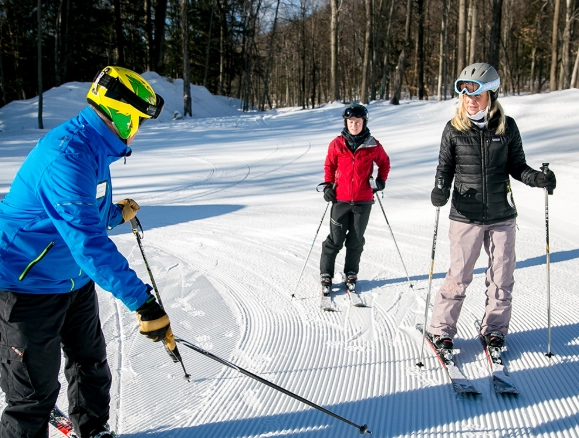
A quick note on learning resources: Platforms like YouTube have excellent content from certified instructors (look for PSIA - Professional Ski Instructors of America - members). These are fantastic for reinforcing a lesson or preparing mentally. But they cannot see you, cannot correct your specific body position, and cannot provide real-time feedback when you're scared on a slope. They are a supplement, not a replacement.
What You Actually Get From Professional Ski Lessons
So what does that $200 buy you? It's not just a guide for the day. It's an accelerated, safety-focused onboarding to a complex sport.
| Factor | Ski Lessons (Professional) | Self Teaching / Learning from a Friend |
|---|---|---|
| Foundation | Structured, proven progression focusing on control and safety first. | Ad-hoc, often focused on just "getting down" the hill. |
| Error Correction | Immediate, expert feedback on posture, balance, and technique. | Delayed or non-existent. Friends often say "you're doing fine" to be nice. |
| Safety Protocol | Formal instruction on using lifts, trail signs, and fall safety. | Learned through near-misses and observation. |
| Efficiency | Rapid skill acquisition. Most can ride lifts & ski greens after 1-2 days. | Slow, frustrating trial and error. Plateauing is common. |
| Long-Term Cost | Higher upfront cost, but leads to faster independence and enjoyment. | Lower upfront cost, but higher risk of injury, quitting, or needing lessons later to fix bad habits. |
The biggest value isn't even on that table. It's confidence. A good instructor manages fear. They break down the mountain into manageable pieces. They give you a series of small, achievable wins that build into real competence. That feeling of controlled turning for the first time is magic, and a structured lesson is the fastest, safest path to it.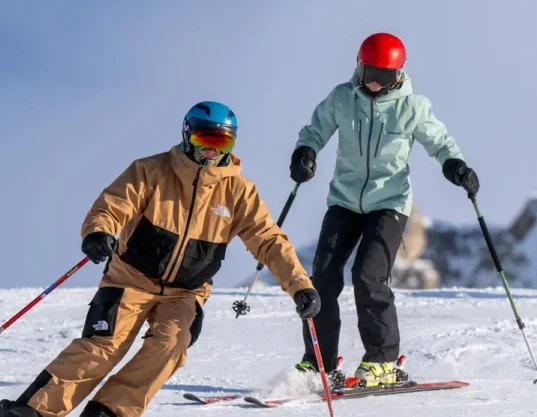
Group vs. Private Lessons: A Practical Take
Group lessons are the standard for a reason. You learn with peers, which is often encouraging. The cost is shared. For most adult beginners, a 2-3 day group lesson package is the sweet spot.
Consider a private lesson if:
- You have a deep fear of heights or speed.
- You're recovering from an injury and need highly tailored guidance.
- Your group has wildly different skill levels and you want focused attention.
Many resorts offer a "first-timer" package that bundles a limited lift ticket, rentals, and a lesson. These are almost always the best financial and logistical deal for day one.
How to Make the Right Choice For You
Okay, so lessons are generally better. But let's be real—context matters. Here's a decision framework.
Choose Professional Lessons If:
- This is your first or second time on skis.
- You feel any apprehension about safety or control.
- You have a multi-day trip and want to maximize enjoyment.
- Your goal is to ski as a long-term hobby.
- You're skiing with family and need to get competent quickly to keep up.
Self-Teaching *Might* Be a Calculated Risk If:
- You have extensive experience in a highly related sport (e.g., ice skating, aggressive inline skating, wakeboarding). The balance and edge control translate.
- You have access to a very gentle, wide, uncrowded slope and a supremely patient, certified friend who is willing to teach, not just guide.
- You are on an extreme budget for a single day and are using the time purely for experimentation, with zero expectations.
Even in these cases, a single half-day lesson to establish fundamentals is a huge investment in safety and progress.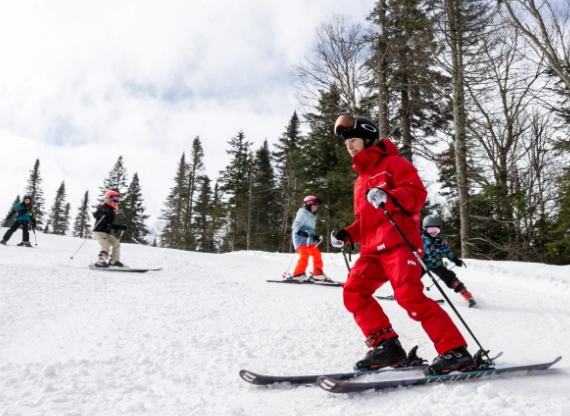
Your Burning Questions, Answered
Maybe, but you'll likely teach yourself to be an "athletic bad skier." The mechanics of modern skiing—flexing ankles forward, using the ski's side-cut to turn, pressuring the front of the boot—are not natural movements. An athletic person might muscle their way down a slope faster, but they'll often do so with poor technique that increases fatigue and injury risk. Strength can mask technical flaws until you hit variable conditions like ice or moguls, where technique is everything.
This is the most common goal. For most people, 2-3 full-day group lessons will get you to a point where you can comfortably join friends on easy green (beginner) trails. You'll be able to control your speed, make linked turns, and use the chairlift confidently. Don't expect to follow them down a blue (intermediate) run yet—that's the next stage. Communicate this with your friends so they plan a day on easier terrain with you.
Always, always book through the official resort ski school for your first lessons. Here's why: 1) Their instructors are certified, vetted, and insured. 2) They have priority access to dedicated beginner teaching areas (magic carpets, gentle slopes), which are often separate from the main lift system. 3) Beginner lesson packages often include a restricted lift ticket that only accesses those beginner areas, which is cheaper and less overwhelming. A random person offering cheap lessons off Craigslist might be a great skier but a terrible teacher with no understanding of pedagogy or resort safety protocols.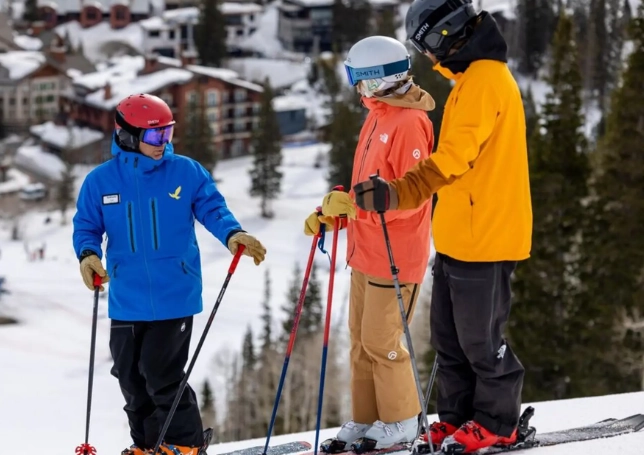
The bottom line is simple.
View ski lessons not as an optional luxury, but as essential safety equipment for your brain and body. They are the fastest route from fear to fun. The memory of a great first day on the slopes, where you felt in control and excited for more, is worth far more than the cost of a lesson. The memory of a terrifying, painful day spent falling and struggling might be the reason you never try again.
Invest in the foundation. The mountain will thank you for it.