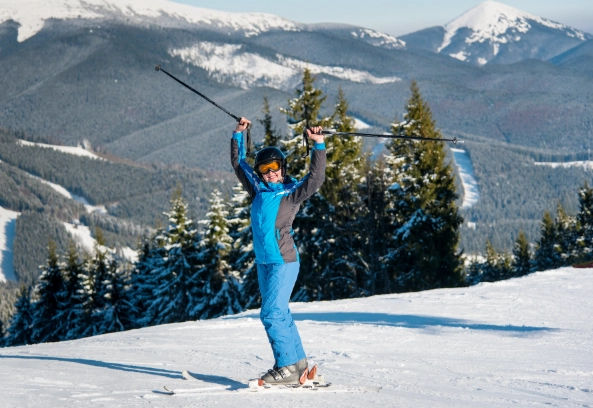
That first trip to the ski hill is a mix of excitement and pure terror. I remember mine—clumsy boots, heavy skis, and a green slope that looked like Mount Everest. I spent more time on my backside than on my feet. But I also remember the moment it clicked, the feeling of gliding, and the addiction that followed. If you're about to have your first time skiing, let's skip the painful parts and get you to the fun faster.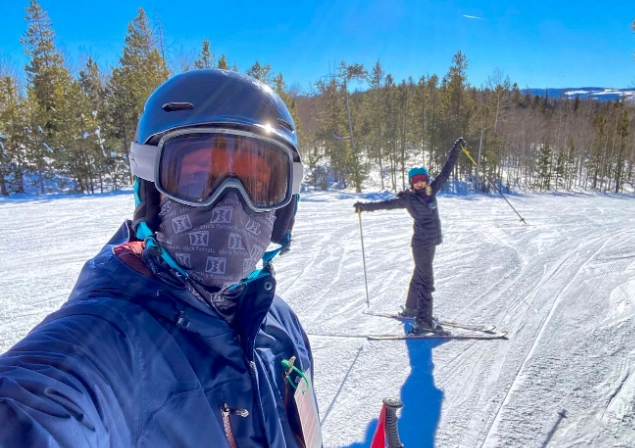
This isn't just a list of tips. It's the advice I wish I'd had, gathered from years of teaching friends and watching common mistakes unfold.
Your Quick Guide to the Slopes
Get Your Head (and Gear) in the Game
Before you even see snow, a little prep goes a long way.
Mindset is Everything
You will fall. Everyone does. The goal isn't to stay upright every second; it's to learn how to fall safely (relax, try to fall sideways, not backwards) and get back up. Embrace being a beginner. The people whizzing down the black diamonds all started exactly where you are.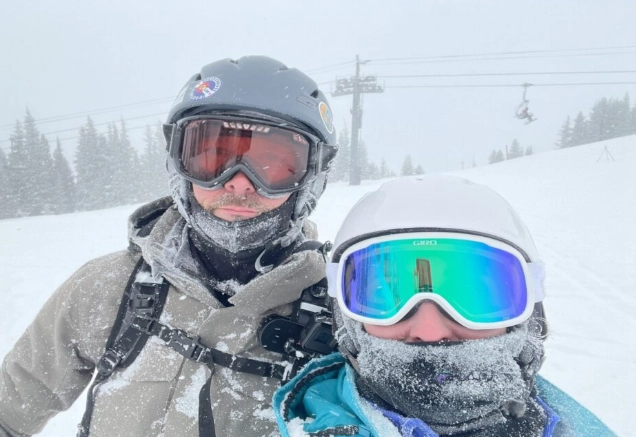
Set a realistic goal for day one: "I will learn how to stop confidently on the beginner slope." That's a huge win.
Clothing: The Layer Cake Strategy
Forget buying a fancy ski suit right away. Use what you have or borrow. The magic is in layers.
- Base Layer: Avoid cotton. It gets wet and stays wet. Use synthetic or wool thermal underwear. A cheap set from an outdoor store works perfectly.
- Mid Layer: A fleece or light puffy jacket for insulation.
- Outer Layer: A waterproof and windproof jacket and pants. This is critical. Snow is wet, and falling means sitting in it.
- Extras: Waterproof gloves or mittens (mittens are often warmer for beginners), a neck gaiter or scarf, and ski socks (again, no cotton).
Renting Equipment: Don't Wing It
Rent everything for your first few trips. A good rental shop is your best friend.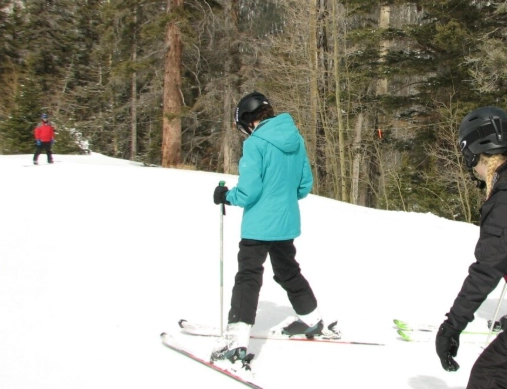
Pro Tip: Rent from a shop in town the night before, not at the resort base in the morning. You'll avoid huge lines, get better service, and have time to adjust. Tell them, "I'm a first-time skier." They'll set you up with the right beginner skis—shorter, softer, and easier to turn.
The boot fitting is the most important part. Boots should be snug but not painfully tight. Your heel should not lift when you flex your knee forward. Spend time here. Uncomfortable boots ruin a day faster than anything.
And rent a helmet. It's non-negotiable. Style points are zero if you're concussed.
Your First Day: From Parking Lot to Practice Slope
Arrive early. I mean, really early. The parking lot fills up, rental lines grow, and you want to be on the snow when you're fresh, not frustrated.
Step 1: The Lesson (Yes, You Need One)
Book a beginner group lesson. Seriously. A friend or partner might be a great skier, but they are almost always a terrible teacher for a complete novice. They'll forget the basics and likely tow you to a slope that's too difficult.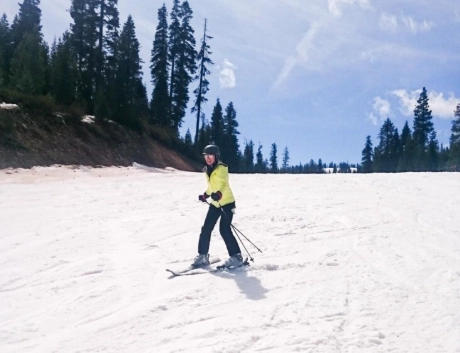
A certified instructor from the ski school knows how to break down movements in a way that makes sense. They'll take you to the perfect gentle slope and give you drills that build confidence. The investment for a 2-3 hour group lesson is worth every penny. Look for packages that include a beginner-area lift ticket, lesson, and rental—they often offer the best value.
Step 2: The Magic Carpet & Beginner Lift
Your lesson will start on the "magic carpet," a conveyor belt that takes you up a tiny slope. Master getting on and off without falling—it's a skill itself! After that, you'll graduate to a beginner chairlift. Listen closely to the instructor's guidance. The key is to look at the seat as it comes, sit down, then pull the safety bar down. When getting off, stand up and ski straight ahead, then clear the unloading area immediately.
It feels awkward the first few times. Everyone wobbles. It's normal.
Learning to Move: The Three Non-Negotiable Skills
Forget parallel turns and carving. Day one is about three fundamentals.
1. The Snowplow (Pizza) is Your Best Friend
This is how you control speed and stop. Point your ski tips together, push your heels out to form a wedge (like a slice of pizza). The wider the wedge, the slower you go. To stop, make the wedge wider and push your heels out more until you come to a halt. Practice this on a gentle slope until it's muscle memory.
2. Turning: Look Where You Want to Go
Here's the subtle mistake almost everyone makes: they look down at their skis. Your body follows your eyes. To turn left, look left and gently press more weight onto your right foot (the outside foot of the turn). Your skis will start to steer. Keep looking where you want to go, not at the tree you're trying to avoid.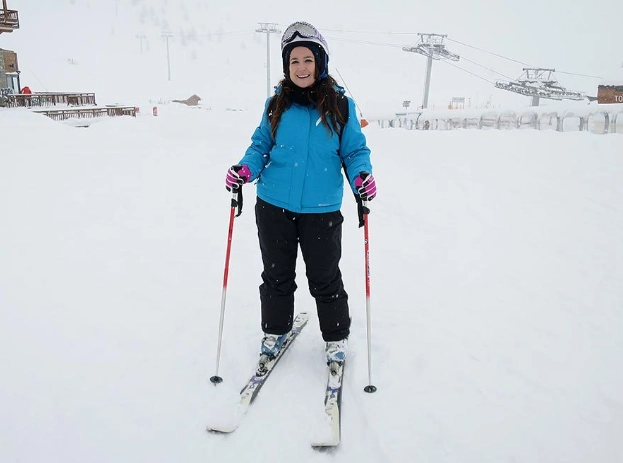
3. The Falling Leaf: A Secret Confidence Builder
This is a fantastic drill most lessons teach. Stand sideways across a gentle slope in your snowplow. Let yourself slide sideways down the hill, then gently steer to slide the other way. You're moving like a falling leaf. It teaches you edge control and how to manage your slide without picking up scary speed. It builds balance and control faster than just going straight down.
Staying Safe, Warm, and Having Fun
Skiing is a blast, but the mountain demands respect.
Know the Code: The National Ski Areas Association has a Responsibility Code. Read it. The big ones: the skier ahead of you has the right of way, and you must always be in control.
Hydrate and Fuel: Cold air and exercise are dehydrating. Drink water constantly. Pack snacks like nuts or energy bars. The cafeteria is expensive and crowded at lunch—eating a snack on the chairlift can save you time and money.
Listen to Your Body: Your legs will burn. That's new muscles working. Take a hot chocolate break before you're totally spent. Most injuries happen when people are tired and try "one last run." Quit while you're ahead.
Sun Protection: The sun reflects off the snow. Wear sunscreen on every exposed patch of skin, and don't forget under your chin and nose. Lip balm with SPF is a must. Goggles are better than sunglasses—they protect from wind and side glare.
First-Time Skier Questions Answered
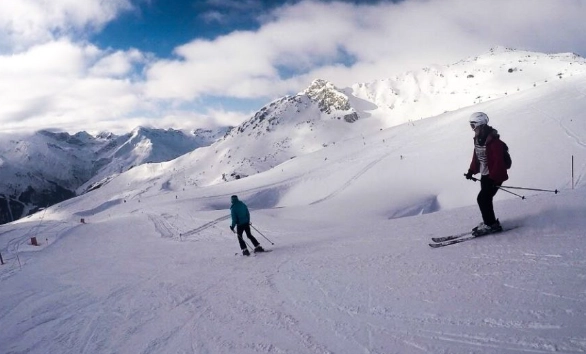
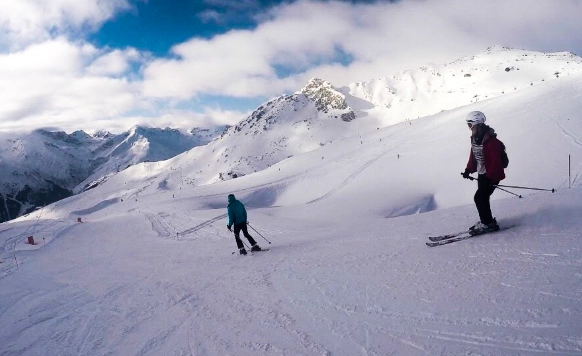
The biggest tip of all? Have fun with it. Laugh when you fall. Celebrate the small victories. That feeling of gliding on snow, the mountain air, the sense of accomplishment after nailing your first turn—that's what it's all about. Welcome to the slopes.