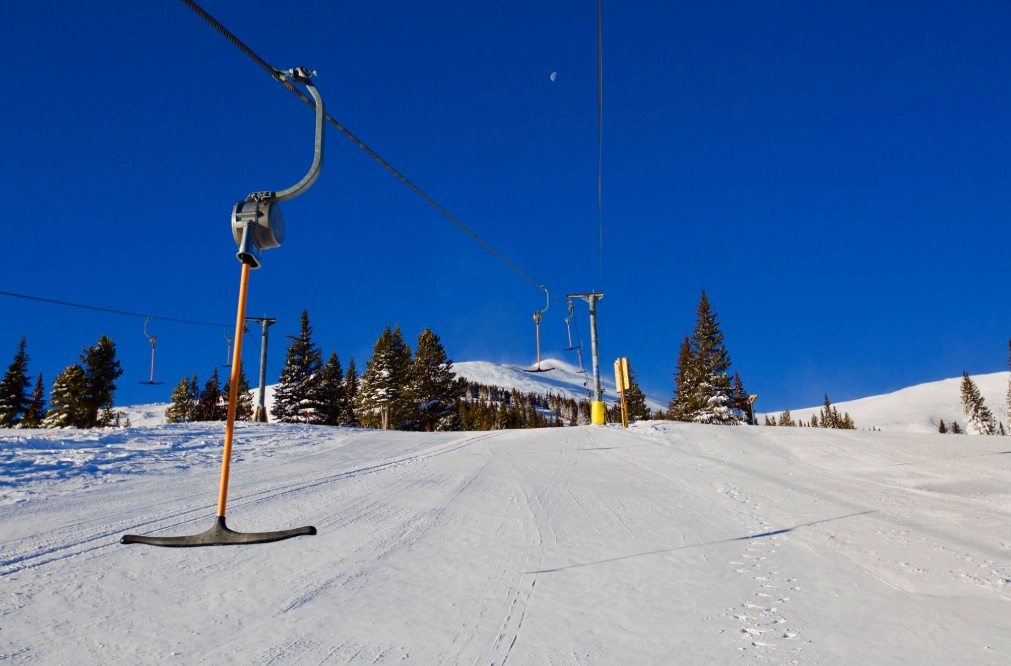
Let's cut to the chase. You're planning a trip to Okemo Mountain Resort in Vermont, and the first thing you check is the weather. It makes or breaks your ski vacation. I've been skiing Okemo for over a decade, and I can tell you that understanding its weather isn't just about looking at a temperature. It's about decoding a microclimate, reading between the lines of the snow report, and knowing which forecasts to trust. Forget the generic "it's cold in Vermont" advice. Here’s what you actually need to know.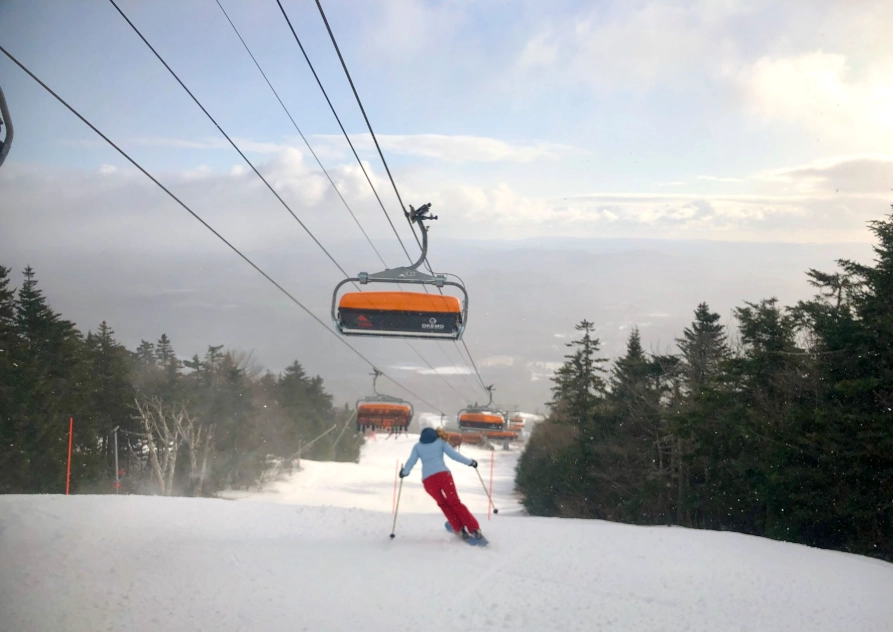
Your Quick Weather Guide to Okemo
Understanding Okemo's Unique Microclimate
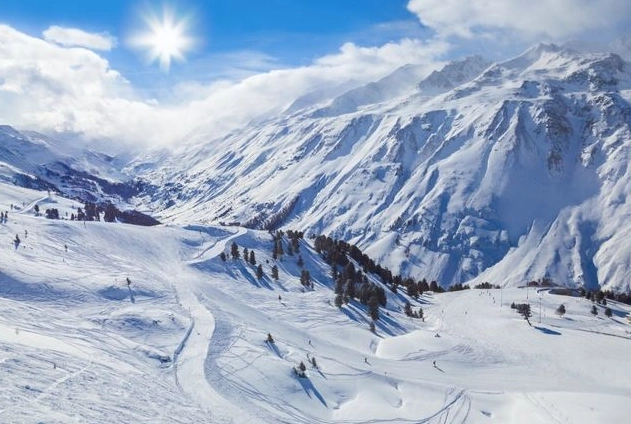
Okemo sits in the Green Mountains of central Vermont. This geography creates a specific weather personality that's different from, say, Stowe up north or Killington just down the road. The biggest factor? Its position in the Otter Creek Valley.
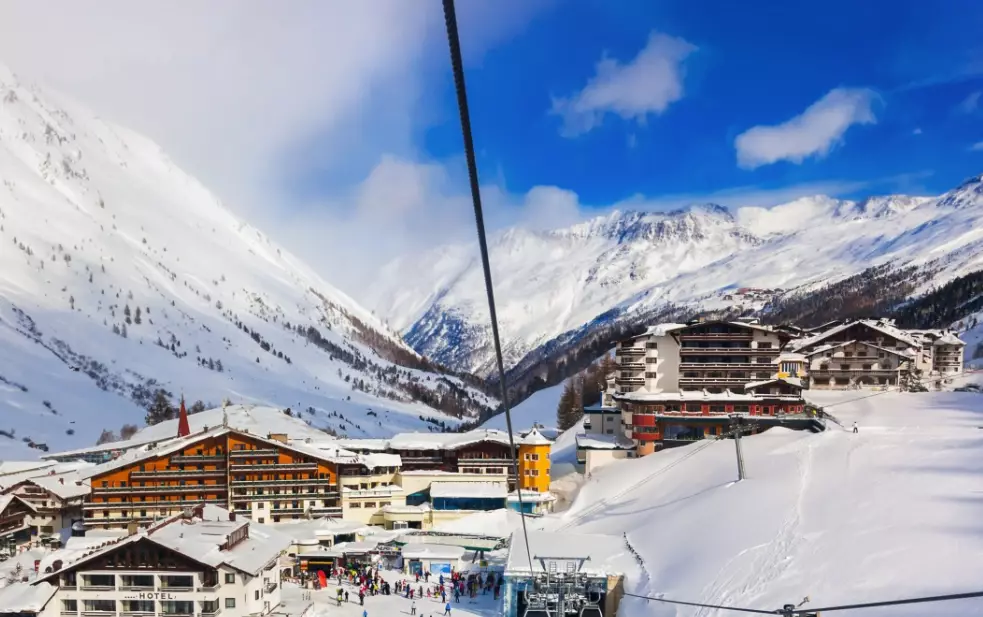
This valley can act like a funnel. Cold, dense air settles at the base, especially at the Clock Tower Base Area. It's not uncommon for it to be 5-10 degrees Fahrenheit colder at the base lodge than at the summit lodge on a clear, calm morning. That's a real feel difference you notice when you're buckling your boots.
Local's Tip: If the forecast calls for a high of 20°F at the Ludlow town level, expect it to be 15-18°F at the base area and maybe 22-25°F on the sun-exposed South Face areas. This micro-variation is key for layering.
The mountain's orientation matters too. Trails on the North Face (like Double Diamond) see less direct sun, holding onto snow and cold longer. The South Face and Solitude Peak areas get baked by the sun on clear days. You can start a run in a shell and end it in a sweater if you're not careful.
Snowfall is another story. Okemo is somewhat shielded from the heaviest lake-effect snow bands that pound the western Adirondacks, but it consistently gets good orographic lift from nor'easters. When a storm rides up the coast, the moisture gets squeezed out over the Greens. The sweet spot? A storm tracking just inland. Too far east, and it's rain. Too far west, and the snow goes to New York.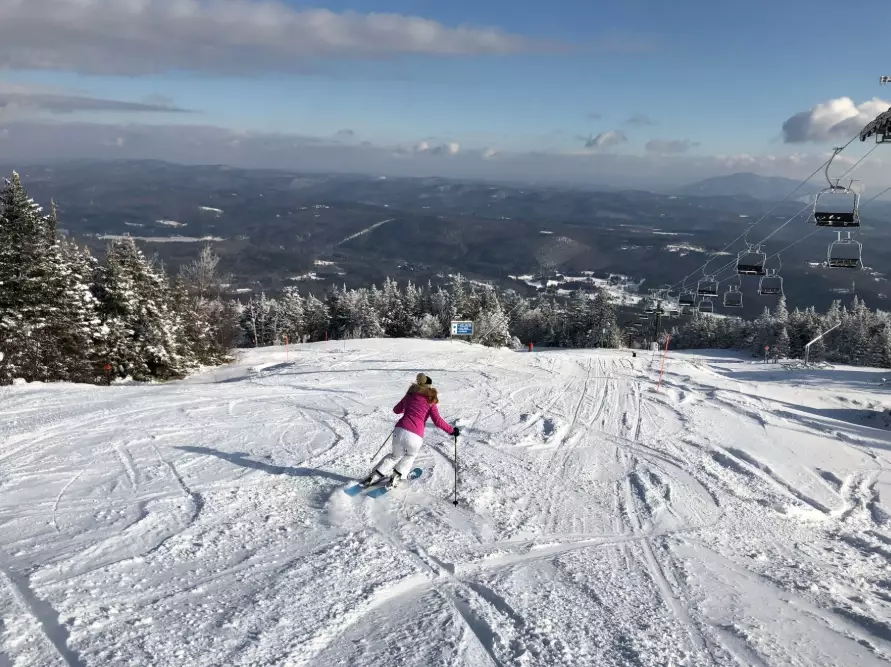
It's a delicate dance.
How to Read the Okemo Snow Report (Beyond the Numbers)
Everyone looks at the "24-hour snowfall" and "base depth." That's the basics. To plan your day like a pro, you need to dig deeper into the official Okemo snow report.
The Details Most Skiers Miss
Surface Conditions: This is gold. "Machine Groomed" means corduroy perfection, typical for mornings. "Loose Granular" means the snow has been skied and chopped up, softening into smaller bits. "Packed Powder" is the ideal – firm but edgeable. If you see "Variable," be prepared for anything: ice patches, soft snow, scraped-off spots. It's a warning sign.
Lifts & Trails: Don't just see 100% open. Which lifts are open? If the Jackson Gore Express is on wind hold, it changes your entire access plan. The report tells you this.
Primary Surface vs. Secondary: Okemo often lists two surfaces. "Machine Groomed/Loose Granular" means the main trails are groomed, but the snow on the sides or less-traveled paths is looser. This tells you where to find the good stuff later in the day.
The Big Mistake: New skiers see "New Snow: 2 inches" and think it's a powder day. At Okemo, 2 inches is a refresh, a top-up to the groomers. It's lovely, but don't expect face shots. A true Okemo powder day starts at 6+ inches, and even then, it gets tracked out fast on popular trails. Head to the glades (like Outrage or Nor'easter) after a 6-inch storm for the best leftovers.
I also cross-reference with the National Weather Service in Burlington for the broader mountain forecast and Mount Washington Observatory data for wind trends, as Okemo's winds often follow similar (if less extreme) patterns.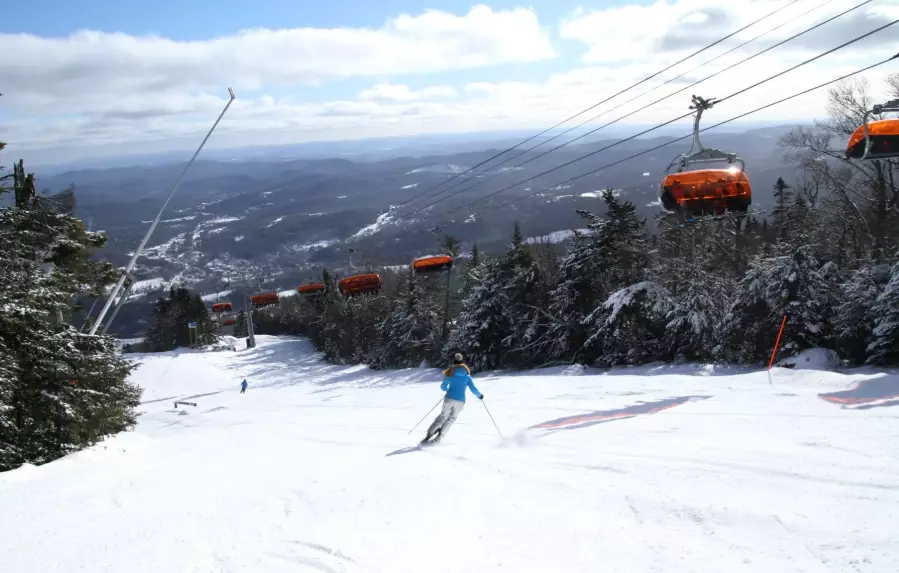
What is the Best Time to Ski at Okemo?
This depends entirely on what you're after. Crowds, snow quality, and weather are all linked.
| Time Period | Typical Weather & Snow | Crowd & Vibe | Best For |
|---|---|---|---|
| Mid-January to Late February | The coldest, most reliable period. Consistent below-freezing temps preserve snowmaking. Frequent natural snow chances. Expect highs 15-30°F, lows near 0°F. | Steady crowds, especially on weekends and holidays. Mid-week is prime. | Guaranteed surface conditions, hardcore skiers, avoiding thaw cycles. |
| March | The sweet spot for many. Longer days, more sun. Can be firm in the AM, gloriously soft "corn snow" by afternoon. Risk of late-season rain storms. | Spring break brings crowds early month, tapers off late March. | Comfortable skiing, sunny deck lunches, experiencing spring conditions. |
| December & Early January | Highly variable. Early December relies on snowmaking. Can be bitterly cold (-10°F wind chills) or oddly mild. Snow depth builds. | Holiday peaks (Dec 26-Jan 2) are the busiest of the year. Pre-Christmas can be quiet. | Festive atmosphere, getting early season turns, if snowmaking is strong. |
| November & April | Shoulder seasons. Limited terrain open in Nov. April is a gamble—could be slushy sunshine or a surprise powder day. Closes mid-April typically. | Lightest crowds of the season. | Die-hards, bargain seekers, those chasing the last turns. |
My personal favorite? The first two weeks of March. You get winter's snowpack with spring's attitude. Just pack a wider range of clothing.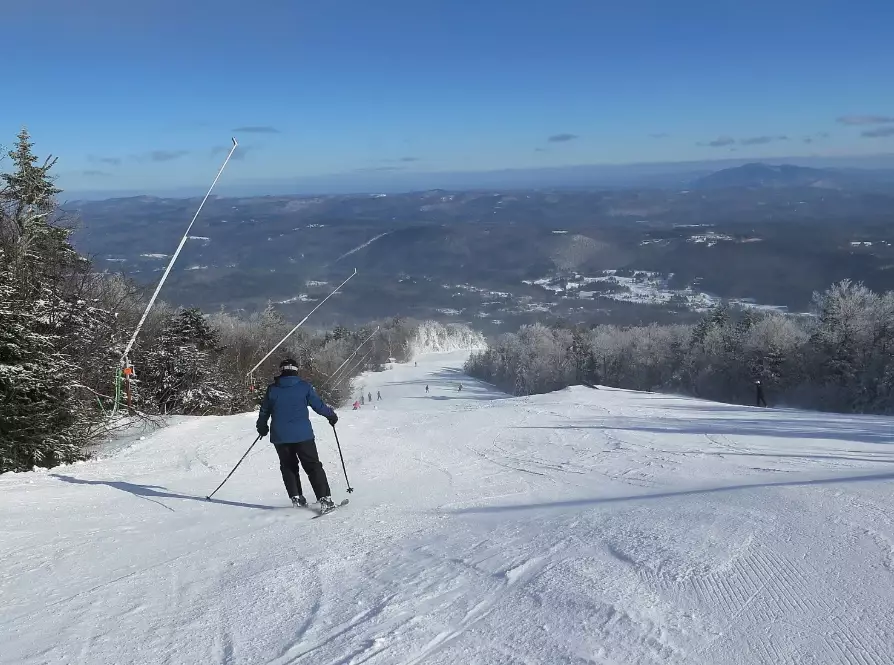
How Should I Pack for Okemo's Variable Weather?
Packing for Okemo is about layers, not just bulk. A typical day can have three different climates.
The Non-Negotiable Base Layer: Merino wool or synthetic. No cotton. It gets sweaty and stays wet. I prefer a mid-weight for most days.
The Insulating Layer: A fleece or lightweight puffy. This is your thermostat. On a 10°F day, you might wear it all day. On a 30°F sunny day, it goes in your backpack by 11 AM.
The Shell Layer: A waterproof, breathable jacket and pants. This is your most important piece. Vermont weather changes fast. Drizzle, snow squalls, wind—your shell handles it. Don't cheap out here. Look for at least 15k/15k waterproofing.
Accessories Are Everything:
- Two pairs of gloves: A waterproof pair for cold/snowy days, a lighter softshell pair for spring. Gloves get wet.
- Neck gaiter: More versatile than a scarf. Pull it up on the lift, down on the run.
- Helmet-compatible beanie: For apres or brutally cold days under the helmet.
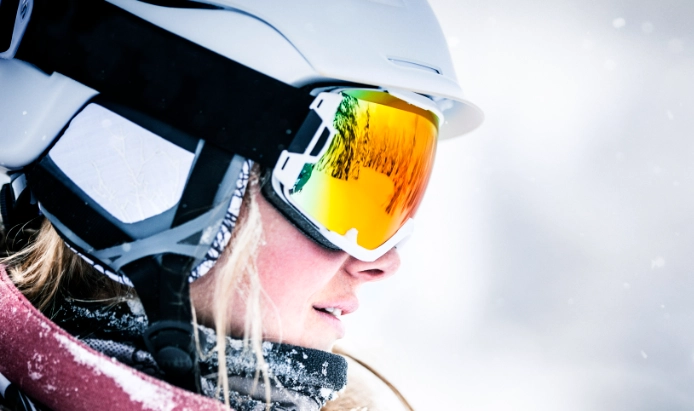
- Goggles with two lenses: A low-light lens (yellow/rose) for flat light and storms, and a sun lens. The light on a cloudy day at Okemo can be brutally flat, making terrain disappear.
Seriously, the right goggles change your whole day.
For your feet, bring warm, moisture-wicking socks and consider boot heaters if you run cold. The base lodge floor is often wet—pack dry shoes or boots for the drive home.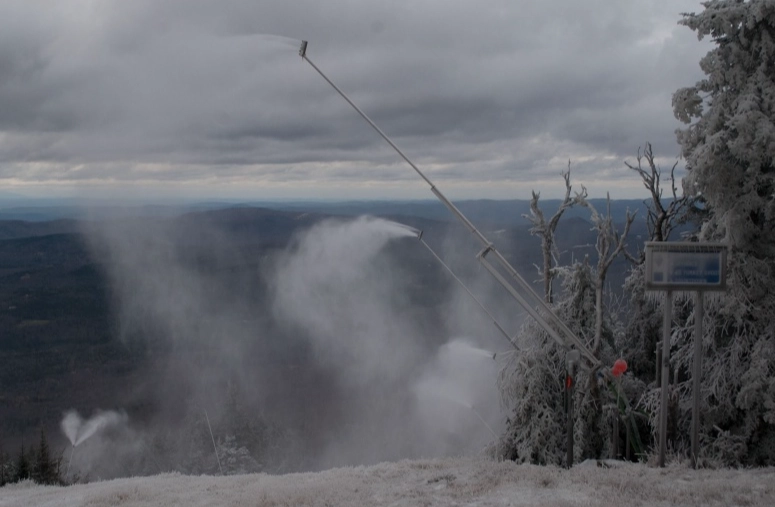
Your Okemo Weather Questions Answered
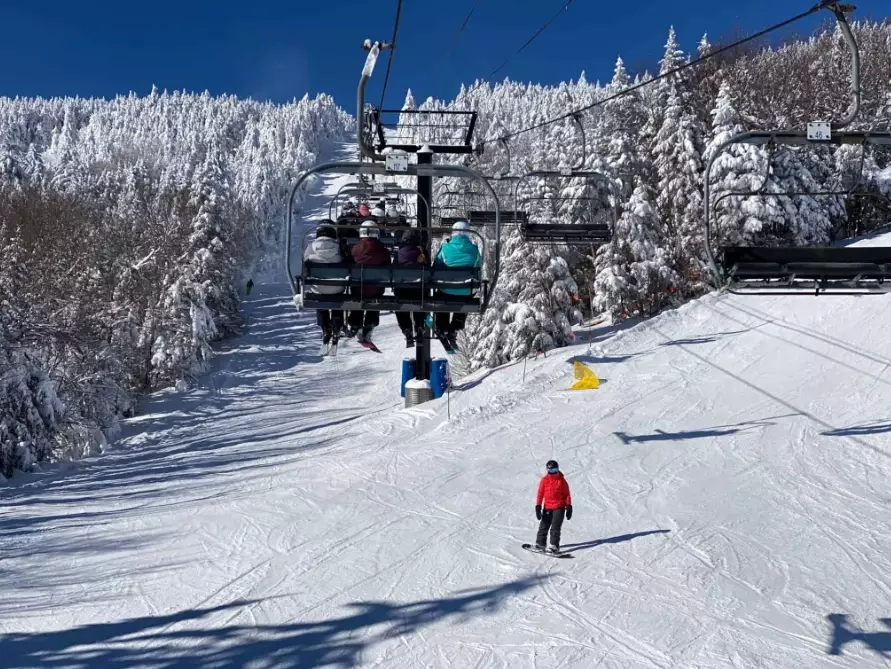 What's the best app or website for Okemo-specific forecasts?
Okemo's weather keeps you on your toes. It's not a predictable western resort climate. But that's part of the charm—and the challenge. By understanding its microclimate, mastering the snow report, and packing smart, you turn weather from a worry into just another part of the adventure. Now go check the forecast, and I'll see you out there.