Quick Navigation
- Why Big Sky Resort? Cutting Through the Noise
- The Heart of the Matter: The Skiing & Snowboarding Experience
- Where to Lay Your Head: The Big Sky Resort Lodging Puzzle
- Beyond the Snow: Big Sky Resort in the Green Season
- Making It Happen: The Nitty-Gritty of Planning Your Trip
- Your Big Sky Resort Questions, Answered
- Wrapping It Up: Is Big Sky Resort Right For You?
Let's be honest, a lot of ski resorts promise the world. "Biggest snow!" "Best terrain!" "No lift lines!" It's easy to get cynical. Then you start looking into Big Sky Resort in Montana, and the numbers just don't quit. Over 5,800 skiable acres. A vertical drop that pushes 4,350 feet. An average of 400 inches of that famous Montana snow. The stats are staggering, almost to the point of feeling like a marketing gimmick.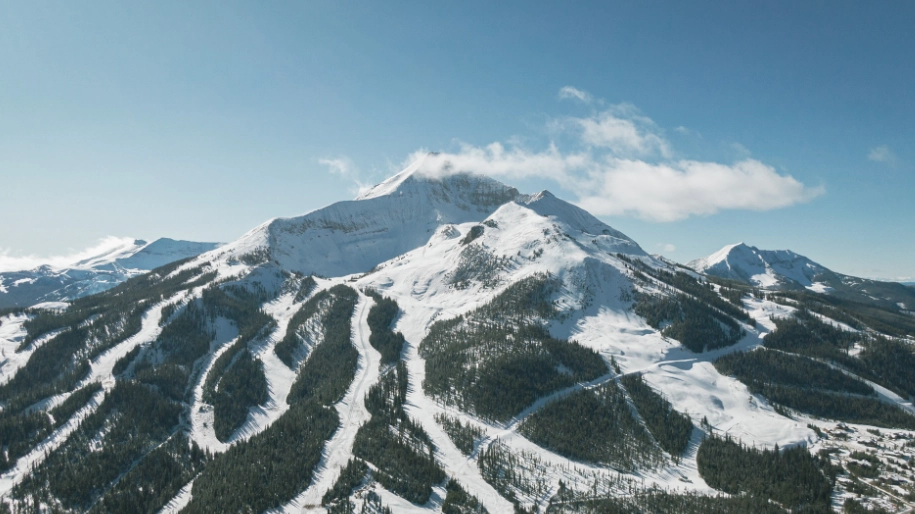
But here's the thing—it's not. Having spent more time there than I'd care to admit (my bank account certainly remembers), I can tell you Big Sky is one of those rare places that manages to be both overwhelmingly huge and surprisingly manageable. It's a resort that caters to the expert charging down a 50-degree chute just as much as the family on their first green run. The trick is knowing how to tackle it.
This isn't just another listicle. Think of this as your personal, slightly opinionated trail map to everything Big Sky Resort. We're going to move beyond the brochure and talk about what it's really like—where the best hidden stashes are, where you might want to think twice about staying, and how to plan a trip that doesn't require a second mortgage. Whether you're dreaming of deep powder turns or summer wildflower hikes, let's break it down.
Why Big Sky Resort? Cutting Through the Noise
Before we dive into the nitty-gritty of trail maps and lift tickets, let's address the big question. With so many iconic resorts in the Rockies, why choose Big Sky? It's a fair point. You've got Jackson Hole, Aspen, Vail—all legendary names. Big Sky's appeal is a bit different, and it boils down to a few core things you won't find everywhere.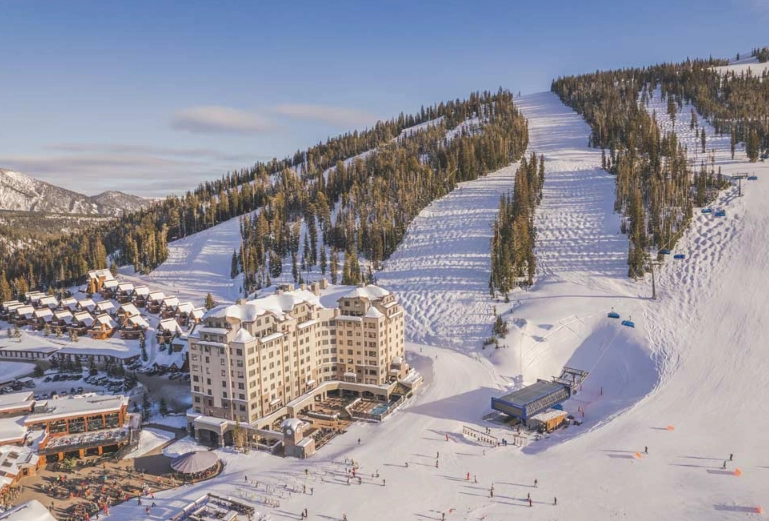
First, and it's hard to overstate this, is the sheer scale with a side of serenity. The "Big" in Big Sky Resort isn't just about the sky (though the lack of light pollution is insane). It's about elbow room. Even on what they consider a busy day, you'll find yourself on lifts and runs feeling like you have the mountain to yourself, especially if you venture away from the main base areas. After dealing with the conga lines at some mega-resorts, this feels like a luxury.
Second is the terrain diversity. This is where the resort shines. It's not just a one-trick pony for experts. Sure, the legendary terrain off Lone Peak gets all the headlines (and for good reason), but there are massive, perfectly groomed boulevards for beginners and intermediates that go on for miles. It's a place where a group with mixed abilities can all have an epic day without feeling held back or overwhelmed.
But it's not all perfect. Let's get a real negative out of the way upfront: the cost. A Big Sky Resort vacation, especially if you're aiming for slope-side convenience and peak season, is expensive. Lift tickets are among the priciest in the nation. However—and this is a big however—with some smart planning (which we'll get into), it's manageable. You're paying for the experience of that uncrowded, monumental terrain.
So, who is Big Sky really for?
- The Terrain Hunter: You live for variety—groomers one run, bumps the next, a trip through the trees after that.
- The Crowd-Hater: Your idea of a perfect ski day doesn't involve 20-minute lift queues.
- The Mountain Purist: You want stunning, raw scenery without a village that feels like a themed mall.
- The Adventurous Family: You want a safe, progressive learning environment for kids, but with enough challenge to keep the adults thrilled.
If that sounds like you, then you're in the right place. Let's get into the details.
The Heart of the Matter: The Skiing & Snowboarding Experience
This is what you came for. The snow, the lifts, the runs that make your legs burn. Understanding the layout of Big Sky Resort is key to unlocking it.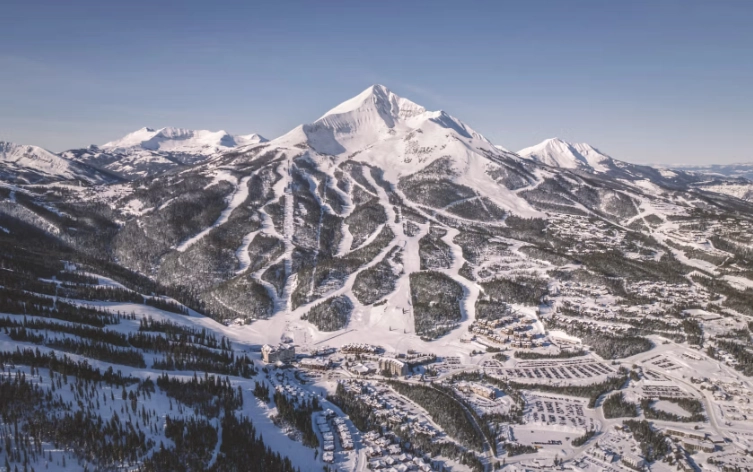
The Mountain's Personality: A Tale of Three Areas
Think of Big Sky's terrain in three main acts, each with a distinct vibe.
1. The Front Side (Andesite Mountain & Mr. K): This is the main hub, accessible from the Mountain Village base. It's your all-rounder. You've got the Swift Current high-speed six-pack servicing a mix of great intermediate cruisers and some sneaky expert shots. Ramcharger 8, their first eight-seater chairlift, is a game-changer for accessing a huge swath of perfectly groomed blue and black terrain. This is where you'll likely start your day, get your legs under you, and find reliable conditions. It's also where a lot of the ski school magic happens.
2. The Back Side (Lone Mountain & the Dakota Territory): Here's where the legend lives. This is expert and advanced-intermediate paradise. To access the crown jewel—the summit of Lone Peak at 11,166 feet—you take the iconic Lone Peak Tram. The view alone is worth the ride. From the top, you have a choice that defines a Big Sky experience: the famously steep chutes like the Big Couloir (which requires a beacon and a partner), the vast, open snowfields, or the winding trails back down. It's serious terrain that commands respect. Just south, the Dakota Lift services some of the most fun, rolling advanced terrain on the mountain, often with great snow.
3. The Southern Exposure (Moonlight Basin Area): When the resort merged with neighboring Moonlight Basin, it created something special. Accessed from the Madison Base or via the Lone Tree Triple, this area feels more secluded. It's a mix of long, scenic intermediate runs, fantastic tree skiing (Headwaters area), and wide-open bowls. On a powder day, many savvy locals head here first to find untracked lines hours after a storm.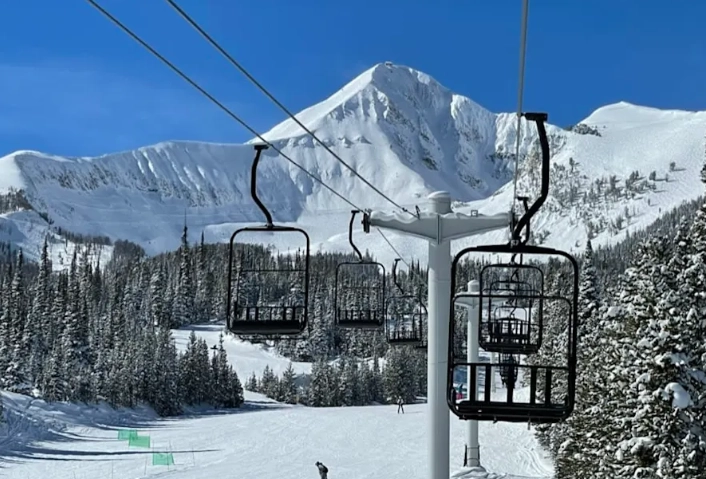
Lifts, Lines, and Logistics
The lift network at Big Sky Resort is modern and expansive. The star is the Lone Peak Tram, but the real workhorses are the high-speed chairs like Ramcharger 8, Swift Current, and the new Six Shooter lift. They move a lot of people efficiently. Even on weekends, I've rarely waited more than 5-10 minutes for a lift, except for the tram on a perfect bluebird powder day—then the line can build.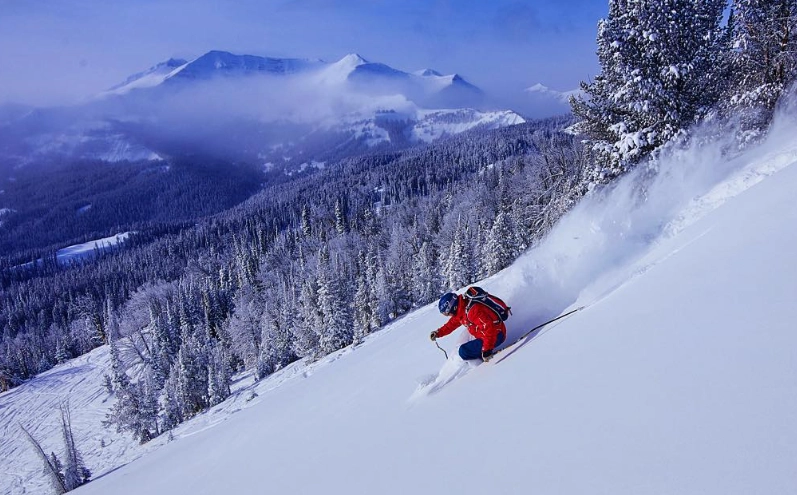
A word on the tram: it's not always running. High winds or poor visibility will shut it down. If accessing the absolute summit is a bucket-list item for you, plan to be flexible and hop on it when you see it spinning, even if it wasn't part of your original plan for the day.
Snow, Seasons, and When to Go
Big Sky gets its famous dry, fluffy snow, but it's not the snowiest resort in the Rockies. The quality often makes up for the quantity. January and February are reliably cold and snowy. March and April can offer the best of both worlds: winter snow with longer, sunnier days. Early season (late November/December) can be a bit hit-or-miss with coverage, especially on the higher, more advanced terrain.
One of the hidden gems? Spring skiing at Big Sky Resort can be phenomenal. The sun softens the snow into perfect corn, the crowds are thinner, and the vibe is laid-back.
Passes, Tickets, and Ski School
This is the painful part for the wallet. Single-day lift tickets at the window are breathtakingly expensive. The absolute best way to save money is to buy online in advance. The price difference is significant, sometimes hundreds of dollars for a multi-day pass.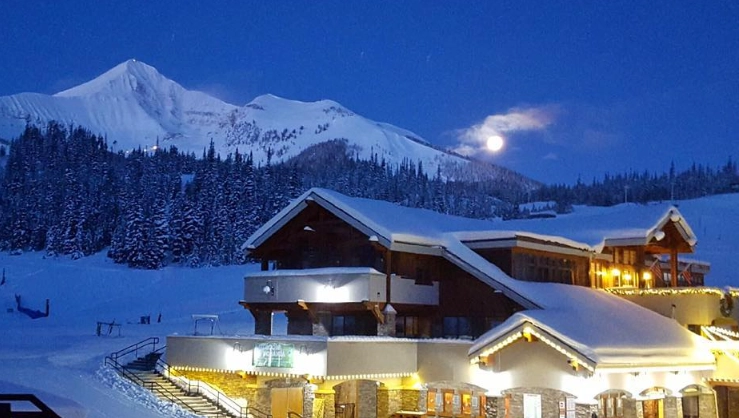
If you're a frequent skier, look into the Ikon Pass. Big Sky Resort is a premier destination on both the full Ikon and Ikon Base Passes (with some blackout dates on the Base). For a week-long trip, an Ikon Pass often pays for itself compared to daily tickets.
The ski and ride school at Big Sky has a stellar reputation, especially for kids. They use terrain-based learning, which helps beginners build confidence quickly. For adults, booking a private guide for a half-day is a fantastic investment, even for strong skiers. They'll show you the secret stashes and help you navigate the massive mountain efficiently.
Where to Lay Your Head: The Big Sky Resort Lodging Puzzle
You have options, and where you choose drastically changes your trip's flavor and budget. There's no single "best" place—it depends on what you want.
| Area | Vibe & Description | Best For | Price Range | Pros | Cons |
|---|---|---|---|---|---|
| Mountain Village | The epicenter. Ski-in/ski-out luxury, hotels, condos, restaurants, and shopping at your doorstep. Direct access to Swift Current & Ramcharger lifts. | First-timers, families who want maximum convenience, luxury seekers, those who don't want to drive. | $$$ - $$$$ | Ultimate convenience, vibrant atmosphere, great dining options, easy access to ski school. | Most expensive, can feel busy at peak times, less "Montana" feel. |
| Madison Base (Moonlight Lodge Area) | More relaxed, lodge-focused vibe. Excellent ski-in/ski-out access to the Southern terrain via the Six Shooter lift. | Groups wanting a quieter stay, those focused on the Moonlight Basin terrain, good value for ski-in/ski-out. | $$ - $$$$ | Great access to often-less-crowded lifts, beautiful setting, more relaxed than Mountain Village. | Fewer dining/nightlife options on-site, requires a shuttle or car to get to Mountain Village. |
| The Canyon (Along US-191) | A string of hotels, motels, and condos about a 15-20 minute shuttle ride from the mountain. | Budget-conscious travelers, large groups needing multiple rooms, road trippers. | $ - $$ | Significantly cheaper, more dining variety (like the famous Corral Bar), ample parking. | Mandatory shuttle ride to the slopes (free but adds time), not a "resort" feel. |
| Town of Big Sky (Meadow Village) | A growing community with condos, homes, and a few hotels. A mix of residential and vacation rentals. | Families or groups renting a full home, longer stays, those wanting a local community feel. | $$ - $$$ | More space, access to town amenities (grocery store, other restaurants), often better value than base areas. | Requires a car or reliance on the resort shuttle system to get to the lifts. |
| West Yellowstone (≈1 hour drive) | The famous gateway town to Yellowstone National Park. | Combo ski/Yellowstone trips, extreme budget focus, summer visits. | $ - $$ | Very affordable lodging, incredible access to Yellowstone, unique town character. | Long daily commute to skiing, weather-dependent drive over a pass. |
My personal take? For a pure, no-hassle ski trip, the convenience of Mountain Village is hard to beat, especially with kids. You pay for it, but rolling out of bed and onto the lift is magical. For a more balanced trip where you might cook some meals and want to explore, a condo in the Town of Big Sky offers a great middle ground. The Canyon is where you go to save serious money, but be ready for the shuttle routine.
Beyond the Snow: Big Sky Resort in the Green Season
If you think Big Sky Resort shuts down when the snow melts, you're missing half the story. Summer and fall here are spectacular, and in some ways, even more accessible.
The Lone Peak Tram runs in the summer, offering tourists and hikers that same breathtaking 360-degree view without needing ice axes. From the top, you can see into Yellowstone National Park. Speaking of hiking, the network of trails is immense. You can take a lift up and hike down, or challenge yourself with a hike from the base to the summit. The Beehive Basin trail, accessible from a nearby trailhead, is a local favorite for wildflowers and alpine lakes.
Mountain biking is huge. They've developed a growing network of lift-served downhill trails, and the surrounding Gallatin National Forest has endless cross-country options. The U.S. Forest Service website is an excellent resource for trail conditions and maps.
Then there's golf. The Big Sky Resort Golf Course, designed by Arnold Palmer, is consistently ranked among the top mountain courses in the country. Playing a round with the Spanish Peaks as your backdrop is an experience you won't forget.
Fly fishing? You're in one of the world's meccas. The Gallatin River, made famous by A River Runs Through It, runs right by the resort. Guided trips can arrange everything. Zip lining, scenic lift rides, geyser watching in nearby Yellowstone, horseback riding... the list goes on. A summer visit to Big Sky Resort offers a completely different, but equally compelling, kind of adventure.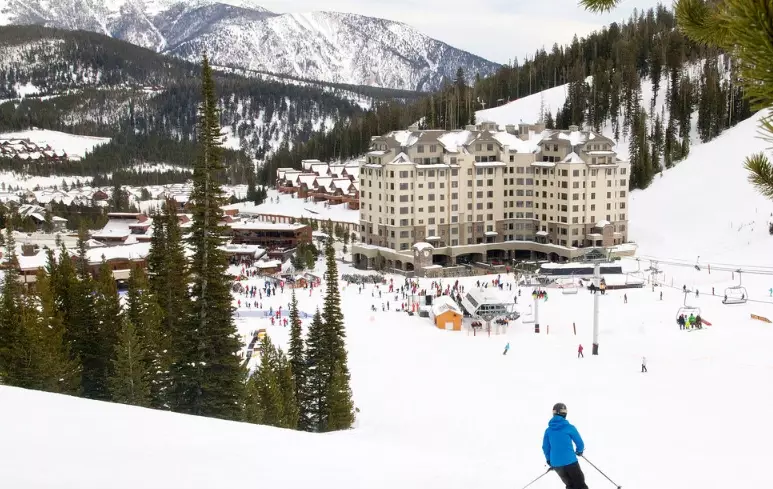
Making It Happen: The Nitty-Gritty of Planning Your Trip
Getting There: Bozeman is Your Gateway
Almost everyone flies into Bozeman Yellowstone International Airport (BZN). It's a great, modern airport with direct flights from many major hubs. The drive from BZN to Big Sky Resort is about an hour and fifteen minutes south on US-191. It's a stunning drive along the Gallatin River. You will need a rental car. While the resort has shuttles internally, having a car gives you freedom to explore, go to the grocery store, or try restaurants in the Canyon or further afield.
In winter, that drive requires respect. It's a well-maintained highway, but it's mountain driving. Snow, ice, and wildlife are real factors. A 4WD or AWD vehicle is strongly recommended, and don't skip the rental company's insurance. I've had more close calls with elk on that road than I care to remember.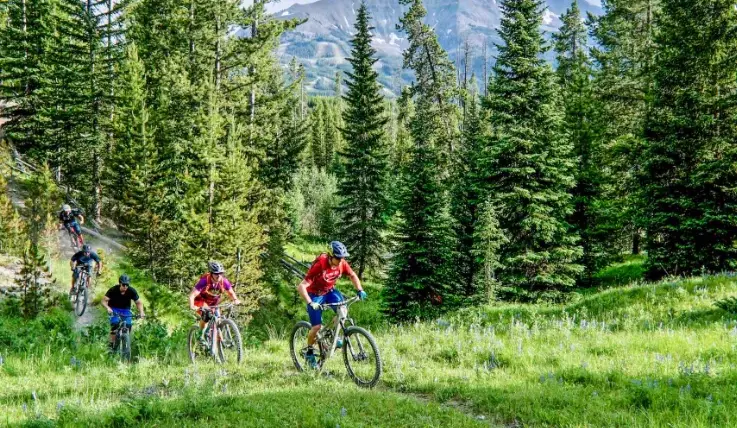
What to Pack (Beyond the Obvious)
You know the ski gear. For Big Sky specifically, add:
- Layers, layers, layers: The temperature at the base can be 20 degrees warmer than the summit. A good shell, insulating mid-layer, and moisture-wicking base are key.
- High-quality goggles with low-light lenses: The light changes quickly. Cloudy mornings can turn into blindingly bright afternoons.
- A sturdy backpack: For carrying layers, water, and snacks. It's a big mountain; you might not swing back by the lodge for hours.
- Reusable water bottle: Stay hydrated. The altitude and dry air will sneak up on you.
- Footwear for après: Comfortable, warm boots for walking around the village in snow.
Budgeting and Saving Money
Let's talk brass tacks. A trip to Big Sky Resort is an investment. Here’s how to soften the blow:
- Travel Off-Peak: Early December (pre-holidays), January (avoiding MLK weekend), and April offer lower lodging rates and often cheaper flights.
- Lodging with a Kitchen: Even just for breakfast and snacks, this saves a fortune. The Hungry Moose Market in the Town of Big Sky is a good grocery option.
- Buy Lift Tickets ONLINE, Early: I can't stress this enough. The window price is punitive.
- Consider the Ikon Pass: Do the math for your trip length. It almost always wins for visits of 5+ days.
- Dine in the Canyon: Restaurants like the Corral Bar or Riverhouse BBQ offer great food and more reasonable prices than Mountain Village sit-down spots.
- Look for Package Deals: The resort and many lodging providers often offer "Stay & Ski Free" or similar packages, especially early and late season.
Food and Drink: Fueling the Adventure
The dining scene has evolved from simple fuel stations to a legitimately good mix of options. In Mountain Village, you've got everything from quick-service pizza and burgers at Everett's 8800 to upscale mountain dining at Peaks. The Montana-style nachos at the Carabiner Lounge are a perfect après-ski move. For a truly special (and splurge-worthy) experience, the sleigh ride dinner to the historic Lone Mountain Ranch is unforgettable.
My slightly negative but honest opinion? Some of the on-mountain, sit-down restaurants are overpriced for the quality. You're paying for the convenience and the view. Some of the best food I've had in the area has been off-property in the Town of Big Sky or down in the Canyon.
Your Big Sky Resort Questions, Answered
I get asked these all the time. Let's tackle them head-on.
Wrapping It Up: Is Big Sky Resort Right For You?
So, after all this, where do we land?
Big Sky Resort isn't the cheapest getaway. It's not the easiest to get to for everyone. The sheer scale can be intimidating at first glance. If you're looking for a glitzy, European-style village with hopping nightlife, this might feel a bit too rustic.
But.
If you value uncrowded slopes, breathtaking and raw mountain scenery, an insane diversity of terrain that can challenge anyone, and a genuine sense of adventure, then Big Sky Resort is in a league of its own. It delivers on its big promises. It's a place that gets under your skin. You'll find yourself planning your next trip on the flight home, already dreaming of that view from the top of Lone Peak, the sound of your skis on a quiet corduroy morning, or the peace of a summer hike where the only sound is the wind.
It's a special corner of Montana. Do your homework, plan smart for your budget, and go experience it for yourself. You won't regret it.