Let's be honest. When you hear "Crystal Mountain," you probably think of deep Washington powder and steep chutes. And you're not wrong—it's a skier's mountain through and through. But after more than a decade of chasing storms and summer sun here, I've realized it's something else too. It's a front-row seat to Mount Rainier so close you feel you could touch it, a network of wildflower trails that feel miles from anywhere, and yes, a ski resort with a personality that's equal parts friendly local hill and serious big-mountain playground.
The first time I drove up State Route 410, the dense forest suddenly giving way to that jaw-dropping basin of peaks, I knew this place was special. It doesn't have the polished veneer of some mega-resorts, and that's part of its charm. It feels real. This guide isn't just a list of facts. It's the stuff I tell my friends before their first trip: where to find the best snow, how to avoid the weekend lift lines everyone complains about, and why you should absolutely stay for sunset on the gondola, even if your legs are screaming.
What You'll Find in This Guide
- Skiing & Snowboarding at Crystal Mountain: Terrain for Everyone
- Planning Your Visit: Tickets, Rentals & Getting There
- Summer at Crystal Mountain: Gondola, Hikes & Wildflowers
- Where to Stay and Eat On-Mountain
- How Crystal Mountain Stacks Up Against Other Washington Resorts
- Local's Corner: Expert Tips to Elevate Your Trip
- Your Crystal Mountain Questions, Answered
Skiing & Snowboarding at Crystal Mountain: Terrain for Everyone
With over 2,600 acres of skiable terrain and a 3,100-foot vertical drop, Crystal is massive. The mistake most newcomers make is sticking to one base area all day. The mountain has distinct personalities.
The Green Valley & Forest Queen Zone is where families and beginners thrive. Long, cruising greens and blues like Lucky Shot and Quicksilver are perfect for building confidence. The lifts here are usually less crowded, too.
The Northway & Campbell Basin Area is where the mountain gets serious. This is advanced and expert territory. When the snow is good, the glades in Northway are some of the best tree skiing in the state. Campbell Basin offers wide-open bowls and chutes. A local tip? On a powder day, everyone sprints to the Gondola. The savvy crew heads straight to Northway Chair first—it often gets overlooked in the initial rush.
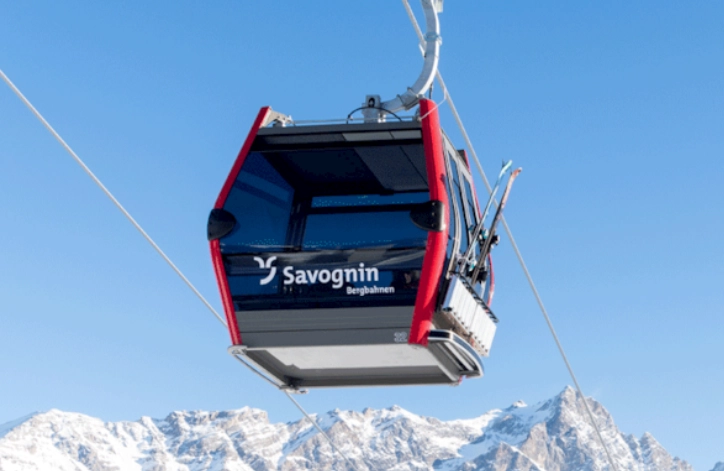
The Gondola & Summit House is the crown jewel. The Mount Rainier Gondola isn't just a lift; it's an experience. It whisks you from the base to 6,872 feet at the Summit House, Washington's highest-elevation restaurant. From here, you can drop into Southback for hike-to expert terrain or take the easier Green Trail back down. Even intermediate skiers can enjoy the epic views from the top and take the gondola back down if they prefer.
The snow quality is generally excellent, with an average of 486 inches annually. It's Pacific Northwest snow, which means it can be heavy and wet at the base sometimes, but up high, it's often glorious cold powder.
Planning Your Visit: Tickets, Rentals & Getting There
This is the practical stuff that can make or break your day.
Crystal Mountain at a Glance
Address: 33914 Crystal Mountain Blvd, Crystal Mountain, WA 98022. There's no real "town" here—just the resort.
Season: Typically late November through mid-April for skiing. Summer gondola operations usually run from July through early October, weather permitting.
Lift Hours: Usually 9:00 AM to 4:00 PM daily in winter, but always check the official website for the latest schedule and weather impacts.
Lift Tickets and Passes
Walk-up window prices are steep. I never pay them, and you shouldn't either.
Buy online in advance. This is the number one rule. Prices are always lower, sometimes by $30 or more per day. They also sell out on peak weekends and powder days. If you're driving from Seattle without a pre-purchased ticket, you're gambling.
Look for multi-day deals or early-season sales. If you're a frequent skier in the Pacific Northwest, the IKON Pass is a no-brainer, as Crystal is a flagship destination on it. For more casual visitors, their own season pass or 4-pack of tickets can offer great value.
Ski and Snowboard Rentals
You can rent right at the mountain in the Day Lodge. It's convenient, but lines can be long at peak times (8:30-10:30 AM).
My strong recommendation? Rent in Enumclaw or even in the Seattle suburbs (like REI or a local shop) on your way up. It's cheaper, the selection is often better, and you can get fitted the night before, saving you a huge chunk of prime skiing time in the morning. You'll thank me when you're on the first chair instead of waiting in a rental queue.
How to Get There
From Seattle: Take I-5 to SR 167, then SR 410 East through Enumclaw and Greenwater. The drive is about 80 miles and takes 1 hour 45 minutes to 2 hours without traffic or bad weather. Add significant time on weekend mornings or during snowstorms.
The 410 is a mountain pass. Washington State Department of Transportation (WSDOT) requires traction tires or chains in winter conditions. Don't try it with bald all-seasons—you'll get turned around or, worse, stuck. Check the WSDOT travel alerts religiously before you go.
Parking is free but fills up by 10 AM on weekends. The lower lots have a free shuttle to the base. Carpooling is strongly encouraged.
Summer at Crystal Mountain: Gondola, Hikes & Wildflowers
Most people don't know this, but summer might be the best time to visit for the views. When the snow melts, a completely different world opens up.
The Mount Rainier Gondola operates for scenic rides. You glide over meadows bursting with lupine and paintbrush, straight into a panoramic view of Mount Rainier that is utterly unbeatable. You can hike down (or up), or just ride round-trip. It's a must-do.
Top Summer Hikes from the Top:
- Silver Creek Trail to Henskin Lake: A moderate 3-mile round trip through wildflower meadows to a serene alpine lake. You'll see maybe a tenth of the people you'd see on a comparable trail in Mount Rainier National Park.
- Summit Peak Trail: A short but steep climb from the Summit House for a 360-degree view. On a clear day, you can see Mount Adams and Mount St. Helens.
- Bullion Basin: For the more adventurous, this trail drops into the backcountry basin for serious wildflower displays and solitude.
Mountain biking is also growing, with a dedicated downhill trail from the summit. You can rent bikes on-site.
Where to Stay and Eat On-Mountain
Staying overnight transforms the experience. Waking up steps from the lifts for first tracks is magical.
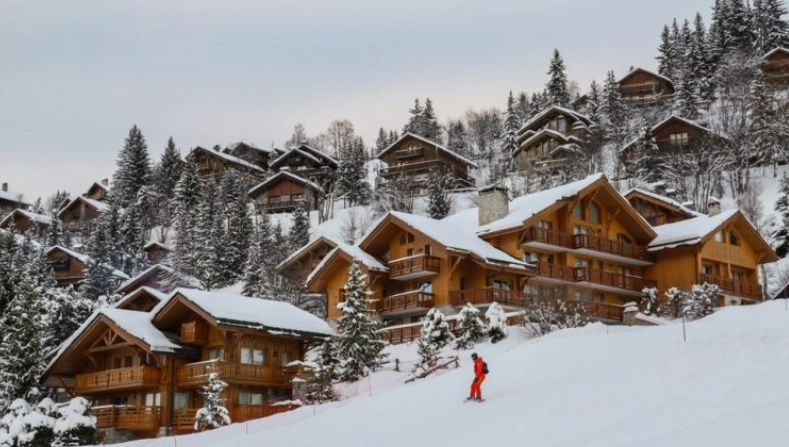
The Alpine Inn is the classic ski lodge—rustic, cozy, and right at the base. No frills, but perfect ski-in/ski-out access. The Village Inn offers condominium-style units with kitchens, great for families or groups.
For a real treat, the Snorting Elk Cellar is the iconic apres-ski spot. Dark wood, live music, and a solid burger. It's where the day's stories are told. Up at the summit, the Summit House is all about the view. The food is standard resort fare (think chili, sandwiches), but eating at 6,872 feet with Rainier filling the window is unforgettable. Go for a late lunch to avoid the biggest crowds.
A word of caution: The on-mountain dining options, especially the quick-service spots in the base lodge, get swamped between 12 and 1:30 PM. My strategy? Eat an early lunch at 11:30 AM or a late one after 2 PM. Or pack a snack in your pocket.
How Crystal Mountain Stacks Up Against Other Washington Resorts
Choosing where to ski in Washington? Here's the real talk.
| Resort | Best For | Terrain Vibe | Considerations |
|---|---|---|---|
| Crystal Mountain | Expert skiers, big vertical, epic views, summer activities. | Large, diverse, with serious advanced/expert zones and great beginner areas. | Farthest from Seattle, most expensive lift tickets, can be crowded on weekends. |
| Stevens Pass | Accessibility from Seattle, reliable snow, park riding. | Fun, varied terrain on both sides of the pass. Great intermediate cruising. | I-2 traffic can be horrific. Base areas feel more dated. |
| Snoqualmie Pass (Summit at Snoqualmie) | Proximity to Seattle, night skiing, family-friendly. | More modest vertical and terrain. Great for beginners and intermediates. | Lower elevation means rain/snow mix is more common. |
| Mt. Baker | Deepest snow on earth, legendary backcountry, no-frills local culture. | Extreme terrain, famously deep snow. Less groomed cruising. | Long drive from Seattle (2.5+ hrs), limited on-mountain amenities. |
Crystal's unique selling point is its combination of scale, high-alpine terrain, and that direct, intimate relationship with Mount Rainier. You don't just see the mountain; you feel surrounded by it.
Local's Corner: Expert Tips to Elevate Your Trip
Here are a few things you won't find on the trail map.
Beat the Morning Rush: Aim to arrive by 8:15 AM. This gives you time to park, boot up, and be in line for the lifts before the 9 AM opening crush. Those first 90 minutes of uncrowded skiing are worth the early alarm.
The "Secret" Parking Lot: If the main upper lots are full, the F-Lot (way down the hill) always has space. The shuttle runs frequently. It's not a secret, but many drivers circling the upper lots forget it exists.
Sunset Gondola Ride: In summer, check if they offer evening scenic rides. Watching the sunset paint Rainier alpenglow from the moving gondola is a spiritual experience. Bring a jacket—it gets cold fast up there.
Mid-Week Magic: If you have any flexibility, go on a Tuesday, Wednesday, or Thursday. You'll have the mountain to yourself compared to the weekend. Lift lines vanish, and the whole pace changes.
Your Crystal Mountain Questions, Answered
How do I avoid the crowds at Crystal Mountain on a weekend?
Is Crystal Mountain suitable for beginner skiers and snowboarders?
What's the best strategy for a one-day summer visit to see Mount Rainier?
Are there any good lodging options if the on-mountain hotels are booked or too expensive?