You've booked the trip of a lifetime—maybe it's hiking in the Peruvian Andes, skiing in Colorado, or trekking to Everest Base Camp. The excitement is real. But then a nagging thought creeps in: what about altitude sickness? That dull headache, the nausea, the feeling that you're moving through thick mud. It can turn a dream vacation into a miserable ordeal. I've seen it happen too many times. The good news? With the right knowledge and preparation, altitude sickness is largely preventable. This isn't just a list of generic tips; it's a practical, battle-tested guide from someone who's spent over a decade guiding and traveling at high elevations. Let's get you prepared.
Your Quick Guide to Staying Safe at Altitude
What is Altitude Sickness and Who is at Risk?
Let's clear something up first. Altitude sickness, also known as Acute Mountain Sickness (AMS), isn't a sign of weakness. It's your body's normal reaction to lower oxygen levels. Above 2,500 meters (about 8,200 feet), the air pressure drops, meaning each breath delivers less oxygen to your bloodstream. Your body has to work harder.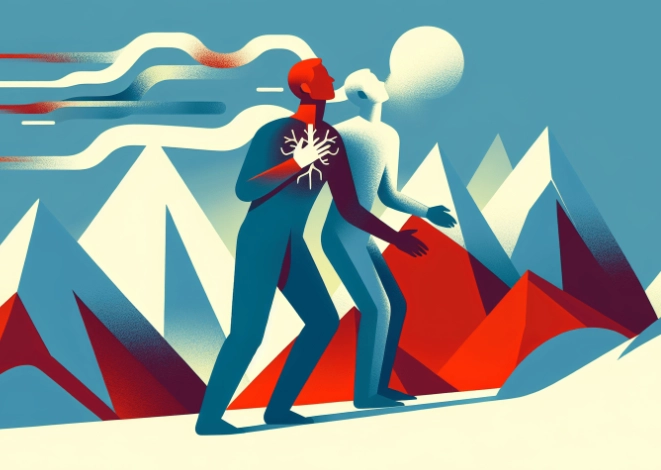
The tricky part? It's wildly unpredictable. I've seen ultra-marathon runners get knocked out at 3,000 meters while their less-fit companions feel fine. Age, gender, and fitness level are poor predictors. The single biggest risk factor is how fast you ascend. If you drive or fly directly to a high altitude, your risk shoots up because your body gets zero time to adjust.
There are three main forms, and it's crucial to know the difference:
- Acute Mountain Sickness (AMS): The common, milder form. Think headache, fatigue, dizziness, nausea, loss of appetite. It feels like a bad hangover.
- High Altitude Pulmonary Edema (HAPE): Fluid builds up in the lungs. Warning signs include extreme shortness of breath at rest, a persistent cough (sometimes with pink, frothy spit), and gurgling sounds in the chest. This is a life-threatening emergency.
- High Altitude Cerebral Edema (HACE): Fluid builds up in the brain. Symptoms are severe confusion, loss of coordination (walking like you're drunk), and violent headaches. This is also a life-threatening emergency.
HAPE and HACE require immediate descent. Don't wait. AMS, however, is where smart prevention and early action make all the difference.
How to Prevent Altitude Sickness: The Three Pillars
Prevention isn't about one magic trick. It's a system built on three interconnected pillars. Ignore one, and the whole structure gets shaky.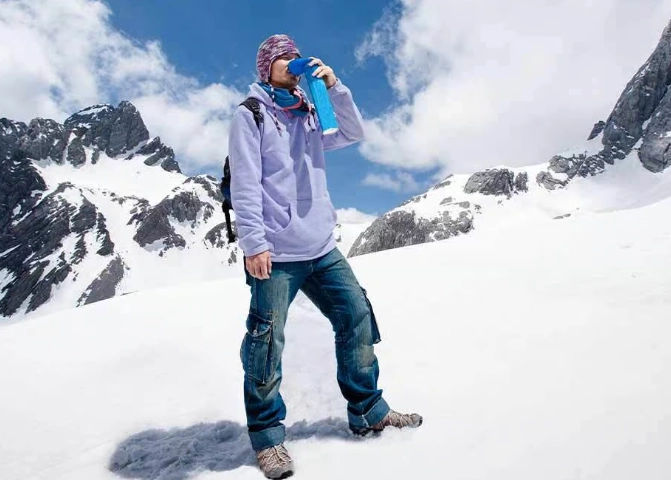
Pillar 1: Smart Acclimatization (The Golden Rule)
This is non-negotiable. Your body needs time to produce more red blood cells and adjust its chemistry. The old mountaineering adage is true: "Climb high, sleep low."
Here’s what that looks like in practice:
- Go slow. Above 3,000 meters, try not to increase your sleeping altitude by more than 300-500 meters per day. Plan rest days every 3-4 days.
- Sleep low. If you day-hike to a higher point, descend to sleep at a lower altitude. The extra few hundred meters of descent at night make a huge difference.
- Listen aggressively. A mild headache is your body's first memo. It's not something to "push through." It's a signal to stop, hydrate, and consider if you need to adjust your pace or plans.
Most people focus only on the ascent rate, but the "sleep low" part is the secret sauce most itineraries miss.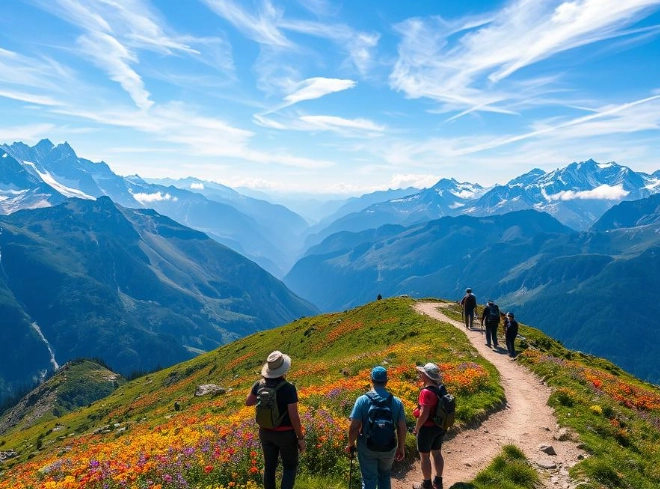
Pillar 2: Hydration and Nutrition (More Than Just Water)
You'll hear "drink lots of water" everywhere. It's good advice, but incomplete. At altitude, you lose fluids faster through respiration and increased urine output. Dehydration worsens every symptom of AMS.
My rule of thumb: Your urine should be pale yellow. If it's dark, you're behind. Aim for 3-4 liters per day, but spread it out. Chugging a liter at dinner doesn't count.
Here's the part many get wrong: you're also flushing out electrolytes. Drinking excessive plain water without replacing salts (sodium, potassium) can lead to a condition called hyponatremia, which has symptoms scarily similar to AMS. Add an electrolyte tablet to one of your water bottles each day, or eat salty snacks.
As for food, focus on carbs. They require less oxygen to metabolize than fats or proteins. Eat light, frequent meals. Force yourself to eat even if you're not hungry—loss of appetite is a classic AMS symptom, and skipping meals makes it worse.
Pillar 3: Medications and Supplements (The Safety Net)
Medications don't replace acclimatization; they support it. Talk to your doctor before using any of these.
- Acetazolamide (Diamox): The most common prescription preventative. It works by making your blood slightly more acidic, which tricks your brain into breathing deeper and more regularly, especially at night. This boosts your oxygen levels. A common mistake is taking it only after symptoms start. For prevention, start 24-48 hours before ascent and continue for 48 hours at your highest altitude. Side effects? Tingling fingers/toes and carbonated drinks tasting flat. Worth it for many.
- Dexamethasone: A steroid for treatment of severe AMS, HACE, or HAPE. It's not typically used for prevention due to potential side effects. This is an emergency drug.
- Ibuprofen: Studies show it can be effective at preventing altitude headaches. A dose of 600mg taken three times daily starting 6 hours before ascent can help.
- Ginkgo Biloba & Coca: The evidence is mixed. Some studies show Ginkgo may help, others don't. Coca tea (legal in the Andes) can soothe stomach discomfort and mild headaches, but its effects are mild and temporary. Don't rely on it as your primary defense.
What to Do If You Get Sick: A Step-by-Step Response Plan
Even with perfect prevention, you might feel off. Having a clear plan removes panic. Follow this flowchart in your mind:
| Symptoms | Likely Condition | Immediate Action Plan |
|---|---|---|
| Mild headache, slight nausea, fatigue | Mild AMS | STOP ASCENDING. Rest at current altitude. Hydrate with electrolytes. Take ibuprofen for headache. Monitor closely. Only ascend if symptoms completely resolve. |
| Worsening headache, vomiting, severe fatigue | Moderate to Severe AMS | DESCEND. Go down 300-500 meters, ideally to your last "good" sleeping altitude. This is the most effective treatment. Consider acetazolamide if not already taking it. |
| Shortness of breath at rest, chest tightness, cough | Suspected HAPE | EMERGENCY DESCEND. Get to lower altitude immediately (500-1000+ meters). Seek medical help. Supplemental oxygen and medications like nifedipine are lifesaving. |
| Confusion, loss of balance, severe lethargy | Suspected HACE | EMERGENCY DESCEND. Get to lower altitude immediately. Dexamethasone and oxygen are critical. This is a race against time. |
The hardest part for driven travelers is accepting that descent is not failure, it's the smartest strategy. I've turned groups around 300 meters from a summit because a member showed HACE signs. It's frustrating in the moment, but it's the only right call. The mountain will always be there.
Common Mistakes and Expert Tips for High-Altitude Success
Here’s where a decade of guiding pays off. These are the subtle errors I see smart, prepared people make.
Mistake #1: The "Flying In" Fallacy. You fly from sea level to Cusco (3,400m) or Leh (3,500m). Your itinerary says "rest day," so you think you're fine. But you spend that day walking around the city, climbing temple steps, exerting yourself. That's not rest. Your body is in crisis mode, trying to adjust, and you're asking it to do tourist activities. True rest means minimal activity for the first 24-36 hours. Read a book in the hotel garden. Seriously.
Mistake #2: Over-reliance on Oxygen Canisters. Those little cans of supplemental O2 sold in ski towns? They provide a brief, psychological boost. The oxygen amount is trivial. If you feel you need one, you actually need to descend or rest. They can mask worsening symptoms, which is dangerous.
Mistake #3: Poor Sleep Management. Altitude disrupts sleep patterns. You'll experience periodic breathing (Cheyne-Stokes respirations)—where you stop breathing for a few seconds then take several quick breaths. It's normal but unsettling. Acetazolamide can help reduce this. Avoid alcohol and sleeping pills (like Ambien or Valium), as they suppress your breathing drive, making hypoxia worse.
My top pro-tip for skiers: That first day at the resort, take the gondola to the top, snap your pics, but then ski the mid-mountain and lower runs. Don't lap the 4,000-meter peak all day. You're sleeping low in the village, but you're spending 6+ hours at extreme altitude. That's a huge strain. Ease into it.
Altitude Sickness Prevention FAQ
The goal isn't to scare you away from the mountains. It's the opposite—to equip you with the knowledge to enjoy them safely and confidently. Respect the altitude, listen to your body, and plan with the understanding that your physiology has non-negotiable needs. Do that, and you'll be free to focus on the breathtaking views, not your pounding head.
Now go have an amazing adventure.