What You'll Find Here
- The Foundation: What You Absolutely Need Before Starting
- The Step-by-Step Progression: From Wedge to Parallel
- Breaking Down the Key Movements (The Real Nitty-Gritty)
- Common Problems & How to Fix Them
- Taking it Further: From Basic Parallel to Carving
- Your Questions, Answered
- Putting It All Together: A Practice Plan for Your Next Ski Day
Let's be honest. The snowplow (or wedge) gets old fast. It's tiring, it's slow, and it just doesn't look or feel like the skiing you see in videos. You're here because you want to unlock that next level—the smooth, linked turns where your skis stay parallel, slicing through the snow with a satisfying hiss. You want to know how to do parallel turns.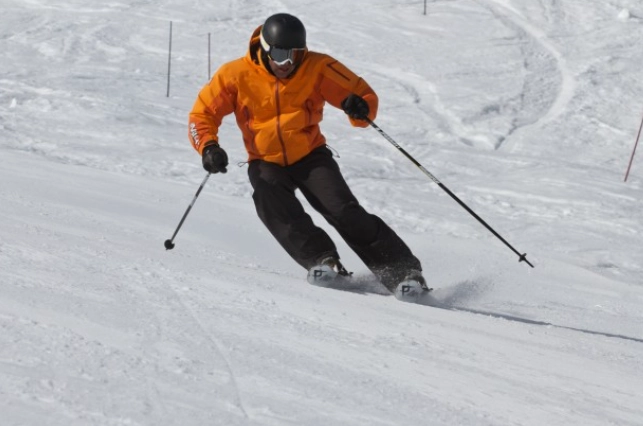
I remember the frustration. I'd be on a blue run, legs burning from holding the wedge, watching others glide past with ease. My instructor kept saying "just roll your knees," but it felt like trying to pat my head and rub my stomach at the same time. It clicked eventually, but it wasn't one magic move. It was a chain of small, connected actions.
This guide is that chain, broken down link by link.
We're not just talking theory. We're talking about the exact muscle movements, the mental cues, and the common pitfalls that trip everyone up (including me, more times than I care to admit). By the end of this, you'll have a clear roadmap out of the wedge and into the world of parallel skiing.
What's a Parallel Turn, Really? It's not just "skis together." A true parallel turn is initiated by a subtle, coordinated movement of your legs and feet to steer both skis simultaneously onto their edges, allowing them to bend and carve an arc. The skis stay parallel throughout, and the turn is controlled by pressure and edge angle, not by pushing a ski out to the side.
The Foundation: What You Absolutely Need Before Starting
You can't build a house on sand. Trying to learn how to do parallel turns without a solid base is a recipe for frustration and maybe a few falls. Let's check your foundation first.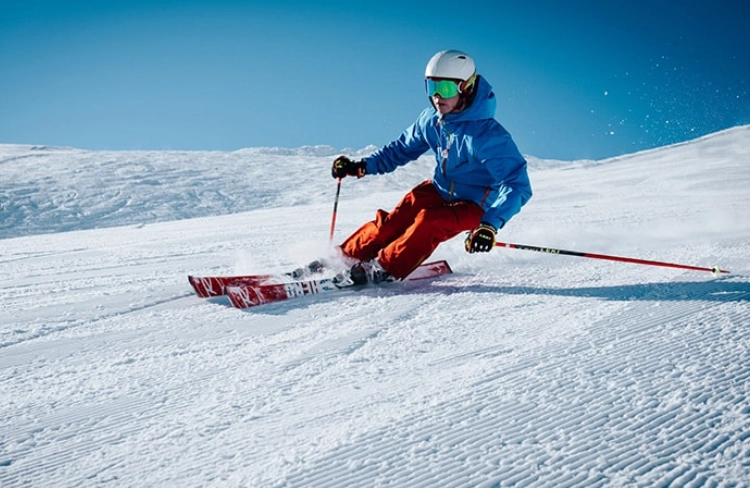
First, your gear. Skis that are too long, too stiff, or too advanced will fight you. For a beginner making this transition, look for a ski labeled "all-mountain frontside" or "intermediate." They're more forgiving. Boots are even more critical. If your heel lifts or your toes are jammed, you lose all communication with your skis. A proper boot fitting is worth every penny—seriously, it's the single best investment in your skiing. Check out the resources from the Professional Ski Instructors of America & American Association of Snowboard Instructors (PSIA-AASI) for finding certified pros who can help.
Second, your basic skills. You should be able to do these in your sleep:
- Confident Wedge Turns: You can link turns down an easy green slope, controlling your speed with a consistent, steady wedge.
- Basic Weight Shifting: You feel comfortable putting more weight on one foot than the other while moving.
- Side-slipping: You can stand across the hill and let your skis slide sideways down the fall line, controlling the slip with your edges. This is HUGE for edge control feel.
- Garlands (or J-turns): This is the bridge exercise. You point your skis downhill, make a gentle turn, then steer back into the hill to stop. It’s a partial turn, and it's the perfect primer.
If any of those sound shaky, spend another day or two on them. Rushing this is the biggest mistake I see.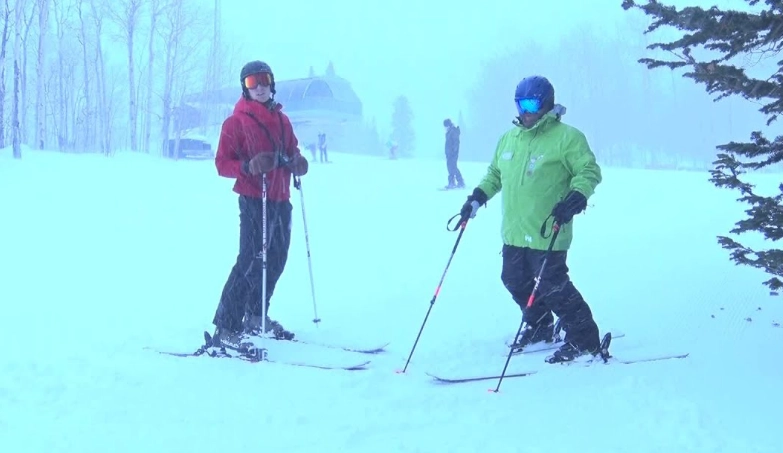
The Step-by-Step Progression: From Wedge to Parallel
This isn't a flip you switch. It's a gradual progression where you slowly shrink the wedge. Think of it as turning down the volume on your old technique while turning up the volume on the new one.
Step 1: The Wedge Christie (or "Wedeln")
This is the secret handshake of the skiing world. You start your turn in a small wedge, but as you go through the turn, you pull the inside ski (the one you're turning toward) back to parallel with the outside ski.
Pick a gentle, wide blue slope. Make a normal wedge turn, but focus on the finish. As you complete the arc and start to level your skis to prepare for the next turn, actively pull that inside ski back in line. Don't think about the start of the turn at all. Just focus on finishing with your skis parallel.
Drill: "Finish the Turn." Say it out loud as you ski. Your only goal for five runs is to end every single turn with skis perfectly parallel, even if they start in a wedge. This builds the muscle memory for the final phase of how to do parallel turns.
Why does this work? It gets you used to having your skis parallel while they're still mostly on the snow, not on a hard edge. It's a safe, controlled feeling.
Step 2: Reducing the Wedge at the Start
Now that you're finishing parallel, let's clean up the beginning. Instead of a big, powerful wedge to start the turn, try to make the smallest wedge you possibly can—just a tiny "V" at the tips of your skis.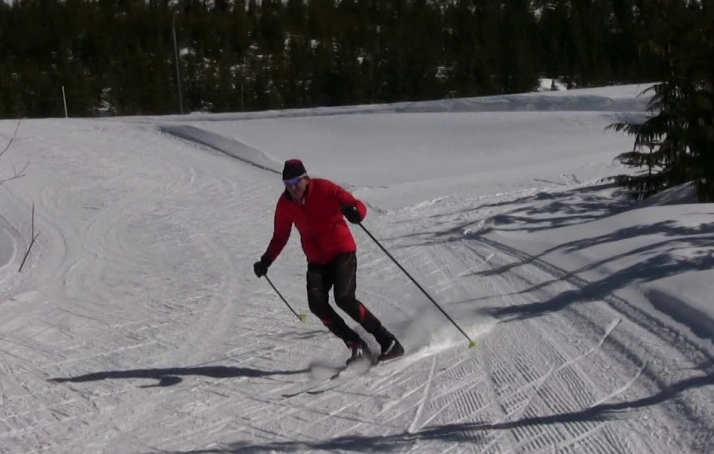
The initiation of the turn now needs a new source. This is where the magic phrase comes in: roll your knees. I hated this cue at first because I didn't understand it. Don't think of a big, dramatic swing. Think of pressing your knee (specifically, the outside knee of the new turn) slightly down the hill and into the turn. This subtle rolling motion starts to engage your edges.
Your feet and ankles are part of this, too.
Imagine you're trying to press the little toe edge of your new outside ski into the snow, while lifting the big toe edge of your soon-to-be inside ski. It's a paired movement. You're not just standing there and hoping—you're actively steering both feet.
Step 3: The "Stemless" or Pure Parallel Initiation
The wedge is gone. Now you're initiating the turn purely from a parallel stance. This is the core of how to do parallel turns. The sequence is everything:
- Unweight: As you finish your last turn and your skis come across the hill, you get a moment of lightness. Some call it an "up" motion, but it's more subtle than jumping. It's just a slight extension of your legs to release the old edges.
- Steer & Roll: In that moment of lightness, you simultaneously steer both feet (like pedaling a bike) and roll both knees (especially the new outside knee) into the new turn. The inside ski follows the outside ski's lead.
- Pressure & Bend: As your skis bite into the new arc, you flex your ankles and knees, applying pressure to the outside ski. This pressure makes the ski bend, and a bent ski wants to turn. You ride that bend through the arc.
It feels less like steering a car and more like guiding a horse. You give a small, precise cue, and the ski responds.
Breaking Down the Key Movements (The Real Nitty-Gritty)
Let's isolate the components. This table might help visualize what each body part should be doing during a right turn.
| Body Part | What It's Doing (During a Right Turn) | Common Mistake |
|---|---|---|
| Feet/Ankles | Pressuring the little toe edge of the left (outside) foot. Guiding the right (inside) foot to follow. Flexing to absorb terrain. | Keeping ankles rigid, or lifting the entire inside ski off the snow. |
| Knees | Left knee rolls down the hill and forward, driving the edge. Right knee follows, pointing toward the left boot. | Letting knees collapse inward ("A-frame"), or not moving them at all. |
| Hips | Facing mostly downhill, staying level and over the feet. A slight angulation (hips inside the turn relative to shoulders) develops. | Swiveling hips around to force the turn ("windshield wiper" hips), or sitting back. |
| Upper Body | Quiet and facing downhill. Hands forward and in sight. Shoulders mostly level. | Rotating shoulders to initiate (the death move), or dropping the inside hand. |
| Pole Plant | A light tap downhill and in front, with the wrist, to mark the turn transition. It's a timing device, not a support. | Swinging the arm wildly, or planting behind the feet. |
Look at that "Common Mistake" column. I've checked every single one of those boxes. The shoulder rotation was my personal nemesis. My brain thought "turn right" meant "point shoulders right." It took a lot of conscious effort to break that.
Common Problems & How to Fix Them
You'll hit these. Everyone does. Let's troubleshoot.
Problem: "My skis keep crossing, and I trip!"
You're probably steering the inside ski *more* than the outside ski. Focus all your pressure and steering intention on the outside ski. Let the inside ski be a lazy passenger. Think "big toe lift" on the inside foot to help.
Problem: "I'm skidding sideways instead of carving."
This is often a lack of edge commitment. You're steering the skis but not rolling onto the edges enough. Practice on a very gentle slope. Make slow turns and focus purely on the feeling of your knee rolling forward and into the hill. Also, check your speed—going too slow can make it hard to engage the edge properly.
Problem: "I feel stuck in the backseat."
Ah, the defensive posture. Fear makes us lean back. Consciously think about keeping your shins pressed into the front of your boot tongues. Imagine a string pulling your belly button down the hill. Practice in a safe zone where you can afford to feel a bit more forward.
Quick Fix Drill: The "Javelin Turn." Hold one pole horizontally in front of you with both hands (like a tray). To turn, you must point the pole where you want to go. This forces your upper body to face downhill and stops shoulder rotation instantly.
Problem: "I can do one turn, but I can't link them smoothly."
The transition is the key. You're likely forgetting to unweight or release your edges between turns. Practice hopping (just a tiny hop) from one set of edges to the other. The hop forces the release. Then soften it into just a smooth extension.
Taking it Further: From Basic Parallel to Carving
Once you're linking comfortable parallel turns, you're not done. This is where the fun really begins. Now you learn how to do parallel turns with more power, precision, and style—this is carving.
Carving means your ski is bent so much that its sidecut dictates the turn, and the tail follows exactly in the track of the tip. No skidding. You get that crisp, railroad track line in the snow.
The difference is in the edge angle and pressure. For a basic parallel turn, you might have a 10-20 degree edge angle. For a carve, you're getting up to 45 degrees or more. You achieve this by greater angulation—tilting your body at the ankles, knees, and hips so your edges are high but your center of mass stays over your base of support.
It's a more athletic, committed stance. You'll feel more G-forces in the turn. The resources on advanced biomechanics from the U.S. Ski & Snowboard organization, which trains Olympic athletes, delve deep into this physics. It's fascinating stuff, but start simple: on a groomed blue, try to make your turns quieter. Listen for the hiss of pure carving, not the scraping of a skid.
Your Questions, Answered
Putting It All Together: A Practice Plan for Your Next Ski Day
Don't just read this and hope. Go out with a plan.
- Warm-up (2 runs): Easy green. Do some side-slips and garlands. Feel your edges.
- Skill Focus (3-4 runs): Pick ONE thing from this guide. Maybe it's "Finish every turn parallel." Or "Roll my outside knee." Do NOT try to fix everything at once. Drill that single skill on a comfortable blue run.
- Integration (2-3 runs): Now, just ski. Try to link turns without overthinking. Let your body use what it just practiced. Notice what feels easier.
- Challenge (1-2 runs): Take your new feeling to a slightly steeper pitch or different snow. See if it holds up. Be prepared to revert a bit—that's normal.
- Cool-down (1 run): Back to an easy run. Make smooth, lazy turns. Cement the feeling of success.
The path to learning how to do parallel turns is a journey of small victories. Celebrate the first time you link three turns without a wedge. Celebrate the first quiet carve. It's not about perfection; it's about the constant, rewarding feeling of getting better.
Now go get on snow.
Take this guide, pick one piece to work on, and feel the difference. That moment when your skis finally work with you, not against you, is worth every bit of the struggle. See you out there.