Your Quick Navigation
- Who is Adaptive Water Skiing For, Really?
- The Gear: It's Not Just a Rope and a Pair of Skis
- Who Can Actually Do This Sport?
- Essential Adaptive Water Skiing Equipment
- Learning to Ski: What Actually Happens
- Safety: The Non-Negotiable Part
- Finding Programs Near You
- The Psychological Benefits Are Real
- Common Questions (That People Are Often Afraid to Ask)
- The Community Aspect
- Making It Sustainable
Let's be honest, the first time you see someone with a physical disability flying across the water on skis, it kind of takes your breath away. It looks impossible. Thrilling. And maybe a little bit crazy. But that's the magic of adaptive water skiing. It's not about focusing on limitations; it's about engineering and adapting the sport to smash through them. If you're sitting there wondering, "Could I, or someone I know, actually do this?" – the answer is a resounding yes, more than you might think.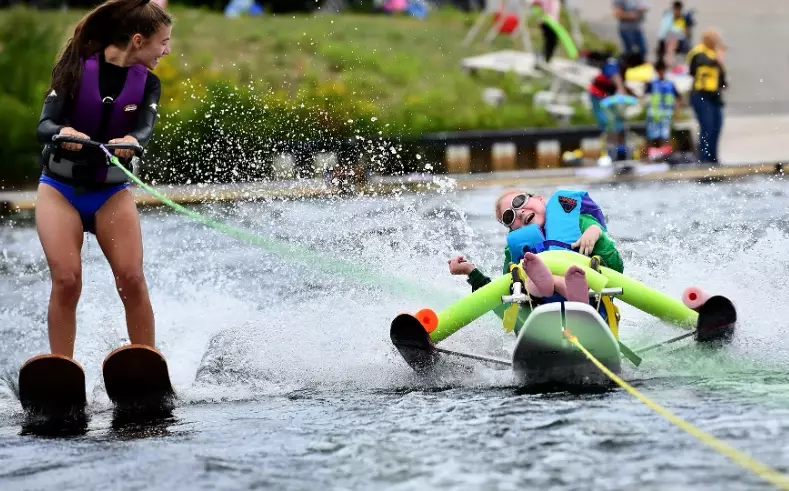
I remember seeing a demo at a lake years ago. A guy with a spinal cord injury was in a cage-like seat, getting towed up. The boat took off, and he just... rose up and planed on the water. The grin on his face was absolutely electric. That's the moment I got it. This isn't just a niche activity; it's a gateway to a feeling of freedom and speed that many thought was permanently off the table.
This guide isn't just a dry list of facts. We're going to walk through the real stuff: the gear that makes it work, how you actually learn, where to find it, and the nitty-gritty questions everyone has but is sometimes afraid to ask. Whether you're a potential participant, a family member, or just curious, consider this your friendly, no-BS handbook.
Who is Adaptive Water Skiing For, Really?
This is probably the biggest question. The scope is way broader than people assume. We're not just talking about one type of disability. Adaptive water skiing programs have successfully included individuals with a huge range of conditions. Think of it less about a diagnosis and more about a shared goal: finding a way to get on the water.
Common Participant Profiles
You'll find folks with spinal cord injuries (paraplegia, quadriplegia) are some of the most visible participants, often using sit-skis. But the community is vast. Amputees, both upper and lower limb, use specialized outriggers and prosthetics. People with cerebral palsy, spina bifida, or muscular dystrophy find ways to adapt based on their strength and control. Even individuals with visual impairments or blindness can ski with auditory cues from the boat. The key is a good instructor and a program that knows how to assess and adapt.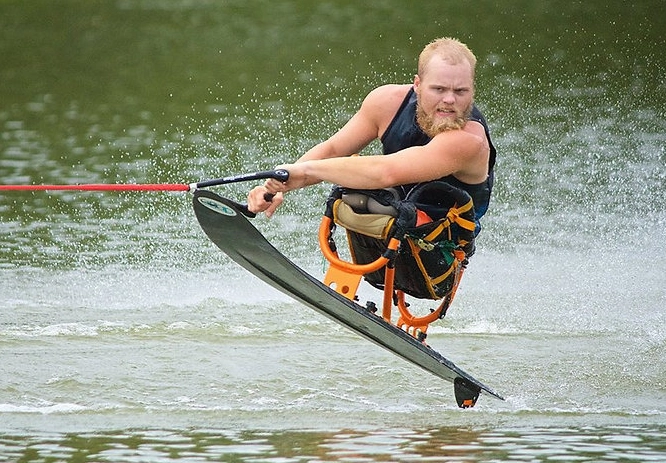
What about age? I've seen determined kids as young as five and spirited adults well into their 70s giving it a go. It's less about age and more about overall health, a willingness to try, and finding a program with the right safety protocols. A good program will require a medical release form, and they'll have a chat with you about your specific situation. It's for your safety and theirs.
The Gear: It's Not Just a Rope and a Pair of Skis
This is where the "adaptive" part gets really interesting. The innovation in equipment is what turns a dream into a wet, splashy reality. Forget the image of two long skis. The toolbox for adaptive water skiing is diverse and clever.
The Main Event: Sit-Skis (or Ski Karts)
For many who can't stand, this is the game-changer. It's essentially a seat mounted on one or more skis. But not all sit-skis are created equal. Some are simple bucket seats on a wide ski for stability. Others are more complex cages with straps, padding, and even suspension systems to absorb bumps. The top-tier ones are custom-molded to the individual's body, offering incredible control and comfort. The level of support varies – some are for total trunk support, others assume you have some core strength.
A Quick Comparison of Sit-Ski Types
| Type | Best For | Key Features | Skill Level |
|---|---|---|---|
| Beginner/Recreational Sit-Ski | First-timers, lower body mobility impairments | Wide single ski, high-backed seat with full torso straps, very stable | Novice |
| px solid #ddd; } |
.article-special tr:nth-child(even) { background-color: #f8f9fa; }
.article-special ul, .article-special ol { margin: 15px 0; padding-left: 30px; }
.article-special li { margin: 8px 0; }
.article-special a { color: #4a7c59; text-decoration: underline; }
.article-special .short-paragraph { margin: 5px 0; font-style: italic; }
.article-special .equipment-table { background-color: #f0f7f4; border-radius: 8px; overflow: hidden; }
.article-special .equipment-table th { background-color: #3a6b4a; }
I still remember the first time I saw someone with a spinal cord injury water skiing. Honestly, I was skeptical. How could someone with limited lower body movement possibly balance on skis? But watching them glide across the water with this huge grin - it completely changed my perspective on what's possible.
Adaptive water skiing isn't just some niche activity for the super-athletic. It's become this incredible sport that's opening up water recreation to people who might have thought their skiing days were over. Or maybe never thought they'd experience the thrill of skimming across a lake at all.
What exactly is adaptive water skiing? It's modified water skiing designed for people with physical disabilities, using specialized equipment and techniques to make the sport accessible. Think sit-skis instead of stand-up skis, outriggers for balance, and modified boats with accessible boarding systems.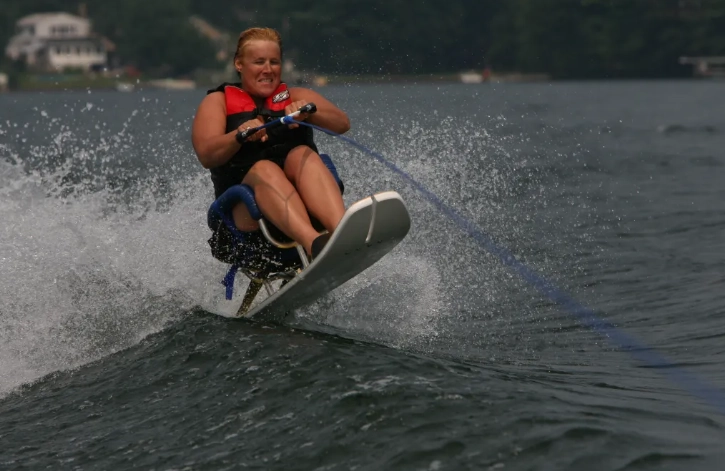
Who Can Actually Do This Sport?
This question comes up a lot. People assume adaptive water skiing is only for certain types of disabilities, but the reality is much more inclusive.
I've seen participants with amputations, spinal cord injuries, cerebral palsy, visual impairments, even multiple sclerosis. The adaptations are so varied now that if you have some upper body strength and the desire to try, there's probably a way to make it work.
But here's the thing - you don't need to be some super-human athlete. The equipment and training have evolved to accommodate various ability levels. I've helped first-timers in their 60s who haven't been on the water since they were kids.
The barrier isn't usually physical capability - it's often just not knowing where to start.
Essential Adaptive Water Skiing Equipment
The right gear makes all the difference. When I first got involved with adaptive water skiing programs, the equipment innovation blew me away. It's not just about making things accessible - it's about making them work well.
| Equipment Type | Who It's For | Key Features |
|---|---|---|
| Sit-Skis (Water Ski sleds) | Lower body mobility limitations | Bucket seats, adjustable straps, flotation devices |
| Outriggers | Balance challenges, beginners | Small ski-like floats attached to poles |
| Modified Handles | Limited grip strength | Larger grips, wrist supports, special harnesses |
| Boom Systems | All levels, especially beginners | Fixed pole extending from boat for stability |
| Adaptive Life Jackets | All participants | Extra flotation, front closures, high visibility |
The sit-ski technology has come incredibly far. Early models were basically floating chairs, but now they have these sophisticated suspension systems and customizable seating. I've seen sit-skis designed specifically for single amputees that allow them to ski standing up with support.
Outriggers are another game-changer. They look like small water wings attached to ski poles, and they provide just enough stability to prevent wipeouts while still letting you feel the thrill of skiing.
Finding the Right Equipment
Here's where most people get stuck - the cost. Custom adaptive water skiing equipment isn't cheap. A good sit-ski can run $2,000-$5,000. But before you panic, most programs provide equipment for participants.
The adaptive water skiing community is incredibly supportive. I've never seen a program turn someone away because they couldn't afford equipment. Many have loaner gear, and there are grants available through organizations like Disabled Sports USA.
Pro tip: Don't buy equipment until you've tried different types. What works for one person's adaptive water skiing needs might not work for yours. Most programs let you test various setups.
Learning to Ski: What Actually Happens
People imagine this intense, scary process, but modern adaptive water skiing instruction is surprisingly gradual and supportive.
Your first session will likely start on dry land. They'll get you comfortable with the equipment, show you the body mechanics, and practice the signals you'll use with the boat driver. No pressure to actually get in the water until you're ready.
When you do hit the water, most programs use a "boom" first - this is a fixed pole that extends from the boat. You hold onto it while the boat moves slowly, so you're never more than a few feet away. It eliminates the fear of being alone in the water.
The boom is like training wheels for water skiing.
From there, you progress to short rope lengths, then eventually to the full rope. The entire process is tailored to your comfort level. I've seen people go from never having skied to doing full runs in a single day. Others take several sessions to feel confident. Both are completely normal.
Working with Instructors
Certified adaptive water skiing instructors undergo specialized training through organizations like USA Water Ski. They're not just regular ski instructors who took a weekend course - they understand disability-specific considerations.
They know about transfer techniques, communication methods for different disabilities, and how to modify instruction based on your specific mobility. Some even have disabilities themselves, which I find incredibly valuable for understanding the real challenges.
Safety: The Non-Negotiable Part
Safety in adaptive water skiing goes beyond just wearing a life jacket. There are specific considerations that many people don't think about until they're faced with them.
For participants with limited sensation, monitoring for fatigue and overheating is crucial. You might not feel that you're getting sunburned or that a strap is rubbing wrong. The spotter in the boat plays a critical role here.
Communication systems are another big one. Standard hand signals might not work for everyone. Many programs use adaptive signals - colored paddles, whistle systems, even two-way radios for those who can't use hand signals.
Water temperature matters more than you'd think. People with certain spinal cord injuries can have temperature regulation issues. I've seen programs use wetsuits even in what seems like warm water because of this.
Finding Programs Near You
This is probably the most common question I get: "How do I even find a place that offers adaptive water skiing?"
Start with the International Waterski & Wakeboard Federation - they maintain directories of certified adaptive programs. Most are surprisingly affordable, often operating as nonprofits with volunteer staff.
Many are connected with rehabilitation hospitals or disability organizations. I always recommend calling ahead and asking about their specific experience with your type of disability. Some programs specialize in certain conditions.
Don't assume because a program exists that it's the right fit for you.
The Psychological Benefits Are Real
I can't overstate how transformative adaptive water skiing can be beyond the physical activity. The psychological impact is profound.
There's something about being on the water that feels freeing in a way land sports don't. The water supports your body, gravity matters less, and for people who use wheelchairs, it's one of the few places where mobility isn't a constant struggle.
I've seen participants describe it as the first time they felt truly athletic since their injury or diagnosis. The confidence boost translates to other areas of life too. People take on new challenges at work, in relationships, in their daily mobility.
Common Questions (That People Are Often Afraid to Ask)
The Community Aspect
What surprised me most about adaptive water skiing wasn't the sport itself, but the community that's grown around it. There are regional competitions, social events, even international tournaments.
Participants often form lasting friendships. There's a shared understanding of the challenges and triumphs that creates strong bonds. Many programs have mentorship components where experienced skiers help newcomers.
The adaptive water skiing community actively shares equipment innovations and techniques. It's not competitive in a cutthroat way - everyone seems genuinely invested in helping others succeed.
Making It Sustainable
If you try adaptive water skiing and love it, the next question is how to make it a regular part of your life. The cost and logistics can be daunting.
Many participants eventually purchase their own equipment, often through second-hand markets within the community. Some form small groups to share boat costs or find local lakes with accessible facilities.
Volunteering with programs is another way to stay involved while reducing costs. Many offer reduced fees or free skiing in exchange for helping with events or administrative tasks.
The bottom line: Adaptive water skiing has evolved from a niche activity to a well-established sport with robust support systems. The barriers are lower than most people assume, and the benefits extend far beyond physical recreation.
What started as curiosity for me has turned into a passion for helping others discover this incredible sport. The look on someone's face when they realize they can water ski despite their disability - that never gets old.
If you're considering trying adaptive water skiing, my advice is simple: just make the call. The hardest part is often taking that first step to contact a program. The rest tends to fall into place with surprising ease.
The equipment and techniques for adaptive water skiing continue to improve each year. What seemed impossible a decade ago is now routine. I can't wait to see where the sport goes next.