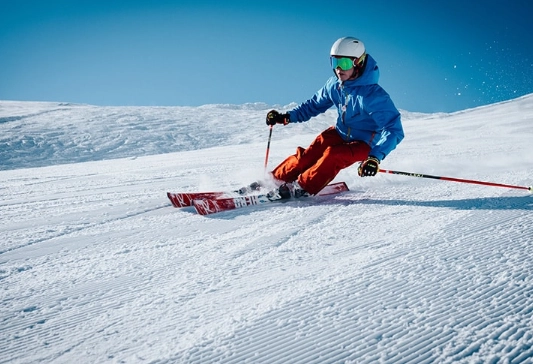
You see them strapped to wrists, dangling from lifts, and planted firmly in the snow at every resort. But in an era of shaped skis, powerful boots, and freestyle dominance, a quiet question echoes in lift lines and lodge conversations: do people still really need ski poles?
The short answer is yes, but not in the way you might think. They're no longer just mandatory accessories. Their role has evolved, splintered, and become a matter of personal style and specific terrain. This isn't about listing pros and cons you've read a dozen times. It's about understanding the nuanced, modern reality of pole use from the perspective of someone who's watched the sport change over two decades.
Quick Navigation: What You'll Find Here
The Core Question, Answered Straight Up
Look around any major ski area. The vast majority of skiers—probably 85% or more—still use poles. But the "why" has shifted. For most recreational alpine skiers, poles are less about propulsion (like classic cross-country) and more about three key things: rhythm, balance, and timing. They're a metronome for your turns. A third and fourth point of contact with the mountain that helps initiate a carve, manage pressure, and maintain a centered stance.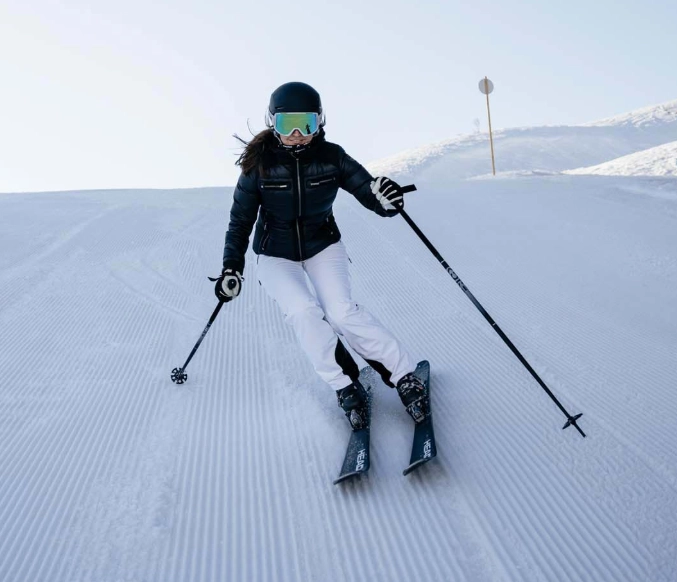
I learned this the hard way. Early in my instructing days, I'd have students ski a run without poles to fix their stance. It worked wonders for stopping them from leaning on their poles like crutches. But when we gave the poles back, the good habits often stuck because they learned to use the poles, not be used by them.
The biggest misconception? That poles are for pushing or braking. In modern alpine technique, they're primarily for timing and balance. Using them to slow down is a sign of poor technique and a fast way to wreck your shoulders.
The 3 Modern Roles Poles Actually Play
Forget the old-school ideas. Here’s what poles do for today’s skier:
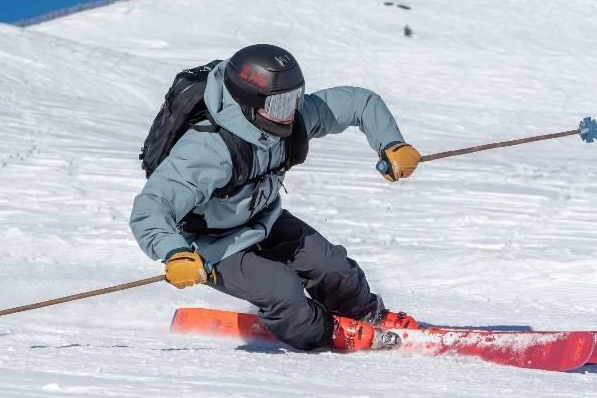
- The Turn Initiator: A light pole plant (I stress *light*) at the start of a turn helps with upper-lower body separation and commits your weight to the new outside ski. It’s a cue, not a crutch.
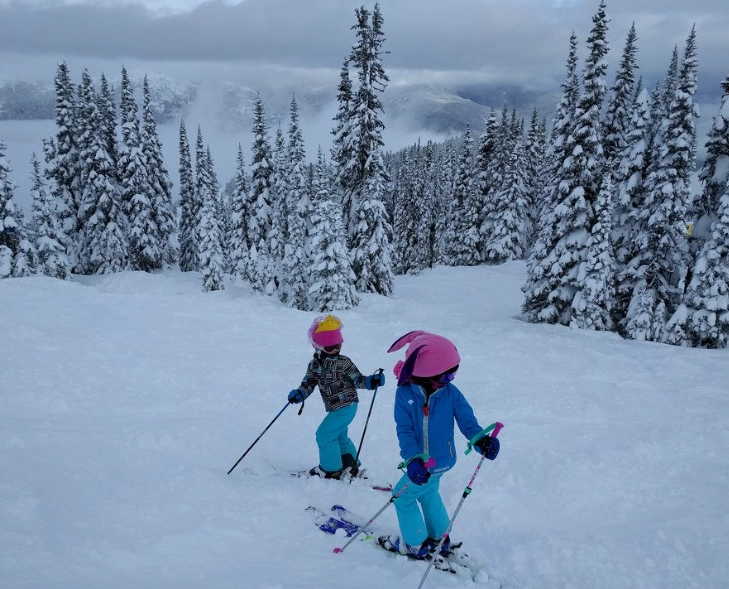
- The Flat Ground Navigator: This is their most practical, undeniable use. Traversing a cat track, getting to the lift, or shuffling through a crowded base area. Trying to do this without poles is like trying to walk on ice in socks—possible but deeply inefficient and awkward.
- The Stability Anchor in Variable Terrain: In bumps, crud, or steep, uneven snow, a quick, reactive pole plant can be the difference between a recovery and a faceplant. It provides a momentary pivot point when the snow tries to knock you off balance.
Where do they fall short? In deep powder. A common mistake intermediates make in fresh snow is trying to pole plant like they do on groomers. In bottomless powder, your pole often just disappears, doing nothing. Advanced skiers learn to use a more subtle, higher plant or even a "popping" motion off the snow surface. Sometimes, in the deepest days, you’ll see experts tuck their poles across their body because swinging them can actually throw off your floaty balance.
Your Ski Style Dictates Your Pole Need
This is where the blanket answer disappears. Whether you need poles is almost entirely dependent on how and where you ski.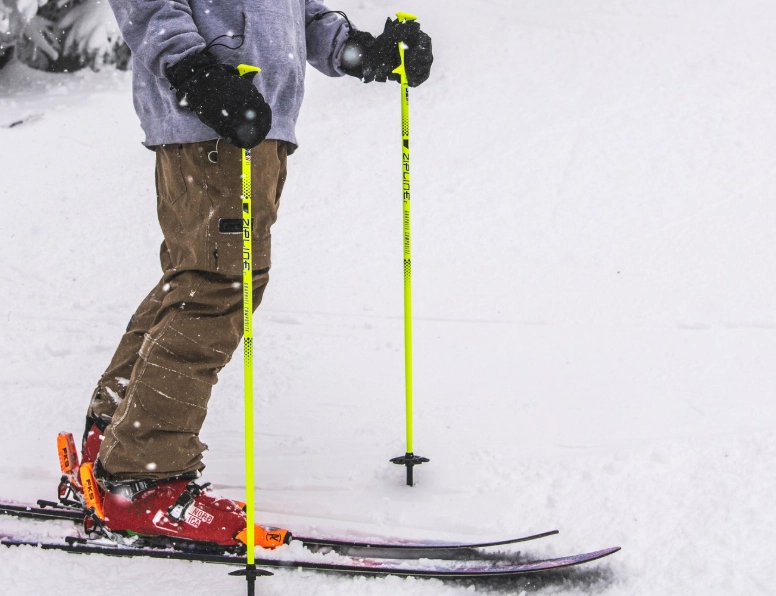
Alpine / Resort Skiing
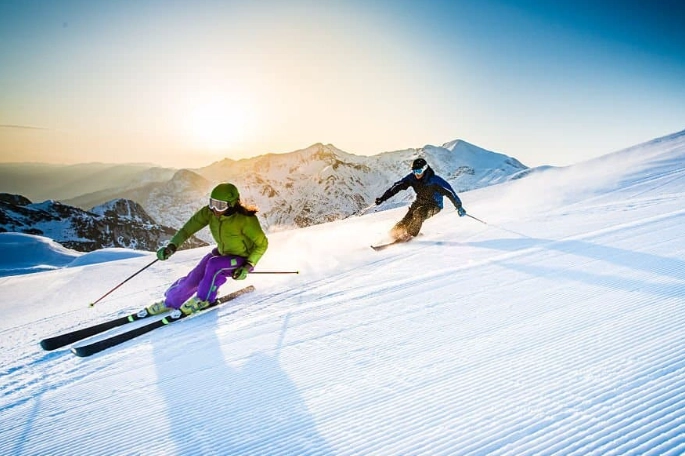
For the typical resort skier carving groomers, navigating moguls, and exploring off-piste pockets, poles are highly recommended. They integrate seamlessly into efficient technique. Watch a World Cup skier—every turn is synced with a pole plant. That’s the ideal, rhythmic form. For you, it means less fatigue and more control.
Freestyle & Park Skiing
This is the main arena where poles have become optional, even a hindrance. In the terrain park, poles can get caught on rails, limit grab options, and are generally just something else to manage during spins and flips. Most park rats ditch them. It’s a pure style and practicality choice. If your day is 80% park, leave them in the car.
Backcountry & Touring
Here, poles are non-negotiable equipment, but their function changes completely. On the uphill skin track, they are critical for propulsion and saving your legs. Modern touring poles are lightweight, often adjustable, and have large powder baskets. During the descent, they revert to their alpine roles but are even more vital for stability in unpredictable snow.
Let’s break it down visually:
| Skiing Discipline / Style | Pole Necessity Level | Primary Function | Watch Out For... |
|---|---|---|---|
| Beginner Alpine (Green Runs) | Low (Often provided but not crucial) | Aid for standing up, minimal flat-ground movement. | Over-reliance. Using them as a brake or to prevent a fall (won't work). |
| Intermediate/Advanced Alpine (All-Mountain) | High | Turn timing, rhythm, balance, flat navigation. | "Stabbing" the snow instead of a light, forward plant. |
| Freestyle & Terrain Park | Very Low to None | Mostly a liability. Used by some for approach or style. | Getting hooked on features. Limiting arm movement for grabs. |
| Backcountry Touring | Essential | Uphill: Propulsion, balance. Downhill: Stability in variable snow. | Collapsible poles failing. Using tiny resort baskets in deep snow. |
| Deep Powder Skiing | Moderate to Low | Subtle balance aid. Often used less aggressively. | Planting too deep and getting thrown forward when the pole stops suddenly. |
The "Do I Need Them?" Decision Guide
Still on the fence? Ask yourself these questions next time you're planning a ski day:
- What's the terrain? A day of groomers and moguls? Bring them. A park-focused session? Consider leaving them.
- How do you get around the mountain? If your resort has long, flat traverses (looking at you, some spots in the Alps and Lake Tahoe), you will regret not having poles.
- What's your skill level? Beginners can benefit from learning without poles initially to focus on feet and stance. Intermediates benefit hugely from learning proper pole use. Experts make a conscious choice based on the day's goals.
- Try a test run. It’s the best way. Ski your first run of the day without poles. See how it feels. Do you miss them immediately? Or do you feel freer? Then do a run with them. The contrast will tell you everything.
A personal story: I spent a season coaching a freestyle team. For the first month, I insisted the kids use poles for all-mountain skiing to build rhythm. For park sessions, they'd stash them. By mid-season, some had developed such a fluid, pole-less style everywhere that we let them run with it. Their skiing wasn't worse; it was just different. It taught me that the tool should serve the skier, not the other way around.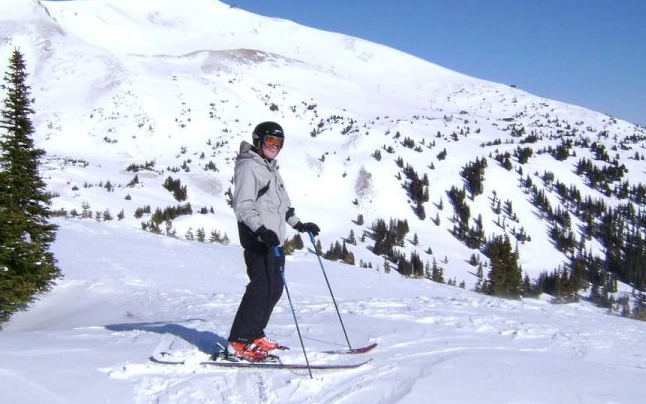
Your Pole Questions, Honestly Debunked
Please don't. Those pros are typically in one of three scenarios: 1) Filming a specific, stylized powder segment where poles might interrupt the flow, 2) In the terrain park, or 3) They are so exceptionally skilled that they can maintain rhythm and balance through pure body mechanics. For the average skier, mimicking this often leads to a static, arm-awkward stance and a lot of stumbling on flats. Focus on function, not imitation.
Most professional teaching systems, like the one from the Professional Ski Instructors of America (PSIA), introduce poles only after a skier has developed a basic balanced, gliding stance and can make linked wedge turns. Starting without poles prevents the "pole-dragging" brake habit and forces focus on the skis. Rentals usually include poles, but it's perfectly fine to tell the rental tech your beginner won't need them for the first day or two.
Absolutely. This is the subtle error most articles miss. A heavy, backward pole plant (stabbing the snow behind you) can literally block your body from moving forward into the new turn, causing you to get stuck in the backseat. Leaning on your poles to rest or slow down creates a false sense of security and ruins your independent leg balance. Bad pole technique reinforces bad skiing. Sometimes, skiing without them for a few runs can reveal and break these habits.
Keep your hands forward and in your field of vision. Imagine you're holding a tray of drinks in front of you, just below eye level. Your pole plant should be a light tap slightly ahead of your boots, not a forceful jab to the side or behind. If you're looking down at your hands, they're too low. This forward hand position alone will improve your stance and make your pole use more effective.
So, do people still use ski poles? The landscape has diversified. They're no longer an unquestioned mandate but a specialized tool. For the all-mountain enthusiast, they remain a valuable part of the kit, deeply integrated into efficient technique. For the park specialist, they're often discarded baggage. The answer lies not in tradition, but in your personal ski style and the mountain's demands that day. The modern skier has the freedom to choose—and that's the real evolution.