Quick Navigation
- The Undisputed Champion: Why "Sick" Reigns Supreme
- The Full Roster: Beyond "Sick" - A Glossary of Stoke
- How to Use Ski Slang Without Sounding Like a Try-Hard
- The Culture Behind the Words: Why This Slang Exists
- Common Questions & Misconceptions (The FAQ You Actually Need)
- Putting It All Together: Your Quick-Start Guide to Sounding Dialed
Let's get straight to it. You're standing in a lift line, or maybe you just watched someone absolutely rip down a chute, and you hear it. A shout, a whoop, a word that sounds like it belongs more in a hospital than on a mountain. That's the sound of ski slang doing its thing. And the number one question I get from newcomers is this: what is ski slang for awesome? What's that one word that captures the feeling of perfect turns in untouched powder?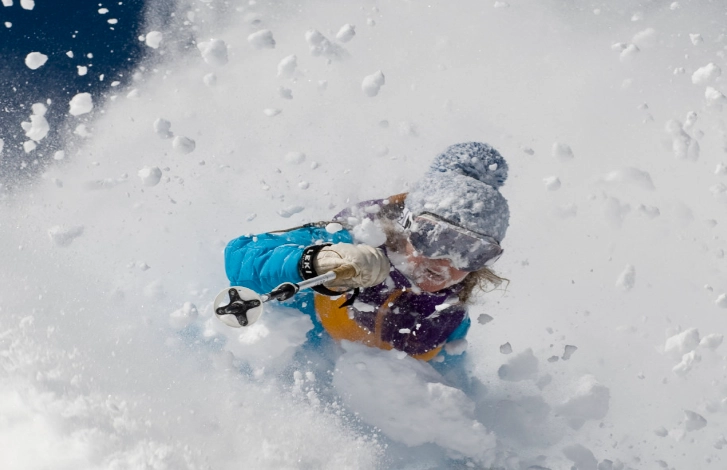
The short, no-BS answer? Sick.
That's your one-word king. But honestly, if we stop there, we're doing the whole rich, weird, wonderful world of mountain speak a massive disservice. It's like saying the only color in a sunset is orange. You're missing the purple, the pink, the deep blue. So, if you're genuinely asking "what is ski slang for awesome?", you're not just asking for a dictionary entry. You're asking for a key to a culture. You want to know how to sound like you belong, how to express that pure, unfiltered stoke that hits you when the conditions are perfect. That's what we're diving into today.
I remember my first season out West, hearing guys talk about the day being "all-time" and thinking they meant it took all day. I was very wrong. That moment of confusion is exactly why a simple list of words isn't enough. You need the context, the feel, the when and how to use them.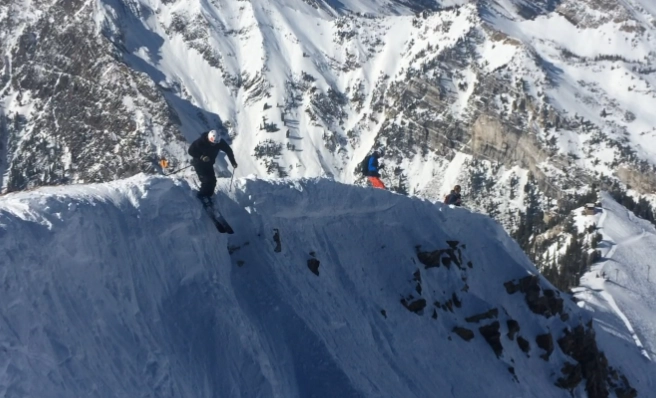
The Undisputed Champion: Why "Sick" Reigns Supreme
Okay, let's break down the champ. Sick isn't just a word; it's a feeling. It's the go-to exclamation for something that is so exceptionally good, so mind-bendingly cool, that it almost feels wrong. It transcends "awesome" or "great." It implies a level of skill, style, or natural conditions that are next-level.
But here's the nuance that most guides skip. "Sick" has gradients. A "sick line" is a great, challenging run. A "sick day" is a very good day. But if someone says, "That was absolutely mental," they might be dialing the intensity up a notch beyond even sick. It's a spectrum, you know?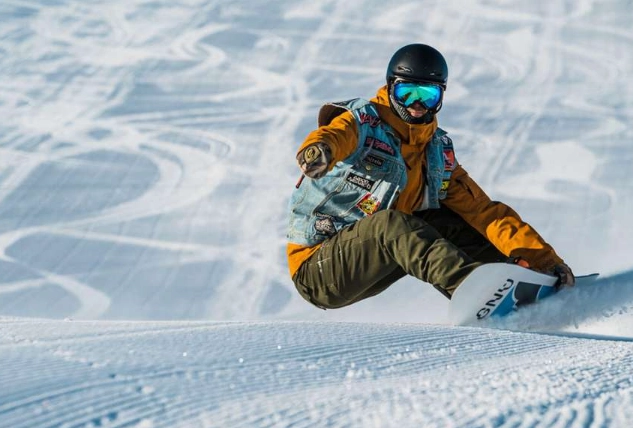
The beauty of "sick" is its versatility. It can be an adjective ("sick trick"), a standalone exclamation ("Sick!"), or even a verb in a stretched sense ("He absolutely sicked that line"). Its origins are murky, likely bleeding in from surf and skate culture decades ago, but on the mountain, it's fully native now.
So, if you only learn one term, make it this one. When in doubt, "sick" works. But let's be real, you didn't come here just for one word. You want the full vocabulary.
The Full Roster: Beyond "Sick" - A Glossary of Stoke
Calling "sick" the answer to "what is ski slang for awesome" is true, but it's the headline act in a full festival lineup. Here are the other key players, the ones you'll hear echoing through the trees and off the chairlift towers.
The Heavy Hitters (Common & Powerful)
- Epic: This is for the big one. The day that will be remembered for seasons. A foot of fresh snow, bluebird skies, no lift lines. It describes scale and legendary status. Overuse dilutes it, so save it for the truly special days. "The storm cycle last week was epic."
- Legendary: Similar to epic, but often applied to a person's run or a specific moment. "His run through Corbet's Couloir was legendary." It has a historical weight to it.
- Filthy / Nasty: These are close cousins to "sick." They describe something done with such aggressive skill or in such difficult conditions that it's almost disrespectful to the mountain (in a good way). "That butter-to-360 was filthy." "He took a nasty line through those rocks."
- Pitted: A personal favorite. This comes straight from surf culture, describing being deep inside the barrel of a wave. On snow, it means being fully engulfed in the powder spray, totally committed to the turn. "So pitted!" is the cry when someone disappears in a cloud of cold smoke. The FIS Snowboard World Cup commentators use it a lot during slopestyle events when riders get deep in the halfpipe.
The Condition-Specific Praise
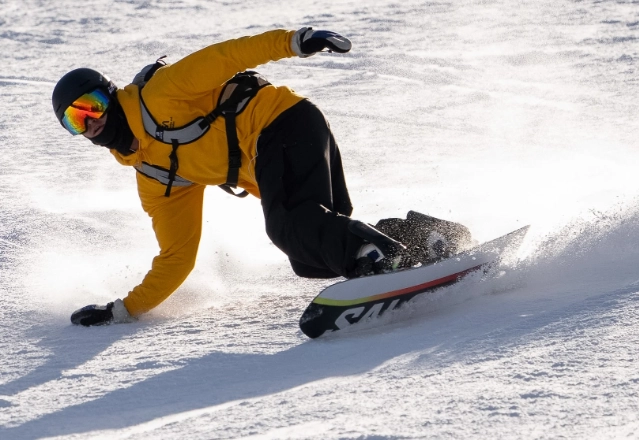
- Buttery / Butter: Specifically for smooth, effortless, flowing movements. A "buttery" run has no jerks, no stops, just seamless carves and transitions. It's the highest compliment for style and flow.
- Deep: The simple, pure joy of powder. "It's deep out there!" means there's a lot of fresh snow. The deeper, the better.
- Blower / Blower Pow: The holy grail of powder. Light, dry snow that blows up over your shoulders with every turn. It's not heavy or wet; it's perfect. This term is non-negotiable in places like Utah or Japan. The Utah Snow Sports community practically has this word on its flag.
- Hero Snow: My absolute favorite term for conditions. This is snow that makes you feel like a hero. It's forgiving, grippy, and lets you attempt things beyond your usual skill level. Usually a bit softer, maybe a day after a storm. It's the snow that builds confidence.
The Underrated & Regional Gems
- All-Time: As I learned the hard way, this means the best of the best, ever. "That was an all-time run." It's a permanent entry in your personal hall of fame.
- Stomped: Specifically for landing a jump cleanly and solidly. "He stomped the landing" means he nailed it, no wobble, no hand drag. The opposite is "washing out" or "slapping."
- Send it / Full Send: More of a verb than an adjective, but it describes the awesome act of commitment. It means going for something with 100% effort, no hesitation. The result of a successful "send" is usually described as sick, epic, or filthy.
- Dope / Fire: These have crossed over massively from broader youth culture, but they're fully integrated on the mountain now. "That new board is fire." "Dope line!" They're a bit more casual than "sick."
See? If you were just looking for a one-word translation for awesome, you now have a dozen. But we're just getting started. Knowing the words is step one. Knowing how to use them without sounding like a total gaper is the real trick.
How to Use Ski Slang Without Sounding Like a Try-Hard
This is the part most articles ignore. They give you the words but not the music. Throwing out "sick" or "epic" at the wrong moment is the fastest way to get a subtle side-eye from the locals. It's about authenticity.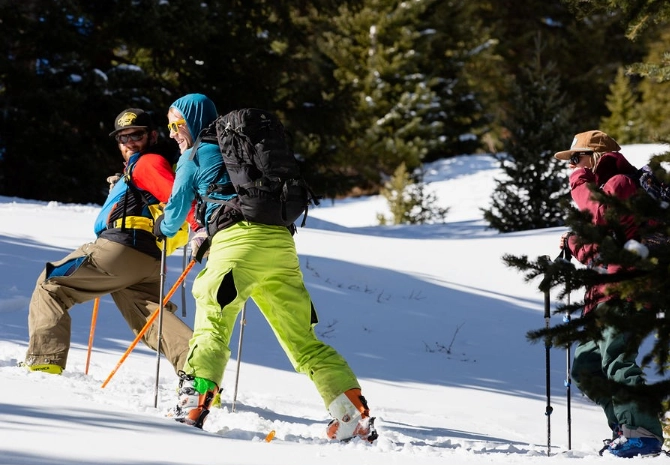
First rule: Don't force it. If you're a beginner and you come out of a green run yelling "That was absolutely mental!", people will know. The slang should match the experience. A perfectly groomed blue run on a sunny day is "great" or "really fun." Save "mental" for the double-black diamond you just survived.
Second rule: Listen first. Spend a day on the chairlift just eavesdropping (not in a creepy way). Hear how the patrollers, instructors, and season pass holders talk. Notice the rhythm. It's often understated. A simple nod and a "Pretty good out there" from a grizzled local can mean it's the best day of the year. Conversely, a loud, over-the-top "THIS IS THE MOST EPIC DAY EVER!!!" from someone on day one often means it's just... pretty good.
Third rule: Context is king. Use the specific words for specific things.
| If you want to say... | And the situation is... | Try this slang... | Instead of this (which might be wrong)... |
|---|---|---|---|
| The snow is amazing | Light, dry powder flying everywhere | "It's blower out there!" or "So pitted!" | "It's sick!" (vague) |
| The snow is amazing | Soft, forgiving, perfect for learning | "Hero snow today, man." | "Epic powder!" (overkill) |
| Someone rode well | With incredible smoothness and style | "So buttery." | "He's a good skier." (boring) |
| Someone rode well | With aggressive, powerful turns | "He's charging." or "Filthy." | "He's fast." (reductive) |
| The day was great | Good snow, good friends, no issues | "Solid day." or "Really fun." | "It was all-time!" (save for your top 3 days ever) |
The goal isn't to memorize a script. It's to absorb the vibe. After a while, the right word just comes out because it's the one that actually fits what you're feeling. That's when you know you're getting it.
The Culture Behind the Words: Why This Slang Exists
You can't really answer "what is ski slang for awesome" without asking why this slang exists. It's not random. This language serves a real purpose in the mountain ecosystem.
First, it's a shorthand for shared experience. Saying "blower pow" instantly communicates a specific, complex set of sensations—the sound, the feel, the sight—to another skier. It builds instant camaraderie. You both know. You don't need a 10-minute description.
Second, it creates an in-group identity. This is human nature. Having a specialized vocabulary separates those who are deeply into the culture from the casual visitors. It's not about being exclusionary in a mean way, but about recognizing a shared passion. Knowing the lingo is a badge that says, "I get it. I'm part of this."
Third, and maybe most importantly, standard language often fails. "Awesome" is a great word, but it's been used for everything from a pizza to a movie. How do you describe the feeling of floating through cold smoke at dawn, with the only sound being the whoosh of your skis? "Awesome" doesn't cut it. "Sick" gets closer. "A spiritual experience in blower pow" might be the real answer, but that's a mouthful on a chairlift. The slang evolves to fill the emotional gap.
Organizations like the Professional Ski Instructors of America & American Association of Snowboard Instructors (PSIA-AASI) have their own technical jargon for teaching, but the slang on the hill is the living, breathing language of the sport itself.
Common Questions & Misconceptions (The FAQ You Actually Need)
Is "Gnarly" Still Used?
Oh, man. "Gnarly." This is the granddaddy of extreme sports slang. It's a bit... dated. If you use it unironically, you might get a chuckle. Its original meaning was closer to "dangerous" or "intense," not purely "awesome." You might still hear it describing a super technical, scary line ("That couloir looks gnarly"), but as a pure synonym for cool, it's mostly retired. Let the 80s films keep it.
What's the Difference Between Ski and Snowboard Slang?
This used to be a thing. In the old rivalry days, snowboarders might have leaned more on terms from skate and surf (pitted, stoked, rad), while skiers had their own vibe. Today, it's almost entirely blended. The cultures have merged on the mountain. A park skier and a park snowboarder speak the same language. The slang is now mountain slang, not segregated by equipment. You'll hear a skier say "stoked" and a snowboarder say "sick" without a second thought.
How Do I Learn More Naturally?
Don't study a list. Immerse yourself. Watch current ski and snowboard films (not just the big Hollywood ones). The cinematography in films by brands like Teton Gravity Research or in the Freeride World Tour broadcasts is incredible, and the commentary is a goldmine of authentic, contemporary slang. Listen to the athletes being interviewed. They're the native speakers.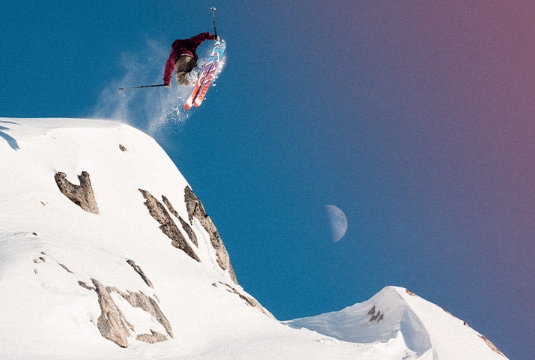
What's the Biggest Mistake Beginners Make?
Over-enthusiasm with the top-tier words. Calling every run "epic" or every fall line "sick" drains the meaning. Start with the simpler, more general praise. "That was fun!" "Great turns!" "Nice one!" These are always safe, always appreciated, and never sound fake. As you experience more and your stoke grows naturally, the more specific slang will start to flow out on its own.
Putting It All Together: Your Quick-Start Guide to Sounding Dialed
Let's synthesize this. If you're heading to the mountain this weekend and want to engage without sticking out, here's a practical, no-pressure plan.
- Listen More Than You Talk: For the first day, just absorb. Hear what people are saying in real situations.
- Master the Universal Nod: A head nod, a smile, and a "Morning" or "How's it going?" are the true universal language. You don't need slang for this.
- Start with One Word: Pick one word from the "heavy hitters" list that you genuinely like. Maybe it's "solid" or "fun." Use it when it feels right. Don't try to use all of them.
- Describe What You See, Not Just How You Feel: Instead of forcing an adjective, try describing. "The snow is so soft over here!" "This run has an amazing view." This is authentic and leads naturally into conversations.
- When in Doubt, Keep It Simple: "That was awesome!" is still a perfect thing to say. Really. It's clear, it's positive, and it's never wrong. The slang is a flavor, not a requirement.
Remember, the goal of all this language is connection. It's about sharing the stoke. The words are just tools for that. If you're genuinely excited and respectful, people will respond to that energy far more than to your vocabulary.
So, what is ski slang for awesome? It's a whole world of expression born from a shared love of mountains, snow, and the freedom of sliding down them. It starts with "sick," but it lives in a hundred other words that try to capture the uncapturable feeling of a perfect day on the hill. Don't just learn the words. Go out and earn the feelings that created them. That's the real answer.
Now get out there. Hopefully, you'll find it deep, blower, and buttery. And if you do, you'll know exactly what to call it.