Quick Navigation
So you're stuck. Maybe your car decided to take a nap in a snowbank. Maybe your buddy's Jeep is buried up to its axles in mud. Or maybe you just need to haul a broken-down vehicle off the road. In that moment of frustration, you start searching, and the term "tow rope" pops up. But what is the meaning of a tow rope, really? Is it just any strong rope you can tie to a bumper? Absolutely not. Getting this wrong isn't just inconvenient—it can be downright dangerous.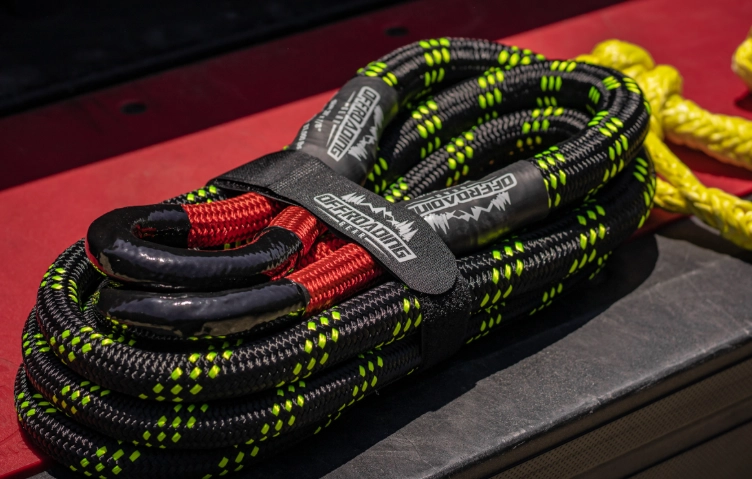
Let's cut through the confusion. The core meaning of a tow rope is a purpose-built tensile device, engineered specifically for the dynamic and high-stress task of pulling one vehicle with another. It's not a climbing rope, a boat anchor line, or that old nylon cord in your garage. Its entire existence is defined by a specific, heavy-duty function. Think of it as the critical link between your vehicle's power and the dead weight it needs to move, a link that must absorb shock, resist abrasion, and not snap under tremendous force.
If you remember one thing, let it be this: A genuine tow rope is a safety device first and a tool second. Using the wrong gear is how bumpers get ripped off, windshields get smashed, and people get seriously hurt. I learned this the hard way years ago with a cheap, stretch-less strap that snapped with a sound like a gunshot. Never again.
This guide is going to dig into everything. We'll break down the different types, the materials science behind them, how to decipher those confusing ratings, and the step-by-step, non-negotiable safety procedures. By the end, you'll know exactly what the meaning of a tow rope is in practical, real-world terms.
Breaking Down the Basics: Types and Materials
When you ask "what is the meaning of tow rope?", you're really opening a can of worms. There are several distinct species in the tow rope family, each with its own personality and best-use scenario. Picking the wrong one is like using a soup spoon to dig a trench—it might work in a pinch, but it's a terrible idea.
The Stretchy Savior: Kinetic Recovery Ropes
These are the superstars of off-road recovery. A kinetic rope is designed to stretch significantly—sometimes up to 30% of its length. This elasticity is its superpower. When you take up slack and accelerate, the rope stretches, storing energy like a giant rubber band. Then, it contracts, applying a smooth, steady pull that can "pop" a vehicle out of deep sand, mud, or snow. It's a steady tug-of-war motion, not a violent jerk.
They're usually made from specialized, multi-strand nylon. Nylon has fantastic elastic properties, but it's also susceptible to damage from UV rays and chemicals like oil and fuel. You'll see these in bright colors (yellow, green, orange) for high visibility. The meaning of a tow rope here is all about energy absorption and gentle, effective power.
Just don't use it for a flat-tow on pavement. The constant stretching and contracting at highway speeds would be a nightmare.
The Static Workhorse: Tow Straps (The Non-Stretchy Kind)
Often called "tow straps" or "recovery straps," these have little to no stretch (usually less than 2%). They're made from materials like polyester or high-tenacity polypropylene. Polyester is a favorite because it's strong, resistant to UV and chemicals, and doesn't absorb water.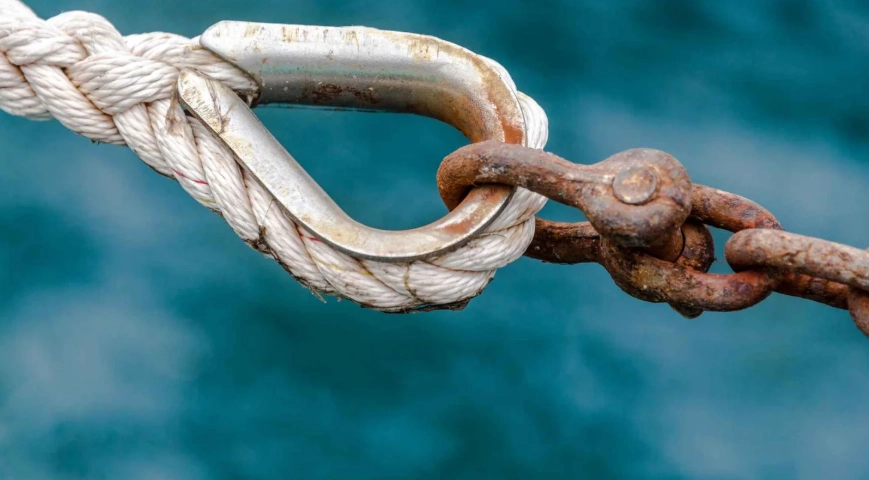
These are for straight, steady pulls. Think pulling a vehicle onto a flatbed trailer, moving a non-running car around a shop, or dragging a log. Because they don't stretch, they transfer force immediately. This means you need to be very careful to avoid shock loading—a sudden jerk that can multiply the force and break something. You have to take up slack slowly.
The Heavy-Duty Specialist: Tree Trunk Protectors & Winch Extension Straps
These are wider, flatter, and often shorter. A tree trunk protector is exactly what it sounds like—a wide strap that wraps around a tree to distribute pressure and prevent damage to the bark (and your winch cable). An extension strap is just a length of static strap used to, well, extend the reach of your winch or to create a more complex pulley rigging system. They're part of the broader recovery ecosystem.
Material Matters: What's Your Rope Made Of?
The material defines the behavior. Here’s a quick breakdown of the common ones:
| Material | Stretch | Key Strength | Key Weakness | Best For |
|---|---|---|---|---|
| Nylon | High (15-30%) | Excellent energy absorption, very strong for its weight. | Degrades in sunlight (UV), weak when wet, damaged by acids. | Kinetic recovery ropes for off-road. |
| Polyester | Low (2-5%) | High strength, UV & chemical resistant, minimal water absorption. | Less elastic, can be stiffer. | Static tow straps, winch extensions, general use. |
| Polypropylene | Very Low | Floats on water, inexpensive, resistant to mildew. | Weaker than nylon/polyester, degrades quickly in sunlight. | Light-duty, occasional use (e.g., pulling a jet ski). |
See the trade-offs? There's no single "best" material. The meaning of a tow rope changes based on what it's made from. For most people keeping something in their trunk for emergencies, a polyester tow strap is the most versatile and durable all-rounder.
Decoding the Numbers: Breaking Strength, Working Load Limit, and Safety
This is where eyes glaze over, but it's the most critical part. The numbers on the tag aren't marketing—they're engineering. Ignoring them is asking for trouble.
Breaking Strength (BS) or Minimum Breaking Strength (MBS): This is the absolute maximum load the rope or strap can handle in a single, straight, perfect-pull test before it snaps. It's a theoretical lab number. You should never, ever get close to this force in real life.
Working Load Limit (WLL): This is the king. This is the maximum load you should safely and regularly apply. It's calculated with a huge safety factor built-in (usually 3:1 to 5:1 for recovery gear). So if a strap has a 20,000 lb Breaking Strength, its WLL might be only 5,000 to 6,600 lbs. Always plan your recovery around the WLL.
How do you figure out what you need? A very rough rule of thumb is to have a WLL of at least 1.5 to 2 times the GROSS VEHICLE WEIGHT (GVWR) of the heavier vehicle involved. Not the curb weight—the GVWR, which is the maximum total weight the manufacturer says the vehicle can be. You can find this on the driver's side door jamb sticker. For a mid-size SUV with a GVWR of 6,000 lbs, you'd want a strap with a WLL of at least 9,000-12,000 lbs.
⚠️ Critical Safety Math: Force multiplies instantly in a recovery. A sudden jerk (shock load) can create forces 2-3 times the static weight. A stuck vehicle in mud creates suction, dramatically increasing the pull force needed. This is why the safety factor exists. Buying a strap "rated for your car's weight" is a recipe for failure. You need a huge margin.
So, when we talk about the meaning of a tow rope in terms of ratings, we're talking about its engineered safety margin. It's a promise from the manufacturer: "If you stay under this WLL, we've built in enough buffer to handle real-world surprises." Reputable brands like Yankum, ARB, and Bubba Rope are transparent about these ratings. Be wary of no-name Amazon specials with suspiciously high numbers for a suspiciously low price.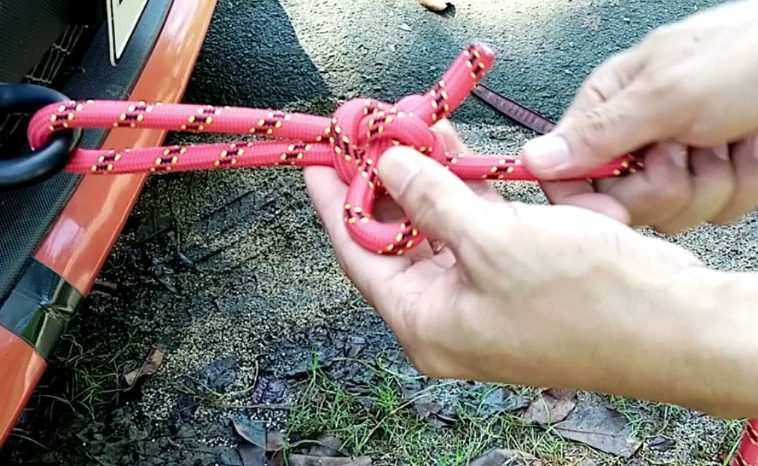
The Real-World Meaning: How to Use a Tow Rope Safely
Alright, you've got the right rope. Now what? This is where the rubber meets the road—or the mud. The true meaning of a tow rope is realized only when it's used correctly.
Step-by-Step: The Safe Recovery Process
- Inspect Everything. Before you touch the rope, check both vehicles. Look for solid, frame-mounted recovery points. Most modern car tow hooks (often in the spare tire kit) are for flat-towing only, not dynamic recovery. Trucks and SUVs might have proper tow hooks or shackle mounts. If you're not 100% sure, don't hook up. Also, inspect the rope itself for cuts, fraying, burns, or damaged stitching.
- Communicate. Agree on hand signals with the other driver. No one should be in the "bite zone"—the area around the rope and between the vehicles. Everyone else stands far back.
- Connect Properly. Use a properly rated bow shackle (D-shackle) to connect to the vehicle's recovery point. Never hook the rope to itself (hook to hook); this can damage the eyes and creates a weak point. Never use a tow ball on a hitch as a recovery point—they can snap off and become a deadly projectile. The National Truck Equipment Association (NTEA) has resources on vehicle mounting points, though specific recovery standards are often driven by off-road communities.
- Lay a Damper. This is non-negotiable. Drape a heavy blanket, jacket, or specialized damper over the middle of the rope. If it snaps, this weight will help pull the rope down to the ground instead of letting it whip through the air at lethal speed.
- Take Up Slack SLOWLY. The recovery vehicle should move forward gently until the rope is just taut. For a kinetic rope, you then apply steady throttle to use its stretch. For a static strap, you maintain a slow, constant pull. No "jerking" or sudden acceleration.
- Store it Right. After use, clean off mud and debris. Let it dry completely (especially nylon) before coiling and storing it in a dry, dark place. UV light is a slow killer.
What is the meaning of a tow rope during this process? It's the controlled transfer of kinetic energy. It's the patient, careful application of force. It's the opposite of panic and brute strength.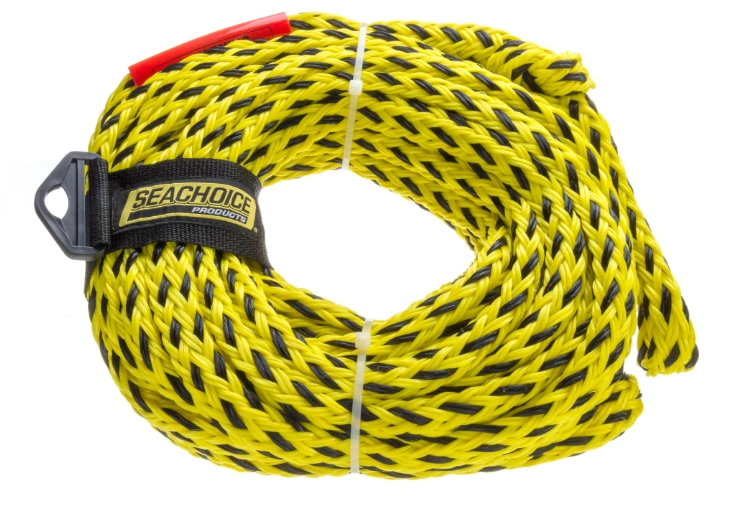
Common Mistakes (And How to Avoid Them)
Let's look at the hall of shame. I've seen or made most of these errors.
- Using the Wrong Attachment Point: Hooking to a tie-down loop, a suspension component, or the bumper itself. This ends with broken car parts. Find the proper recovery point or don't do the pull.
- Ignoring the Drape/Damper: It feels like a silly formality until you see a video of a snapped strap slicing through a tailgate. Just do it.
- Standing Too Close: The energy in a stretched rope is immense. If it fails, it whips. Stay well back, behind a door pillar if possible.
- Overloading the Rope: Using a 5,000 lb strap to try and yank a fully loaded 8,000 lb truck out of clay. The math doesn't lie.
- Poor Storage: Leaving a nylon kinetic rope in a ball, wet, in the back of a sunny truck bed for a year. You'll find a degraded, weakened mess when you need it.
The meaning of a tow rope is utterly defeated by these mistakes. It goes from being a safety device to a liability.
Legal and Liability Considerations
This is the boring but crucial part nobody wants to think about. What is the meaning of a tow rope in the eyes of the law or your insurance company? It's a piece of equipment you chose to use in a risky operation.
If you're performing a recovery on a public road and something goes wrong—the rope snaps and causes an accident, or you damage municipal property—you could be held liable. Even helping a friend in a parking lot can get messy if their frame gets bent. Some off-road parks require specific safety standards for recovery gear.
It's wise to understand the basics. Are you towing (moving a vehicle under its own power with a guide line) or recovering (extracting a stuck vehicle)? The equipment and techniques differ. Using recovery gear for a long-distance tow on a highway is generally unsafe and may not be legal. The U.S. Department of Transportation has regulations covering commercial towing and vehicle safety standards, which can be a useful baseline for understanding best practices, even for private citizens.
The point is, being a Good Samaritan is great, but being a prepared and knowledgeable Good Samaritan is better. Know your limits. If a vehicle is precariously stuck on a slope or badly damaged, call a professional recovery service. It's cheaper than a lawsuit or a hospital bill.
Final Thoughts: More Than Just Gear
So, after all this, what is the meaning of a tow rope? It's not just a product you buy. It's a piece of knowledge. It's an understanding of physics, materials, and safety protocols. It's the recognition that a successful recovery is 10% equipment and 90% proper technique and judgment.
The best tow rope in the world is useless in the hands of someone who doesn't respect it. A mediocre rope used with perfect care and knowledge is infinitely safer than a top-tier rope used recklessly.
My advice? Start with a quality, polyester static tow strap with a clear WLL rating from a reputable brand. Learn to use it perfectly for simple pulls. Understand your vehicle's recovery points. Practice the communication and the process. Then, if you venture into off-roading, invest in a good kinetic rope and more training. Consider resources from organizations like the Cordage Institute, which publishes technical standards for fiber ropes that many manufacturers reference, giving you deeper insight into the material science.
The true meaning of a tow rope, in the end, is preparedness. It's the confidence that comes from having the right tool and knowing exactly how to use it to solve a problem safely. It turns a moment of panic and frustration into a controlled, manageable task. And that's a meaning worth understanding.