Let's be honest. Most ski boots feel terrible right out of the box. You're told they need to "pack out," which is just a nice way of saying you have to suffer through blisters and numb toes until the plastic gives up and your feet surrender. It doesn't have to be that way. Ski boot customization isn't a luxury for pros; it's the single most effective upgrade you can make to your gear, full stop. It's the difference between thinking about your aching feet all day and actually thinking about your skiing.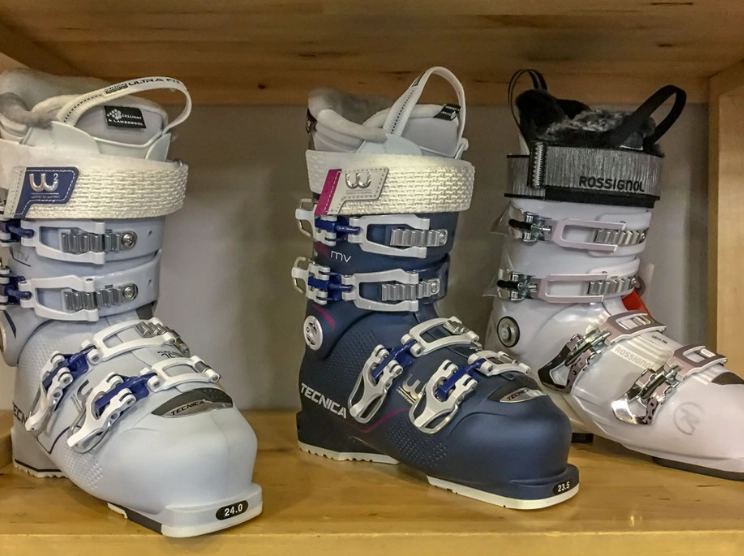
I've fitted boots for everyone from first-timers to former World Cup racers. The common thread? Everyone walks in with some version of the same problem: a disconnect between their unique foot and a mass-produced plastic shell. We're going to fix that. This isn't about pushing a product. It's about explaining the process, the real costs, and the tangible outcomes so you can make an informed decision and finally ski in comfort.
What You'll Find in This Guide
5 Signs You Desperately Need Custom Boots
How do you know if you're a candidate? It's not just about severe pain. Subtle issues rob you of performance and joy.
- Your toes go numb within an hour. This is classic circulation loss, often from a too-tight instep or incorrect buckle tension.
- You get "hot spots" or blisters in the same place every time. Your boot is creating pressure points on bony prominences that don't match the liner's shape.
- You feel like you're swimming in the boot. Your heel lifts when you initiate a turn, killing edge control. You crank the buckles to the last notch, which just cuts off blood flow without solving the problem.
- You have "interesting" feet. High arches, wide forefoot with a narrow heel (the most common mismatch), bunions, or flat feet. Off-the-shelf boots are made for a mythical average foot.
- You're an advanced skier but feel a delay in response. The energy from your leg is being absorbed by empty space or a poorly supported foot, not transmitted directly to the ski edge.
If you nodded to even one of these, read on. The fix is more accessible than you think.
How Does Customization Work? The Step-by-Step Process
A proper boot fit isn't a five-minute affair. A comprehensive session with a certified master fitter can take 1.5 to 3 hours. Here's what that time buys you.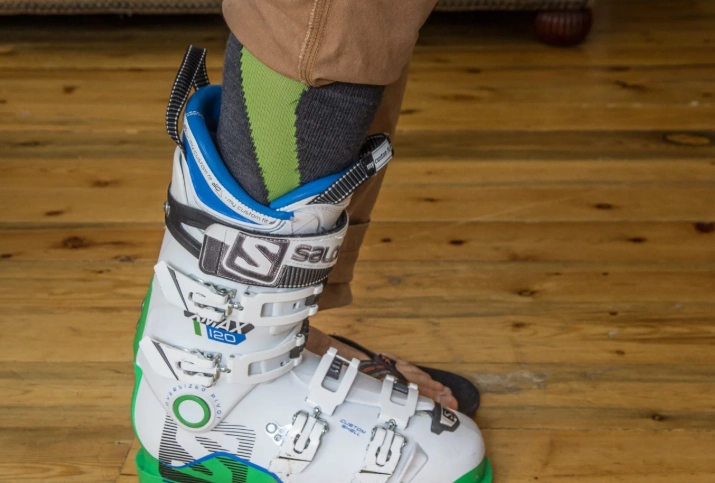
Step 1: The Interview & Analysis
It starts with a conversation, not a sale. A good fitter will ask:
How many days a year do you ski? What type of terrain do you love? Where do you feel pain? Have you had any foot injuries or surgeries?
They'll then analyze your bare foot—measuring length, width at multiple points, arch height, and ankle bone position. They're looking for asymmetries (one foot is almost always larger). This tells them which shell size and last width is the best starting point. The goal is the smallest shell that can comfortably accommodate your foot's volume, not the other way around.
Step 2: Shell Modification & Alignment
This is where the magic happens. The plastic shell itself is altered.
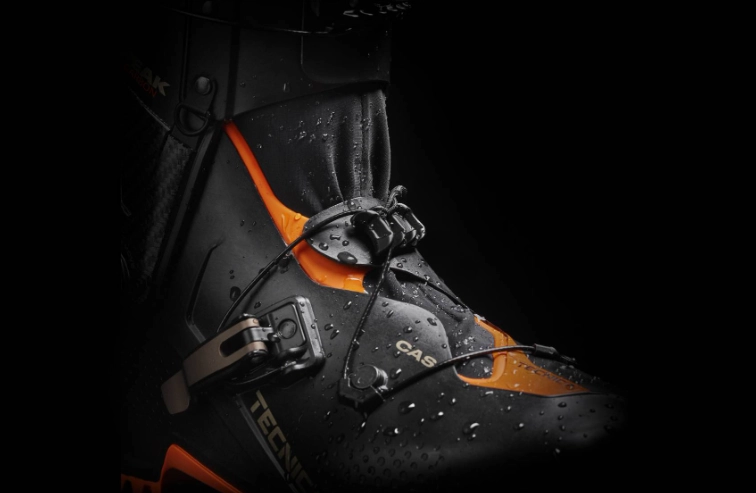
- Punching Out & Grinding: Using specialized heat guns and forming tools, the fitter will gently expand the plastic in specific areas to relieve pressure on bunions, ankle bones, or the instep. Conversely, they might grind down areas inside the shell to create more room.
- Canting: This is the most overlooked adjustment by amateurs. Your leg might not be perfectly vertical. Canting involves adding small wedges between the boot shell and the binding or adjusting the cuff to align your knee directly over the center of your foot. Bad alignment makes you fight your skis all day. According to a biomechanics study cited by the Professional Ski Instructors of America (PSIA), proper alignment can reduce fatigue and improve edge grip dramatically.
- Forward Lean & Ramp Angle Adjustments: These fine-tune your body's natural stance in the boot, affecting balance and pressure on your shins.
Step 3: The Inner Boot System (Liner & Footbed)
The liner and footbed are the interface between you and the shell.
The #1 Mistake I See: Skiers spend hundreds on heat-molded liners but use the flat, foam footbed that came with the boot. That's like building a house on a sand foundation. Your custom footbed (orthotic) is the base. It supports your arch, cups your heel, and places your foot in a neutral, powerful position before the liner is molded around it. Without it, your foot collapses, and the liner molds to a dysfunctional shape.
A custom footbed is made from a mold of your foot in a neutral position. Then, the liner itself is heat-molded. You stand in the warmed boots for 10-15 minutes, allowing the foam to expand and then cool to the exact contours of your now-properly supported foot. This combo is transformative.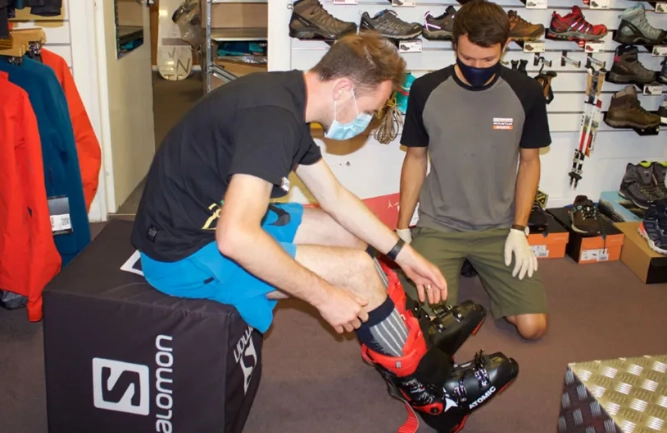
Boot Customization Methods & Realistic Cost Breakdown
Costs vary wildly based on what you need and where you go. Let's demystify it.
| Service | What It Is | Typical Cost Range (USD) | Best For |
|---|---|---|---|
| Basic Heat Molding | Shops heat the stock liner with you in it. Minimal shell work. | $20 - $50 (often free with purchase) | New boots that are almost right. A good first step. |
| Custom Footbed + Liner Mold | Creating supportive orthotics + molding the liner around them. | $150 - $300 | Most recreational skiers. Solves 80% of comfort issues. |
| Full Boot Fitting Package | Includes footbeds, detailed shell work (punching/grinding), alignment (canting), and multiple fitting sessions. | $300 - $600+ | Dedicated skiers, those with difficult feet, or anyone seeking peak performance. |
| Intuition / Zipfit Liner Upgrade | Replacing the stock liner with a higher-end, customizable aftermarket liner. | $250 - $400 (plus fitting) | Skiers who want maximum performance, warmth, and a liner that lasts for years. |
Is it worth it? Compare it to a $150+ per day lift ticket. An investment of $300 that makes every single day on the mountain more enjoyable and lasts for several seasons is some of the best value in skiing.
Where to Get It Done: Shops vs. Mobile Fitters
You have options beyond the local ski shop.
Specialist Ski Shops in Resort Towns: Places like Surefoot, The Boot Doctors in Taos, or Olympia Sports in Whistler have built their reputation on fitting. They see high volume and complex cases daily. The advantage is expertise and immediate access to tools and inventory. The potential downside? You might feel rushed during peak season.
Master Boot Fitters (Mobile): A growing number of certified master fitters operate mobile vans or by appointment at your lodging. The experience is often more personal and unrushed. They come to you. Research their credentials (look for Master Fit Tech certification from organizations like the Masterfit University) and read reviews.
My advice? If you have a major resort trip planned, book an appointment with a renowned shop there for the first or second day of your trip. Use the following days to ski-test and return for minor tweaks, which are usually included. If you're a weekend warrior near a smaller mountain, seek out the most recommended local fitter—their skill matters more than the shop's size.
Your Top Boot Fitting Questions, Answered