Your Skiing Adventure Map
You're standing at the top of a run, looking down. On one side, there's a pristine, untracked powder field stretching into the trees. It's silent, deep, and begging for those first, arcing turns. On the other side, you can hear the clangs and whoops from the terrain park—a playground of jumps, rails, and boxes. Both paths call to you, but they demand completely different things from your skis, your body, and your head. This, right here, is the heart of the freeride vs freestyle skiing debate. It's not just about different tricks or different mountains; it's about two distinct philosophies of what it means to ski.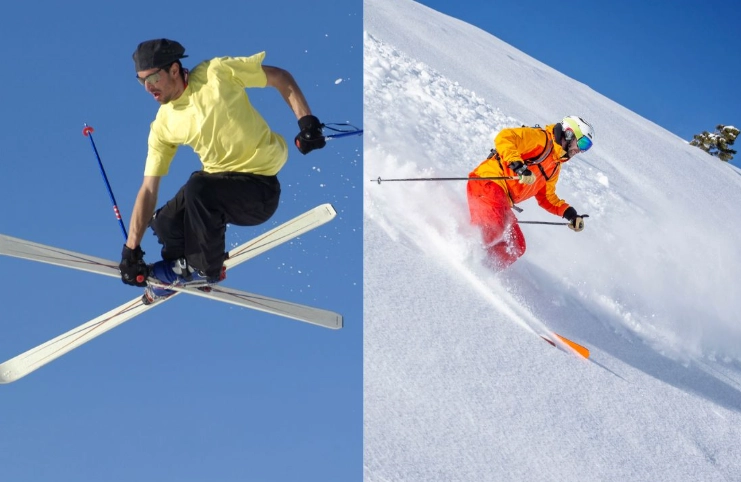
I remember the first time I consciously made the choice. I'd been a decent resort skier for years, sticking to groomers and the occasional venture into chopped-up powder. One day, after a big storm, a friend pointed to a steep, rocky chute just outside the boundary line. "That's where the real skiing is," he said. I was terrified. Another friend spent all day in the park, sessioning a medium-sized jump, falling over and over until he finally stuck a 360. His joy was electric, but his path looked like a recipe for sore knees. Which one was for me? It took a lot of trial, error, and a frankly embarrassing amount of falling to figure it out.
The Core Difference: Mindset and Terrain
If you want to understand freeride vs freestyle skiing, don't start with the gear. Start with the dirt—or rather, the snow and what's underneath it.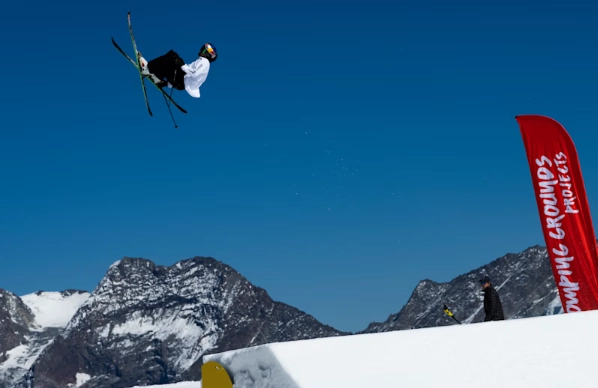
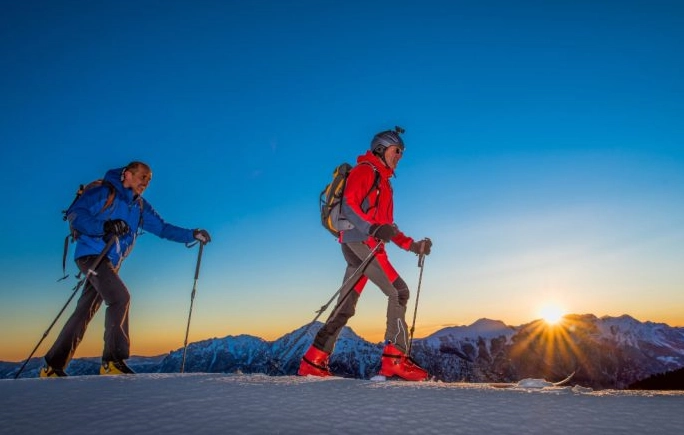
Freeride Skiing (or Big Mountain Skiing) is, at its soul, about exploration and adaptation. Your canvas is the entire mountain, especially the parts the resort didn't bother to groom. We're talking deep powder, steep couloirs, cliff bands, gladed trees, and complex, natural terrain. The goal isn't to do a specific trick; it's to pick a fluid, powerful, and safe line down a face that has never seen the same line twice. It's a conversation with the mountain. You listen to the snow conditions (is it wind-scoured? Is there a crust layer?), you read the terrain's features, and you react. The International Ski Federation (FIS) recognizes Freeride as a competitive discipline, but for most, it's a personal pursuit. You can check out how the pros approach line selection and technique in events like the Freeride World Tour to get a sense of the scale, but your local backcountry zone holds the same principles.
It's raw, it's powerful, and it's deeply satisfying.
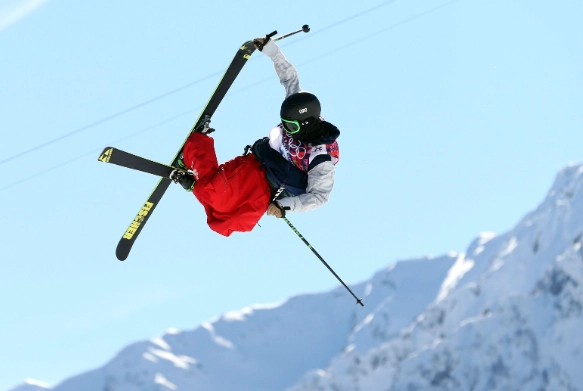
Freestyle Skiing is about creativity, technical precision, and progression within a defined space. The canvas here is the terrain park: a constructed environment of jumps (kickers), rails, boxes, halfpipes, and sometimes big air jumps. The goal is to perform tricks—spins, flips, slides, and grabs—with style, amplitude, and clean execution. It's a sport of repetition. You session a feature, trying the same trick over and over, tweaking your takeoff or your grab until you nail it. The progression is very clear: learn a 180, then a 360, then maybe a 540. It's highly social, often centered around a park crew pushing each other, and the feedback is immediate (you either land it or you don't). The FIS Freestyle skiing page breaks down the official competitive disciplines like Slopestyle and Big Air, which are the pinnacle of this park-born creativity.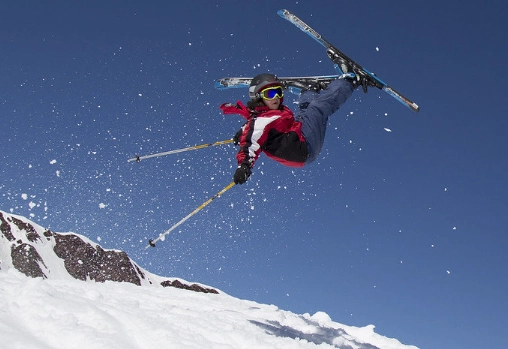
Gear Breakdown: Your Tools for the Job
This is where the freeride vs freestyle skiing discussion gets practical. You *can* try to do either on the wrong skis, but you'll be fighting your equipment the whole time. Let's break it down.
Freeride Ski Gear
Freeride skis are built for stability, float, and power transmission in variable conditions.
- Ski Shape & Width: These are typically wider underfoot (100mm to 120mm+). The wider platform keeps you on top of deep powder instead of diving into it. They have significant rocker in the tip (and often the tail) to improve turn initiation and prevent diving in soft snow, but retain camber underfoot for edge grip on firmer snow you might encounter.
- Length & Flex: Freeride skis are often skied a bit longer than your height. They tend to be stiff-flexing, especially underfoot and in the tail. This stiffness provides stability at high speeds through chopped-up snow and when landing off drops. You need that backbone to power through crud.
- Bindings: Look for robust bindings with high DIN ranges. For true backcountry freeriding, a tech binding or a hybrid frame binding is essential for the uphill climb. For in-bounds/sidecountry, a sturdy alpine binding is fine.
- Boots: Stiff, powerful boots (often 130+ flex) are the norm. You need precise control over those long, stiff skis. Walk modes and lighter materials are becoming popular for the hike-to terrain freeriders love.
- The Non-Negotiables: An avalanche transceiver, probe, and shovel (and the training to use them) are not "gear" for backcountry freeriding—they are life-support equipment. This cannot be overstated. Organizations like AIARE (American Institute for Avalanche Research and Education) provide critical education.
Freestyle Ski Gear
Freestyle skis are built for flexibility, lightness, and twin-tip versatility.
- Ski Shape & Width: They are almost always true twin-tips (turned up at both ends) so you can ski and land backwards (switch). Width is usually moderate (85mm to 100mm underfoot) for versatility on park jumps and occasional all-mountain laps. They feature rocker or a rocker-camber-rocker profile for playful handling, easy pressuring, and forgiveness on landings.
- Length & Flex: Freestyle skis are often skied shorter (somewhere between the chin and nose). They have a soft to medium-soft flex throughout. This softness makes them easy to press, twist, and manipulate in the air and on rails. A softer ski is also more forgiving on those inevitable sketchy landings.
- Bindings: Lighter bindings are preferred to keep swing weight down for spins. They are usually mounted centered on the ski's sidecut to perfect the balance for skiing switch.
- Boots: Softer-flexing boots (90-110 flex is common) allow for more ankle flexion for butters and presses. They prioritize comfort and flexibility for long park sessions over brute power transmission.
- The Non-Negotiables: A high-quality helmet is absolutely mandatory. Impact-short shorts, knee pads, and a back protector are increasingly common and very smart. The park is a high-impact environment.
| Aspect | Freeride Skiing | Freestyle Skiing |
|---|---|---|
| Primary Terrain | Off-piste, powder, steeps, backcountry, natural features | Terrain parks (jumps, rails, boxes), halfpipes, sometimes urban features |
| Core Philosophy | Fluid line choice, power, adaptation to natural conditions | Technical trick execution, creativity, style, progression |
| Ideal Ski | Wide (100-120mm+), stiff, directional or partial twin-tip, rocker-camber-rocker | Twin-tip, soft/medium flex, moderate width (85-100mm), rocker dominant |
| Boot Flex | Stiff (120-130+) for power and precision | Softer (90-110) for flexibility and comfort |
| Key Skills | Powder technique, steep skiing, jump turns, route-finding, avalanche safety | Jumps & take-offs, rail slides, spinning, skiing switch, buttering |
| Risk Profile | Avalanches, exposure, tree wells, remote terrain | High-impact crashes, joint injuries (knees, wrists), collisions |
| Learning Progression | Mastering variable snow, reading terrain, building confidence in exposure | Mastering foundational tricks (180, 360, basic rails), then adding complexity |
| Community Vibe | Exploratory, self-reliant, often small groups or solo | Social, session-oriented, highly collaborative and competitive |
Skill Sets: What You Actually Need to Learn
Okay, so you have the gear. Now what do you need to learn? The foundational skiing skills overlap—you need to be able to turn and control your speed. But after that, the paths diverge wildly.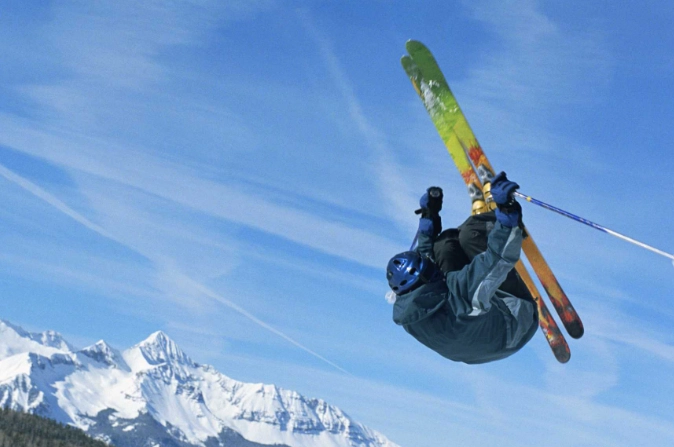
Freeride Skill Checklist
This list reads like a backcountry survival guide mixed with an advanced skiing manual.
- Powder Skiing Fundamentals: Leaning back is a myth. You need to stay centered and let the ski's shape do the work. It's a more subtle, surfy feeling.
- Steep Ski Technique: This means controlled slip-sliding, jump turns in tight spots, and managing sheer exposure. It's mentally taxing.
- Reading the Mountain: Is that a safe line? Where is the snow likely to be wind-loaded (avalanche risk)? Can you link those powder stashes? This is an art form.
- Basic Cliff Drops (optional but common): Not huge hucks, but learning to confidently drop 5-15 foot features into a soft landing zone. It's about commitment and a clean, stable takeoff.
- THE BIG ONE: Avalanche Safety. This isn't a "skiing" skill; it's a mandatory wilderness safety skill. Taking a course from a body like AIARE or reading resources from the US Forest Service is the bare minimum. You need to know how to use your beacon, probe, and shovel, and how to make conservative terrain choices.
Freestyle Skill Checklist
This is about muscle memory, air awareness, and battling fear.
- Skiing Switch (Backwards): This is your ABCs. You need to be as comfortable going backwards as forwards for landing spins and approaching rails.
- Basic Park Jumps: Learning to hit a small jump with a solid, controlled pop (not just riding off), and landing in a stable, athletic position. The Professional Ski Instructors of America (PSIA) has great progressional resources for park fundamentals.
- Spinning 180s & 360s: The building blocks of all aerial tricks. It's about head and shoulder rotation, spotting your landing, and not panicking mid-air.
- Rail Fundamentals: Starting with low, wide boxes, learning to balance, slide, and exit without catching an edge. It's a unique feeling.
- Buttering and Pressing: Using your skis' flex to play on the snow, doing nose or tail presses. This builds board feel.
- Grabs: Adding style and stability to your jumps by grabbing different parts of your ski.
See the pattern? One is about external, environmental mastery. The other is about internal, bodily control.
How to Choose: Freeride vs Freestyle for YOU
So, which path should you take? Stop thinking about which looks cooler in videos. Ask yourself these questions.
- Get more joy from finding untracked snow than from cheering crowds.
- Are a patient planner who enjoys the process (checking forecasts, assessing risk) as much as the payoff.
- Prefer a more solitary or small-group experience in the mountains.
- Have a strong fitness level for hiking/skinning and skiing demanding lines.
- Are mentally calm in exposed, high-consequence situations.
- Value powerful, carving turns and fluid line choice over technical tricks.
- Thrive on immediate, tangible progression (landing a new trick).
- Enjoy a social, collaborative scene where you feed off others' energy.
- Don't mind (or even enjoy) repetitive practice on the same feature.
- Have good natural air awareness and coordination.
- Are okay with frequent, low-to-medium impact falls as part of the learning process.
- Value creativity, style, and technical precision.
And here's the secret nobody talks about enough: You can do both. Seriously. Most serious skiers I know dabble in the other discipline. A freerider who can do a basic 360 off a natural feature has more tools. A freestyler who can handle variable snow and small drops has more places to play. Your primary focus might be one, but cross-training in the other makes you a more complete, adaptable skier. The key is having the right gear for the day's mission. Don't take your stiff, 115mm underfoot powder boards into the park. And don't take your soft park twins on a big backcountry mission. It's a sure way to have a bad time.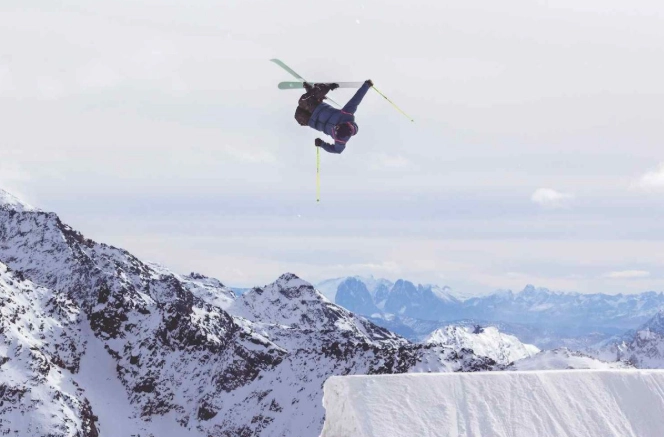
Common Questions (The Stuff You Actually Google)
Let's cut to the chase and answer the specific questions people have when they're Googling freeride vs freestyle skiing.
Which one is harder?
Apples and oranges, but I'll give an opinion. Freestyle has a lower barrier to entry but a brutally steep skill curve. You can start on small features in a controlled park. Freeride has a massive barrier to entry (avalanche knowledge, access to terrain, fitness) but the initial skill progression on snow can feel more natural if you're already a solid skier. Mastering either at a high level is incredibly difficult. Freestyle's difficulty is in technical precision and battling fear. Freeride's difficulty is in risk management, terrain reading, and maintaining technique in terrifying places.
Which one is more dangerous?
This is the million-dollar question. They are dangerous in different ways. Freestyle park skiing has a very high frequency of injury—sprains, fractures, ACL tears. The impacts are predictable but constant. Freeride, especially in the backcountry, has a lower frequency but a much higher severity of potential consequence (avalanche burial, trauma in remote areas). A bad day in the park might mean a ride in an ambulance. A bad day in the backcountry might mean no ride comes at all. You must honestly assess your risk tolerance.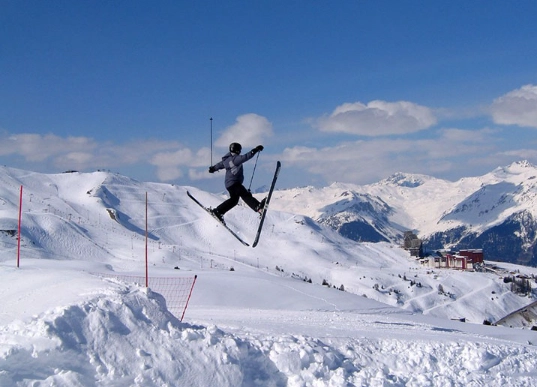
Can I learn freeride skiing without backcountry access?
Yes, absolutely. This is called "in-bounds freeride" or "off-piste skiing." Most major resorts have ungroomed, advanced terrain—steep bowls, tree runs, gullies. This is where you learn the core snow and terrain skills. It's safer (avalanche controlled, patrol nearby) but still teaches you how to handle powder, crud, and complex lines. It's the perfect training ground before adding the backcountry risk layer.
I'm a beginner skier. Which path should I aim for?
Forget both for now. Seriously. Your only goal should be to become a proficient all-mountain skier. Take lessons, ski all types of groomed runs, learn to carve, and get comfortable with speed and variable conditions. After a few seasons, you'll naturally feel pulled towards trees and powder (freeride path) or you'll start eyeing the small park features (freestyle path). Building a strong fundamental skillset is the only shortcut.
What about All-Mountain Skis? Are they a compromise?
They are, and that's their strength and weakness. A good all-mountain ski (say, 95-105mm underfoot, mixed rocker/camber) is a fantastic "quiver of one" ski. It will let you explore off-piste powder decently well and won't be a total disaster in the small park. But it's a master of none. For dedicated days in deep powder or dedicated park sessions, you'll feel its limitations. They're perfect for the skier who wants to sample everything the resort has to offer on any given day.
Final Thoughts: It's About the Feeling
At the end of the day, the freeride vs freestyle skiing debate isn't won with logic or gear specs. It's won in your gut. What feeling are you chasing?
Is it the silent, heart-pounding drop into a steep chute, the only sound the hiss of deep snow against your skis? The profound satisfaction of picking a smart line through complex terrain and executing it with power? That's the freeride call.
Or is it the electric buzz of stomping a new trick for the first time, the high-fives from your friends, the sheer joy of spinning through the air with what feels like control? That's the freestyle call.
Both are valid. Both are incredible. The best advice I can give is to try them both. Rent a pair of fat skis on a powder day and find some untracked snow (safely, in-bounds). Rent some park skis and spend an afternoon on the small jumps and boxes. See which one makes you smile more, which one you think about on the drive home. Your skis are just tools. The mountain is the canvas. You get to decide what kind of art you want to make.
Just remember to wear a helmet. And if you go into the backcountry, get the training and the gear. No article, no video, no piece of gear is as important as that.