In This Guide
Let's talk about skiing. For a lot of people, it's this amazing feeling of flying down a mountain, the cold air on your face, the incredible views. But what if you thought that feeling was out of reach because of a physical limitation? That's where adaptive skiing equipment comes in, and it's honestly one of the coolest innovations in sports. It's not just one thing – it's a whole world of gear designed to turn "I can't" into "watch me."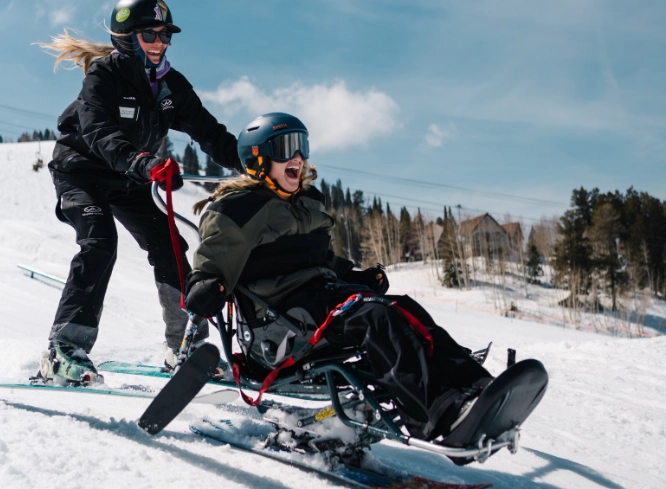
I remember the first time I saw someone using a sit-ski. I was on a chairlift, and I saw this person flying down a black diamond run, maneuvering with these outriggers that looked like mini ski poles with skis on the end. It completely changed my perspective. This wasn't about "disabled skiing." This was just... skiing. And the right gear made it possible.
But here's the thing that can be overwhelming: where do you even start? Terms like mono-ski, bi-ski, outriggers, tethers – it sounds like a foreign language. And if you're looking to buy or even just try this gear, the information online can be scattered, technical, and frankly, sometimes a bit sales-y. You don't just need a product list; you need to know what the gear actually feels like, what the trade-offs are, and how to match it to a real person's life and abilities.
That's what this guide is for. We're going to cut through the jargon and break down adaptive skiing equipment in a way that makes sense. Whether you're a veteran skier who had an injury, a parent looking for options for your child, or someone with a lifelong condition curious about the slopes, this is your map.
What Exactly is Adaptive Skiing Equipment?
Okay, let's define our terms. Adaptive skiing equipment is any specialized gear that modifies the traditional skiing experience to accommodate an individual's physical, cognitive, or sensory needs. The core idea is adaptation, not limitation. The gear adapts to the skier, not the other way around.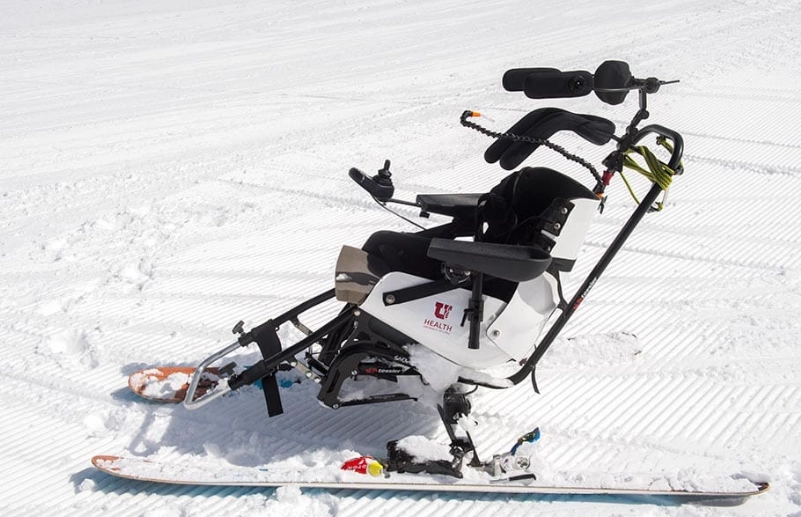
It ranges from simple add-ons to traditional skis to completely redesigned systems. Some equipment provides stability, some replaces a missing limb function, and some offers an entirely new way to balance and steer. The goal is always the same: to provide control, safety, and independence on the snow.
This isn't niche stuff anymore. Major ski resorts have adaptive programs, and the technology has evolved from clunky prototypes to high-performance machines. The right adaptive skiing equipment can open up green circles, blue squares, and even double black diamonds.
The Main Types of Adaptive Skiing Gear (A Breakdown)
Think of this as the family tree of adaptive gear. Different designs solve different challenges. Picking the right one is the most critical step.
For Sit-Down Skiing (Sit-Skis)
This is probably the most recognized form of adaptive equipment. The skier is seated in a molded bucket seat mounted on a suspension system above one or two skis. It's for individuals with limited or no use of their lower limbs, or those who lack the core strength or balance to stand.
There are two main sub-types here:
Mono-Skis: The seat is mounted on a single, wider ski. This is the performance car of adaptive gear. It's highly maneuverable, responsive, and designed for independent, aggressive skiers. You steer by shifting your weight and using outriggers. It has a lower center of gravity, which is great for speed and carving, but it requires good upper body strength and core control. It can feel tippy at first – like learning to ride a bike all over again.
Bi-Skis: The seat sits on a frame with two skis parallel underneath. This is the SUV – stable, forgiving, and a fantastic starting point. Because it's wider, it's much harder to tip over. Bi-skis are often the first piece of equipment used in learn-to-ski programs. They can be used independently with outriggers, or with a tethered guide for assistance with steering and speed control. If someone is nervous or building confidence, this is often the way to go.
For Stand-Up Skiing
Not everyone needs a sit-ski. Many skiers with limb differences, below-the-knee amputations, or conditions affecting balance can ski standing up with the right support.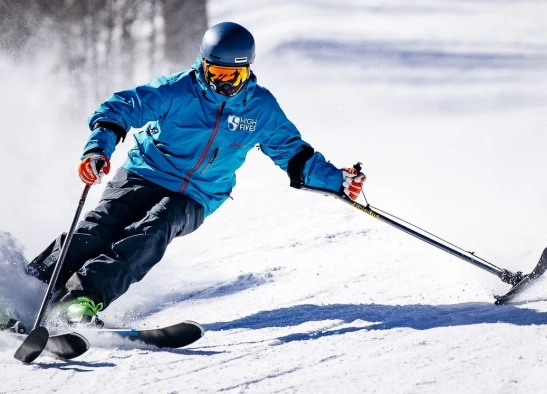
Outriggers: These are the most common piece of adaptive skiing equipment for stand-up skiers. Forget regular poles. Outriggers have a forearm cuff and a handle, with a short ski (usually about 30-50 cm long) attached to the bottom. They provide critical balance and turning leverage. For a leg amputee using a prosthetic, outriggers act as a reliable third and fourth point of contact. For someone with cerebral palsy, they offer the stability to manage uneven terrain.
Skiboards/Ski Braces: These are rigid braces that attach a ski boot directly to the ski, bypassing the ankle and providing support for weak lower legs or ankle instability. They transfer control to the knee and hip.
Three-Track & Four-Track Skiing: This is classic adaptive skiing. A three-track skier might be someone with a single leg amputation who skis on one leg, using two outriggers (making three "tracks" in the snow). A four-track skier might have conditions like spina bifida or muscular weakness and skis on two skis with two outriggers for maximum stability.
Support & Safety Gear
The big-ticket items get the attention, but the supporting cast is crucial.
Tethers: Used by instructors or guides, tethers are straps attached to the front or back of a sit-ski (usually a bi-ski for beginners). They aren't for pulling, but for gentle braking and guidance, helping the student learn turning and speed control without verbal commands getting lost in the wind. A good tether guide is an art form.
Ski Bras / Tip Connectors: A simple but effective device: a flexible bar that connects the tips of two skis together. This prevents the dreaded "snowplow spread" or crossing of tips, which can be a major issue for skiers with limited leg control. It's a low-tech, high-impact solution.
Custom Seating & Harnesses: Off-the-shelf seats don't fit everyone. Custom-molded seats provide postural support, pressure relief, and security. Full-body harnesses can offer additional trunk support for those with very limited core strength.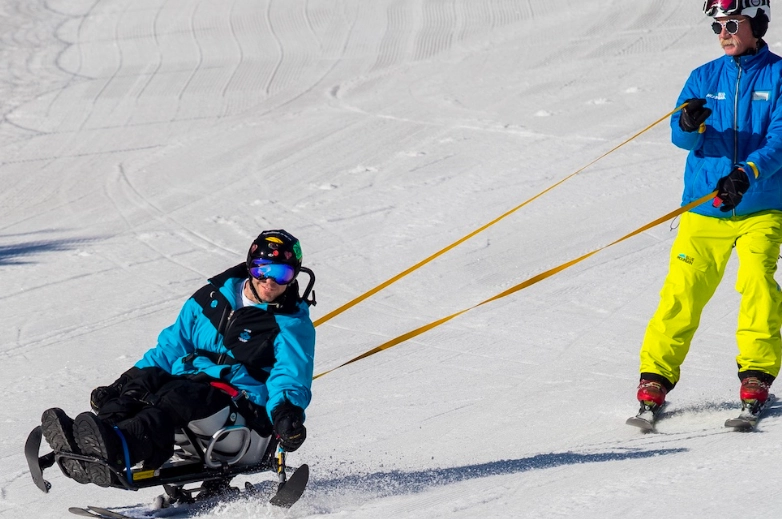
How to Choose the Right Adaptive Skiing Equipment: A Real-World Guide
This is the million-dollar question (sometimes literally). You can't just pick the coolest-looking mono-ski out of a catalog. The wrong choice can lead to frustration, discomfort, or even a dangerous situation.
Here’s a framework to think through your decision, even before you talk to an instructor.
1. Honestly Assess Your Abilities & Goals
Be real with yourself. This isn't about limitation; it's about matching gear to reality.
- Upper Body Strength: Can you do a push-up from a seated position? Mono-skis demand a lot here.
- Core & Trunk Control: Can you sit upright unassisted for an extended period? This determines the level of seating support you'll need.
- Balance: How's your seated or standing balance? This pushes you toward bi-ski vs. mono-ski, or outriggers vs. no outriggers.
- Endurance & Fatigue: Some gear is more physically demanding. A high-performance mono-ski session can be exhausting.
- Your Skiing Goal: Do you want to cruise greens with your family? Or rip down mogul runs? Your ambition directly informs the gear. A bi-ski might be more fun for a casual day; it's stable and less work.
2. The Critical Role of Professional Fitting
An adaptive ski setup is more like a prosthetic than a pair of rental skis. The fit is everything. A bad seat can cause pressure sores in minutes. Poorly adjusted outriggers can lead to shoulder strain.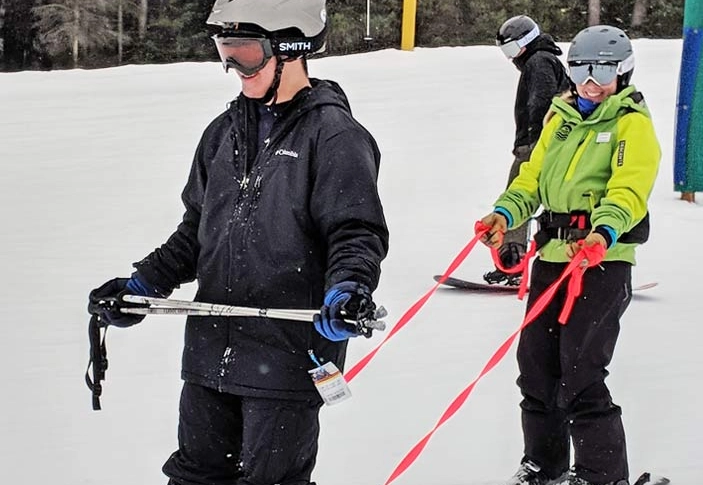
Look for fitters who work with programs accredited by organizations like Disabled Sports USA or National Adaptive. These folks know how to measure for seat dimensions, set suspension tension (which affects the ride feel – soft for bumps, stiff for carving), and adjust outrigger length and angle.
Don't skip this.
3. New vs. Used & The Cost Reality
Let's be real, this stuff isn't cheap. A new high-end mono-ski setup can easily cost $8,000-$15,000. Bi-skis are often $4,000-$8,000. It's a major investment.
The used market is vibrant and can be a great option. Check forums, specialized resale sites, and adaptive program bulletin boards. The key with used adaptive skiing equipment is to have it inspected and re-fitted by a professional. Suspensions wear out, parts get outdated.
Many adaptive sports non-profits also have loaner or rental programs. This is a fantastic, low-risk way to try different types of gear over a season before committing.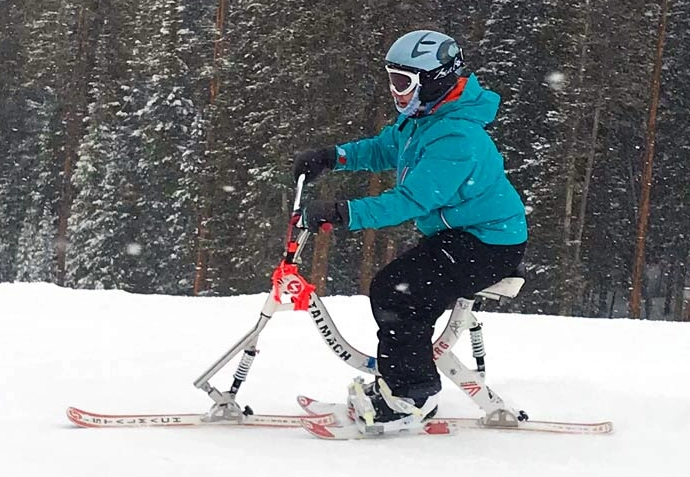
Using & Maintaining Your Gear
You've got your setup. Now what? Throwing it in the garage after your trip isn't the move.
| Gear Component | Pre-Season Check | Post-Use Care | Common Issue to Watch For |
|---|---|---|---|
| Sit-Ski Frame & Suspension | Check all bolts for tightness. Inspect suspension springs/shocks for cracks or leaks. Ensure quick-release mechanisms work smoothly. | Rinse with fresh water to remove salt and road grime. Dry thoroughly. | Creaking noises or a "mushy" feel often mean a worn suspension component. |
| Bucket Seat & Upholstery | Check for cracks in the shell. Ensure padding is intact and not compressed. Test all strap buckles and adjustments. | Wipe down with mild soap and water. Air dry completely to prevent mildew. | Pressure points or discomfort after short periods mean the fit or padding has failed. |
| Outriggers | Inspect the ski tips for damage. Check that the height adjustment pins are secure. Test the forearm cuff release. | Dry the skis and mechanisms. A light silicone spray on moving parts prevents seizing. | Bent shafts or loose ski attachments are a major safety hazard. Replace immediately. |
| Ski Bases & Edges | Get a professional stone grind and edge sharpening. Check for core shots or delamination. | Scrape off snow, dry skis, and apply a storage wax. | Dull edges make control nearly impossible, especially on ice. |
Maintenance isn't glamorous, but it's safety. A failed bolt on a sit-ski at speed is no joke. I know a guy who neglected his outrigger pins, and one snapped on a bump. He took a nasty fall that could have been avoided with a two-minute check.
Find a local ski shop that's willing to work on adaptive gear, or better yet, develop a relationship with a technician from an adaptive program. They know the specific torque specs and wear patterns.
Where to Find Help, Community, and More Info
You don't have to figure this out alone. The adaptive sports community is incredibly supportive.
Start with a Local Resort Program: Most major mountains in North America and Europe have an adaptive ski school. Search for "[Resort Name] adaptive skiing." These are your gateway to lessons, gear demos, and certified instructors.
National & International Organizations: These groups set safety standards, certify instructors, and are fonts of information.
- Disabled Sports USA (DSUSA): A cornerstone in the U.S., with a huge network of chapters.
- U.S. Ski & Snowboard: The national governing body has a Paralympic and adaptive division with resources.
- International Paralympic Committee (IPC): For a global perspective and to see the cutting edge of elite adaptive skiing equipment.
Online Communities: Facebook groups and forums are where people share real, unfiltered advice. Search for "adaptive skiing" or specific gear names. You can ask about the real-world durability of a certain model or find a used bi-ski for sale.
The best resource is often the person who has been using adaptive skiing equipment for years. They've made the mistakes, found the workarounds, and know which products live up to the hype.
Answering Your Burning Questions
Q: Is adaptive skiing equipment safe?
A: When properly fitted, used with appropriate instruction, and maintained, yes, it is as safe as traditional skiing – which is to say, it's an inherently risky sport managed with knowledge and good practices. The gear is designed and tested for the forces involved. The biggest safety factor is the skier's training and judgment.
Q: Can I rent adaptive gear, or do I have to buy it?
A: You can absolutely rent! In fact, I'd argue you *should* rent for your first several outings. Virtually all resort-based adaptive programs have rental fleets. This lets you try different types of adaptive skiing equipment without a huge financial commitment. Buying is for when you know exactly what you need and are skiing regularly.
Q: The cost seems insane. Are there grants or financial aid?
A: This is a huge barrier, and it's okay to be frustrated by it. The good news is, many non-profit adaptive sports organizations offer scholarship programs, grants, or subsidized lessons for first-timers. Organizations like the Challenged Athletes Foundation (CAF) provide grants for equipment. Always ask the adaptive program you contact about financial assistance options. Don't let the sticker price on a new mono-ski scare you away from your first lesson.
Q: How do I transport this gear? It looks bulky.
A: It can be a hassle, no lie. Most sit-skis break down into a few pieces: the seat, the frame/suspension, and the ski(s). They fit in oversized ski bags or dedicated travel cases. Roof boxes and truck beds are common solutions. Outriggers usually fit in a standard ski bag. If you're flying, call the airline well in advance—they often have policies for adaptive sports equipment (sometimes waiving oversize fees, but not always, so check!).
Q: I'm an experienced stand-up skier who just had an injury. Will I hate a sit-ski?
A: This is a really common emotional hurdle. It feels like a step down. But from everyone I've talked to who made the transition, they describe it not as "loving skiing less," but as "learning a new sport that gives the same joy." The learning curve is steep—you're using a completely different set of muscles and reflexes. But the fundamentals of line choice, rhythm, and reading the mountain are all still there. Give yourself time and grace to be a beginner again. The freedom comes back.
Look, at the end of the day, adaptive skiing equipment is just a tool. A really cool, complex, sometimes expensive tool. But it's a means to an end. The end is that feeling of wind and snow and speed. The end is laughing with friends on a chairlift. The end is seeing a mountain vista you thought you'd never see from the slopes again.
The technology is amazing, but the human spirit that uses it is what's truly impressive. My advice? Find a program. Take that first lesson. Be awkward, ask a million questions, and see what happens. The mountain is waiting, and it's a lot more accessible than you might think.