Let's be honest, on your first day strapping on skis, those poles feel like awkward, unnecessary appendages. You're just trying to stay upright, and now you have to worry about two more things to trip over. It's a fair question: should a new skier use poles at all?
After a decade of teaching and watching hundreds of beginners progress, my answer is a definitive yes, you should use ski poles—but with a massive caveat. You need to learn how to use them correctly from day one. Using them wrong is worse than not using them at all. This isn't just about having something to lean on; it's about building foundational skills that make you a safer, more efficient, and more confident skier much faster.
What You'll Find in This Guide
The Core Benefits of Ski Poles for New Skiers
Think of ski poles not as crutches, but as extensions of your arms that give you feedback from the snow. Their primary job isn't to hold you up. When used properly, they unlock three critical skills.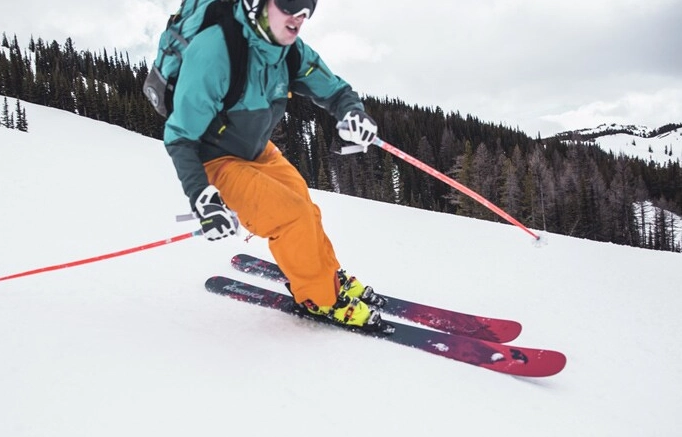
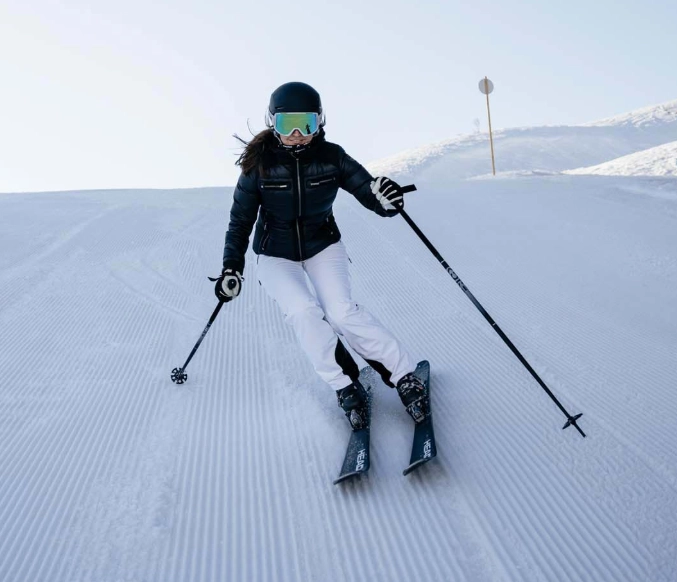
Balance and Rhythm. This is the big one everyone misses. Good skiing is a dance of weight transfer from one ski to the other. A light, timed "pole plant" on the downhill side initiates that turn. It gives your upper body a focal point to pivot around, preventing the all-too-common "windshield wiper" leg swing. Without that pole touch, beginners often twist their upper body to force a turn, throwing their balance completely off. The Professional Ski Instructors of America (PSIA) emphasizes pole use as a fundamental timing and balance aid in their beginner teaching progression.
Propulsion and Flat Terrain Navigation. Ever been stuck on a cat track or a flat section at the bottom of a run? That's where poles become your best friend. Using them to push yourself along (like cross-country skiing) is infinitely easier than trying to waddle or scoot in your boots. It saves energy and frustration.
Safety and Getting Up from a Fall. This is a practical, non-negotiable benefit. When you fall—and you will—a ski pole is the primary tool for getting yourself back up safely on a slope. You use it for leverage to push yourself up onto your skis without them sliding away. Trying to get up without poles often leads to a comical, exhausting struggle. They also provide a point of contact with the snow for stability when standing still on a grade.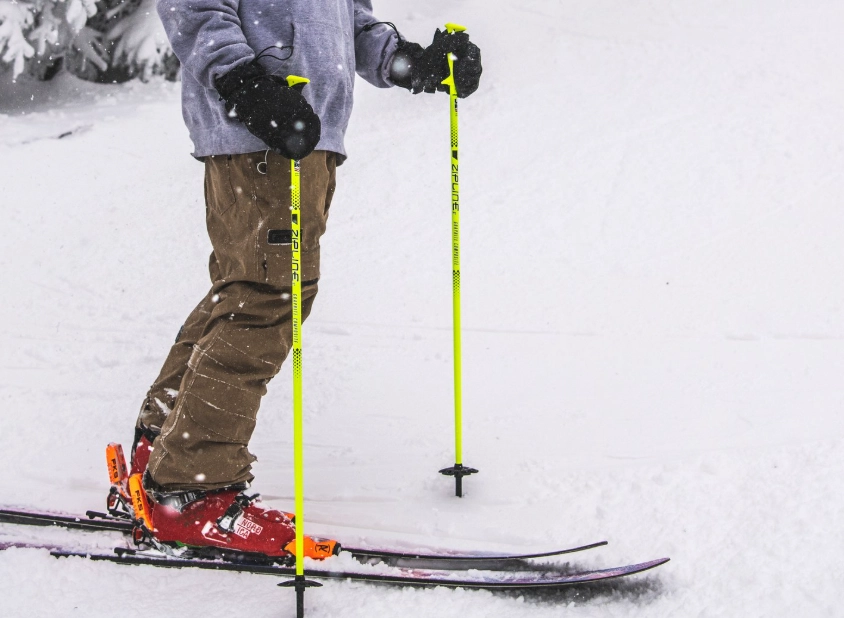
The Instructor's Perspective: I see students who start with poles correctly progress about 30% faster through basic parallel turns. The pole plant gives them a clear, physical cue for turn initiation that their body remembers. It's a game-changer for developing a natural rhythm.
The Potential Drawbacks and Risks for Beginners
Now, the other side of the coin. Why do some instructors hesitate? Because in the wrong hands, poles become liabilities.
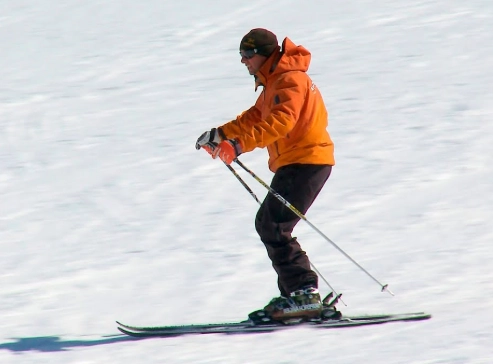
Dependence and Bad Habits. The biggest danger is using poles as a permanent outrigger. If you're constantly leaning on them, arms locked straight, your weight goes back. In skiing, weight in the backseat is the root of all evil—loss of control, inability to turn, and faster fatigue. I've seen beginners develop a death grip on their poles, arms rigid, which tenses their entire upper body. You should ski with relaxed, bent arms.
A Tripping Hazard and Mental Load. On day one, you have a lot to think about: edges, pressure, direction. Adding "don't cross my poles" or "where do I put these things" can feel overwhelming. It's common for new skiers to catch a basket on the snow or get the straps tangled, leading to a fall that could have been avoided.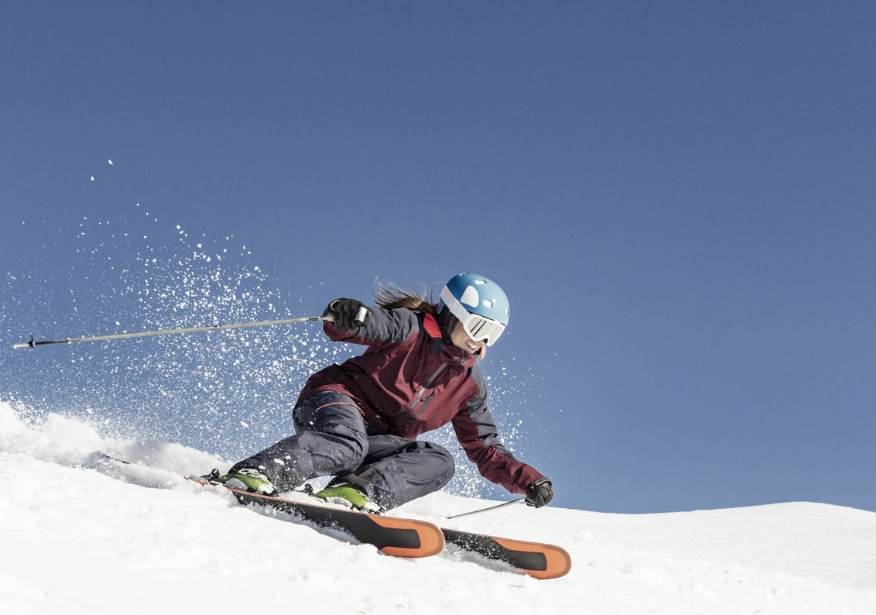
An Extra Piece of Gear to Manage. Getting on and off lifts with poles is a skill in itself. Dropping a pole on a lift ramp is a classic beginner moment. It's one more thing to carry, adjust, and not lose.
| Pros of Using Poles (When Used Right) | Cons/Risks (When Used Wrong) |
|---|---|
| Teaches proper turn timing and rhythm | Encourages leaning back ("in the backseat") |
| Provides crucial balance feedback | Becomes a tripping hazard on flat terrain |
| Essential for getting up from falls efficiently | Adds mental clutter for absolute first-timers |
| Enables propulsion on flats and cat tracks | Can lead to tense, rigid upper body posture |
| Builds foundational habits for intermediate skiing | Another piece of equipment to manage on lifts |
How to Use Ski Poles Correctly: A Step-by-Step Guide
If you decide to use poles, this is the part that matters most. Doing these four things wrong will set you back. Doing them right will accelerate your learning.
Finding the Right Length
Forget complex formulas. Here's the classic, foolproof method: turn the pole upside down and grip it directly under the basket. Your forearm should be parallel to the floor when your elbow is bent at 90 degrees. Most rental shops will do this for you if you ask. Poles that are too long will force your arms up; too short will make you hunch over.
The Proper Grip (The "Shake Hands" Method)
This is the most common mistake I correct. Don't put your hand up through the strap from below. Instead, reach down through the top of the strap, then grip the handle. The strap should run across the back of your hand, between your thumb and index finger. Now, you can let go of the handle and your pole will dangle from your wrist without you dropping it. Your grip should be light, like you're holding a small bird. A white-knuckle grip transfers tension to your shoulders.
The Basic Pole Plant for Turning
You don't "stab" the snow. Think of it as a light, quick tap. As you start to initiate a turn (say, turning left), your right hand moves forward slightly, and you tap the pole tip into the snow just ahead of your right boot and slightly to the side. That's it. The motion comes from your wrist and forearm, not your whole shoulder. This tap marks the moment you start shifting your weight to the new outside ski (your left ski for a left turn). It's a timing device, not a support beam.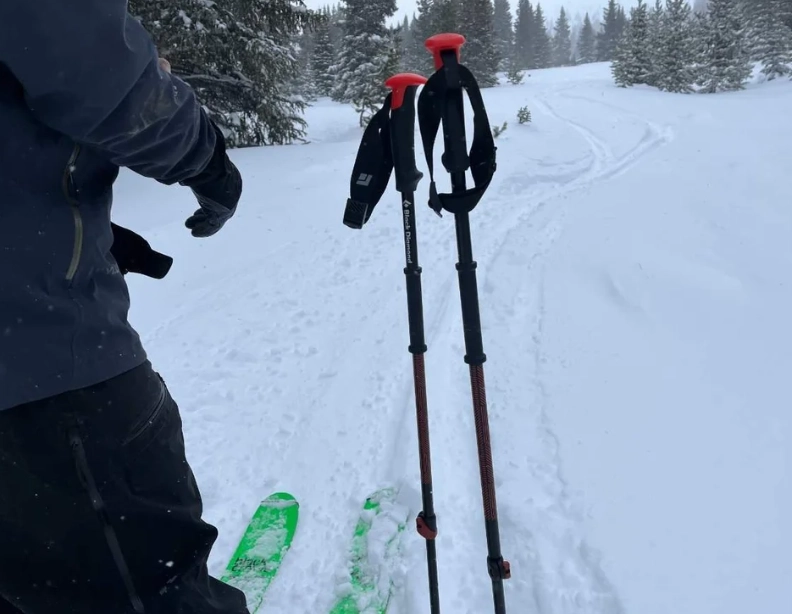
What NOT to Do: Common Beginner Mistakes
- The Basket Drag: Letting the pole basket drag behind you on the snow. It kills your rhythm and can catch an edge.
- The Windmill: Swinging poles in wide, circular arcs. Keep them close to your body.
- The Death Grip: Holding on so tight your forearms burn by lunch. Relax.
- The Late Plant: Stabbing the snow halfway through the turn. The plant happens at the very beginning.
I recall a student named Alex who was terrified of blue runs. His problem? He wasn't using his poles at all, so every turn initiation was a panicked upper-body twist. We spent one run focusing solely on a light pole tap at the start of each turn. By the bottom, his turns were smoother and he was laughing. It changed everything.
When Might a Beginner Skip Poles? (Scenario-Based Advice)
There are specific situations where starting without poles isn't a bad idea. It's about managing the cognitive load.
The Absolute First-Timer on a Magic Carpet Slope. If you're spending your first hour on a tiny, flat beginner hill just learning to glide, wedge, and stop, you can skip poles for the first 30-60 minutes. This lets you focus entirely on your feet and balance. But introduce poles as soon as you start linking wedge turns or moving to a slightly steeper slope.
Very Young Children (Under 5 or 6). For little kids, poles are often more of a hazard than a help. Their coordination and strength aren't there yet. Most ski schools introduce poles only after a child has solid wedge control.
If You're Using a Specific Learning System. Some modern teaching methods, like the International Ski Federation's (FIS) "Beginner Zone" concepts, might delay pole use to emphasize lower-body movements first. Follow your instructor's lead.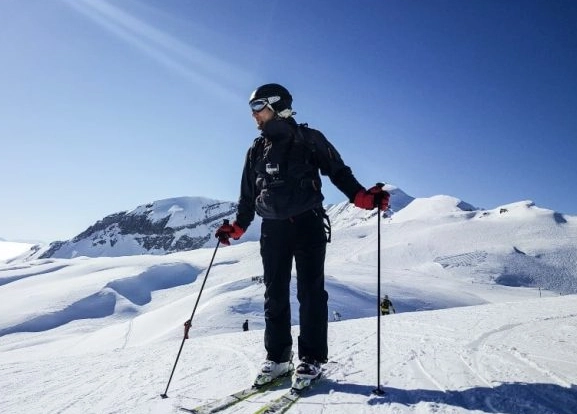
The key is that "skipping poles" should be a temporary, focused phase, not the entire learning journey. The goal is to add them in as soon as you're ready to focus on timing.
Making Your Decision: A Practical Checklist
Still unsure? Run through this list. If you answer "yes" to most, you're ready for poles.
- Can you make a basic wedge (pizza) to slow down and stop consistently?
- Can you glide on a gentle slope without immediately panicking?
- Are you moving beyond the absolute flat "magic carpet" area to a beginner chairlift?
- Do you feel like your upper body is twisting independently of your legs when you try to turn?
- Are you getting stuck or exhausted on flat run-outs?
If you're checking those boxes, renting a pair of poles and asking your instructor or a friend to show you the basic grip and plant is your next step.
Your Ski Pole Questions, Answered by an Instructor
You're likely holding them incorrectly or letting them dangle. First, check your grip using the "shake hands" method I described. This positions the pole correctly. On flats, don't drag the poles. Pick them up and plant them deliberately with each stride, like you're walking with canes. Keep the baskets slightly behind you as you push off. The tripping usually happens when the pole is held pointing diagonally across the front of your body.
No. Ill-fitting poles will sabotage your progress. Go back to the rental shop and ask them to check the length. It's a 30-second adjustment for them. A proper fit is non-negotiable for developing good technique. Don't be shy—it's a common request.
Absolutely not. Rental poles are perfect. You don't need lightweight carbon fiber or fancy grips. As a beginner, you'll be dropping them, banging them together, and generally abusing them. Save your money for a good helmet or lessons. Once you're skiing parallel confidently on blue runs, then you can think about buying. OutdoorGearLab does great reviews, but that's for later.
This usually means you're not wearing the straps, or you're wearing them wrong. The strap is a retention device. With the correct grip, the pole stays attached to your wrist even if you let go. In a fall, try to relax and let go of the grip. The pole will stay with you, making it easier to gather yourself. If you death-grip it, it becomes a lever that can twist or strain your wrist.
So, what's the verdict? For the vast majority of new skiers, ski poles are a necessary tool for long-term success. The trick isn't avoiding them; it's committing to learning their proper use from the start. Ask for help with the grip and the basic plant. Focus on that light tap for timing. It might feel awkward for a run or two, but soon it will become second nature, and you'll wonder how you ever skied without that rhythm. Now go grab those poles—the right way—and get out there.