Learning to ski is easier than you think, but there's a right way and a wrong way to start. The wrong way involves borrowing ill-fitting gear, heading straight to the top of a steep run with a confident friend, and spending more time on your backside than on your skis. The right way—which we’ll cover here—is about smart preparation, professional guidance, and building confidence on terrain that won’t intimidate you. This guide cuts through the noise and gives you the exact steps to go from complete novice to someone who can confidently link turns down a gentle slope. Let’s get you ready for your first day on snow.
What You'll Find in This Guide
Why Ski Lessons Are Non-Negotiable for Your First Time
Should you teach yourself or learn from a friend? I strongly advise against it. A certified ski instructor from a body like the Professional Ski Instructors of America & American Association of Snowboard Instructors (PSIA-AASI) does more than show you how to snowplough. They teach you how to move efficiently and safely from day one, preventing habits that are hard to break later.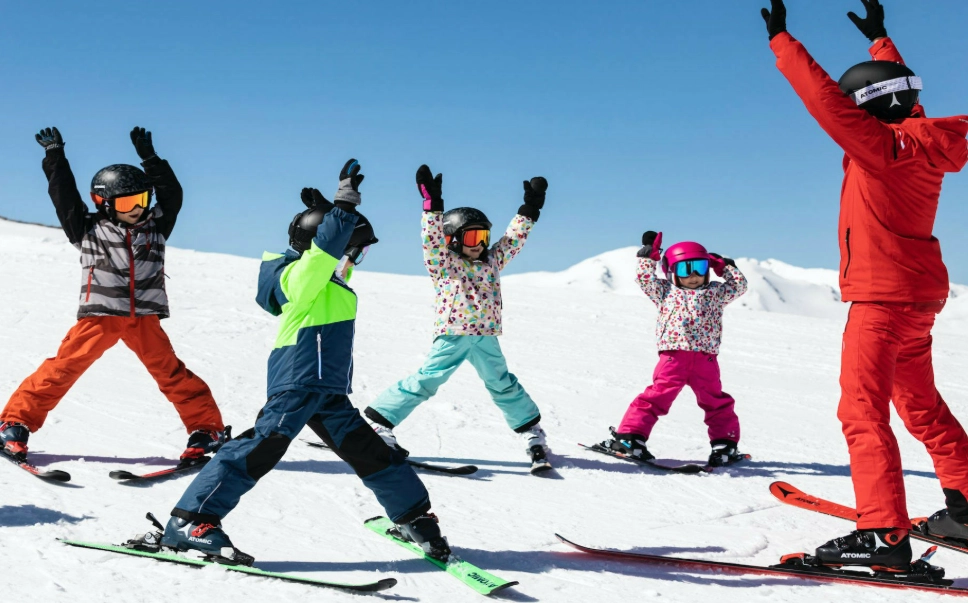
Think about it. A friend might be a great skier, but they rarely know how to break down the mechanics for a total beginner. They might say "just do this" without explaining the "how" or "why." An instructor's job is to build your skills progressively on appropriate terrain (the gentle "green" runs). They'll also give you immediate, actionable feedback you can't get on your own.
Group lessons are a fantastic, cost-effective way to start. You’ll learn alongside people at your level, which is oddly encouraging. Private lessons offer tailored, faster progress. Most resorts offer beginner packages that bundle a lesson, lift ticket for beginner areas, and gear rental. It’s the best value and safest bet for your first day.
Your First-Time Ski Gear Checklist: Rent, Don't Buy (Yet)
You don't need to own a thing to start. Renting is the smart move. It gives you access to well-maintained, season-appropriate equipment without the upfront cost. Here’s what you’ll need, broken down by what to rent and what to buy for comfort.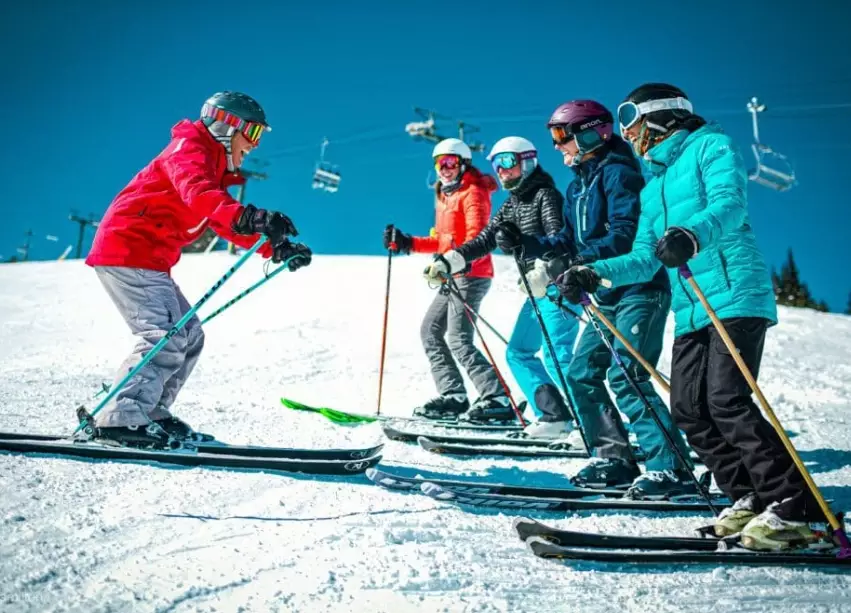
What to Rent at the Ski Shop
When you rent, the technician will help fit you. Speak up if something feels wrong.
- Skis, Boots, and Poles: For your first time, you'll be put on short, soft, forgiving skis designed for learning. The boots are the most important part—they should be snug but not painfully tight. Your toes should just brush the front when you lean your shins forward. Poles are almost decoration at this stage; you'll use them mostly for balance while standing still.
- Helmet: Non-negotiable. Rent one if you don't own one. Modern ski helmets are lightweight, warm, and could save your life. Make sure it fits snugly without wobbling.
What to Buy or Bring for Personal Comfort
This is where personal investment matters. Cheap gear here can ruin your day.
- Ski Socks: One pair of thin-to-medium weight, tall, moisture-wicking socks (like merino wool). Never wear cotton socks or two pairs—it causes blisters and cold feet.
- Baselayers: Top and bottom made of synthetic or merino wool fabric. Again, avoid cotton—it holds sweat and gets cold.
- Insulating Mid-Layer: A fleece or lightweight puffy jacket.
- Ski Jacket and Pants: Waterproof and breathable. You don't need a $1000 Gore-Tex suit. A decent entry-level waterproof jacket and pants will do. Look for a rating of at least 10,000mm for waterproofing.
- Gloves or Mittens: Waterproof is key. Mittens are often warmer for beginners. Don't make my first-time mistake of wearing cheap knit gloves—they get wet instantly and your hands freeze.
- Goggles: Essential for visibility in sun, wind, or snow. Sunglasses can work on perfectly sunny days but won't protect you from wind or a fall.
- Neck Gaiter or Balaclava: Protects your face and neck from windburn.
- Sunscreen and Lip Balm (SPF): The sun reflects off the snow. You will burn, even on cloudy days.
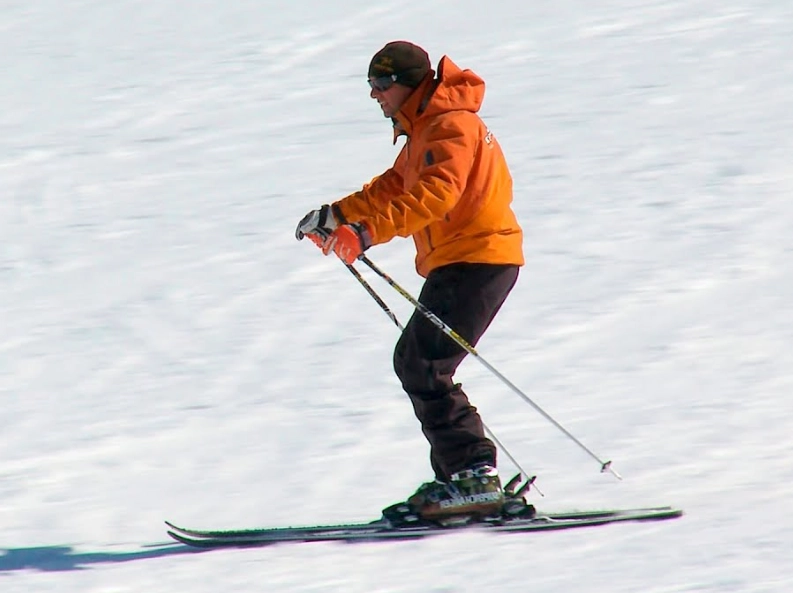
On the Snow: A Step-by-Step Guide to Basic Skills
Your first day on skis is about mastering four fundamental progressions. Don't rush. Get comfortable with each step before moving on.
Step 1: The "Ski Walk" and Getting Used to Your Gear
First, just walk around on flat snow with your skis on. It feels clumsy. Get a feel for the length and weight. Practice stepping sideways and climbing a tiny incline like a crab (called "side-stepping"). This builds basic coordination.
Step 2: The Magic Carpet and Straight Run
You'll use a surface lift called a "magic carpet" (a moving walkway) to go up a tiny, gentle slope. At the top, point your skis straight down the fall line, keep your weight centered, and just slide to the bottom. Don't try to turn or stop yet. The goal is to feel the glide and get used to the speed (which is minimal). Bend your ankles and knees slightly.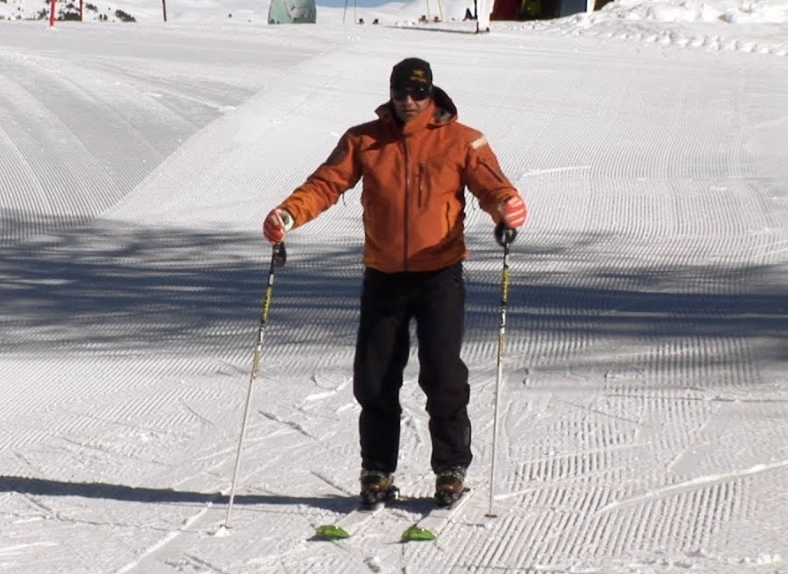
Step 3: The Snowplough (Pizza Slice) – Your Brake and Turner
This is the core skill for all beginners. From a straight glide, push your heels out and bring your ski tips together, forming a wedge or "pizza slice." This pushes snow between your skis and slows you down. The harder you push your heels out, the more you stop. Practice until you can start, glide, and stop reliably. Most of your first lesson will be here.
Step 4: Snowplough Turns (French Fries with a Little Pizza)
Turning starts from your snowplough. To turn right, put a little more weight on your left foot. To turn left, put more weight on your right foot. Your skis will naturally start to arc in that direction. You're not forcing the skis around with your upper body—you're shifting pressure. Look where you want to go, and your body will follow.
Linking a few of these turns together down a green run is the ultimate goal of your first 2-3 days. It feels incredible when it clicks.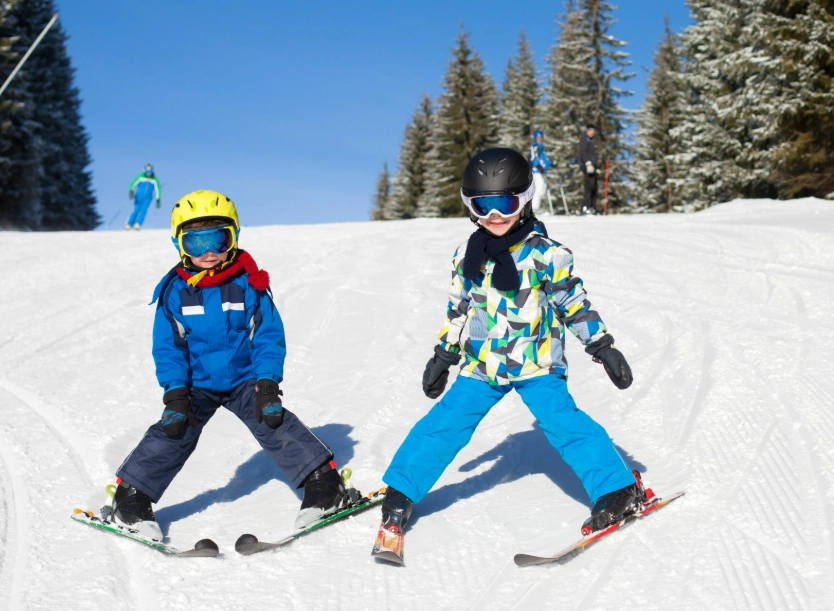
Choosing Your First Ski Resort: Look for Beginner Terrain, Not Fame
You don't need a famous, intimidating mega-resort for your first time. Look for a hill known for its beginner-friendly infrastructure. Key features to research online:
- Dedicated Beginner Area: A separate, fenced-off zone with its own gentle slope and magic carpet lift. This keeps you away from faster, more advanced skiers.
- High-Quality Green Runs: Look for resorts with a good number of long, wide, well-groomed green circle trails from the top of a chairlift. It’s demoralizing to only have one short beginner run.
- Good Ski School Reputation: Read reviews specifically about the learn-to-ski programs.
- Convenience: Easy access from lodging, on-site rentals, and a relaxed vibe are pluses.
Some North American examples that excel in these areas include Whistler Blackcomb's Olympic Station area (BC, Canada), Breckenridge's Peak 9 (Colorado, USA), and Keystone's Discovery Zone (Colorado, USA). In Europe, consider purpose-built villages like Avoriaz (France) with its gentle "Village" and "Stade" sectors or Saas-Fee (Switzerland) with its glacier beginner area. The specific resort matters less than its commitment to learners.
Common Pitfalls and How to Avoid Them
After teaching for years, I see the same subtle mistakes that hold beginners back. Here’s the inside track.
The Leaning Back Death Grip: Fear makes you lean back onto your heels, as if trying to sit in a chair. This takes your skis out from under you and removes all control. Fix: Consciously push your shins into the front of your boots. This centers your weight and engages the ski's edges.
Staring at Your Ski Tips: You're nervous, so you look down. Your body follows your head, and you lose balance. Fix: Look 10-20 feet ahead down the slope where you want to go. Your peripheral vision will handle the skis.
Over-relying on Your Poles for Balance: Beginners often plant their poles wildly or use them to push themselves up after a fall. This creates bad habits. For your first few days, you barely need them. Fix: Hold your poles correctly (straps on, hands through from below) but keep them slightly forward and out to the side, not stabbing the snow constantly.
Trying to Progress Too Fast: You master the beginner slope in an hour and think you're ready for a blue square. This is the fastest route to a scary experience and loss of confidence. Fix: Be patient. Solidify your skills on green runs until linking snowplough turns feels relaxed and automatic. Then, with an instructor's guidance, try the easiest blue.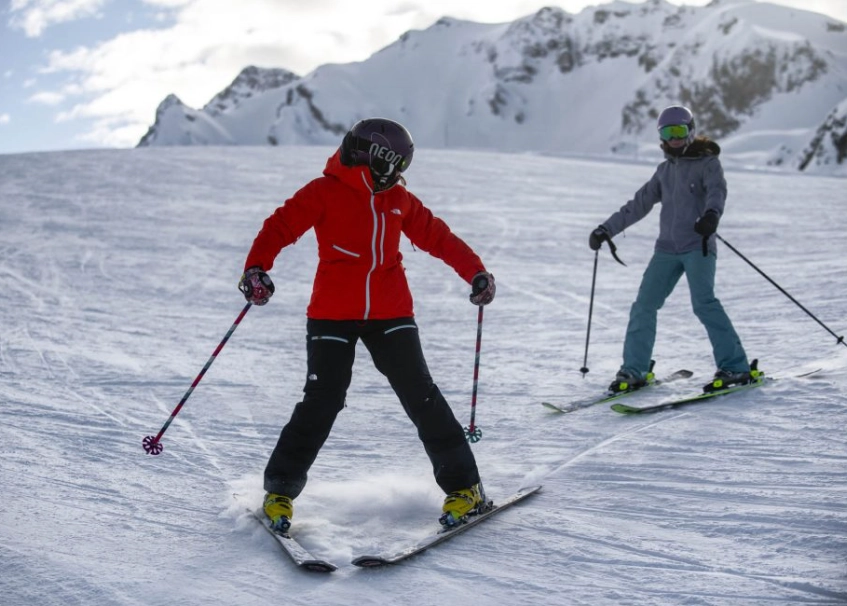
The Path Forward: What to Learn After Your First Day
So you've linked a few turns and had a blast. What's next? Skiing is a lifelong progression. Your next skills will focus on refining that snowplough into more efficient, parallel skiing.
- Wedge Christies: This is the transition from a snowplough turn to a parallel turn. You start the turn in a wedge, but then bring the inside ski parallel to the outside ski to finish the turn.
- Basic Parallel Turns: Turning with your skis mostly parallel from start to finish. This uses less energy and allows for better control on steeper terrain.
- Using Chairlifts Confidently: Learning the etiquette and technique for loading, riding, and unloading chairlifts without drama.
- Introduction to Carving: Using the ski's sidecut to make clean, arced turns on groomed runs.
Each step is best learned with continued instruction. Consider a multi-day lesson package or booking follow-up lessons as you progress.
Your Questions, Answered Straight
I'm an adult over 40. Is it too late for me to learn to ski?
How can I manage my fear of speed and steep slopes as a beginner?
What's one piece of gear beginners consistently get wrong?
Is skiing an environmentally damaging sport I should avoid?
The mountain isn't going anywhere. Start with the right foundation—good instruction, proper gear, and realistic expectations—and you’ll unlock a lifetime of winter joy. See you on the green runs.