Your Mountain Job Navigator
- The Obvious (And Not-So-Obvious) Answers to "What Jobs Can You Get at a Ski Resort?"
- Breaking It Down: A Quick-Reference Table of Ski Resort Jobs
- The Real Deal: Pay, Perks, and the Not-So-Glamorous Parts
- How to Actually Get Hired: A Step-by-Step Game Plan
- Your Burning Questions, Answered (The FAQ Section)
- Final Thoughts Before You Hit Apply
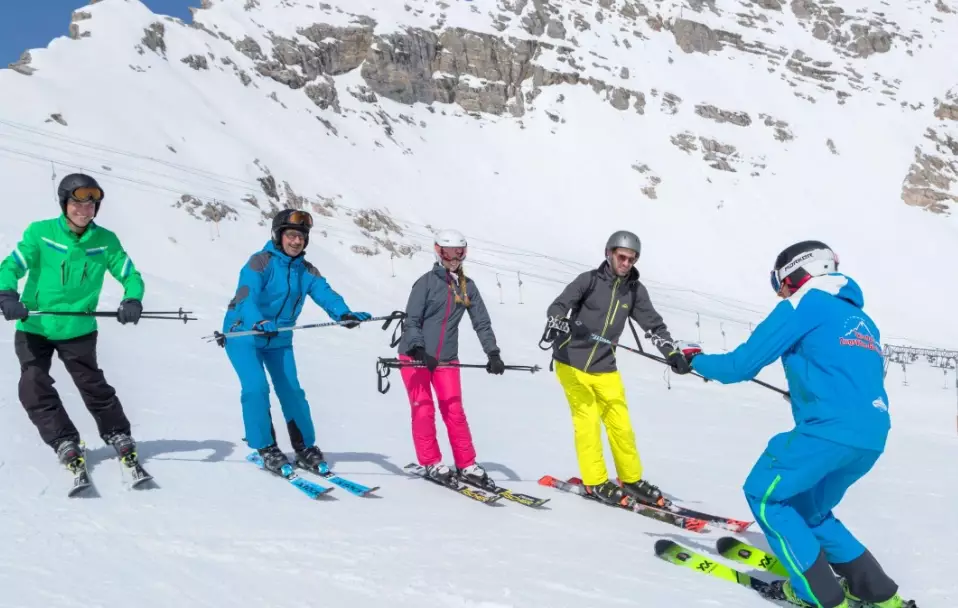
So you're thinking about working at a ski resort. Maybe you're a student looking for a wild winter break, a career changer seeking adventure, or just someone who thinks shoveling snow beats another day in a cubicle. I get it. I spent a season teaching kids how to pizza and french fry on the bunny slopes, and let me tell you, it was equal parts exhausting and incredible.
But when people ask "what jobs can you get at a ski resort?" they often just picture the ski instructor or the lifty. The reality is so much broader. A ski resort is like a small, snowy city that pops up for a few months. It needs everything a city needs to function, just with more Gore-Tex and way better views.
This isn't just a list. It's a deep dive into the ecosystem of mountain employment. We'll talk about the jobs you know, the ones you don't, how to actually get hired, what it's really like to live the seasonal life, and answer the questions you're probably too nervous to ask in an interview. Let's get into it.
The Obvious (And Not-So-Obvious) Answers to "What Jobs Can You Get at a Ski Resort?"
First, let's break down the mountain. Jobs typically fall into a few big buckets. Some are directly on the snow, some are in the buildings, and some keep the whole machine running behind the scenes.
On-Snow & Mountain Operations Jobs
These are the roles that define the ski resort experience. If you want to be outside all day, this is your zone.
Lift Operators ("Lifties"): The unsung heroes. Your job is to load and unload chairs, keep the line moving, and make sure everyone is safe. It's repetitive, can be brutally cold, and you'll hear the same jokes about the lift being slow a hundred times a day. But it's also a fantastic social job, often comes with a pass, and you're right there at the base of the mountain.
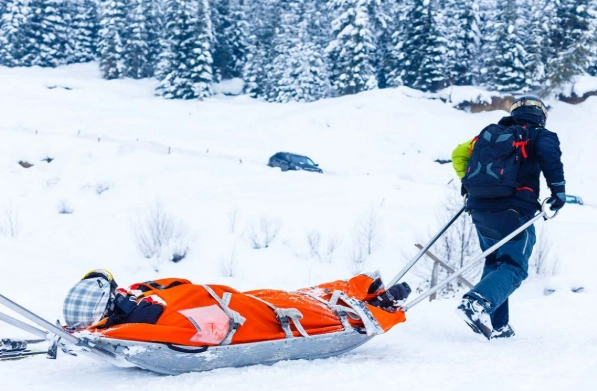
Ski Patrol. This is the serious one. These are the first responders of the mountain. They do avalanche control (blasting!), provide emergency medical care, mark hazards, and sweep the mountain at the end of the day. This is not an entry-level gig. You need advanced first aid (like Outdoor Emergency Care or EMT), often need strong skiing/boarding skills, and the ability to handle high-stress situations. It's a career path for many.
Mountain Safety & Guest Services. Different from patrol, these folks are more about preventing problems. They might stand at tricky intersections, remind people to slow down, and help lost guests. It's a great foot in the door if you're keen but don't have the medical certs for patrol yet.
Grooming Crew. They work the night shift, driving those massive machines to till the snow into perfect corduroy. It requires mechanical aptitude and the ability to work alone on a dark, cold mountainside. It's a specialized skill that's always in demand.
Food, Beverage & Hospitality
Think of the bustling lodges. They're giant restaurants and hotels stuck on a mountain. This sector hires a ton of people.
Servers, Bartenders, Baristas. Tips can be excellent, especially in fine dining establishments at high-end resorts. The hours are often after the ski day ends, which means you can ski in the morning and work at night. A perfect combo for some.
Cooks & Kitchen Staff. From line cooks in the cafeteria to sous chefs in the summit restaurant. If you have culinary skills, you can find work. The environment is fast-paced and the pressure is real during the lunch rush when hundreds of hungry skiers descend at once.
Lodge & Hotel Staff. This includes front desk agents, concierges, housekeepers, and maintenance for on-mountain hotels or rental properties. Customer service is key here. You're dealing with tired, sometimes frustrated guests, and turning their day around is part of the job.
Retail & Rental
Every resort has at least one giant shop renting out gear and selling everything from lip balm to $1,000 jackets.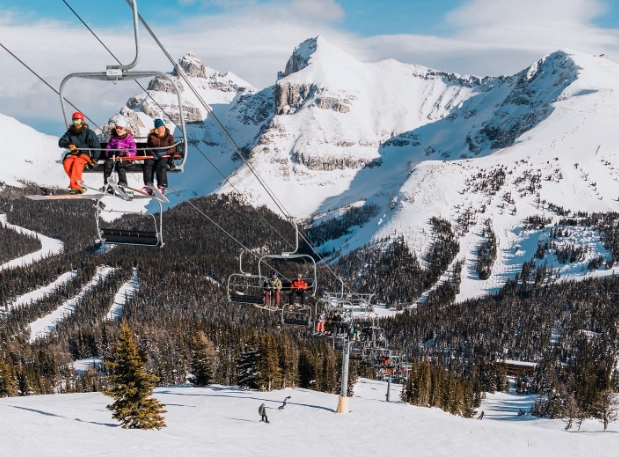
Rental Technicians. You'll be fitting boots, adjusting bindings, and explaining how skis work to first-timers. You need to be patient, detail-oriented, and able to work quickly under pressure. Learning basic boot fitting and binding adjustment is a valuable skill.
Retail Associates. Working in the resort's pro shop or branded clothing store. Product knowledge about skis, boards, and technical apparel is a huge plus. Discounts on gear are usually a fantastic employee benefit.
"Back of House" & Essential Services
These are the jobs that make the front-of-house roles possible. Often overlooked, but critically important.
- HR & Recruiting: Yes, someone has to hire all these seasonal workers! These are often year-round positions.
- Accounting & Finance: Processing payroll for thousands of seasonal employees is a big task.
- Marketing & Social Media: Creating those enticing ads and managing the resort's Instagram feed. A dream job for some.
- IT Support: When the point-of-sale system goes down in five lodges at once, these are the people who save the day.
- Vehicle Maintenance: Keeping the fleet of snowcats, snowmobiles, and buses running.
- Childcare & Daycare: Major resorts often have licensed daycare facilities for the youngest guests.
See? When you start to list it out, the answer to "what jobs can you get at a ski resort?" becomes almost "what job do you already do?" There's probably a mountain version of it.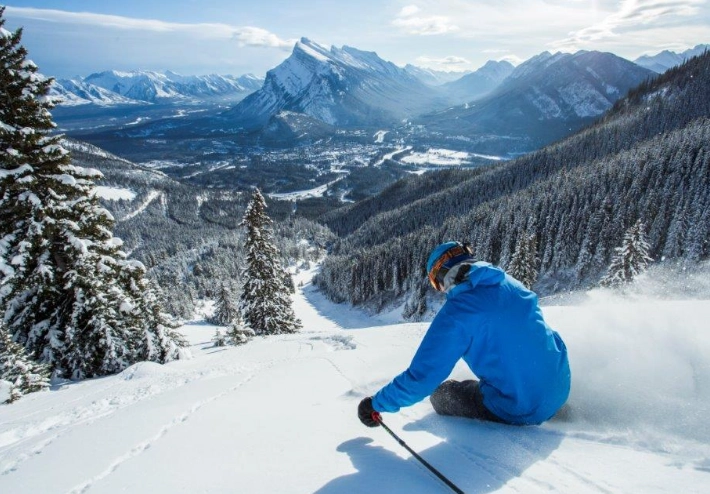
Breaking It Down: A Quick-Reference Table of Ski Resort Jobs
To make sense of it all, here's a snapshot. This table covers some of the most common roles, what they typically require, and who they might suit.
| Job Category | Example Positions | Typical Requirements | Best For People Who... |
|---|---|---|---|
| On-Snow & Instruction | Ski Instructor, Snowboard Instructor, Nordic Ski Guide | Strong intermediate+ skiing/riding; PSIA-AASI certs preferred for instructors; patience | Love teaching, are extremely patient, want maximum ski time |
| Mountain Operations | Lift Operator, Ski Patroller, Groomer, Mountain Safety | Varies widely: from none (lift ops) to EMT/OEC certs (patrol) to CDL (grooming) | Like working outdoors in all conditions, are safety-focused, don't mind physical work |
| Food & Hospitality | Server, Bartender, Line Cook, Hotel Front Desk, Housekeeping | Previous experience is a big plus; food handlers card; customer service skills | Are social, work well under pressure, enjoy a fast-paced environment, want tipped income |
| Retail & Rental | Rental Technician, Retail Sales Associate, Boot Fitter | Technical knowledge of gear is a major asset; customer service; ability to be on feet all day | Are gearheads, like problem-solving (e.g., fixing a binding), are patient with beginners |
| Administrative & Support | HR Coordinator, IT Specialist, Marketing Assistant, Accountant | Relevant degree or experience; these are often year-round or skilled seasonal roles | Want a "normal" office job but in a mountain town, have specific professional skills |
That table just scratches the surface, but it gives you a framework. Now, let's talk about the part nobody tells you about upfront: the logistics.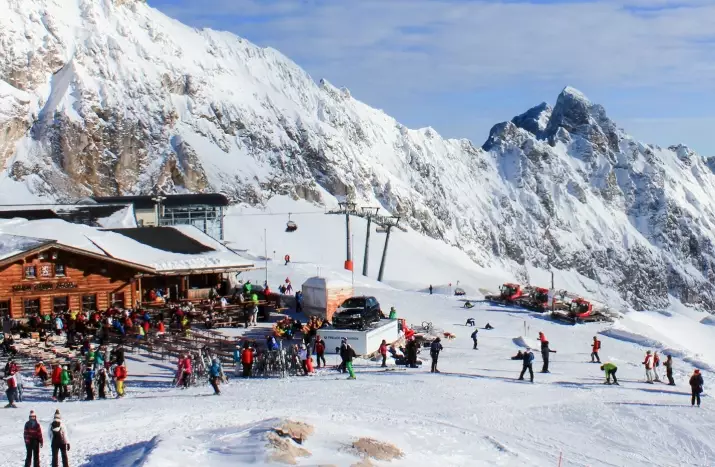
The Real Deal: Pay, Perks, and the Not-So-Glamorous Parts
Okay, let's be honest. You're not doing this to get rich. The pay for most entry-level, seasonal positions is... modest. Think slightly above minimum wage in many cases. The value is in the non-monetary compensation.
The Perks (The Good Stuff)
- The Season Pass: This is the golden ticket. A season pass can cost $1,000+. Getting one for free or at a massive discount is often the biggest financial benefit of the job.
- Ski Time: Depending on your role, you may get to ski before work, on your days off, or even during slow periods if you're in certain positions (instructors often have "progression" time).
- Gear Discounts: Employee discounts at resort shops and sometimes with partner brands can be 30-50% off. This is huge if you need new equipment or clothing.
- The Community: You'll live and work with people from all over the world who share your passion. The friendships and stories are unforgettable.
- Meal Deals: Often free or heavily discounted meals during your shift.
The Challenges (What They Don't Put on the Poster)
The cost of living is high. Groceries, gas, everything costs more in a remote mountain town. Your low wage doesn't go far.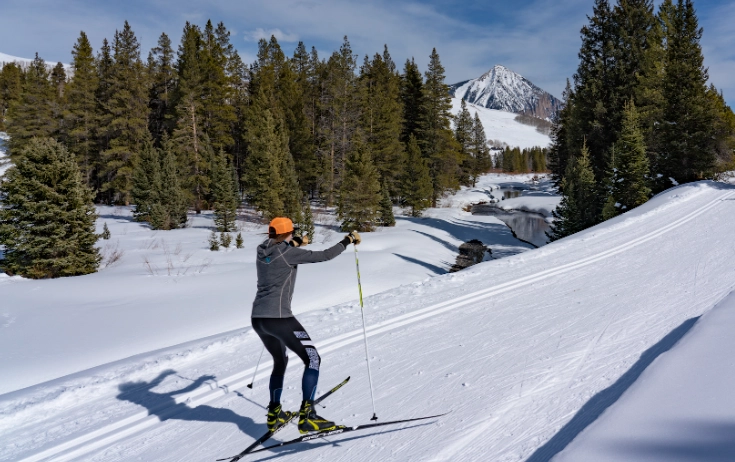
It's physically demanding. Even office jobs might require you to walk through a parking lot in a blizzard to get to work. Jobs like lift ops or rental techs are hard on the body.
It can be isolating. You're often far from family, and the tourist crowds can feel transient. The off-seasons ("mud seasons") can be quiet and lonely in town.
You'll work when others play. Holidays? Your busiest days. A perfect powder day? You might be stuck inside serving coffee. There's a trade-off.
I don't say this to scare you off, but to prepare you. Going in with your eyes wide open is the key to having a great season, not a stressful one.
How to Actually Get Hired: A Step-by-Step Game Plan
Knowing what jobs you can get at a ski resort is one thing. Getting one is another. Here's how to navigate the process.
1. Start Early, Like, Really Early. Big resorts start hiring for winter in the summer and early fall. If you apply in November, most of the good jobs are gone. Aim for August-October.
2. Target the Resort's Career Page. This is the most important step. Don't just send a generic resume to a resort email. Go to the official website of the resort you want to work at (e.g., Vail Resorts, Aspen Skiing Company, Whistler Blackcomb) and find their "Careers" or "Jobs" page. This is where all official postings are. For example, Vail Resorts' career portal is where they list thousands of seasonal openings.
3. Craft a Mountain-Ready Resume. Highlight any customer service experience. Seriously, even if it was at a fast-food joint. Resorts care about your ability to deal with the public. Highlight physical stamina, teamwork, and any relevant skills (like cash handling, cooking, or gear knowledge). If you have a first aid cert, flaunt it.
4. Nail the (Often Virtual) Interview. Be ready to answer:
- "Why do you want to work here?" (Have a specific answer about the resort, not just "I like to ski.")
- "Tell me about a time you dealt with a difficult customer."
- "Are you comfortable working outdoors in extreme cold/snow?"
- "What are your housing plans?" (Have an answer. "I don't know" is a red flag.)
5. Ask Smart Questions. This shows you're thinking ahead.
- "Can you detail the employee benefits, like the season pass policy and gear discounts?"
- "What does the training process look like for this role?"
- "Is employee housing available, and what is the application process for it?"
Your Burning Questions, Answered (The FAQ Section)
Final Thoughts Before You Hit Apply
Working at a ski resort is a unique life experience. It's not a vacation—it's a job in a demanding, beautiful, and sometimes chaotic environment. You'll work hard, you'll probably be tired and a little broke, but you'll have moments that stick with you forever: sunrise from the top of the lift, the camaraderie of your co-workers after a long day, the satisfaction of helping a terrified kid conquer their first green run.
So, what jobs can you get at a ski resort? The answer is: more than you ever imagined. The real question is, which one calls to you? Identify your skills, be honest about your tolerance for cold and chaos, get your application in early, and get ready for an adventure. The mountain is waiting.
Just remember to pack your long underwear.