Quick Guide to Mastering Button Lifts
Let's be honest here. The button lift, that little disc or T-bar that pulls you up the slope, is the single most common source of frustration, embarrassment, and straight-up yard sales for snowboarders. It's the great equalizer. I've seen expert riders who can carve down a black run like it's nothing, get completely unraveled by a simple Poma lift. Your first time approaching one on a snowboard feels like a rite of passage you didn't ask for.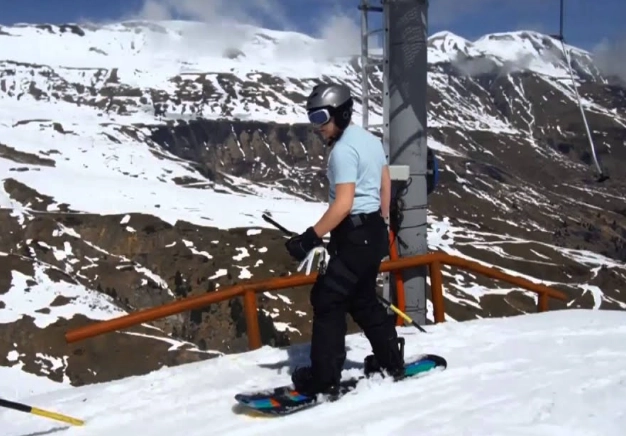
Why is it so much harder for us than for skiers? Simple physics. Skis point forward naturally. A snowboard points sideways. That fundamental difference turns what is a mildly annoying pull for them into a complex balancing act for us. The goal isn't just to survive the button lift on your snowboard—it's to make it look effortless, so you can save your energy for the ride down.
Why Your Snowboard Hates the Button Lift (And What to Do)
It's not you, it's your setup. Well, mostly. A lot of the struggle comes from how a modern snowboard is designed versus what a button lift demands.
Think about it. The lift pulls you in a straight line. Your snowboard wants to go sideways. To go straight, you have to be on your toe edge or heel edge, which is an inherently less stable position than standing flat. Add a sudden jerk from the lift, a bit of uneven snow, and boom—you're eating snow.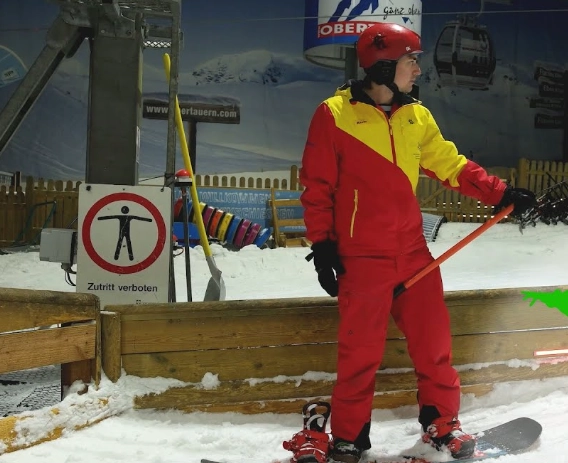
Some board designs make it worse. A super aggressive, deep sidecut board that's amazing for carving? It might be twitchy and hooky on a flat track. A wide powder board can feel like a boat rudder dragging through slush. Knowing this is half the battle.
Gear Tweaks That Make a World of Difference
Before you even get in line, check these three things. They're simple but crucial.
Stance Width: A wider stance gives you a more stable, surfer-like platform. If you're crammed into a narrow stance, you have less control over your edges. Widen it out a notch or two, especially if you're a beginner. It helps immensely with balance during the pull of the button lift snowboard ride.
Forward Lean on Your Highbacks: This is a pro tip. Crank a bit more forward lean on your bindings' highbacks. It pre-engages your heel edge, making it easier to hold that slight heel-side pressure you need without exhausting your calf muscles. Don't overdo it, but 2-3 clicks more than usual can be a game-changer.
Board Flex & Profile: A softer, more forgiving board is generally easier on lifts than a stiff, aggressive one. A rocker-dominant profile (where the tip and tail rise off the snow) is also less likely to catch an edge unexpectedly than a full camber board. It's a trade-off with performance, but worth considering if you're in a resort with mostly drag lifts.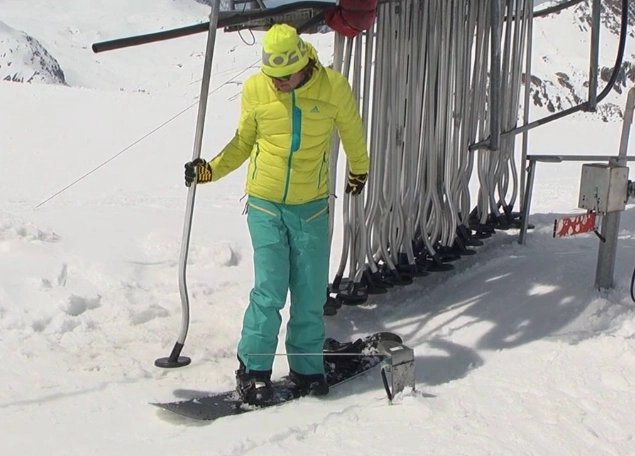
The Step-by-Step Technique (No Fluff)
Forget the complicated diagrams. Here’s the breakdown for a standard disc/Poma button lift.
The Approach: Watch the people ahead of you. Time it so you glide smoothly into position. Don't stop and wait. As you get to the loading area, point your board straight up the hill. Not sideways. Straight. This is the first and most common mistake.
Grabbing the Lift: Look over your shoulder (the shoulder of your back foot). Reach back with that hand and grab the pole. Guide the disc behind your back leg, placing it firmly between your thighs. Don't just let it bump against your leg. Sit on it slightly. For a T-bar, the bar should go behind your back thigh, and you and your partner lean against it.
The Critical First Pull: This is where most falls happen. The lift will jerk you forward. Be ready. Immediately get onto your heel edge. Just a little pressure. Your back should be straight, knees bent, arms relaxed. Don't try to steer. Let the lift pull you. Your job is to stay balanced on that heel edge, board pointing straight.
During the Ride: Look ahead up the track, not at your feet. Keep a relaxed but engaged posture. If you feel yourself wobbling, apply a bit more heel pressure. Don't panic and switch to your toe edge—that's a surefire way to catch an edge and spin out.
The Exit: As you near the top, start planning your exit. The slope will level out. The moment you feel the pull lessen, gently let go of the pole and let the disc slide out from behind you. Push off with your back foot to skate away from the track quickly. Don't just stop in the exit lane!
Button Lift vs. Your Snowboard Type: A Reality Check
Not all snowboards are created equal when it comes to drag lifts. Here’s a quick, honest look. This isn't to say you can't ride certain boards on a button lift—you absolutely can—but some will make you work harder.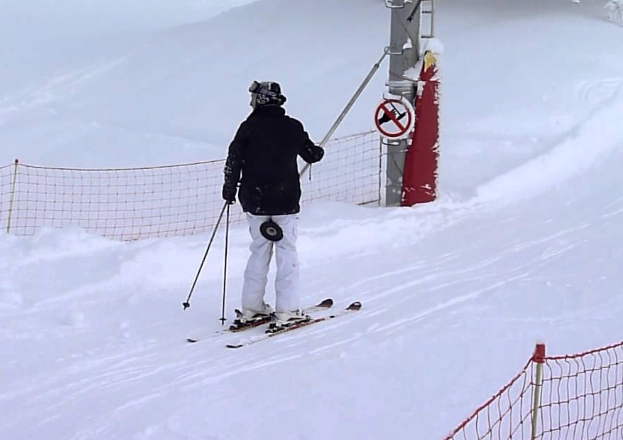
| Snowboard Type | Ease on Button Lifts | Why It's Like That | Pro Tip for Managing It |
|---|---|---|---|
| All-Mountain (Twin) | Easy to Moderate | Balanced flex and sidecut. Designed for versatility, which includes getting around the resort. | You're in the best starting position. Focus on technique. |
| Freestyle/Park Board | Easy | Softer flex, often twin-shaped. Forgiving and less hooky on flat terrain. | Enjoy it. These are often the easiest boards for a button lift snowboard session. |
| Freeride/Directional | Moderate to Tricky | Stiffer flex, directional shape. The aggressive sidecut wants to turn, not go straight. | Really focus on keeping the board straight. A wider stance helps control the stiffness. |
| Powder/Wide Board | Tricky | Wide waist drags in the lift track, especially in soft snow. Can feel sluggish. | Seek out the packed part of the track. Accept it will require more effort. |
| Race/Carving Board | Hard | Extremely narrow, aggressive sidecut. Designed to be on an edge at high speed, twitchy at low speed. | Good luck. Seriously, these are a challenge. Maximum concentration required. |
See? It's not just in your head. Your gear plays a role.
Real Problems, Real Answers (Your FAQ)
Sit on the side of the T-bar, not in the middle. Keep your weight centered over your board. It's awkward, but doable. Sometimes you can ask the liftie to slow it down for a single rider.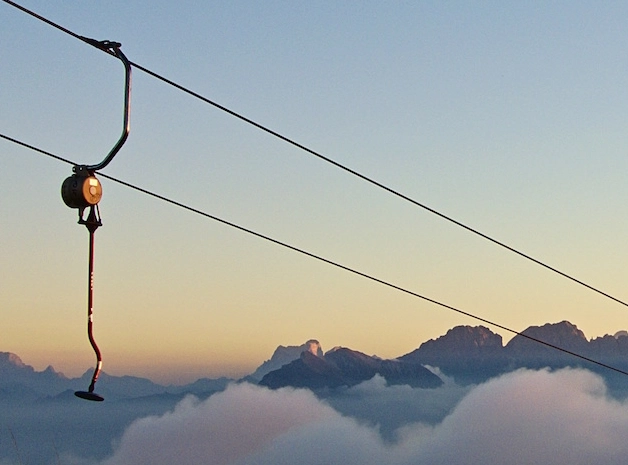
This is usually from fighting the lift or being on the wrong edge. You shouldn't be in a deep squat. You should be in a relaxed, athletic stance. Check your forward lean as mentioned earlier—it lets your highback do some of the work. Also, make sure you're not death-gripping the pole. Tension travels from your hands to your whole body.
The lift pulls everyone at the same force. If you're light, it can feel more violent. The key is to be extra ready for the initial jerk. Get into your heel-edge position even before the pull starts. Sometimes, leaning back a tiny bit more can help you stay in the track without being pulled over the front.
Heel edge. Almost always. It's a more natural, stable position when being pulled from behind. You can see where you're going, and it's easier to bail safely if you fall. Toe edge can work, but it's advanced and puts you in a blind spot.
You're likely letting your front shoulder dip and turn, which steers the board. Keep your shoulders square to the direction of travel (uphill). Look straight up the track, not at the scenery. Also, check the base of your board—deep gouges or a burred edge can act like a rudder and pull you off course.
Taking It to the Next Level: When You're Not a Beginner Anymore
Once you've got the basic snowboard button lift technique on lock, you can start to play with it. You can ride switch (goofy on a regular lift, or regular on a goofy lift) to practice. You can try a toe-edge ride for a challenge (pick a short, easy lift first!). The goal is to make it a non-event, a boring part of the day that conserves energy.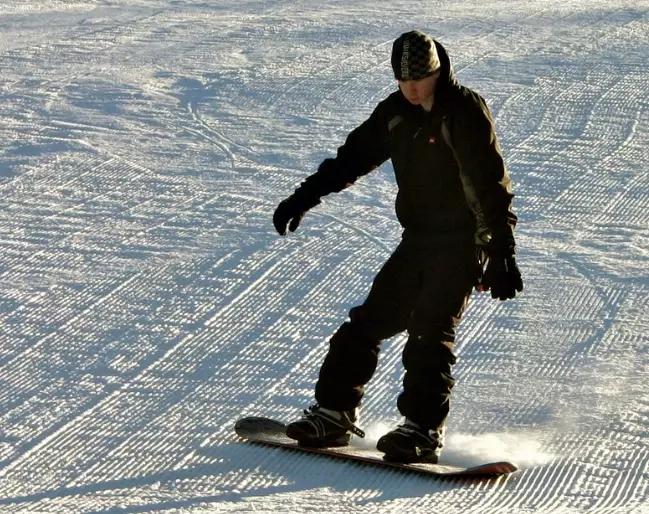
I'll admit, I used to dread certain lifts at my local hill. One in particular had a nasty dip halfway up that would throw everyone. It forced me to learn to absorb the terrain with my knees, like a shock absorber. Now, I don't even think about it. That's the goal—muscle memory.
Safety and Etiquette (Don't Be That Person)
Falling is part of learning. But how you handle it matters. If you fall, get out of the track immediately. Crawl or roll to the side. The people behind you can't stop. Let go of the lift pole so it can return to the bottom. Don't just lie there.
For the latest on lift safety standards and recommendations, it's always good to check resources from official bodies. For example, the International Ski Federation (FIS) publishes safety guidelines for ski areas, and many national ski area associations, like NSAA in the U.S., have detailed resources for safe lift conduct. Always follow the specific instructions of the lift attendants at your resort—they know their lifts best.
When loading with a partner (on a T-bar), communicate. A simple "ready?" goes a long way. If you're the more experienced rider, take the downhill side—it gives you more control if your partner wobbles.
Still have questions about specific gear for managing button lifts? Reputable snowboard retailers often have detailed gear guides that discuss board behavior in all mountain situations. Sites like Evo or The House provide in-depth reviews that can tell you how a board performs on flats and cat tracks, which is directly related to its button lift manners.