Quick Navigation
- The Non-Negotiables: Safety Certifications Explained
- Finding "The One": Fit and Adjustment Are Everything
- Beyond Safety: Features That Actually Matter on the Hill
- Top Contenders: A Look at Reliable Models
- The Decision Checklist Before You Buy
- Common Questions (The Stuff You're Really Wondering)
- Final Thoughts: It's About Confidence, Not Just Compliance
Let's cut right to the chase. If you're searching for "what is the best ski helmet for kids," you're probably hoping for a simple brand name or model number. The truth is, I can't give you just one. I learned this the hard way when I bought a top-rated helmet for my nephew, only to find it wobbled on his head like a bowl. The "best" helmet is the one that fits your child's unique head shape perfectly and meets key safety benchmarks. That's different for every kid.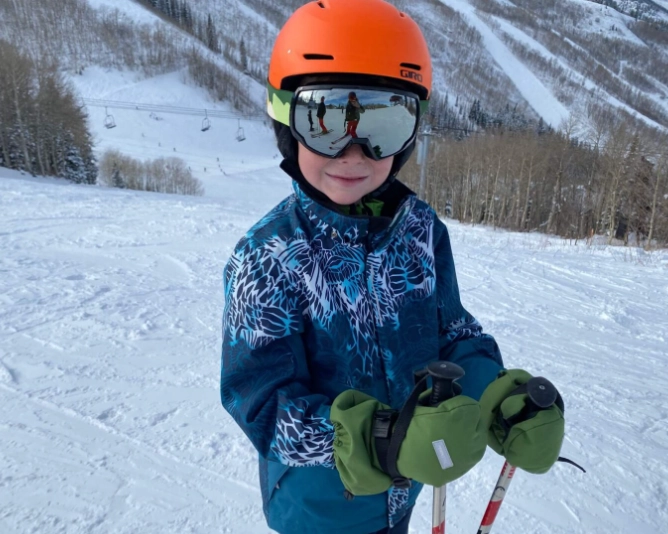
My goal here isn't to sell you a specific product. It's to make you an informed buyer. By the end of this, you'll know exactly what to look for, which features matter, and how to avoid common mistakes. We'll talk safety tech you've probably heard of (like MIPS) and some you haven't. We'll cover fit, ventilation, and even why your kid might refuse to wear a perfectly safe helmet (hint: it's often about the ear pads).
The Non-Negotiables: Safety Certifications Explained
Before we talk colors or cool designs, we have to talk about the boring stuff that keeps your child safe. A helmet is a safety device first, a fashion accessory second. Look for a certification label inside the helmet. In North America, the main standard is ASTM F2040. In Europe, it's CE EN 1077. A good helmet will often be certified to both. This means it's passed a battery of impact tests.
But here's where it gets more interesting. The old standard mostly tested for direct, linear impacts. Modern helmets address rotational forces—the kind that happen in a twisting fall, which can be particularly dangerous for the brain. This brings us to technologies like MIPS (Multi-directional Impact Protection System).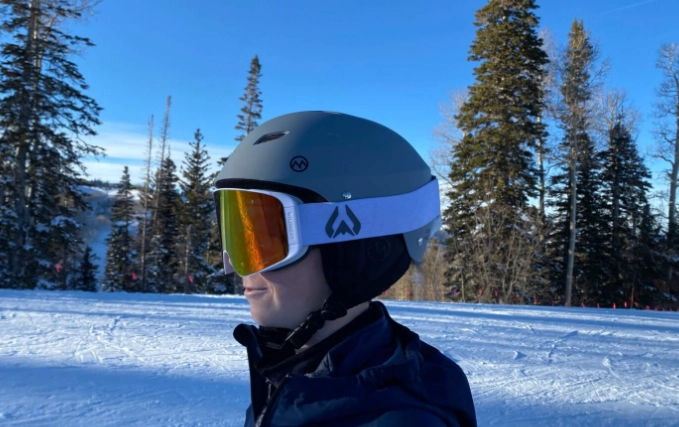
MIPS: Is It Worth It for Kids?
Think of MIPS as a low-friction layer inside the helmet that allows the outer shell to slide slightly on impact, redirecting rotational energy away from the brain. Studies, including those by the biomechanics researchers at the MIPS website, suggest it can reduce strain on the brain. For active, fast-skiing kids who are more likely to take dynamic falls, I personally think it's a worthwhile investment. It's become almost standard in mid-to-high-end helmets. However, a non-MIPS helmet with proper certifications is still vastly safer than no helmet at all.
Other similar systems exist (like SPIN from POC, or WaveCel). The principle is the same: managing rotational force. Don't get bogged down by the marketing names. The point is to look for a helmet that goes beyond the basic certification to address this type of impact.
Finding "The One": Fit and Adjustment Are Everything
This is the most critical part of the entire process. A poorly fitting helmet is a dangerous helmet. It can come off in a crash or fail to absorb impact correctly.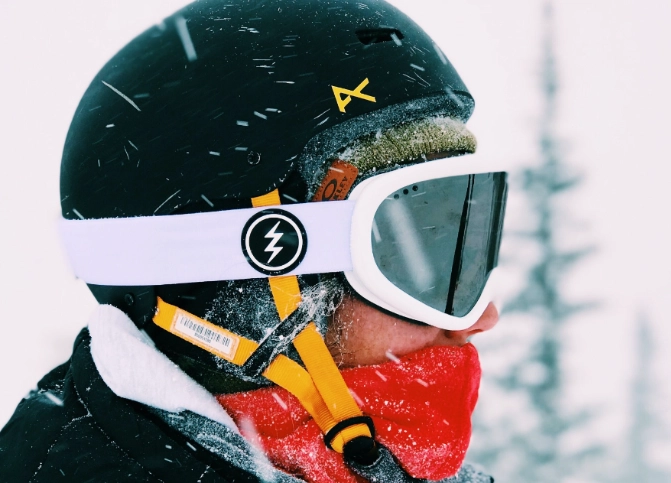
How to measure: Use a soft measuring tape just above the eyebrows and ears, around the widest part of the head. Do it a couple of times. Kids' head sizes can surprise you. Refer to the brand's specific size chart—they all vary slightly. Don't guess based on age.
The adjustment system is key. Almost all modern helmets have a dial-fit system at the back. You turn a knob to tighten or loosen a cage that snugly cups the occipital lobe (the back bump of the head). This is brilliant for micro-adjustments with gloves on. Make sure it works smoothly and feels sturdy. The helmet should sit level on the head, not tilting back. The front rim should be about one or two finger-widths above the eyebrows.
Beyond Safety: Features That Actually Matter on the Hill
Ventilation:
Kids work up a sweat, even in the cold. Vents prevent overheating and fogging of goggles. Look for helmets with adjustable vents—slides or plugs you can open on warm days and close on cold, windy ones. More vents aren't always better if you're skiing in frigid conditions.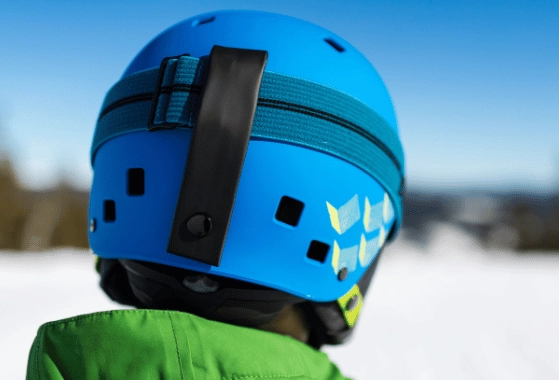
Goggle Compatibility:
This is huge. The helmet should have a goggle clip at the back to secure straps. More importantly, the brow of the helmet should create a seamless seal with the top of the goggle frame to prevent snow from getting in and cold air from blasting their forehead. Some helmets are designed to pair with specific goggle brands, but most work universally. If possible, bring the goggles when you fit the helmet.
Audio & Ear Pads:
Many helmets have pockets in the ear pads for audio systems. Even if you don't use audio, the ear pads themselves are important. Are they warm enough? Are they removable and washable? (Trust me, you want this). Some kids find thick ear pads uncomfortable or complain they muffle sound too much. Thin, fleece-lined pads are often a good compromise.
Weight:
A lighter helmet is less fatiguing for little necks. In-mold construction (where the foam is bonded to a thin outer shell) is typically lighter than hard-shell construction (a thicker plastic shell over foam).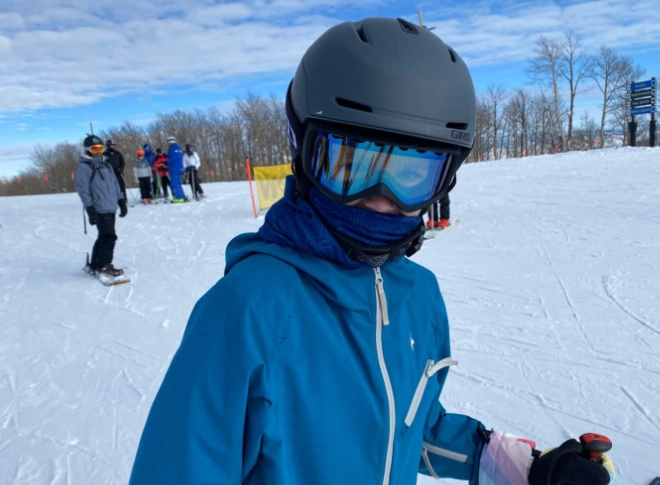
Top Contenders: A Look at Reliable Models
Based on safety features, consistent positive reviews from parents and instructors, and overall design, here are a few models that frequently come up as excellent choices. Remember, your child's fit is the final judge.
| Model | Key Safety Feature | Best For | Notable Comfort/Convenience |
|---|---|---|---|
| Smith Optics Scout MIPS | MIPS, ASTM/CE Certified | Parents wanting modern rotational protection in a user-friendly package. | Great adjustable ventilation (AirEvac), excellent goggle integration, lightweight. |
| Giro Ledge MIPS | MIPS, ASTM/CE Certified | Value-conscious buyers who don't want to compromise on core safety tech. | Rugged in-mold construction, easy-to-use dial fit (Roc Loc), multiple fun colors. |
| POC Obex Spin | SPIN (POC's rotational system), High-level certifications. | Performance-focused skiing, parents prioritizing top-tier protection. | Superior coverage at the back/sides, great ventilation channels, premium feel. |
Smith Scout MIPS: The All-Rounder
This helmet is wildly popular on the slopes for good reason. The MIPS integration is clean, the ventilation system (they call it AirEvac) is genuinely effective at reducing goggle fog, and the overall fit is comfortable for a wide range of head shapes. The ear pads are soft and include slots for audio. My main gripe? The price has crept up over the years. But if it fits your kid's head, it's a nearly foolproof choice that answers the question "what is the best ski helmet for kids?" for many families.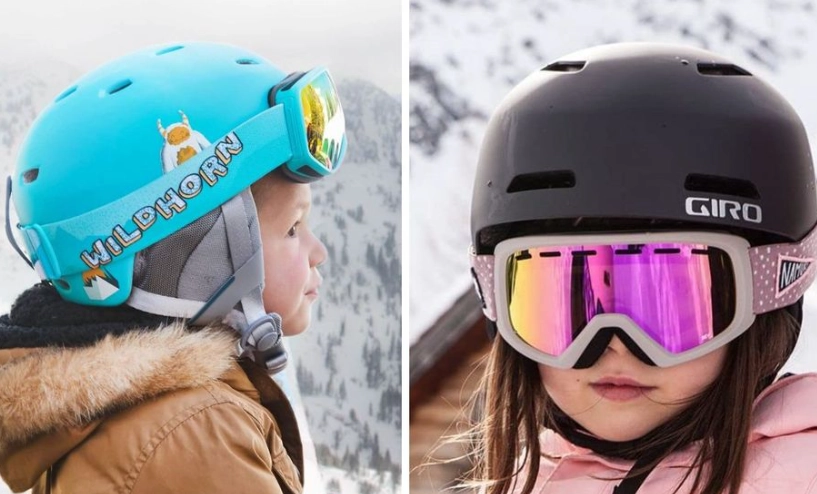
Giro Ledge MIPS: The Value Champion
Giro's Ledge proves you can get crucial safety features without breaking the bank. It includes MIPS and their reliable Roc Loc dial fit system. It's a bit more robust and "chunky" looking than the Smith, which some kids might prefer. The vents are fixed (not adjustable), which is the main trade-off for the lower price. For a kid who skis a few times a season or is growing quickly, this is an incredibly smart buy.
POC Obex Spin: The Premium Protector
POC gear is engineered with a clear safety-first philosophy from Sweden. The Obex uses their SPIN pads (silicone-injected) to manage rotational force. It often provides more coverage around the temples and back of the head than other models. It's exceptionally well-ventilated. The downside is the premium price and sometimes a slightly narrower fit profile—it doesn't work for every head shape. But for parents who want to invest in what they perceive as the absolute best protection, POC is a top contender.
The Decision Checklist Before You Buy
Walk through this list in the store or when the helmet arrives:
- Certification Label: Can you find ASTM F2040 or CE EN 1077?
- Snug Fit: The helmet shouldn't shift when you gently twist it side-to-side or front-to-back on the child's head.
- Brow Check: Two fingers max between eyebrow and helmet rim.
- Strap Comfort: The chin strap should buckle easily, lie flat, and not chafe. The child should be able to talk and yawn comfortably.
- Goggle Test: If you have the goggles, see how they interface. No big gap.
- Kid's Vote: Do they complain of pressure points? Do they like it? A helmet left in the car is zero percent effective.
Common Questions (The Stuff You're Really Wondering)
How long does a kids' ski helmet last?
Manufacturers generally recommend replacing a helmet every 3-5 years, as the foam and materials can degrade. More importantly, replace it immediately after any significant impact, even if you can't see damage. The foam is designed to crush once to absorb energy. Also, if your child outgrows it, it's time for a new one.
Can I buy a used ski helmet for my child?
I strongly advise against it. You have no way of knowing its history—whether it's been dropped, involved in a crash, or is simply aged out. The integrity of the foam is everything. This is one item where buying new is a safety imperative.
Can my child wear a beanie under the helmet?
No. This changes the fit and safety geometry of the helmet. The helmet is designed to fit snugly against the head. If they're cold, get a helmet with thicker, removable/washable liner pads or ones designed for cold weather. Some helmets even come with a thin, proprietary skull liner that's safe to wear.
Is a ski helmet enough, or do they need a separate helmet for snowboarding?
A certified ski/snowboard helmet (the standards are the same) is perfect for both sports. The activities involve similar risks and fall patterns.
My child refuses to wear a helmet. Any tricks?
Involve them in the choice—let them pick the color or graphics. Point out that all the cool ski racers and instructors wear them. Make it non-negotiable from day one, just like a seatbelt. Consistency is key. And finally, ensure it's truly comfortable. Discomfort is the number one cause of refusal.
Final Thoughts: It's About Confidence, Not Just Compliance
So, what is the best ski helmet for kids? The journey to find it isn't about finding a magic product. It's about understanding that the best helmet is the safest one that fits your child perfectly and that they will wear without a fight every single time you hit the slopes.
Invest your time in the fitting process. Prioritize the safety certifications and technologies that manage rotational force. Pay attention to the details that affect comfort—the dial, the ear pads, the venting.
When you get it right, you'll barely think about the helmet again. You'll just see your kid having fun, charging down the hill with confidence, protected by a piece of gear you chose wisely. And that peace of mind is worth every bit of the effort. Now go get them fitted.