Your Ski Guide Map
Remember that feeling? The mix of excitement and pure terror looking up at a mountain covered in white. I sure do. My first time, I spent more time on my backside than on my skis, convinced everyone was laughing (they probably were, a little). But here's the secret: it doesn't have to be that way. With the right beginner ski tips, your first day can be less about survival and more about the incredible feeling of gliding on snow.
This guide isn't about turning you into an Olympian by lunchtime. It's about getting you from the parking lot to the "bunny hill" (the gentle slope for newbies) and down again with your dignity—and knees—mostly intact. We'll talk gear, fear, and the actual moves that make the difference.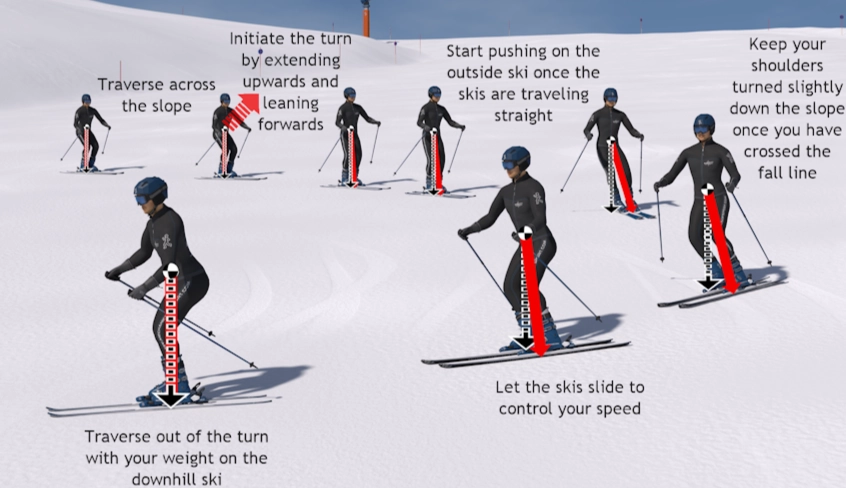
Before You Even Touch Snow: The Prep Work
Most first-timers mess up before they click into their bindings. They show up underdressed, over-geared, or mentally fried from driving. A little prep goes a ridiculously long way.
Gear: To Rent or Not to Rent?
Just rent. Seriously. For your first few times, renting at the resort is the best beginner ski tip I can give you. Modern rental skis are shorter, softer, and more forgiving—designed specifically for learning. The shop will set the bindings (the things that attach your boot to the ski) to a safe release setting for your weight and ability. Buying gear is a commitment for when you're sure you love it.
When you rent, you'll need:
- Skis, Boots, and Poles: The holy trinity. The rental tech will ask your height, weight, and shoe size.
- Boots are Key: This is your control center. They should feel snug, like a firm handshake for your foot and calf. Not numbingly tight, but with no room for your heel to lift. Don't be shy; try a few pairs. Uncomfortable boots ruin everything.
The Clothing Game: Staying Warm (and Dry) is Everything
Cotton is the enemy. It soaks up sweat and moisture and stays wet, making you cold. You want layers.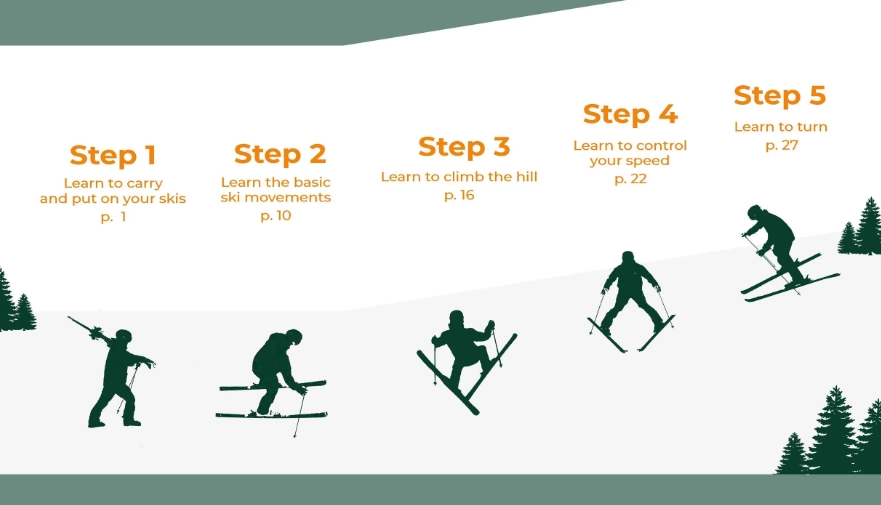
- Base Layer: Think long underwear. Merino wool or synthetic thermal material. It wicks sweat away.
- Mid Layer: Insulation. A fleece or thin puffy jacket.
- Outer Layer (Shell): A waterproof and breathable ski jacket and pants. This keeps snow and wind out.
Accessories matter too. A thin beanie under your helmet, waterproof gloves or mittens (mittens are often warmer for beginners), and ski socks (just one pair! Thick socks make boots tight and cut off circulation).
The Mental Prep: Tackling the Fear
It's okay to be scared. Sliding down a mountain on sticks is unnatural! The best beginner ski tips often address the brain more than the body.
Set a tiny goal. "Today, I will learn how to put my skis on and shuffle on flat snow." That's it. Success builds confidence. Also, remember that every expert skier on that mountain was once exactly where you are. They've all fallen. A lot.
Really, they have.
Day One: On the Snow and Moving
You're geared up, layered up, and mentally prepped. Now for the actual beginner ski tips that will get you moving.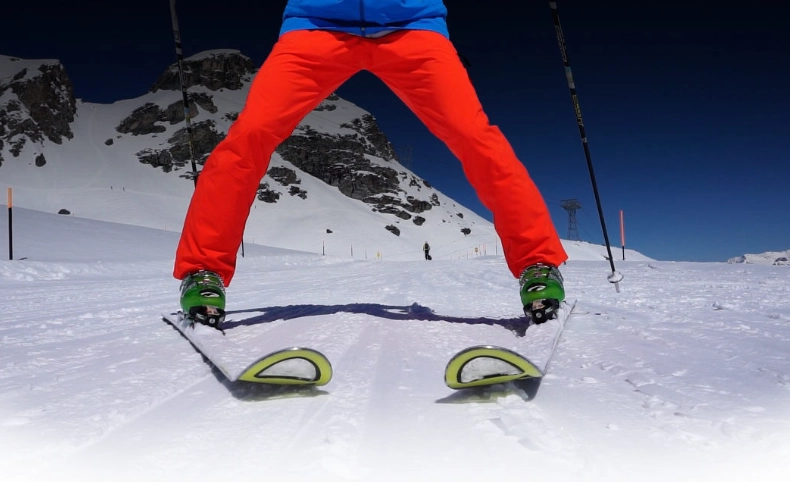
Step 1: The Flat Ground Shuffle
Find a flat, snowy area near the lodge. Practice walking like a penguin with your skis on, toes pointed out slightly. Get a feel for the length of the skis. Practice getting up from a fall here—it's easier. Roll onto your side, get your skis across the hill below you, and use your poles to push yourself up.
Step 2: The Magic Carpet and the "Pizza" (Snowplow)
Let yourself slide a few feet in the pizza, then push your heels out more to stop. Do this a hundred times. Get comfortable with the feeling of the slide and the control of the stop. This is the single most important skill.
Step 3: Turning (It's All in the Feet)
Turning isn't about throwing your shoulders. It's about pressure. From your pizza wedge, press down more on the inside edge of your right ski. What happens? You'll slowly start to drift left. Press more on your left ski, you go right.
Think of squashing a bug with the big toe side of your boot. Look where you want to go, gently press that foot, and let the ski follow. Start with wide, gentle turns across the beginner slope.
Scary, right? But it works.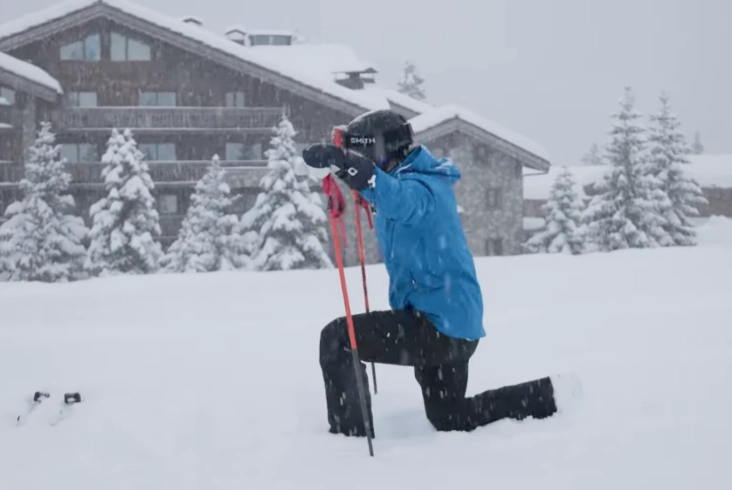
Should You Take a Lesson?
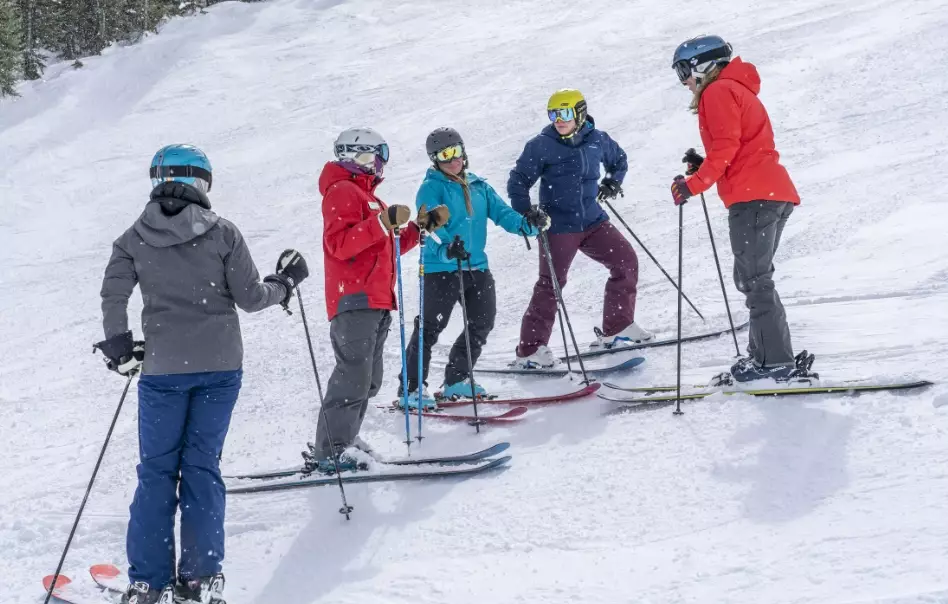
This is the most debated point among beginner ski tips. My strong, personal opinion? Yes. At least one group lesson for your first morning.
A certified instructor from an organization like PSIA-RM (Professional Ski Instructors of America - Rocky Mountain) will teach you safe, effective technique from the start. They'll correct bad habits before they form and give you drills tailored to your pace. Trying to learn from a well-meaning friend or partner often leads to frustration on both sides.
If a group lesson isn't in the budget, many resorts offer excellent free guided tours of the beginner areas or cheap beginner packages that include rental, lesson, and lift ticket.
Understanding the Mountain: Trail Maps and Lifts
Mountains are marked by a color system. This isn't a suggestion; it's a safety guide.
| Symbol & Color | Difficulty | What It Means For You |
|---|---|---|
| ● Green Circle | Beginner | Gentle, wide slopes. Your home for the first few days. Stick here. |
| ● Blue Square | Intermediate | Steeper, may have narrower sections. A goal for later in your first week or on a second trip. |
| ● Black Diamond | Advanced | Steep, may have moguls (bumps) or ungroomed snow. Do NOT go here as a beginner. |
| ● Double Black Diamond | Expert | Extremely steep, often with cliffs and variable conditions. For experts only. |
Using the Chairlift (Without the Comedy)
Chairlifts intimidate everyone at first. Watch others. When it's your turn, shuffle forward to the marked line. Look behind you for the approaching chair. As it touches the back of your legs, sit down smoothly. Pull the safety bar down. Enjoy the view!
Getting off: As you approach the top, lift the bar. Point your ski tips up. Stand up as your skis touch the snow and just let the chair push you forward. Shuffle away from the unloading area quickly. If you fall, crawl out of the way—the lift operator will stop it if needed.
Safety: The Non-Negotiables
Skiing has risks, but you manage them. First, wear a helmet. Rent one if you don't own one. It's a no-brainer (pun intended).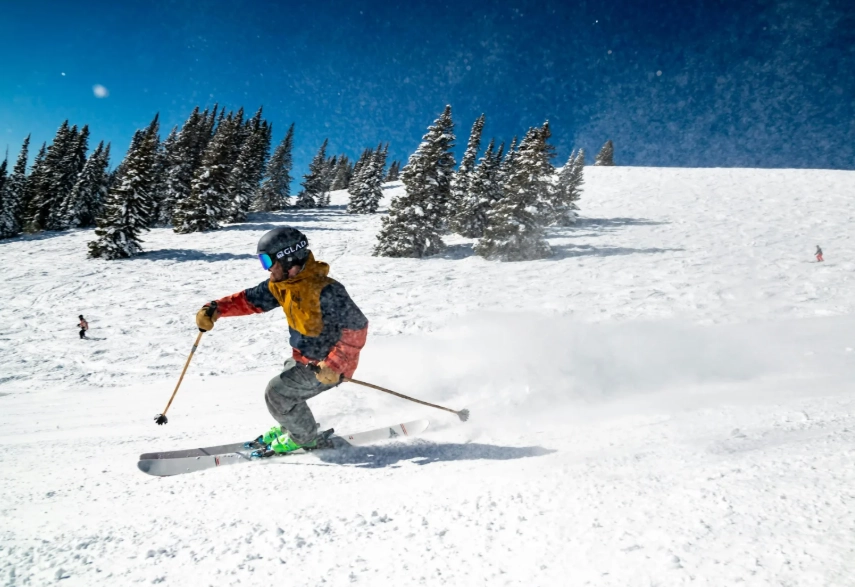
Second, understand the Skier's Responsibility Code. It's the rules of the road for the mountain. The big ones:
- The skier downhill of you has the right of way. You must avoid them.
- Stop in a visible spot, not in the middle of a trail or below a roll.
- Look uphill before merging onto a trail or starting again.
Third, know your limits. Fatigue leads to mistakes. When your legs feel like jelly—usually after 2-3 hours for a first-timer—call it a day. Go have a hot chocolate. There's always tomorrow.
Common Beginner Questions (The Stuff You're Secretly Googling)
Is skiing or snowboarding easier to learn?
Classic debate. Skiing has a gentler initial learning curve—the "pizza" wedge gives you control fast. Snowboarding has a more painful first two days (you fall a lot learning to balance on one edge) but some say progression is faster after that. For pure day-one success, skiing often feels more manageable.
How many days until I'm "good"?
Define "good." To confidently link turns down a green run? Maybe 3 solid days. To tackle easy blues? A week of skiing. It's a skill sport; progress isn't linear. Celebrate the small wins.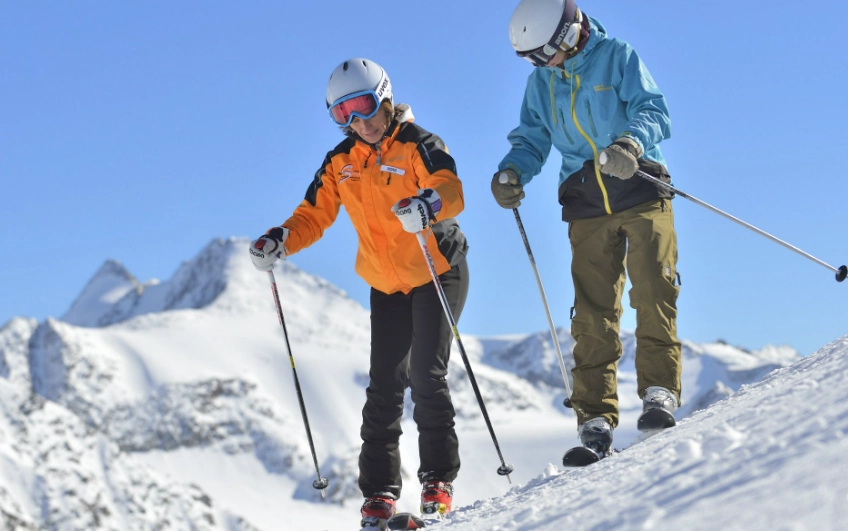
What if I'm afraid of speed?
Good! You should be. Control that fear by controlling your speed. Make your pizza wedge bigger. Turn across the hill more frequently—zigzagging down uses the width of the trail to control your descent. Speed is a choice, not a requirement.
Is it worth buying my own gear as a beginner?
Generally, no. Wait until you've skied 5-10 days and know what you like. The one exception might be boots—if you plan to go often, getting professionally fitted for your own boots can be a game-changer for comfort and performance. But for skis? Rent and demo different models first.
Putting It All Together: A Sample First-Day Plan
- Morning (9 AM - 10:30 AM): Get rentals. Dress in layers. Take a deep breath.
- Late Morning (10:30 AM - 12 PM): Take a 90-minute beginner group lesson. Let the pro handle the initial pizza and turn drills.
- Lunch (12 PM - 1 PM): Fuel up. Rest those new muscles.
- Early Afternoon (1 PM - 2:30 PM): Practice on your own on the same beginner slope from the lesson. Repeat the drills. Fall. Get up. Repeat.
- Mid-Afternoon (2:30 PM Onwards): When your legs are tired and your focus wanes, stop. Don't push for "one more run." That's how mistakes happen.
- Après-Ski: Celebrate! You did it. Analyze what went well, not just what went wrong.
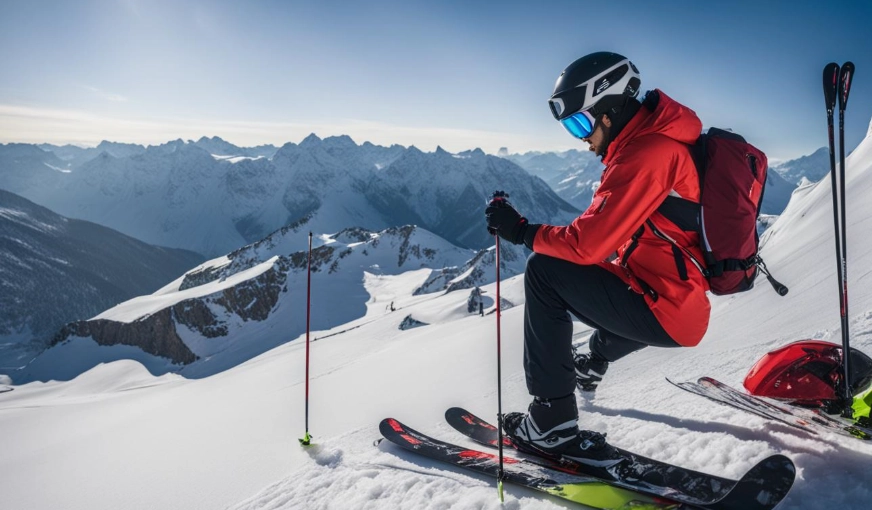
Look, nobody masters this in a day. But with these beginner ski tips, you can bypass the most common frustrations and set yourself up for a real shot at enjoying this amazing sport. The mountain isn't going anywhere. Start slow, be safe, and you might just find yourself hooked.
Now go get some snow in your boots. You've got this.