Your Ski Lift Companion
You're standing at the base of a snowy mountain, looking up at these metal structures carrying people up the slope. You turn to your friend and ask, "What are those ski lift things called?" It's a totally normal question. Everyone has to learn it at some point. I remember my first time seeing one – I just called it "the ski thing that goes up." Not very technical, I know.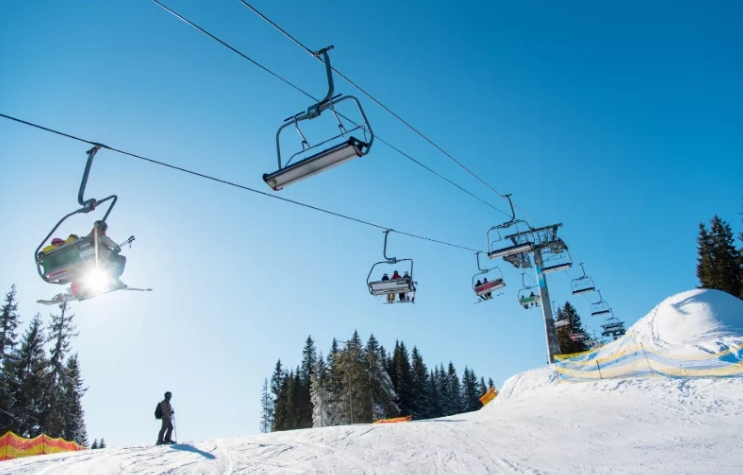
Well, the simple answer is they're called ski lifts. But that's just the start. The world of getting up a mountain without hiking is way more interesting than you might think. There are different types, each with its own name, quirks, and sometimes, frustrations.
This guide is here to cut through the jargon. We'll talk about what they're really called, how they work, the unspoken rules of using them, and why some are just better (or worse) than others. No fluff, just the stuff you actually want to know before you get on one.
It's Not Just a "Ski Lift" – The Official Names and Types
When people ask "what are those ski lift things called," they're usually picturing the classic chairlift. But in the industry, the broader term is aerial lift or passenger ropeway. Sounds fancy, right? It just means any system that uses cables and towers to move people through the air. Ski resorts use several kinds, and knowing the difference makes you sound like a pro.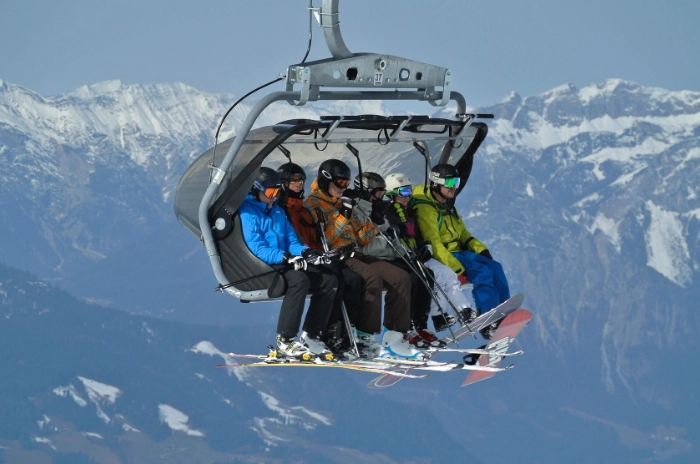
The Classic: Chairlifts
This is the one you see in every movie. A continuously moving cable with chairs attached. You sit down as it scoops you up, and you ride to the top. Simple in theory. But they come in different flavors based on how many people they cram onto a seat.
- Fixed-Grip Chairlifts: The old-school workhorse. The chair is permanently attached to the cable. This means the cable never stops moving for loading, so you have to be quick and coordinated to get on and off. They're slower and often lack a safety bar (which I personally think is a downside). You'll find these on quieter slopes or older parts of a resort.
- Detachable Chairlifts (or High-Speed Quads/Sixes): The luxury model. The chair detaches from the main cable at the station, slowing down dramatically so you can board easily. It then re-attaches and zooms up the mountain at about twice the speed. These almost always have a bubble or a safety bar. If you have a choice, pick this line.
The number in the name tells you the capacity: a triple chair fits three, a quad fits four, a six-pack fits six, and so on. An eight-person chair is getting into party bus territory.
The Enclosed Upgrade: Gondolas & Trams
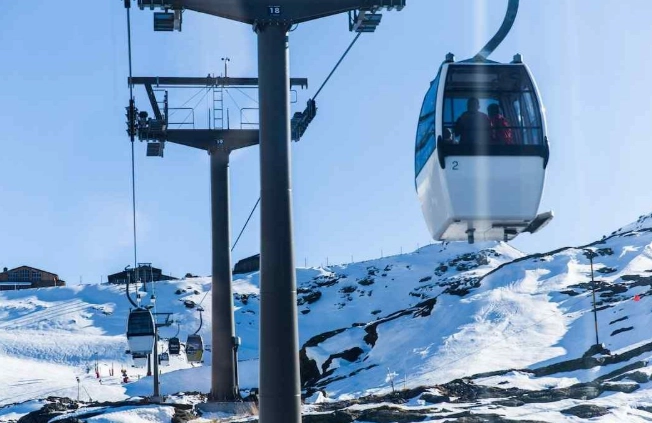
These are the enclosed cabins. The main difference? Gondolas are smaller cabins (usually 6-12 people) that continuously circulate, like a chairlift but with a box around you. Trams (or aerial tramways) are much larger cabins (think 50+ people) that shuttle back and forth on two separate track cables. You wait for the tram to arrive, everyone piles in, and it goes.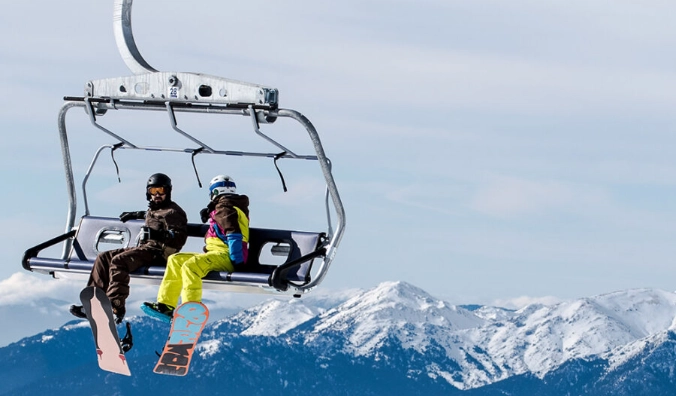
The Surface Lifts: For Beginners and Short Hills
These don't lift you into the air; they drag you along the ground. They're where many skiers and snowboarders have their first (often comical) wipeout.
- Magic Carpets: Literally a giant, slow-moving conveyor belt. You just stand on it. It's foolproof and perfect for absolute beginners. No timing required.
- Rope Tows: A simple, moving rope you grab onto. It requires some grip strength and balance. Can be tricky for snowboarders.
- T-Bars and J-Bars: A T-shaped or J-shaped bar that you place behind your thighs (for skiers) or between your legs (for snowboarders, which is awkward). It tows you up while you stand on your skis/board. It's an art form.
A Quick Comparison: Which Lift Should You Look For?
Here’s a cheat sheet to help you decide what to queue for. This is the practical answer to "what are those ski lift things called and which one is for me?"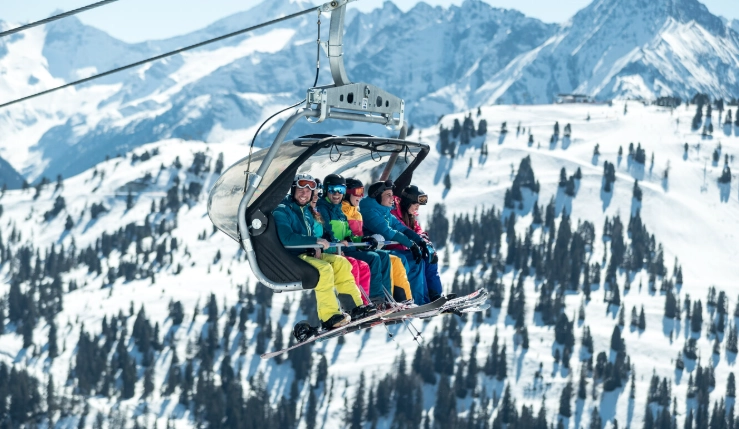
| Lift Type | Best For | Speed & Comfort | Skill Level Note |
|---|---|---|---|
| Magic Carpet | First-timers, very young kids | Very slow, maximum stability | Zero skill needed. The training wheels of lifts. |
| Fixed-Grip Chair (Double/Triple) | Quieter slopes, shorter lines | Slow, can be cold/windy | Need to be able to load while moving. Intermediate comfort. |
| High-Speed Detachable Chair | Getting the most runs in, comfort | Fast, often has a bubble/bar | Easy loading. Great for all levels. |
| Gondola | Cold days, long ascents, groups | Fast, warm, sheltered | Must be able to ride in boots (can be clunky). |
| T-Bar / J-Bar | Short, steep beginner slopes | Moderate, requires balance | A learning curve. Snowboarders find it tricky. |
My rule of thumb? On a powder day, head straight for the fixed-grip lifts. Everyone else flocks to the fast ones, leaving the old chairs with no queue.
How Do These Things Actually Work? (The Simple Version)
You don't need an engineering degree, but knowing the basics makes the whole thing less mysterious. It's all about a giant loop of incredibly strong steel cable.
One end has a drive terminal (a massive electric motor that pulls the cable). The other end has a return terminal that keeps the cable tight. Towers along the line hold the cable up. The chairs or cabins are attached to this moving cable. For detachable lifts, there's a complex mechanism at the station that lets the chair "let go" and slow down for you to get on, then grab back on and accelerate.
It's a marvel of simple physics. And it's regulated for safety. Organizations like the National Ski Patrol and broader industry groups work with resorts on safety standards. The National Ski Areas Association (NSAA) publishes safety information and statistics, which can be a useful resource to understand the safety landscape. It's good to know there's oversight.
The Unwritten Rules of Riding: Don't Be "That" Person
This might be the most important section. Knowing what to call it is one thing; knowing how to use it without annoying everyone is another.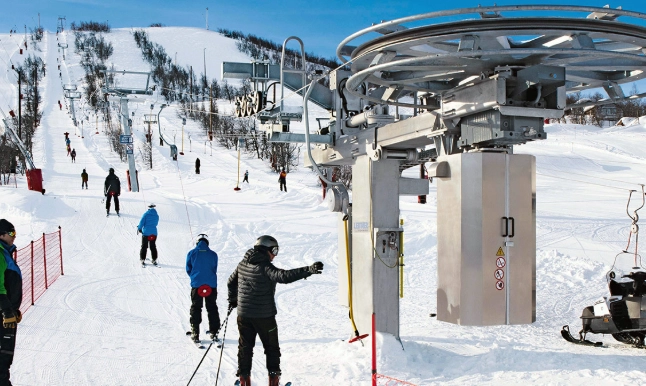
Loading Zone Etiquette
Pay attention. Have your pass ready. Merge like a zipper. If you're on a chair that fits four, and you're a group of two, expect to be paired with another two. It's not personal, it's efficiency. Don't slam the safety bar down immediately without a quick "Bar coming down!" warning to your seatmates. Not everyone likes it smashed on their head.
During the Ride
Don't swing the chair. Just don't. It's terrifying for others and stresses the cable. If you drop a glove or pole, let it go. Don't try to jump. Tell the attendant at the top, they might be able to retrieve it. Keep ski tips and snowboard edges up so you don't catch them on the snow below.
The Dreaded Unloading
This is where falls happen. As you approach, lift the tip of your skis or get your snowboard ready in a straight line. Stand up smoothly when your skis/board touch the snow, and just ski or slide away from the unloading area immediately. Don't stop right in the exit path to adjust your gear. Move to the side. Please. For the love of everyone behind you.
Safety: It's Not Scary, But Be Smart
Ski lifts are incredibly safe when used correctly. The statistics from bodies like the NSAA back that up. But you are responsible for your own actions.
- Use the Safety Bar: Even if the veterans don't. It's there for a reason, especially with kids. I always use it.
- No Horseplay: See above about not swinging.
- Listen to Attendants: They're there to help you load safely, especially if you're struggling.
- Know Your Limits: If you're not confident getting on a fast chair, practice on a slower one first. There's no shame in it.
- What if it stops? It happens, usually for someone struggling to load/unload or for wind. Just sit tight. Don't try to jump unless instructed by staff (which is almost never). You're safer in the chair.
A Bit of History and Why It Matters
The first ski tow in the US was just a rope powered by a Ford Model T engine in 1934. Chairlifts came soon after, revolutionizing the sport by making the uphill part easy. The first high-speed detachable quad debuted in 1981. This evolution directly changed skiing—it meant you could do more runs in a day, which meant resorts could grow, and skiing became less of an extreme niche.
Knowing this history makes you appreciate that old, slow double chair a bit more. It's a living relic. But it also makes you grateful for the heated bubble chair on a -10°F day.
So, the next time someone points and asks you, "Hey, what are those ski lift things called?" you can give them the full tour. You can tell them it's an aerial lift system, point out the fixed-grip versus the detachable, explain why the gondola line is long but worth it, and warn them about the tricky T-bar on the beginner slope.
It's more than just a ride up. It's part of the ritual, the conversation, the view, and the rest before your next run down. Now you know.