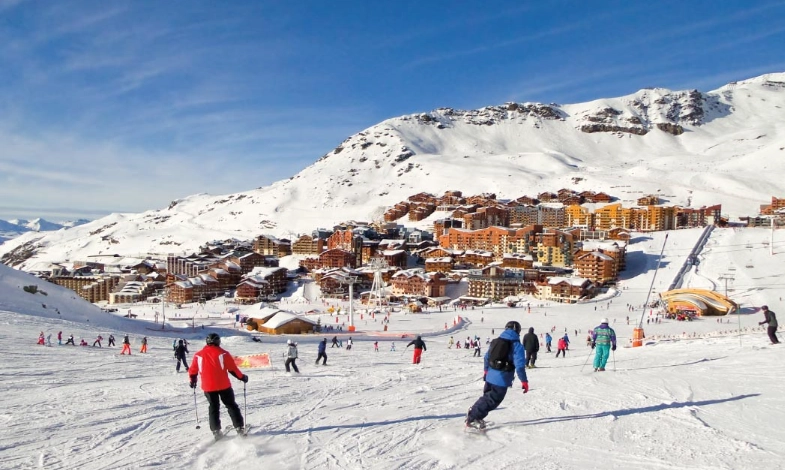
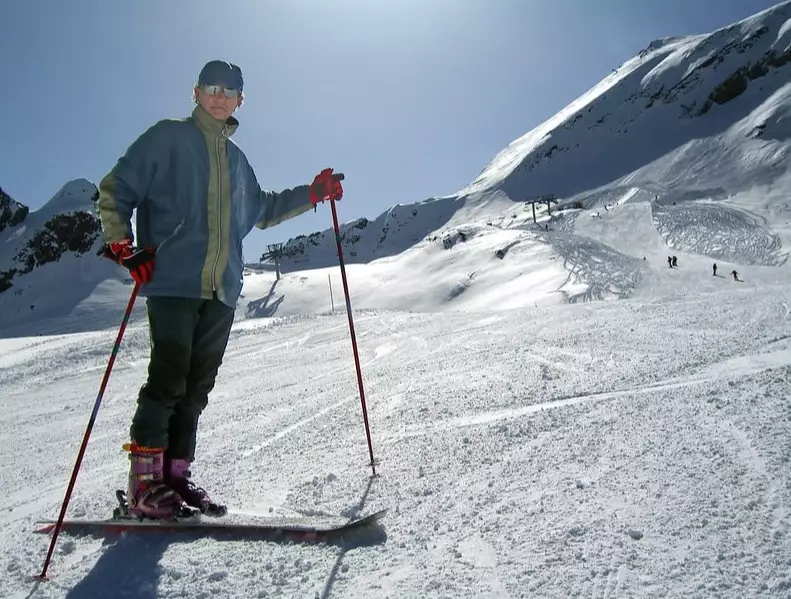
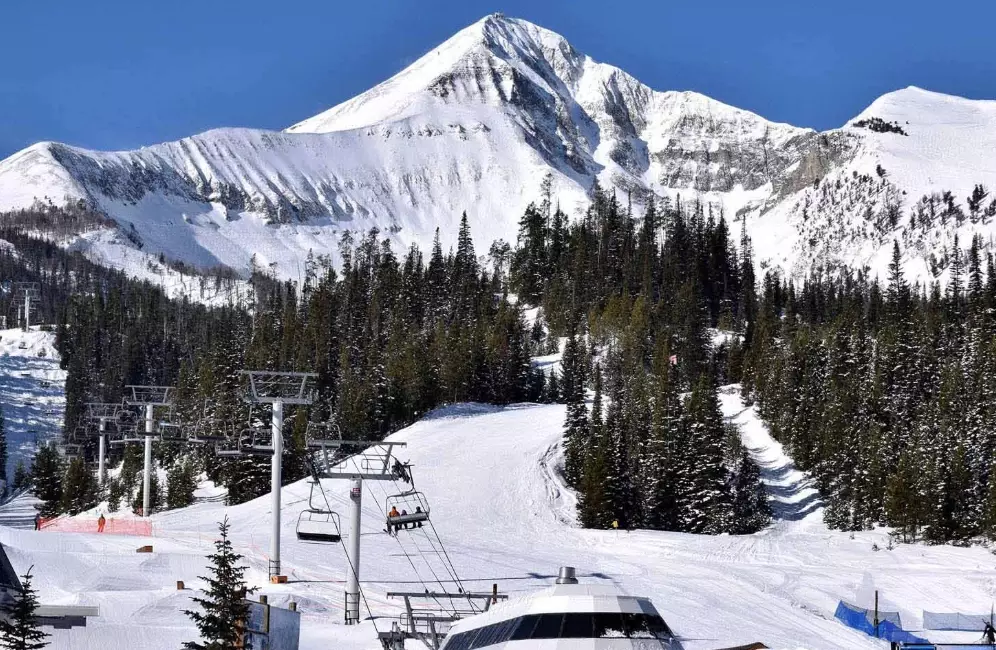
Let's talk about the number that defines the entire experience at Big Sky, Montana: altitude. It's not just a fun fact on the trail map. At 11,166 feet (3,403 meters) at the summit of Lone Peak, this place sits seriously high. That elevation shapes everything—the famously light powder, the breathtaking views, and yes, the potential for your head to throb on day one if you're not careful. I learned that the hard way on my first trip, thinking my sea-level fitness would save me. It did not. This guide is the one I wish I'd had, breaking down exactly what Big Sky Resort's altitude means for your ski trip, from planning to après-ski.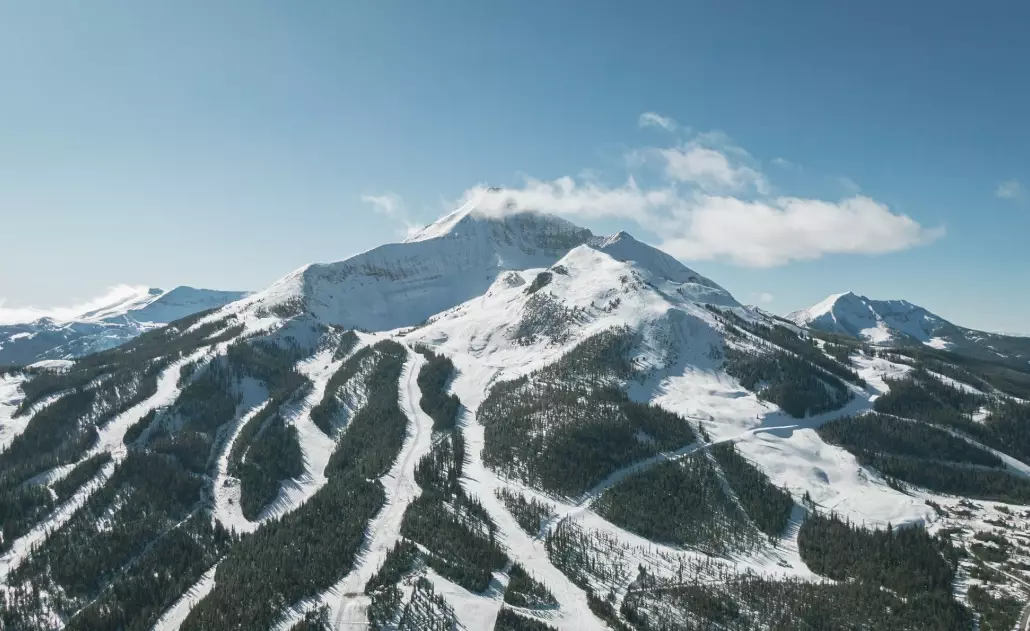
What's Inside This Guide
Big Sky Altitude by the Numbers
First, let's get specific. Throwing around "11,166 feet" is impressive, but it doesn't tell the whole story. Your day starts much lower.
| Location | Elevation (Feet) | Elevation (Meters) | What It Means For You |
|---|---|---|---|
| Mountain Village (Base Area) | 7,500 ft | 2,286 m | Where you park, check-in, and start your day. You're already at a significant altitude. |
| Madison Base (Moonlight Basin Side) | 6,800 ft | 2,073 m | A slightly lower starting point, often with shorter lift lines. |
| Summit of Lone Peak (Top of Tram) | 11,166 ft | 3,403 m | The highest skiable point. Thin air, epic views, expert terrain. |
| Top of Swift Current 6 | 9,800 ft | 2,987 m | A major intermediate hub. You'll feel the altitude here. |
| Top of Ramcharger 8 | 9,250 ft | 2,819 m | Access to great blue cruisers. A good test for how you're acclimating. |
| Big Sky Town Center | ~6,200 ft | ~1,890 m | Where many condos and hotels are. Lower than the base, which helps with sleep. |
See the range? You can easily climb over 4,300 vertical feet in a single tram ride. That rapid ascent is what catches people off guard. The official stats from Big Sky Resort's website list a base elevation of 6,800 feet and a vertical drop of 4,350 feet. But most people start higher, at Mountain Village.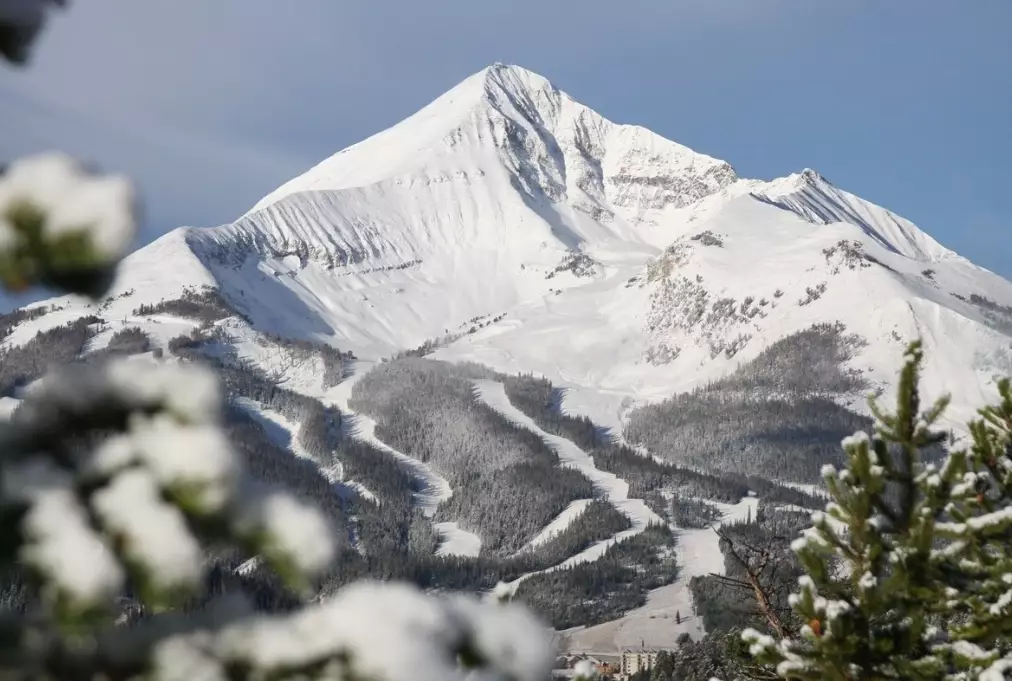
Pro Tip: Don't just fixate on the summit number. Pay attention to the base altitude. At 7,500 feet, you're already higher than the summit of many Eastern ski resorts. Your body starts working harder the moment you step out of your car.
Why Big Sky's Altitude Matters for Skiers
This isn't just trivia. The altitude directly impacts three key parts of your trip: your body, the snow, and the overall experience.
Your Body at High Elevation
At 9,000 feet, there's about 30% less oxygen in the air than at sea level. Your heart and lungs have to work overtime. The classic symptoms of mild altitude sickness (Acute Mountain Sickness, or AMS) include headache, fatigue, nausea, dizziness, and trouble sleeping. It's not a sign of weakness—it's physiology. I've seen incredibly fit marathon runners get knocked flat because they flew in from Florida and headed straight for the tram.
The real danger for skiers is impaired judgment. Feeling lightheaded or overly fatigued on a steep, exposed run like the Big Couloir is a serious safety risk. Altitude can make you feel drunk without the fun part.
The Snow Quality Advantage
Here's the glorious upside. Cold air holds less moisture. The high, dry climate of the Montana Rockies produces the famous "Cold Smoke"—incredibly light, low-density powder. When it snows at Big Sky, it's often the kind of snow that billows up around your waist and feels like you're floating. This is a direct result of the resort's high base and summit elevations. You simply don't get this consistently light snow at lower-elevation resorts.
Weather and Visibility
Being on a massive peak like Lone Peak means you're in the weather. The summit can be engulfed in a whiteout while the base area is sunny. Wind is a more frequent factor up high. This makes layering absolutely critical. A sunny, calm start at the base does not guarantee the same conditions at 11,000 feet. Always check the summit forecast before committing to a long lift ride up.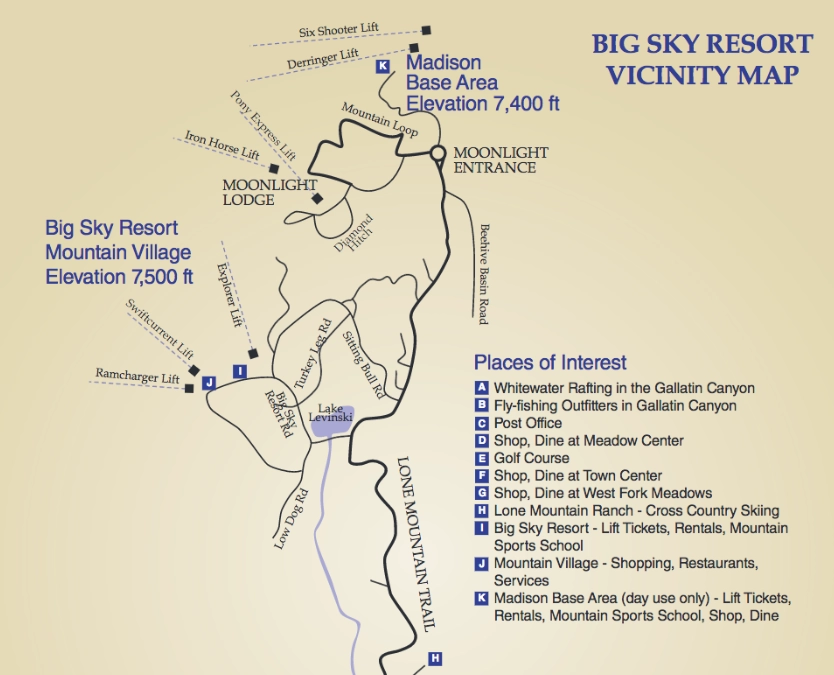
Planning Your Trip: The Altitude Factor
You can't change the altitude, but you can absolutely plan around it. This is where most first-timers drop the ball.
The Biggest Mistake: Booking a challenging guided backcountry tour or a full-day extreme terrain clinic for your first full day on the mountain. Give yourself at least 24-48 hours to adjust before tackling the most demanding stuff.
Acclimatization Strategy: A Real-World Itinerary
Day 1 (Arrival): Land in Bozeman (4,820 ft). Drive to Big Sky (1 hour). Do not rush to the slopes. Check into your lodging, unpack, and focus on hydration. Take a gentle walk around the Town Center. Have an early, light dinner. Alcohol will hit you harder and dehydrate you—limit it tonight. Go to bed early.
Day 2 (First Ski Day): Start at the Madison Base (6,800 ft). Stick to the Explorer and Southern Comfort lifts. These serve lower-angle terrain at a moderate altitude. Your goal is movement, not vertical. Take frequent breaks. Drink water constantly—aim for a liter before lunch. End your day by 2 or 3 PM. Listen to your body.
Day 3: If you felt good on Day 2, venture higher. Take Swift Current up to 9,800 ft. See how you feel at the top. Cruise some blues off this lift. Maybe try a single black if you're feeling strong. This is your test day for higher elevation.
Day 4+: Now you're ready for the summit tram, the challenging bowls, and the full Big Sky experience.
Where to Stay: Altitude Considerations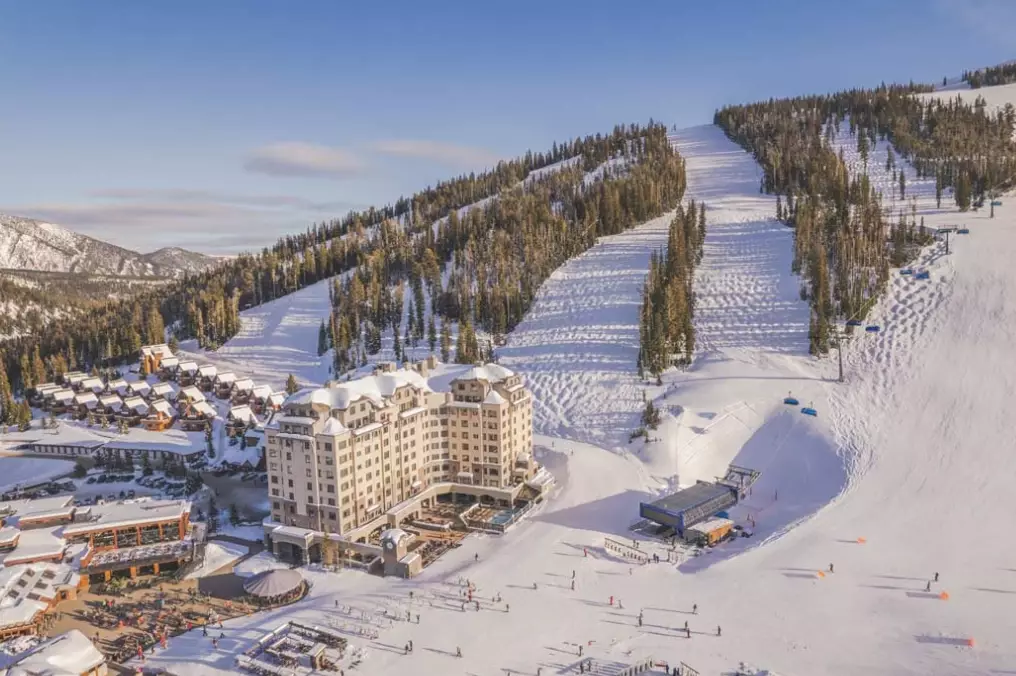
Choosing lodging a bit lower can aid sleep. The Mountain Village (7,500 ft) is super convenient but highest. The Town Center area (~6,200 ft) is a short shuttle ride away and the lower elevation might help you sleep better, especially with kids. I personally prefer staying lower for this reason.
Finding the Best Snow at Different Elevations
Altitude creates distinct snow zones, especially during marginal weather. Here’s how to use the elevation map to your advantage.
During a Warm Spell or Rain Event: Head high. If it's raining at the base, it's almost certainly snowing above 8,500 feet. Focus on lifts like Swift Current, Powder Seeker, and the Tram. The snow will be preserved and wintry up top while the lower mountain gets soggy.
On a Cold, Windy Day: Seek shelter. The highest, most exposed ridges will be scoured by wind. Look for tree-lined runs at mid-elevation (8,000-9,500 ft). The trees in the Southern Comfort area or off the Ramcharger lift provide fantastic wind protection and often hold softer snow.
For Spring Skiing (April/May): This is all about aspect and elevation. South-facing slopes (like many off the Dakota lift) soften into perfect corn snow first. As the day wears on, follow the sun to north-facing aspects at higher elevation to find the last of the good snow. By late spring, the upper mountain (above 9,000 ft) is your only reliable bet for winter-like conditions.
Your Altitude Questions Answered
Not necessarily, but you need to pick your route carefully. The sheer altitude of the summit doesn't automatically mean extreme terrain. From the top of the tram, you can take the Liberty Bowl traverse, which leads to long, groomed green and blue runs back down. The challenge for intermediates is often the exposure and the mental game of being so high up, not the steepness of every run. My advice: ride the tram first as a sightseer. Get off, take in the view from the safety of the summit building, and see how you feel. If you're comfortable, ask a mountain host for the specific groomed route down before committing.
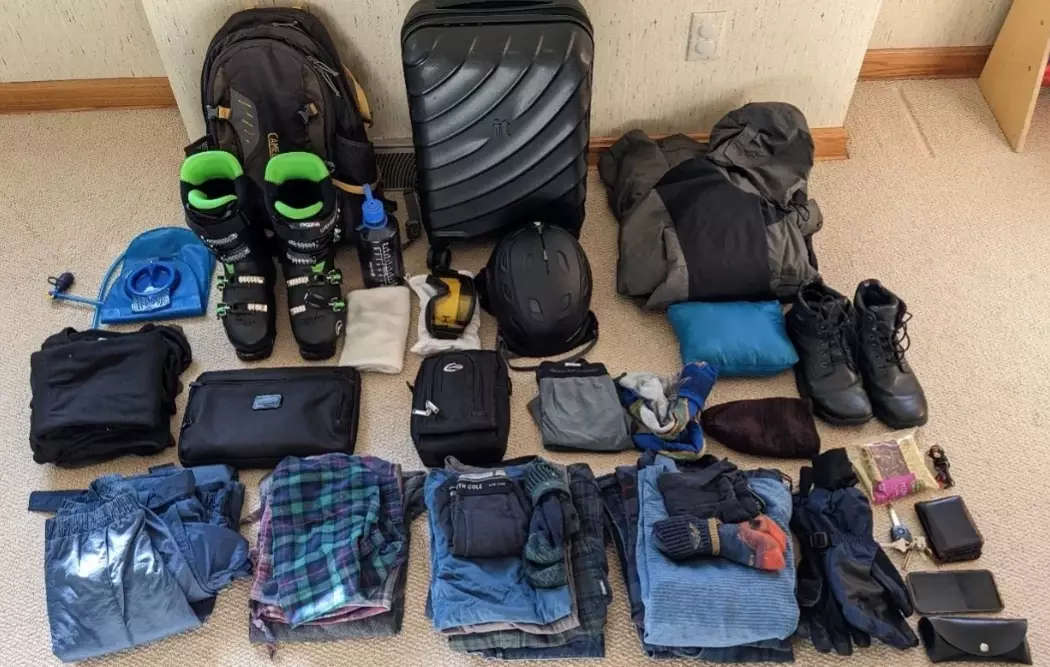
Force yourself to drink absurd amounts of water, starting 24 hours before you arrive. The dry air sucks moisture from your body through respiration, and dehydration is the primary amplifier of AMS symptoms. Bring a large hydration pack or make a rule to drink a full glass of water every time you get on a lift. If your urine isn't clear or pale yellow, you're behind. Electrolyte tabs (like Nuun or Liquid IV) are a game-changer—they help your body actually absorb the water.
Kids are generally more resilient than adults, but they're also less vocal about subtle symptoms. The main risk is them getting overly tired and cranky, which ruins the day for everyone. Plan very short, low-elevation ski sessions for the first two days. The magic carpet areas at the base are perfect. Watch for unusual fatigue, headache complaints, or loss of appetite. Keep them hydrated with water or diluted juice, not just soda. Consider booking a condo in the lower Town Center for better sleep. Most pediatricians say it's fine for healthy children, but a slow, cautious approach is key to a happy trip.
 Does being physically fit guarantee I won't feel the altitude?
No, and this is a critical misconception. Fitness helps your cardiovascular system cope once you are acclimatized, but it does not prevent the initial physiological response to low oxygen. In fact, very fit people often push themselves harder on day one, which can trigger worse symptoms. The best predictor is your personal history. If you've had issues in Denver or Tahoe, you'll likely feel it at Big Sky. Respect the altitude regardless of your gym routine.
Prescription Acetazolamide (Diamox) can help speed acclimatization, but you need to discuss it with a doctor well before your trip—it's not for everyone. Over-the-counter, the evidence is mixed. I've heard seasoned skiers swear by Ginkgo Biloba or ibuprofen as a preventative. The reality is, nothing is a substitute for the golden rules: gradual ascent, hyper-hydration, and avoiding alcohol. If you want to try a supplement, start taking it a week before you leave and see if it makes a difference for you. Don't expect a miracle pill.