In This Guide
- Why This Matters More Than Just Sport
- The Toolkit: A Breakdown of Adaptive Skiing Equipment
- So You Want to Try It? How to Actually Get Started
- Where Can You Go? Not Every Resort is Created Equal
- The Mental Side: What They Don't Tell You in the Brochure
- Answering Your Burning Questions (FAQ)
- Wrapping It Up: The Real Definition
So you've heard the term floating around – maybe from a friend, in a news piece about the Paralympics, or while scrolling through social media. What is an adaptive skier, really? If you're picturing someone just cautiously going down a beginner hill, you're in for a surprise. Let me paint a different picture: imagine carving perfect arcs down a black diamond run, the wind biting at your cheeks, the world a blur of white and blue. Now imagine doing that seated in a sleek, bucket-like chair on a single ski, or standing with the support of outriggers that look like mini crutches with skis on the end. That's the reality for adaptive skiers, and it's far more dynamic and powerful than many people think.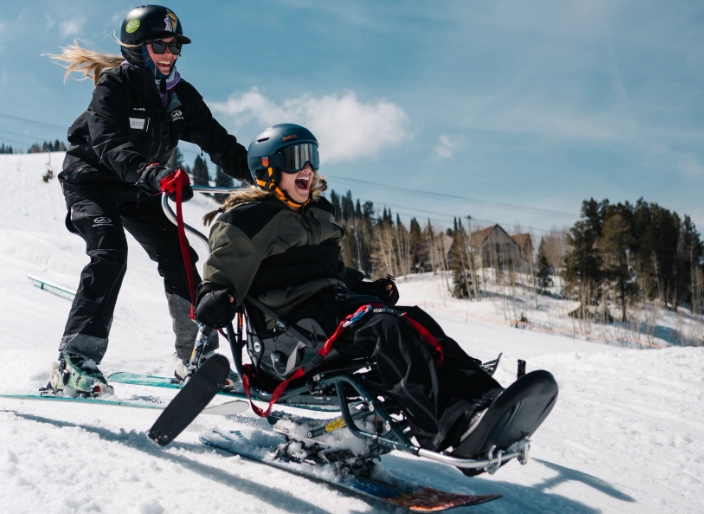
At its core, an adaptive skier is anyone who skis using specialized equipment or techniques to accommodate a physical, sensory, or cognitive disability. This isn't about making skiing "easier" in a patronizing way; it's about making it possible, and then letting the skier's skill, courage, and passion take over. The disability might be visible, like a spinal cord injury or amputation, or invisible, like vision impairment or post-traumatic stress disorder (PTSD). The common thread isn't the limitation, but the ingenious adaptation that overcomes it.
I remember the first time I saw a mono-skier (that's the seated kind) absolutely rip down a mogul field. I was stuck, halfway down, in a tangle of my own two skis and poles, and this person zipped past with a level of control that was humbling. It shattered every preconceived notion I had. That moment made me ask: what is adaptive skiing if not just another, incredibly skilled, way to interact with the mountain?
Why This Matters More Than Just Sport
Calling adaptive skiing just a recreational activity misses the point entirely. For many participants, it's a form of rehabilitation, a reclaiming of identity, and a massive middle finger to the limitations that society often places on people with disabilities. The physical benefits are obvious – core strength, cardiovascular health, balance. But the psychological ones? They're the real game-changer.
Think about the feeling of speed, of mastery, of being in a beautiful, challenging environment. Now imagine being told, either directly or through a lack of accessible options, that those experiences aren't for you. Adaptive skiing programs flip that script. They provide a community, a sense of freedom that's hard to describe if you haven't felt its absence. It's about agency. It's about looking at a mountain and seeing a playground, not a barrier.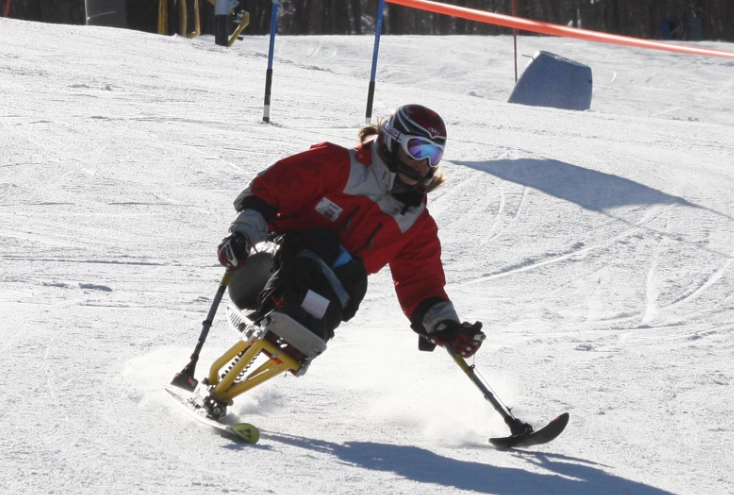
It's not therapy in the clinical sense, but you'd be hard-pressed to find something more therapeutic than conquering a run you thought was out of reach.
That's the spirit we're talking about. Understanding what an adaptive skier is means recognizing this profound shift from exclusion to empowerment.
The Toolkit: A Breakdown of Adaptive Skiing Equipment
Okay, let's get into the nuts and bolts. The equipment is where engineering meets passion, and it's fascinatingly diverse. It's tailored to the individual's specific needs, which means the answer to "what is an adaptive skier?" can look very different from one person to the next. Here’s the main gear you'll see on the hill.
For Sit-Down Skiing (Skiers with Limited or No Lower Body Function)
This is often the most visually distinctive form. The skier is seated in a molded shell called a bucket or sit-ski, which is mounted on one or two skis.
- Mono-Ski: The classic. One ski underneath, with a shock absorber for moguls and variable snow. The skier uses outriggers (short poles with mini-skis on the ends) for balance and turning. It's agile, fast, and requires serious core and upper body strength. Watching an expert mono-skier is like watching a dancer on snow.
- Bi-Ski: More stable, with two skis in a parallel configuration. Often used for beginners or those who need more stability. It can be guided by an instructor from behind using tethers, or skied independently with outriggers. A great entry point into the sport.
- Dual-Ski: Similar to a bi-ski but more performance-oriented, allowing for more aggressive edging and carving.
Quick Tip: If you're new to the mountain and see a sit-skier, give them space just like you would any other skier. They have right of way when downhill and are in complete control. Don't stare or assume they need help – if they do, they'll ask.
For Stand-Up Skiing (Skiers with Partial Lower Body Function or Other Needs)
These skiers use standard skis or modified versions, but with added support.
- Outriggers: These are the big one. They replace traditional poles. They have forearm crutch handles and a small ski or ski tip at the bottom. They provide balance and turning leverage for skiers with leg amputations, cerebral palsy, or other conditions affecting balance and strength. I've seen outrigger users tackle terrain that would make my knees wobble.
- Bionic/Prosthetic Limbs: Modern prosthetics designed for skiing are marvels. They have specialized feet that lock into ski bindings and are built to handle the forces of the sport.
- Stabilizers: Think of them as training wheels for skiing. They are bar-like frames attached to the skis that limit the ski's ability to cross, helping skiers with cognitive or balance challenges build confidence.
- Tethers & Guides: For visually impaired skiers. They ski behind a sighted guide who gives verbal commands ("left," "right," "slow") and may use a tether for additional feedback. The trust and communication here are incredible to witness.
| Equipment Type | Best For | Key Feature | Skill Ceiling |
|---|---|---|---|
| Mono-Ski | Spinal cord injuries, lower limb paralysis | Single ski, shock absorber, outriggers | Extremely High (Expert Moguls, Racing) |
| Bi-Ski | Beginners, higher-level spinal injuries, need for stability | Two skis, very stable, can be tethered | High (Can progress to advanced terrain) |
| Outriggers | Amputees, cerebral palsy, lower limb weakness | Provide balance & turning power, used with standard skis | Extremely High (All mountain, racing) |
| Tethered Guiding | Visually impaired skiers, some cognitive conditions | Verbal cues from a sighted guide, physical tether for feedback | Very High (Racing at Paralympic level) |
See? It's less about "can't" and more about "how."
So You Want to Try It? How to Actually Get Started
This is the practical part most guides gloss over. You can't just rock up to a rental shop and ask for a mono-ski. The pathway is structured, and for good reason—safety and proper instruction are paramount.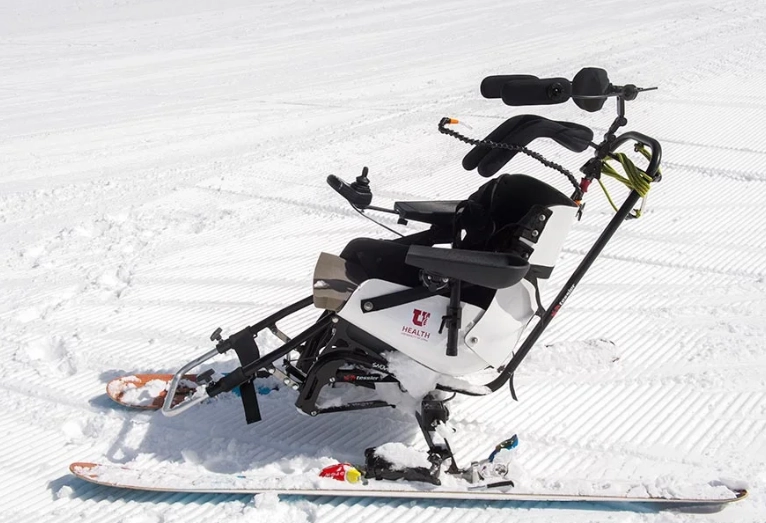
- Find a Certified Program, NOT a Random Instructor. This is non-negotiable. Look for resorts with established adaptive programs. These programs have the specialized equipment (which is very expensive), instructors certified by bodies like PSIA-AASI (Professional Ski Instructors of America - Adaptive), and a focus on safety. A great starting point is the Disabled Sports USA chapter finder or Move United. These organizations are the backbone of the community in the U.S.
- Reach Out Early. Don't wait until the week before your trip. These programs often need time to assess your needs, reserve the right equipment, and schedule the perfect instructor. A phone call or detailed email is best. Be upfront about your disability, your experience level (even if it's zero), and your goals.
- The Assessment. Your first session will likely involve a chat and an on-snow assessment. A good instructor will want to understand your strength, balance, range of motion, and comfort level. This isn't an exam; it's to ensure you get the right gear and a lesson plan that sets you up for success and fun.
- Embrace the Learning Curve. Your first day might be on a gentle slope, learning how to use outriggers or getting used to the balance of a bi-ski. That's okay! Every skier started on the bunny hill. The fundamentals are just different.
A Word on Cost: Let's be real. Adaptive lessons and equipment rentals are more expensive than standard ones. It's a major barrier, and it sucks. However, many non-profit chapters (like those under Disabled Sports USA) offer scholarship programs, grants, or subsidized rates for veterans, kids, or first-timers. Always ask about financial aid. Don't let the sticker price on a website stop you from inquiring.
Where Can You Go? Not Every Resort is Created Equal
While more and more mountains are developing programs, some are legendary in the adaptive world. They have vast fleets of equipment, highly trained staff, and terrain for all levels. Here are a few North American standouts:
- National Ability Center (Park City, Utah): This is arguably the gold standard. Their facilities are incredible, their instructor training is top-notch, and they cater to all disabilities and all ages. It's a full-fledged campus dedicated to adaptive sports.
- Breckenridge Outdoor Education Center (Breckenridge, Colorado): Another pillar of the community with a long, respected history. They offer everything from beginner lessons to backcountry guiding.
- Winter Park Resort (Colorado): Home to the National Sports Center for the Disabled (NSCD), one of the oldest and largest programs in the world. Their expertise is unparalleled.
- Vail Adaptive Sports Program (Vail, Colorado): A well-funded, professional program with access to Vail's massive terrain.
- Big Sky Resort (Montana): Known for its excellent program and, of course, its epic, uncrowded terrain for those ready to explore.
But what if you're in the East? Or Canada? Check the National Ski Areas Association (NSAA) website—many member resorts list their adaptive offerings. A smaller local hill with a passionate, dedicated program can often provide a more personal experience than a mega-resort.
The Mental Side: What They Don't Tell You in the Brochure
Everyone talks about the freedom, and it's real. But there's another layer. Being an adaptive skier in a world built for two-legged, two-poled skiers means dealing with logistics that others never consider.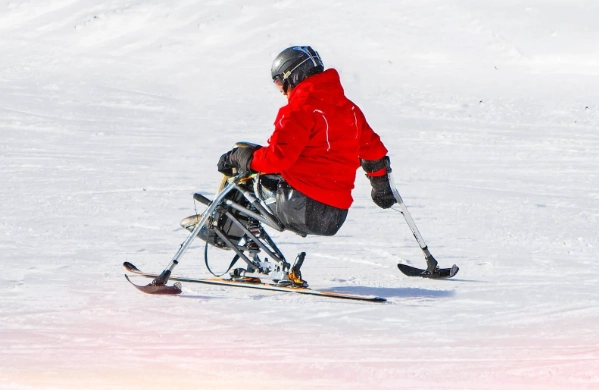
How do I get from the parking lot to the lodge in snow? Does this place have a accessible bathroom on the mountain? Will the lift operators know how to load my sit-ski safely, or will I have to explain it every single time? The mental load is higher. A great program handles 90% of this for you, smoothing the way so you can just focus on skiing. A mediocre one leaves you to advocate for yourself constantly, which is exhausting.
And then there's the social side. The adaptive skiing community is, in my experience, one of the most supportive and unpretentious groups in the outdoor world. There's a shared understanding, a lack of ego. You'll see experts giving tips to newcomers, people cheering each other on from the chairlift. It's a powerful antidote to the isolation that a disability can sometimes bring.
Answering Your Burning Questions (FAQ)
Not at all! Programs often work with people recovering from injuries (like a knee reconstruction), stroke survivors, or individuals with temporary conditions. The goal is adaptation to the current need.
Faster than you. Seriously. In downhill racing, mono-skiers and stand-up skiers with outriggers reach speeds comparable to, and sometimes exceeding, able-bodied racers. On a groomed blue run, a competent adaptive skier will keep pace with any intermediate skier.
Yes, but with major caveats. Deep powder is a huge challenge for sit-skis, as they can submarine (dive under the snow). Tree skiing requires immense skill and a wide enough corridor. That said, there are adaptive skiers who specialize in backcountry and big mountain skiing, using specialized powder skis and sheer talent. It's the absolute pinnacle of the sport.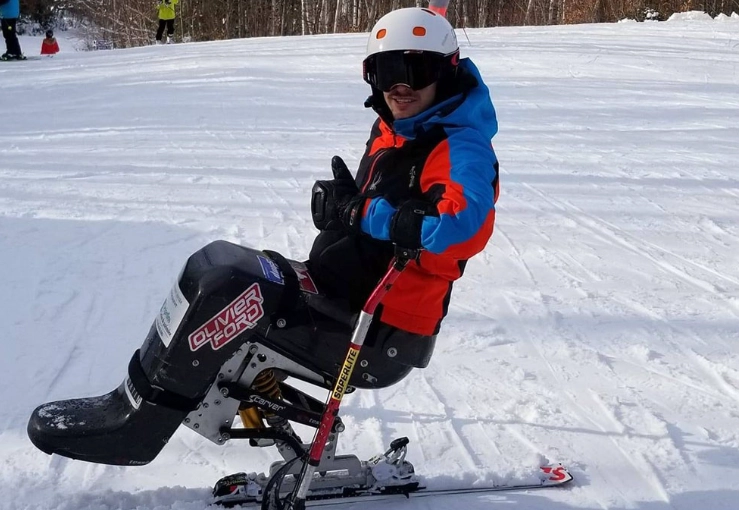
Think of it like the difference between your local basketball league and the NBA. Adaptive skiing is the broad, inclusive sport for everyone. Paralympic alpine skiing is the elite, competitive tier with strict classifications (based on functional ability, not just disability type) and races in Slalom, Giant Slalom, Super-G, and Downhill. Every Paralympian started as an adaptive skier somewhere.
The best help is to do your research, find a reputable program, and then… take a step back. Let the instructors instruct. Your role is emotional support, logistics help (like carrying a bag), and celebration. Resist the urge to hover or give instructions from the sidelines. Trust the process.
Wrapping It Up: The Real Definition
So, after all this, what is an adaptive skier? It's a skier. Full stop. They use different tools to achieve the same fundamental goal: the joy of sliding on snow, the challenge of the mountain, the camaraderie of the lodge. The adaptation is a feature, not a footnote. It's a testament to human ingenuity and the relentless desire to play, explore, and push limits, regardless of the body you're in.
The landscape is getting better. More resorts are investing in programs. Equipment technology is advancing. But awareness is still the biggest hurdle. Now that you know, you're part of changing that. Maybe you'll try it. Maybe you'll recommend it to someone. Or maybe next time you're on the mountain and see that mono-skier threading through the bumps, you'll just give a respectful nod, knowing exactly what you're looking at: not a novelty, but a fellow skier, absolutely crushing it.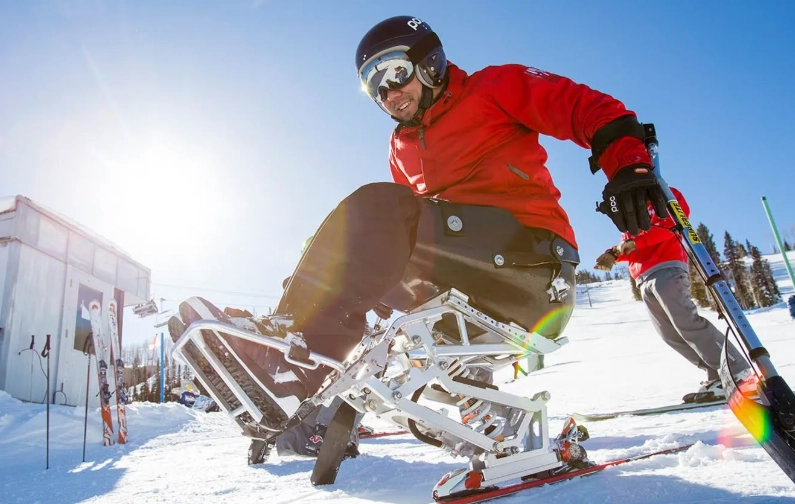
The mountain doesn't discriminate. It just asks how you plan to get down.