Planning a ski vacation should feel exciting, not like a second job. But between flights, lodging, gear, and navigating an unfamiliar mountain, it's easy to get buried in details. I've planned over twenty of these trips, from chaotic family weeks in Colorado to backcountry hut adventures in Canada. Let's cut through the noise. This guide isn't about generic advice; it's the actionable blueprint I wish I had a decade ago.
Quick Navigation: What You'll Find Here
How to Plan Your Ski Trip Timeline: A Step-by-Step Game Plan
Throw out the "last-minute ski deal" fantasy if you're going as a group or during a peak period. Good planning is about reducing stress and cost. Here's the rhythm that works.
6-5 Months Before: The Foundation
This is decision time. Lock in your travel crew and agree on a budget range. Are you a luxury lodge group or a cram-into-a-condo crew? Be honest. Then, research destinations. I spend hours on OnTheSnow for trail maps and mountain stats, and I cross-reference with travel vlogs for the real vibe. Book your lodging now, especially for condos or houses with kitchens. Flights can wait a tick, but the best places fill up.
4-3 Months Before: Locking It In
Purchase flights. Set fare alerts. For gear, decide: rent at the resort, rent from a local shop for better quality, or bring your own? If you need new gear, buy now during pre-season sales. Book airport transfers or a rental car (4WD/AWD is non-negotiable in my book). Reserve ski lessons, especially for beginners—good instructors book out weeks in advance at top schools.
Pro Move: Buy your lift tickets online now. Window rates are brutal. Multi-day passes from the resort site or through platforms like Liftopia can save 20-30%. If you're skiing more than 5 days in a season, an Epic or Ikon Pass might pay for itself—run the math.
1 Month Before: The Home Stretch
Check your gear. Get skis or board tuned. Waterproof your pants and jacket (Nikwax Tech Wash is my go-to). Start a physical packing pile in a corner. Confirm all reservations. Create a shared digital folder for your group with confirmation numbers, addresses, and emergency contacts.
1 Week Before: Final Prep
Pack using the list below. Download the resort's app for real-time lift line and trail info. Check the weather forecast religiously. Not to panic, but to pack the right layers—a -10°C day requires a different kit than a +2°C spring day.
Picking Your Ski Destination: It's Not Just About Vertical Drop
Choosing where to go is the most fun part, but look beyond the marketing. A resort perfect for experts might bore a beginner to tears.
For Families & Mixed Groups: You need a mountain with variety. Look for a large percentage of green and blue runs, a reputable ski school, and non-skiing activities (tubing, ice skating, nice village). North America examples: Whistler Blackcomb, Park City, Smugglers' Notch. In Europe: Les Gets/Morzine in France, Saalbach in Austria.
For Experts & Powder Hounds: Terrain is king. Look for hike-to terrain, bowl access, and a reputation for good snow. Consider snow reliability—higher altitude helps. North America: Jackson Hole, Alta/Snowbird, Revelstoke. Europe: Chamonix (for the experienced and guided), St. Anton, Verbier.
For Budget-Conscious Skiers: Look east in North America (Vermont, Quebec) or consider lesser-known European gems like Slovakia's Tatras or Italy's Dolomites (outside the fancy Cortina area). The flight might be a bit more, but lodging, food, and lift tickets can be half the price.
A Common Mistake: Picking a resort solely for its famous name, only to find it's a 2-hour shuttle ride from the airport on a winding mountain road. Always factor in transfer time and ease. After a long flight, a 90-minute max transfer is my personal rule.
Ski Trip Budget: Where Your Money Actually Goes
Let's be transparent. A ski trip is an investment. Here's a realistic breakdown for a 5-day trip for two people, staying in a mid-range condo in a major North American resort, not including flights.
| Category | Estimated Cost (USD) | Tips to Save |
|---|---|---|
| Lodging (5 nights) | $1,200 - $2,000 | Book early, look for "ski-in/ski-out" vs. "shuttle access." The latter is cheaper. |
| Lift Tickets (5 days) | $600 - $800 total | Buy online in advance. Consider multi-resort passes if your trip spans areas. |
| Rental Car & Gas | $300 - $500 | If staying slope-side, you might not need one. Use resort shuttles. |
| Food & Drink | $700 - $1,000 | Biggest variable! Cook breakfast/dinner in your condo. Pack lunch. |
| Gear Rental (Skis/Boots/Poles) | $200 - $300 total | Rent from a shop in town, not at the mountain base, for better rates/selection. |
| Ski Lessons (2-day group) | $300 - $500 | Essential for beginners. For intermediates, a half-day clinic can unlock new skills. |
| Total (Approx.) | $3,300 - $5,100 |
See that food line? That's the silent budget killer. A mountain lunch for two with drinks is easily $60. A condo with a kitchen pays for itself in three meals.
The Ski Trip Packing List: Don't Forget These
Beyond the obvious skis and jacket. This is the curated list from hard-earned experience.
The Absolute Must-Haves (Carry-On These):
- Ski Boots: In a boot bag, carried onto the plane. Never check them.
- Base Layers: Merino wool or synthetic. Cotton is the enemy.
- Mid-Layer Fleece/Puffy: For variable conditions.
- Ski Socks (2-3 pairs): Merino wool, knee-high.
- Helmet & Goggles: With interchangeable lenses (low-light & sunny).
- Gloves/Mittens: Plus a thin liner pair for extra cold days.
- Neck Gaiter/Balaclava: Essential for wind and lift rides.
The "Why Didn't I Think of That?" Items:
- Compact Boot Dryer: Plug-in ones that fit in your boot overnight. Dry boots are happy feet.
- High-SPF Lip Balm & Small Tube of Sunscreen: For reapplication at lunch. The sun is fierce at altitude.
- Hydration Pack or Insulated Water Bottle: Staying hydrated is crucial for performance and avoiding altitude sickness.
- A Small Backpack: For layers, water, snacks, and a basic first-aid kit.
- Comfy Apres-Ski Boots: Your feet will crave something warm, dry, and not a ski boot.
A Realistic 5-Day Ski Trip Itinerary (Chamonix Example)
Let's make this concrete. Here’s how a trip to a classic, terrain-rich resort like Chamonix, France, might flow. The principle applies anywhere: balance activity with recovery.
Day 1: Arrival & Acclimatization
Land in Geneva (GVA), take pre-booked shuttle to Chamonix (1h15). Check into your hotel or apartment. Wander the town, rent gear from a local shop (cheaper than at the lifts), buy lift passes. Easy dinner, early night. Goal: Get oriented, not exhausted.
Day 2: Warm-Up & Exploration
Head to Les Houches or Brévent-Flégère. These areas have forgiving terrain to find your legs. Focus on technique, not mileage. Long, scenic lunch on the mountain. Après-ski at a bar in town, but keep it tame.
Day 3: Peak Adventure Day
This is the big one. If conditions allow and you're confident, tackle the iconic Vallée Blanche off-piste run from the Aiguille du Midi (WITH A GUIDE—this is non-negotiable). If not, explore Grands Montets for challenging in-bounds terrain. Early, hearty dinner. You'll be tired.
Day 4: Flexible Recovery Day
Sleep in. Maybe a half-day of skiing at a different area, like Le Tour for some cruising. Or take the afternoon off for a non-ski activity: visit the Mer de Glace glacier, go paragliding, or just relax at a spa. Variety keeps a trip fresh.
Day 5: Final Runs & Departure
Hit your favorite run from the week for a few hours. Return rental gear. Grab a final Savoyard lunch (tartiflette, please). Shuttle back to Geneva for an evening flight.
Expert Tips & Common Pitfalls to Sidestep
This is the stuff you learn the hard way, or from a grizzled local at a bar.
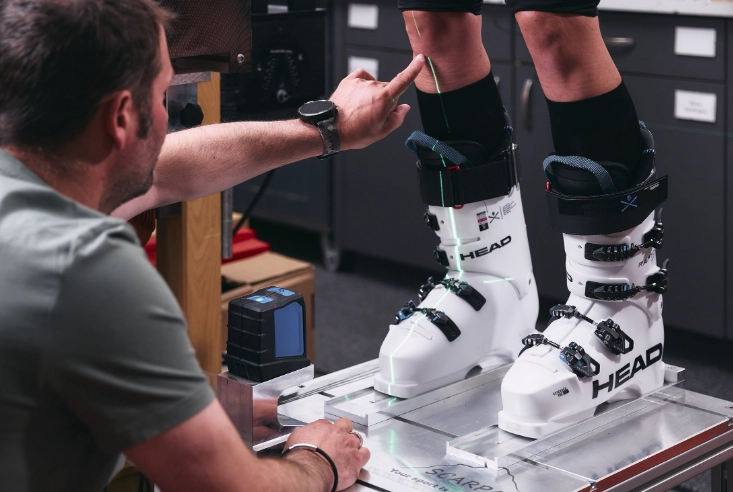
1. The Boot-Fitting Fiasco: Spending 30 extra minutes with a rental tech to get your boots perfectly comfortable is the best investment of your trip. Don't just grab a box and go. Painful boots ruin everything.
2. Overbooking the Itinerary: You don't need to ski open to close, every day. Fatigue leads to injury. Schedule a half-day or a full rest day. Your body will thank you, and you'll enjoy the skiing more.
3. Ignoring the Forecast: Check it nightly. A storm rolling in? Plan for lower visibility, colder temps, and maybe book that lesson or spa day. A bluebird day? Get up early for first tracks.
4. Not Booking Lessons as an Intermediate: The plateau is real. A single 2-hour private lesson can break bad habits and teach you how to ski powder or moguls effectively. It's a game-changer.
5. The "Non-Refundable" Trap: I get it, it's cheaper. But if your flight gets cancelled or someone gets sick, trip insurance (or booking flexible rates) is worth the peace of mind. I learned this after losing $800 on a condo.
Quick Answers to Common Ski Trip Questions
Planning is part of the adventure. It builds anticipation. Use this framework, adapt it to your group's style, and focus on the experience, not just checking boxes. The goal is to create memories on the mountain, not stress about the logistics off it. Now go check those flight prices.