Quick Guide
Okay, let's be real. When you're first getting into skiing, or even when you've been at it for a few seasons, all the jargon gets thrown around like confetti. "Carve those turns!" "Keep your skis parallel!" It's easy to nod along, but the actual mechanics? That's where things get fuzzy. I remember being on a blue run, convinced I was carving because I was going fast and my skis were sort of... curving. An instructor friend later gently broke it to me that I was just doing a decent parallel turn with a bit of a skid. Ouch. The ego took a hit, but my skiing got way better once I understood the real split.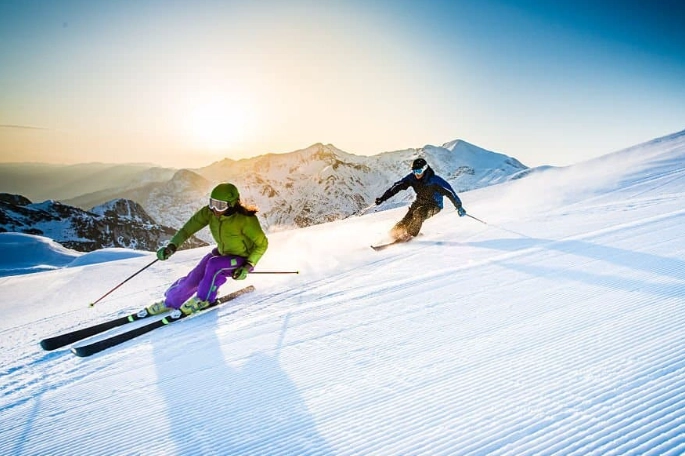
So, what is the difference between carving and parallel turns? In the simplest terms, it's the difference between sliding and rolling. A parallel turn is the fundamental, controlled way to change direction where your skis slide sideways across the snow to control speed. A carving turn is a more advanced, high-performance technique where your ski's metal edge cuts into the snow like a knife, guiding you through a turn with minimal skidding. One is about control and versatility, the other is about efficiency and speed.
Quick Takeaway: If you're trying to slow down on a steep slope, you're almost certainly using a parallel turn. If you're arcing smooth, high-speed turns on a groomed run with that satisfying "shhhhing" sound, you're carving. Most skiers use a blend, but knowing the distinction changes everything.
The Parallel Turn: Your Go-To for Control
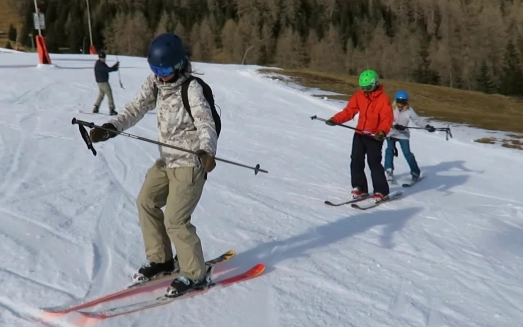
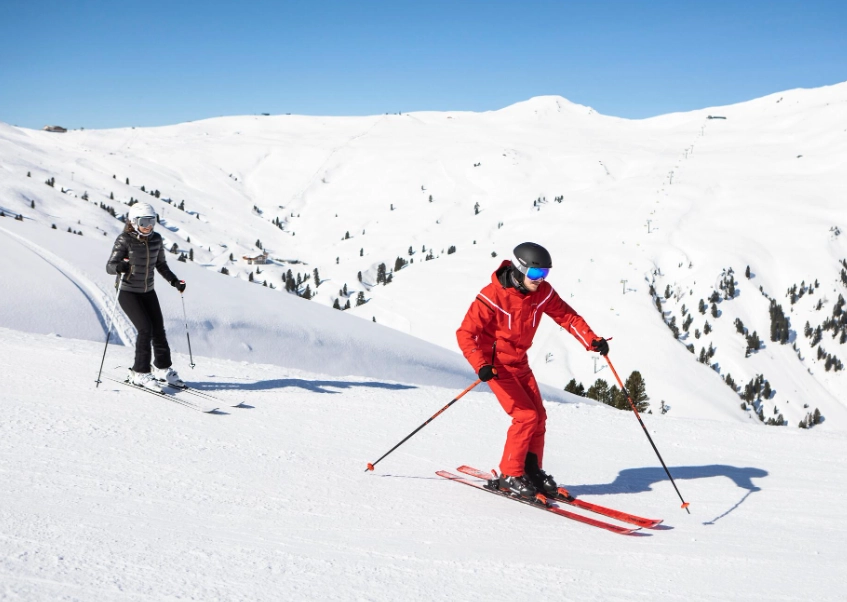
Let's start with the bread and butter of modern skiing. The parallel turn. Forget the old stem christie stuff; this is what you need to ski most terrain confidently. The core idea here is that both skis turn together, remaining roughly parallel to each other throughout the maneuver. But here's the kicker – they skid.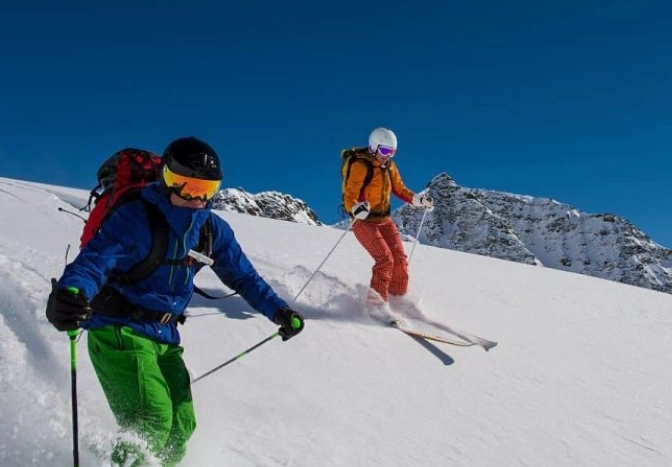
Think of it like this: you're not just pointing your skis in a new direction. You're using the edges to create a controlled slide. You initiate the turn by shifting your weight and rolling your ankles and knees inward (this is called edging), but the angle isn't super aggressive. The ski's sidecut helps start the turn, but the tail of the ski slides sideways a bit, scrubbing off speed. This skidding action is the main event. It's what lets you manage your velocity on steeper stuff, in bumps, or in variable snow.
Why it matters: The skid is a feature, not a bug. It's your brake. Without that ability to slide the tails, controlling speed on a black diamond would be a terrifying exercise in straight-lining or falling leaf maneuvers.
The mechanics feel like a full-body, coordinated movement. You start from a balanced, athletic stance. To turn left, you press down on the outside (right) ski, flex that right ankle and knee inward to engage the edge, and let your upper body and hips follow the turn. The inside (left) ski supports but carries less weight. The skis pivot around a point under your feet. You finish the turn by coming back to a neutral stance, ready to initiate the next one. The turn shape is often a bit more rounded, a "C" shape, because you're actively controlling the arc with that skid.
I find most intermediate skiers live here. It's reliable. It works on ice, in crud, in moguls. You can make them short and snappy or long and sweeping. It's the versatile workhorse of the mountain.
When You Absolutely Need a Parallel Turn
- Steep Terrain: That skidding brake is your best friend. Trying to carve on a 40-degree pitch without perfect conditions is a one-way ticket to the ski patrol sled.
- Moguls: Quick, pivoted turns are all about the controlled slide. Pure carving in a bump field is nearly impossible and usually ends poorly.
- Icy Patches: A carved edge can suddenly lose grip on ice, leading to a violent slip. A skidded parallel turn allows for micro-adjustments and a safer passage.
- Tight Spaces: Need to navigate through trees or a narrow chute? The ability to pivot and skid lets you change direction rapidly.
So that's the parallel world. Controlled, safe, versatile. But then you see someone glide past you on a corduroy blue run, leaving two perfect, pencil-thin lines in the snow, not a skid mark in sight. That's the carving siren song.
The Carving Turn: Efficiency and the Pure Arc
Carving is a different beast. It feels less like steering and more like being on a railway track. When you carve, the ski's edge is engaged so deeply that the entire sidecut of the ski is in contact with the snow. The ski bends into an arc, and you ride that arc. There is virtually no skidding. The tail follows exactly the same path as the tip. Look back at your tracks – if they're two clean, carved grooves, you nailed it. If they're two wider smears, you were skidding.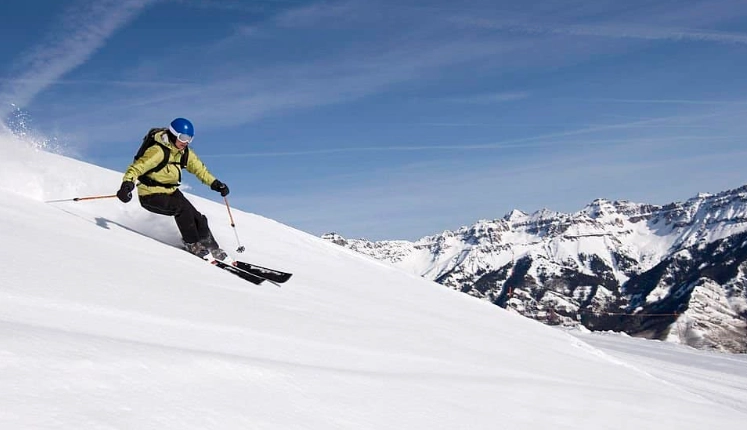
The sensation is incredible when you first really feel it. It's smoother, quieter (less of the scraping sound, more of a slicing sound), and incredibly efficient. Because you're not fighting friction by skidding, you maintain speed and momentum. You generate forces that push you into the snow, creating grip. On a good carve, you can lean over so far your hip or even shoulder might brush the snow. It's a game of commitment and angles.
The initiation is more aggressive. You don't just roll your ankles; you aggressively tilt your entire lower leg and knee into the hill, driving your shin into the front of the ski boot. Your body moves inward toward the center of the turn arc, creating that high edge angle. The ski responds by bending into its designed radius and pulling you around. It's a more dynamic, lower stance. The turn shape is often tighter and more defined by the ski's geometry – you're riding a preset arc.
But here's the big caveat, and it's why carving isn't the answer to everything: it requires specific conditions. You need a well-groomed, consistent snow surface. You need skis with a pronounced sidecut (most modern all-mountain skis can do it to some degree, but true carving skis are built for it). And you need space. Trying to carve a super short-radius turn is a high-skill move.
The Limitations of Pure Carving
- Speed Control: This is the big one. Carving inherently doesn't slow you down much. You control speed by finishing your turn across the hill or by making more turns, not by skidding. On a crowded run, this can be problematic.
- Variable Snow: Chop, crud, powder, heavy snow – these all disrupt the clean edge-to-snow connection needed for a carve. You have to adapt back to a more skidded technique.
- Steepness: As mentioned, on very steep terrain, the commitment and speed of a carve can be dangerous. A fall from a high-edge carve can be a long, sliding affair.
So, asking what is the difference between carving and parallel turns really boils down to the fundamental question of how your ski interacts with the snow. One slides and controls, the other locks in and rails.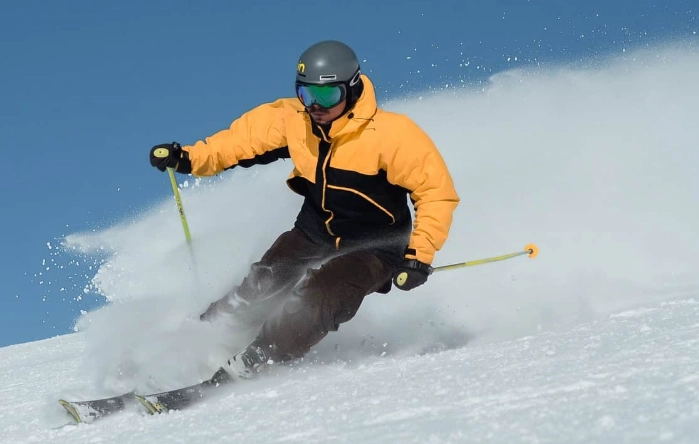
Side-by-Side: The Breakdown
This table should make the core distinctions crystal clear. It's the kind of comparison I wish I had seen years ago.
| Aspect | Parallel Turn | Carving Turn |
|---|---|---|
| Primary Goal | Direction change with active speed control. | Direction change with speed maintenance and energy efficiency. |
| Ski-Snow Interaction | Controlled skid/slide. Tails wash out slightly. | Pure arc. Ski bends, edge grips. Minimal to no skid. |
| Turn Shape | "C" shape, often rounder. Shape is actively controlled by the skier. | "Arc" shape, often tighter. Shape is heavily influenced by ski sidecut radius. |
| Speed Effect | Reduces speed through friction of the skid. | Preserves or even increases speed through minimal friction. |
| Key Movement | Weight shift to outside ski, ankle/knee roll (edging), and pivoting. | Aggressive lower-body angulation, high edge angles, pressure on the shovel of the ski. |
| Ideal Terrain | Steeps, moguls, ice, trees, variable snow. | Groomed runs (corduroy), wide-open cruisers, firm snow. |
| Skill Level | Intermediate to advanced. The foundational modern turn. | Advanced. Requires good balance, edge control, and commitment. |
| Tracks in Snow | Two wider, smeared lines. | Two thin, clean, parallel lines (like railroad tracks). |
Which One Should You Use? (Spoiler: It's Not One or the Other)
This isn't a religion where you pick a side. A complete skier has both tools in the toolbox and knows when to use each. The real magic happens in the blend. Most turns you see experts doing are mostly carved, but with a tiny bit of skid applied for perfect speed and line control. It's a spectrum.
My Personal Rule of Thumb: I start my day on a groomer by focusing on clean carves to warm up and feel the edges. As the day goes on, the snow gets chopped up, or I head into steeper terrain, my turns naturally become more parallel/skidded. It's a fluid adjustment, not a conscious switch.
Decision Guide on the Mountain
- Groomed Green/Blue Run, want to go fast and feel smooth? Focus on carving. Let the skis run.
- Same run, but it's crowded? Blend in more skid (parallel technique) at the end of your carve to check your speed before the next turn.
- Black diamond, moguls, or trees? Your default is a solid, pivoty parallel turn. Look for momentary opportunities to set an edge and carve for a split second between pivots.
- Ice? Parallel turn, no question. Be gentle and precise with your edges.
- Deep Powder? A whole different philosophy, but the turn shape is more similar to a carved arc, initiated with less edge and more body rotation. The skid is minimal because the snow supports you.
How to Progress from Parallel to Carving
If you're solid with parallel turns and want to taste that carving feeling, don't just try to lean over more. That's a recipe for a high-side fall. Break it down.
- Master the J-Turn (Garland Exercise): Traverse across a gentle slope. Slowly roll your knees downhill until your edges bite and pull you into a turn up the hill, forming a "J" shape. Focus on the feeling of the edge locking in without your skis pivoting.
- Wide Track Carving: On a very gentle slope, make giant, slow turns with your feet very wide apart (like a snowplow width). This wide base makes it easier to achieve high edge angles without falling over. Try to make clean arcs.
- Focus on the Inside Foot: In a carve, your inside foot is also edged. Try lifting the little toe of your inside foot (for a turn to the left, lift the little toe of your right foot). This helps roll the knee inward.
- Follow a Track: Have a friend make a clean carved track on a gentle slope. Try to put your skis exactly in their tracks. This forces your body into the right position.
It takes time. Be patient. The difference between carving and parallel turns becomes muscle memory.
Common Questions (The Stuff You're Actually Searching For)
Is carving better than parallel turning?
Not better, just different. "Better" depends on your goal. For control and safety in challenging conditions, parallel is better. For speed, efficiency, and fun on groomers, carving is better. A great skier uses the right tool for the job.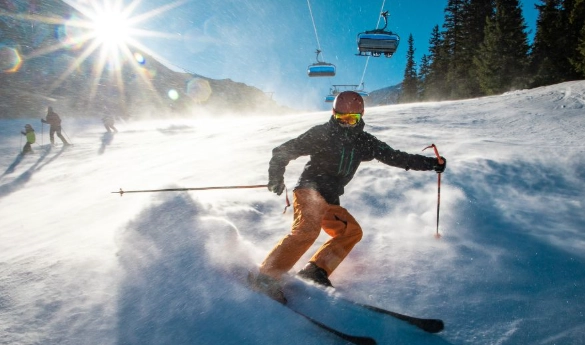
Can you carve with all-mountain skis?
Absolutely. Modern all-mountain skis have plenty of sidecut to carve enjoyable turns on groomers. They might not hold as well on ice or be as quick edge-to-edge as a dedicated carving ski, but they'll do the job just fine for most people. The skier matters more than the ski.
Which turn is easier to learn?
The parallel turn is the logical, easier-to-control stepping stone. You learn to control your speed and direction first. Carving is a refinement that comes after you're very comfortable with edge control and balance. Trying to learn to carve first is like trying to run before you can walk—you'll lack the fundamental control for safety.
Do racers carve or skid?
World Cup skiers are the ultimate blenders. On a giant slalom course, they are carving 95% of the turn to be as fast as possible. But watch closely—especially at the end of a turn or to adjust their line before a gate, they'll introduce a tiny, precise skid. That's the pinnacle of skill: using a microscopic amount of parallel skidding technique within a carved turn for perfect line control. The International Ski Federation (FIS) provides race footage and analysis that brilliantly showcases this blend of techniques at the highest level.
I keep catching an edge when I try to carve. What am I doing wrong?
Classic problem. It usually means you're leaning your upper body inward ("banking") instead of angulating your lower body. Your shoulders should be roughly level with the horizon, while your knees and hips drive inward. If your whole body leans, the edge angle becomes too severe too quickly, and the edge digs in and trips you. Focus on keeping your outside hand forward and your chest facing somewhat downhill.
Remember, the goal isn't to label every turn. It's to understand the mechanics so you can consciously choose the effect you want on the snow. That's what gives you true freedom on the mountain.
So next time you're on the hill, pay attention to the sound and feel. Are you scraping and controlling? That's your parallel technique working hard. Are you slicing and arcing? That's the carve. Most likely, you're doing a bit of both, and that's exactly how it should be. Understanding what is the difference between carving and parallel turns finally lets you move from just getting down the hill to actually dancing with it.
Now go make some tracks. And try to leave a few of those perfect, pencil-thin ones just for the fun of it.