Quick Navigation
Let's be honest. Shopping for a monoski isn't like picking up a pair of skis from your local rental shop. It's a niche world, and the companies that build these single, wide boards are a special breed. They're often small operations, passionate workshops, or larger brands with a dedicated cult following. If you're here, you're probably past the "what is a monoski" stage and deep into the "who makes the good ones" phase. I've been there—scouring forums, deciphering tech specs, and trying to figure out which manufacturer actually builds a board that won't let me down on a deep powder day or a hard-packed groomer.
This guide is the result of that deep dive. We're not just listing names; we're peeling back the curtain on what makes each monoski manufacturer tick, who they're building for, and frankly, where some might miss the mark. Choosing the right manufacturer is half the battle in finding your dream ride.
The Monoski Manufacturing Landscape: Boutiques, Legends, and Innovators
It's a fascinating mix. You've got heritage brands that practically invented the modern monoski, you've got tiny artisan workshops building one-off customs, and you've got larger snowboard companies that have added monoski models to their lineup. Each brings a different flavor to the table. Understanding this landscape is step one.
Some focus purely on high-performance, carving-oriented boards. Others are all about that floaty, surfy powder feel. A few are trying to bridge the gap. And then there's the question of construction: cap vs. sandwich, different core materials, sidewall tech... it can make your head spin. But these choices, dictated by the manufacturer's design priorities, are what define the ride.
Deep Dive: The Top-Tier Monoski Manufacturers You Should Know
Alright, let's get into the names. This isn't just a ranking—it's a breakdown of philosophies. I've ridden boards from most of these guys, talked to others who have, and waded through years of community feedback to get a full picture.
| Manufacturer | Origin / Vibe | What They're Known For | Consider If You... |
|---|---|---|---|
| Monoski USA / Faction Monoski | USA (Utah). The modern legacy brand. | Pioneering the contemporary shape, high-performance carving, proven all-mountain designs. They have a strong competition heritage. | ...want a proven, high-performance quiver-of-one from a cornerstone brand. You prioritize precision on hard snow. |
| Summon Skis (Custom Monoski) | USA (Colorado). Boutique customizer. | Fully bespoke construction. You dictate everything: shape, flex, core, graphics. It's the pinnacle of "made for you." | ...have very specific needs, are an atypical size, or want a true one-of-a-kind art piece. Budget is secondary. |
| Duret | France. The European icon. | Deep-rooted history in monoski development. Often feature unique shapes and a focus on versatile freeride performance. A go-to for many European riders. | ...want a brand with immense heritage and a distinctly European ride feel. You value innovation from the sport's heartland. |
| Winterstick | USA. The original snow surfers. | Swallow-tail shapes, surf-inspired design philosophy. Built for deep powder and a smooth, flowing ride rather than aggressive carving. | ...live for powder days and want a board that surfs the snow. You're less concerned with icy corduroy performance. |
| K2 Snowboarding (Mono Series) | USA. Major brand player. | Accessibility and recognizable brand trust. They apply proven snowboard tech (like their Ikonic shape) to monoski designs, offering a familiar feel for snowboarders. | ...are transitioning from snowboarding and want a monoski from a brand you know. You're looking for a more accessible price point. |
That table gives you the lay of the land, but it's just the surface. Let me add some color. I had a chance to demo a Monoski USA model a few seasons back. The build quality was impeccable—you could feel the precision. But for my style, which leans more toward playful freeride than race-course carving, it felt a bit... serious. That's not a knock on them, it's just a clarity of purpose. They know who they're building for.
On the flip side, the allure of custom monoski manufacturers like Summon is huge. The idea of getting every detail spec'd to your weight, style, and local snow is a dream. But the lead times can be long, and the price tag is a serious commitment. It's the ultimate solution, but not the only one.
What Are You Really Paying For? Breaking Down Manufacturer Choices
When you're comparing monoski manufacturers, you're comparing their core decisions. These choices impact the ride more than any marketing copy.
Construction: The Heart of the Board
Most reputable monoski manufacturers use a sandwich sidewall construction. It's more durable and allows for better edge feel than cheaper cap construction. But within that, the core material is key. Is it a lightweight paulownia core for snap and float? A dampening poplar core for stability at speed? Or a combo? A manufacturer like Duret might favor certain woods based on their performance goals, which differ from a brand like Winterstick.
The layup—how the fiberglass and carbon are arranged—is another secret sauce. Some manufacturers overload boards with carbon, making them punishingly stiff for average riders. The good ones find a balance. It's worth asking a manufacturer about their philosophy here.
Shape & Profile: Where the Magic Happens
This is the biggest differentiator. The shape dictates personality.
- Directional vs. Twin-ish: Most monoski manufacturers build directional shapes (wider nose, narrower tail) for powder. But some, aiming for freestyle capability, add a more centered stance or twin-ish shape.
- Sidecut Radius: A deep, dramatic sidecut (like on many Monoski USA boards) wants to turn, now. A longer, mellower sidecut (common on powder boards) feels more drawn-out and surfy.
- Rocker Profile: Camber underfoot for power and pop, early rise in the nose for float. The blend is everything. Manufacturers focused on hard snow will have more camber. Pure powder monoski manufacturers will have more rocker.
I made the mistake once of buying a board with too much camber for my mostly-soft-snow conditions. It was a chore in deep stuff. Lesson learned: match the manufacturer's profile specialty to your home mountain.
The Decision Framework: How to Actually Choose Your Manufacturer
Okay, so you've got the list and the tech talk. How do you pick? Stop thinking "best" and start thinking "best for me."
1. Diagnose Your Local Conditions & Riding Style.
Be brutally honest. Are you lapping groomers in the East? Hunting powder in the Rockies? A bit of both in the Alps? Your dominant condition is your filter. A manufacturer famous for ice-coast carvers is a poor choice for a Japan powder hound, and vice versa.
2. Set Your Budget (and Include Binding Compatibility).
Prices range widely. Major brand monoski manufacturers often offer better value. Boutique and custom monoski manufacturers command premium prices. Remember, you need bindings. Most monoski manufacturers sell boards flat (without bindings). Check if the board has a 4x4 insert pattern or something more modern. Not all bindings fit all patterns.
3. Research the Company's Ethos & Support.
This matters more in a niche sport. Email them. Ask questions. See how they respond. The best monoski manufacturers have passionate people who will guide you. Check their warranty policy. A small custom shop might offer more personalized post-sale support than a large corporation.
4. Seek Out Real Reviews & Demos.
Go beyond the website. Look for long-term reviews on forums like Teton Gravity Research or the Snews community. Better yet, see if any monoski manufacturers or local shops host demo days. Feeling the board is worth a thousand spec sheets.
What about used boards? It's a great option to enter the sport. Look for boards from reputable monoski manufacturers in good condition. Be wary of delamination or damaged edges.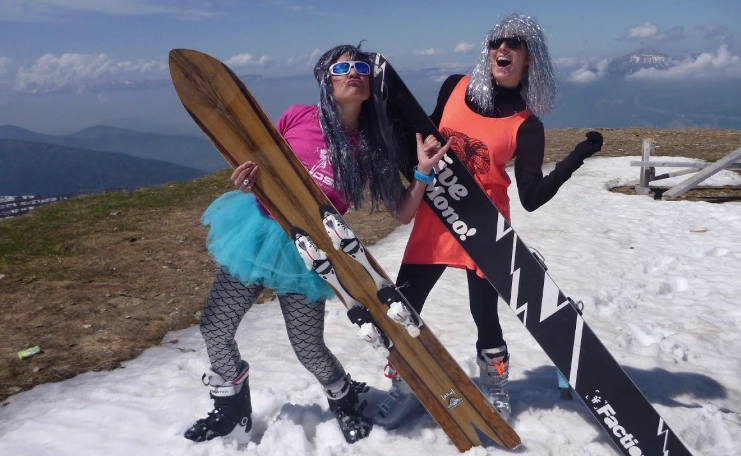
Common Questions, Straight Answers
After all this, my biggest piece of advice is this: don't get paralyzed by the search for the perfect monoski manufacturer. The monoski community is small and awesome. Most of these companies are run by people who live and breathe this. They're not faceless corporations.
Pick two or three manufacturers whose stated goals align with how you ride. Dig into their specific models. Reach out. Ask dumb questions. Then, if you can, try before you buy. The difference between a board you tolerate and a board you love often comes down to nuance—a slightly softer tail, a touch more rocker—that a specific manufacturer prioritized.
The right board from the right monoski manufacturer doesn't just slide on snow; it disappears under you, leaving only the feeling of the ride. That's what you're really shopping for.
Good luck out there. See you on the single track.