Key Points to Explore
- What Exactly Is a T-Bar Lift, Anyway?
- Why Your Back Craves the T-Bar Row
- How to Actually Use a T-Bar Lift Gym Machine (Without Wrecking Yourself)
- Building Your Routine Around the T-Bar Lift Gym
- Choosing the Right T-Bar Lift Gym Machine: A Buyer's Guide
- Frequently Asked Questions (The Stuff You Actually Search For)
- Final Thoughts: Is It Worth the Hype?
Let's be honest, building a back that looks strong and feels even stronger isn't easy. You've probably done your share of bent-over rows, maybe some lat pulldowns, and still feel like something's missing. That's where my first encounter with a proper T-bar lift gym came in. I remember walking into an old-school iron gym and seeing this beast of a machine tucked in the corner. It looked simple – just a bar anchored at one end and a platform to stand on. But the guy using it had a back that looked like a roadmap of muscles. I was hooked.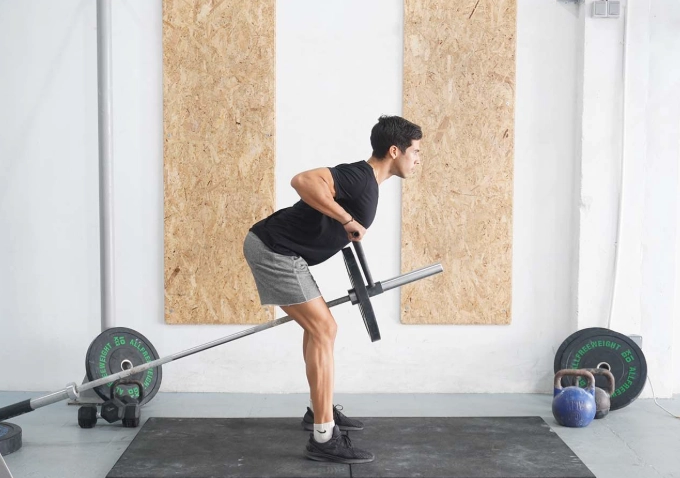
The T-bar row, or using a dedicated T-bar lift gym station, is one of those exercises that seems to fly under the radar next to flashier moves. But ask any seasoned lifter or coach about foundational back builders, and it's almost always in the conversation. It's not just about pulling weight; it's about building a thickness and density in your mid-back, lats, and rear delts that other exercises can struggle to match.
But here's the thing that trips a lot of people up. Is it worth dedicating space and money to a specific T-bar row machine? Or can you just mimic it with a landmine setup? What are you actually getting from this movement that a dumbbell or barbell row doesn't give you? I've used both dedicated machines and DIY setups for years, and I've made my fair share of mistakes along the way. This guide is what I wish I had when I started.
What Exactly Is a T-Bar Lift, Anyway?
At its core, the T-bar row is a compound pulling exercise where you're bent over, bracing your torso against a pad (ideally), and pulling a weighted bar towards your chest. The "T-bar" name comes from the traditional method of using a barbell shoved into a landmine attachment or a corner, with a V-grip handle attached to the free end, forming a "T" shape. A dedicated T-bar lift gym machine takes this concept and engineers it into a standalone piece of equipment.
These machines typically feature a long, guided or partially guided pathway for the weight plates, a chest pad for support, and handles at the end. The big difference from the DIY version? Stability. The machine eliminates the sway and rotational instability of a barbell in a landmine, allowing you to focus purely on contracting your back muscles. It sounds like a small thing, but when you're trying to move serious weight to stimulate growth, that stability is a game-changer. You're not fighting to keep the bar path correct; the T-bar lift gym machine does that for you, letting your back do the work it's supposed to do.
Why Your Back Craves the T-Bar Row
You might be wondering, with all the row variations out there, why bother with this one? I had the same question. After using it consistently, a few benefits became painfully (in a good way) obvious.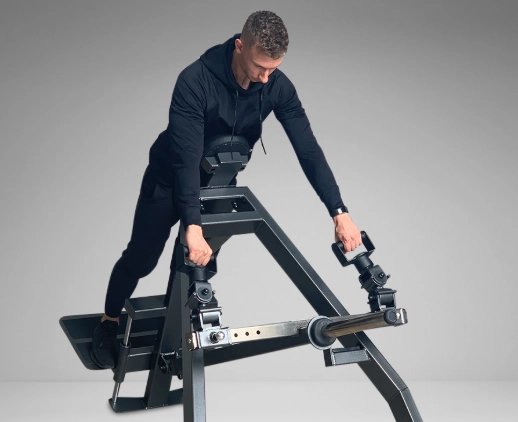
First, the chest support. This is huge. By bracing your torso against the pad, you take your lower back almost completely out of the equation. For anyone with lower back tweaks or a history of stiffness (raising my hand here), this is a blessing. It allows you to row heavy without the constant fear of your form breaking down and your lower back rounding. You can truly isolate your lats, rhomboids, and traps. The American Council on Exercise notes that supported rowing exercises can be particularly effective for targeting the mid-back muscles while minimizing spinal load, which aligns perfectly with what a good T-bar lift gym station provides.
Second, the range of motion and grip. Most T-bar machines offer multiple handle options – a close-grip V-handle, wider parallel grips, or even a straight bar attachment. This lets you attack your back from slightly different angles. The close-grip, for instance, seems to blast my middle back and lats, giving me that coveted "Christmas tree" detail near the spine. The movement also allows for a fantastic stretch at the bottom and a strong, powerful squeeze at the top, which is key for muscle growth.
T-Bar Row vs. Barbell Row: The Real Difference
This is a common debate. The bent-over barbell row is a legendary exercise, no doubt. But it's also technically demanding. It requires immense core and lower back stability to maintain a neutral spine while rowing. The T-bar row, especially on a machine, provides that stability for you.
Think of it this way: the barbell row is a test of total body integrity. The T-bar row on a dedicated machine is more of a pure test of your back's strength. You can often handle more weight on a T-bar lift gym machine because you're not worried about your form collapsing. Is one better? Not necessarily. They're tools for different jobs. I use barbell rows to build raw, functional strength and core stability. I use the T-bar lift gym machine when I want to annihilate my back muscles with heavy weight and focus solely on the contraction.
How to Actually Use a T-Bar Lift Gym Machine (Without Wrecking Yourself)
Alright, let's get practical. Here's a step-by-step breakdown of how I set up and perform the movement. This assumes you're using a dedicated machine, not a landmine setup.
- Load the Weight: Start lighter than you think. Add weight plates to the carriage. Most machines have a pin or stopper to secure them.
- Position Yourself: Stand on the foot platform(s) and lean your chest firmly against the pad. Your feet should be shoulder-width apart, knees slightly bent. The pad should hit you mid-chest. This is crucial – if it's too high or low, your mechanics will be off.
- Grip the Handles: Grab the handles of your choice. For a general back focus, I like the close-grip V-handle. Keep your wrists straight, don't bend them excessively.
- The Starting Position: With a slight bend in your elbows, let the weight pull your shoulders forward until you feel a deep stretch in your lats. Your back should be flat, and your head should be in a neutral position looking down or slightly ahead. Don't crane your neck up.
- The Pull (The Fun Part): Initiate the movement by driving your elbows back. Imagine you're trying to squeeze a pencil between your shoulder blades. Pull the handles towards your lower chest or upper abdomen. Keep your torso glued to the pad – no bouncing or heaving with your chest.
- The Squeeze: At the top of the movement, when the handles touch or come near your body, consciously squeeze your back muscles hard. Hold that contraction for a brief second. This mind-muscle connection is where a lot of the magic happens.
- The Controlled Descent: Don't just drop the weight. Slowly lower it back to the starting position, feeling that stretch in your lats again. The negative (lowering) part of the rep is just as important as the pull.
Breathe out as you pull, breathe in as you lower. Simple, but easy to forget when you're grinding.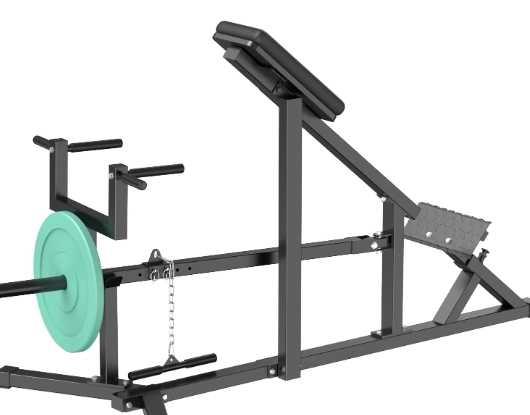
Common Mistakes That Kill the Effectiveness
I've made most of these, so learn from my errors.
- Using Too Much Momentum: Rocking back and forth to move the weight. This turns it into a half-back, half-leg exercise and takes tension off your back. The pad is there for support, not as a springboard.
- Pulling with the Arms: Your biceps are helpers, not the main event. If your biceps are screaming and your back feels nothing, you're doing it wrong. Focus on leading with your elbows.
- Partial Range of Motion: Not letting the weight stretch you out at the bottom, or not pulling high enough at the top. Go full range, under control.
- Shrugging at the Top: As you pull, your shoulders might want to hike up towards your ears. Fight this. Keep your shoulders down and back, focusing on retracting your shoulder blades.
Building Your Routine Around the T-Bar Lift Gym
You don't just throw this exercise anywhere. Here’s how I integrate it, and a few sample templates for different goals. Remember, a T-bar lift gym station is a primary mover, not a finisher. You'll want to pair it with other complementary exercises.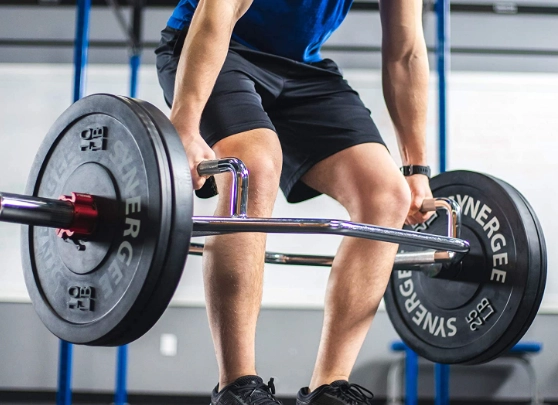
For Pure Muscle Growth (Hypertrophy)
If building a bigger, thicker back is the goal, place the T-bar row in the early or middle part of your back workout, after your pull-ups or lat pulldowns. You'll be fresh enough to handle challenging weights.
- Wide-Grip Pull-ups: 3 sets to near-failure
- T-Bar Rows (on your T-bar lift gym machine): 4 sets of 8-12 reps
- Seated Cable Rows: 3 sets of 10-15 reps
- Face Pulls: 3 sets of 15-20 reps (for rear delts and upper back health)
For Strength Focus
Here, you'll want to go heavier with lower reps. Make sure your form is absolutely dialed in before piling on the plates.
- Barbell Rows: 4 sets of 5 reps
- Heavy T-Bar Rows: 3 sets of 5-8 reps (2-3 minutes rest between sets)
- Chest-Supported Dumbbell Rows: 3 sets of 8-10 reps
How often? For most people, hitting your back hard with exercises like the T-bar row 1-2 times per week is plenty. Your back is a large muscle group that needs time to recover and grow.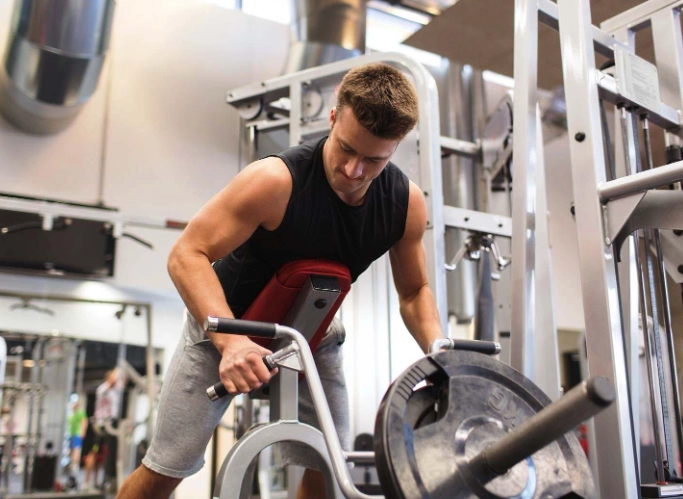
Choosing the Right T-Bar Lift Gym Machine: A Buyer's Guide
This is where it gets real. If you're considering one for a home gym or evaluating what's in a commercial gym, here’s what to look for. I've used cheap ones and premium ones, and the differences are significant.
| Feature | What to Look For | Why It Matters |
|---|---|---|
| Frame & Stability | Heavy-duty steel construction, minimal wobble when loaded and used. | A wobbly machine is distracting and unsafe. It should feel planted. For home use, check the footprint – will it fit? |
| Chest Pad | Thick, firm, and wide enough to support your torso comfortably. Adjustable height is a massive plus. | A poor pad is uncomfortable and forces bad posture. Adjustability ensures a proper fit for users of different heights. |
| Weight Sled/Carriage | Smooth-gliding bearings or rollers. Compatible with standard Olympic (2") weight plates. | A sticky, jerky motion ruins the exercise. Olympic plate compatibility gives you endless weight options. |
| Foot Platform | Textured, non-slip surface. Large enough for stable footing. | Safety first. You don't want to slip when you're pulling hard. |
| Handle Options | At least a close-grip V-handle. Additional parallel or wide grips are a bonus. | Versatility. Different grips target slightly different areas of the back. |
| Weight Storage | Built-in plate storage pegs on the machine. | A huge convenience factor for home gyms, keeping plates off the floor. |
For a home gym, a dedicated T-bar lift gym machine is a commitment of space and money. If you're tight on space, a landmine attachment for your power rack and a V-handle is a fantastic and versatile alternative. It won't be as stable or comfortable for ultra-heavy sets, but it gets you 90% of the way there for a fraction of the cost and space. Brands like Rogue Fitness make incredibly robust landmine attachments that are a staple in many home setups.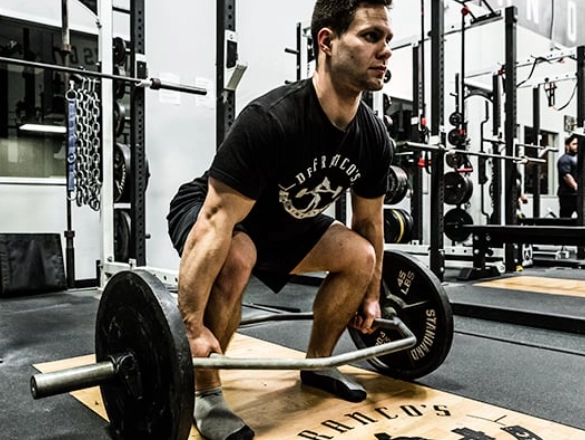
Frequently Asked Questions (The Stuff You Actually Search For)
Let's tackle some of the specific questions that pop up when people are researching this piece of equipment.
- You're not bracing your core: Even with chest support, you need to brace your abs as if you're about to be punched in the gut. This stabilizes your entire torso.
- The pad is too low: If the pad is hitting your stomach instead of your chest, your torso angle is too horizontal, putting strain on your lower back.
- You're over-arching: At the top of the movement, don't try to lift your chest off the pad or hyperextend your spine. Squeeze the back, don't arch the back.
- Too much weight: You're probably rounding your lower back to initiate the pull. Drop the weight and focus on perfect form.
Final Thoughts: Is It Worth the Hype?
After years of using it, my verdict on the T-bar lift gym machine is a resounding yes – with caveats. It's not a mandatory, must-have piece of equipment for everyone. If you have a well-equipped gym with a landmine, you can get a phenomenal T-bar row workout.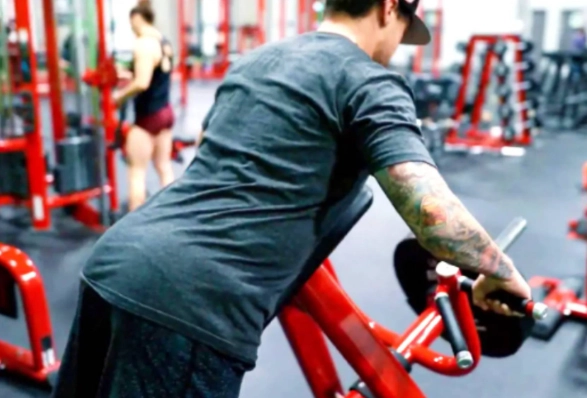
But, if you're looking for the most efficient, stable, and heavy-load-friendly way to perform this specific movement, a dedicated machine is the top tier. For commercial gyms, it's a fantastic addition. For home gym warriors with the space and budget who are serious about back development, it's an investment that pays off in results.
It won't magically give you a world-class back by itself. No single exercise will. But as a cornerstone movement in a well-rounded back program, it's incredibly effective. It taught me how to feel my back work under load in a way other rows didn't initially. It allowed me to train my back hard even when my lower back was feeling finicky. That's value you can't always measure in plates on the bar.
So, next time you see that T-bar lift gym station, don't walk past it. Give it a try. Start light, focus on the stretch and the squeeze, and build from there. Your back will thank you for it.