Skip to What Matters
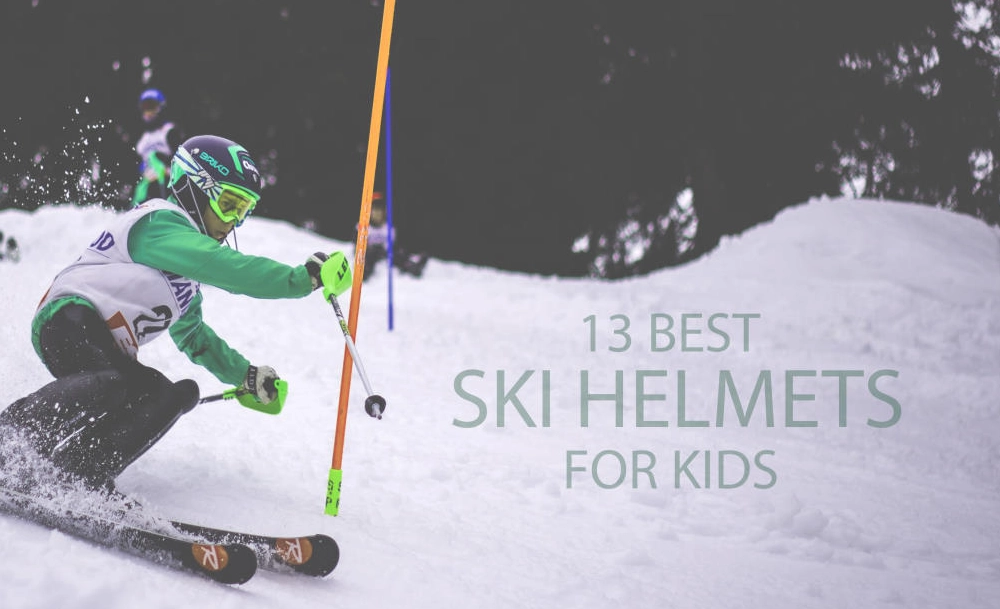
Let's cut to the chase: if your kid is skiing, they need a proper ski helmet. Not a bike helmet, not a hand-me-down from last season, but a helmet designed specifically for the slopes. I've been a ski instructor for over a decade, and I've seen too many close calls with ill-fitting gear. This guide isn't just about ticking boxes—it's about giving you the insider knowledge to make a smart choice.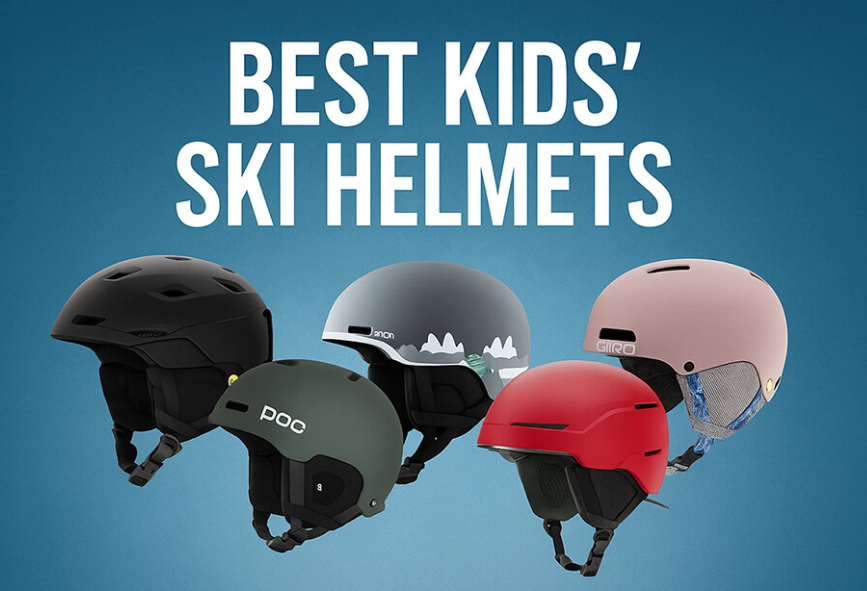
Why a Good Ski Helmet is Non-Negotiable for Kids
Kids fall. A lot. Their center of gravity is higher, and they're still learning balance. A ski helmet isn't just accessory; it's critical protection against head injuries. According to the National Ski Areas Association, helmet use has increased, but so have reports of improper fits. I remember a six-year-old in my class whose helmet slid over his eyes during a tumble. It was a minor spill, but without a secure fit, it could have been worse.
Modern kids ski helmets do more than absorb impact. They keep ears warm, reduce wind noise, and often integrate with goggles to prevent fogging. But the core job is safety. Think of it as car seat for the slopes—non-negotiable.
Step-by-Step: Choosing the Perfect Ski Helmet for Your Child
This is where most parents get stuck. You walk into a shop, see a wall of colorful helmets, and feel overwhelmed. Let's break it down.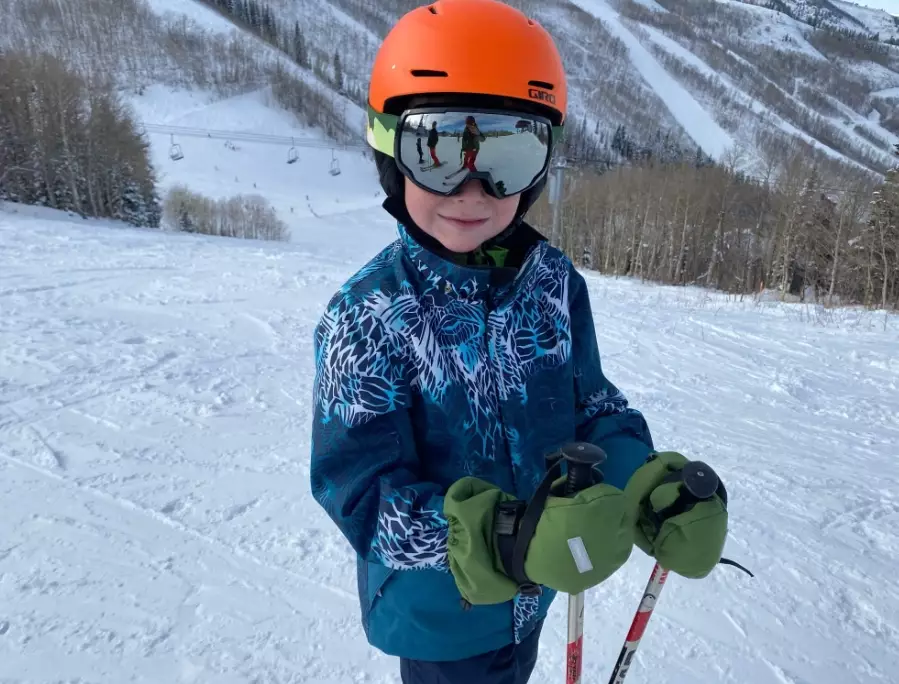
Safety Certifications You Can't Ignore
Look for two labels: ASTM F2040 (U.S. standard) or CE EN 1077 (European standard). These mean the helmet has passed rigorous tests for impact resistance and retention. Some brands add MIPS, which I'll explain later. Don't just trust marketing—check inside the helmet for the certification sticker. I've seen cheap imports without proper labels, and they're not worth the risk.
The Goldilocks Fit: Not Too Tight, Not Too Loose
Fit is everything. A helmet that's too loose will shift in a fall; too tight causes headaches. Here's my field-tested method:
- Measure your child's head circumference just above the eyebrows.
- Try the helmet on with their usual ski hat or balaclava.
- It should sit level on the head, covering the forehead without obstructing vision.
- Shake their head side-to-side and up-down—the helmet shouldn't move more than an inch.
- Check the chin strap: snug but comfortable, with enough room to fit two fingers.
Many helmets have adjustable dials at the back for fine-tuning. Use them! Kids grow fast, so a helmet with room for adjustment can last a season or two longer.
Comfort Features That Actually Matter
If a helmet isn't comfortable, your kid won't wear it. Ventilation is key—look for adjustable vents to prevent overheating. Removable liners are a bonus for washing after sweaty days. Ear pads should be soft and warm, but not so thick they muffle sound entirely. I prefer helmets with goggle clips to keep everything in place.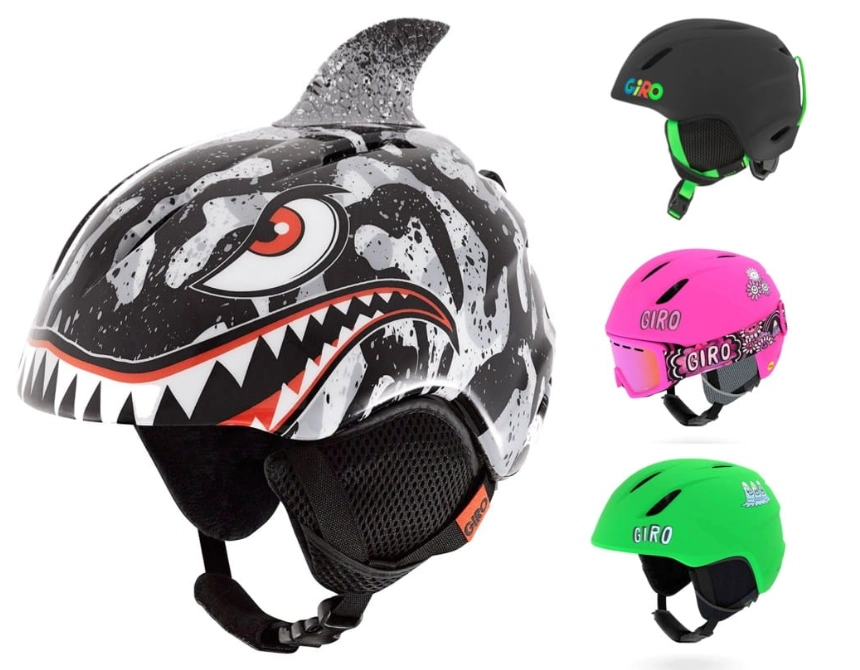
Pro tip: Have your child wear the helmet for at least 10 minutes in the store. Watch for fidgeting—if they're uncomfortable, it'll only get worse on the mountain.
Our Top Picks for Kids Ski Helmets
Based on my experience and industry reviews, here are four brands that consistently deliver. I've used these with students and my own kids.
| Brand | Key Feature | Price Range | Best For |
|---|---|---|---|
| Smith | MIPS technology, excellent ventilation | $80-$120 | All-day comfort and advanced safety |
| Giro | Adjustable fit system (like the Junior Fixture), lightweight | $70-$110 | Growing kids who need flexibility |
| POC | Superior impact protection, durable shell | $100-$150 | Aggressive young skiers or frequent falls |
| Bern | Versatile design, often with winter/summer kits | $60-$90 | Budget-conscious families or multi-sport use |
Smith helmets, for example, integrate MIPS seamlessly. I've seen kids take hard falls in them and walk away unscathed. Giro's adjustment dial is intuitive—even a five-year-old can twist it. POC is pricier, but if your child is pushing limits, it's worth it. Bern offers good value, though I've found their ventilation lacking on warmer days.
Don't just buy online unless you're sure of the fit. Visit a local shop like REI or a ski specialty store where staff can help. Some brands offer seasonal sales; I usually snag deals in spring.
5 Mistakes Every Parent Makes (And How to Fix Them)
We all make errors. Here are the big ones I've spotted over the years.
Mistake 1: Prioritizing style over safety. That sparkly helmet might catch your eye, but if it lacks proper certifications, skip it. I once convinced a parent to swap a flashy but flimsy helmet for a plain Smith model—their kid thanked me after a fall.
Mistake 2: Assuming one size fits all seasons. Kids grow. Re-measure their head every season. A helmet that fit last year might be dangerous now.
Mistake 3: Ignoring the chin strap. A loose strap is useless. Teach your child to buckle it snugly. I've seen straps so loose the helmet could fly off.
Mistake 4: Using a damaged helmet. Even a small crack compromises safety. After any significant impact, retire the helmet. I keep a "helmet graveyard" in my garage as a reminder.
Mistake 5: Forgetting about comfort. Discomfort leads to distraction on the slopes. Test helmets with all gear on.
My own blunder: I once bought a helmet without enough vents for my daughter. She overheated and wanted to quit early. Lesson learned.