Quick Guide
- The Non-Negotiables: What Your Ski Pants Absolutely Must Do
- Beyond the Spec Sheet: Fit, Features, and Feel
- Material World: Shell, Insulated, and the Hybrid Game
- Answering the Real Questions You're Searching For
- Making It Last: Care and Feeding of Your Ski Pants
- The Sustainability Angle (It's Not Just a Trend)
Let's be honest. Shopping for ski pants is about as fun as putting on wet socks. You're bombarded with numbers you don't understand—10K, 20K, Gore-Tex, HyVent, 80g insulation—and it feels like you need a degree in textile engineering just to not look like a giant marshmallow on the slopes. I've been there. I once bought a pair because they were "on sale" and spent an entire weekend in Tahoe with a damp, chilly feeling creeping up my legs. Not cool. Literally.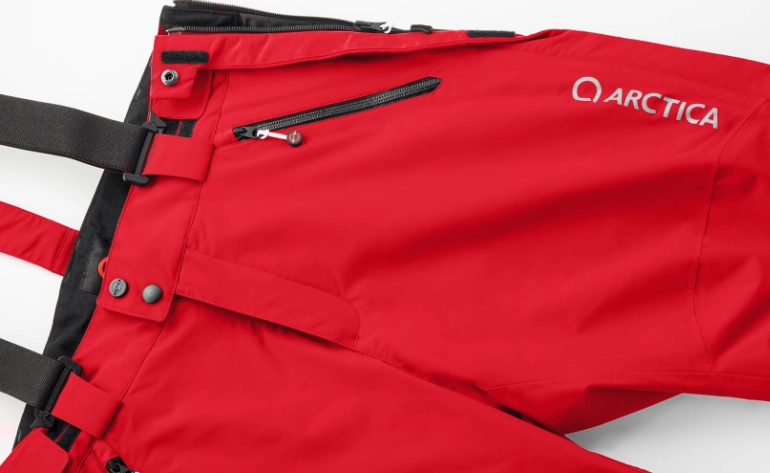
This guide is here to cut through the jargon. We're not just listing specs; we're talking about what it actually feels like to wear this stuff when the wind is howling and the snow is coming down sideways. Because the right ski pants aren't just about staying dry; they're about forgetting your gear exists so you can focus on the mountain.
The Non-Negotiables: What Your Ski Pants Absolutely Must Do
Before we get into colors and brands, let's nail down the fundamentals. If your pants fail at these, nothing else matters.
Waterproofing: The Number That Actually Means Something
You'll see a rating like 10,000mm or 20,000mm. This isn't marketing fluff. It's a standardized test (like the one defined by ASTM International) that measures how much water pressure the fabric can handle before it leaks. Think of it as the fabric's ability to hold up a column of water.
But here's the kicker—the seams. A 20K fabric is useless if the stitches aren't sealed. Look for terms like "fully sealed seams," "critically sealed seams," or "tape-sealed." This is where cheaper ski pants cut corners. I learned this the hard way; my "budget" pair had sealed seams only on the shoulders, not the seat. You can guess what happened on my first fall.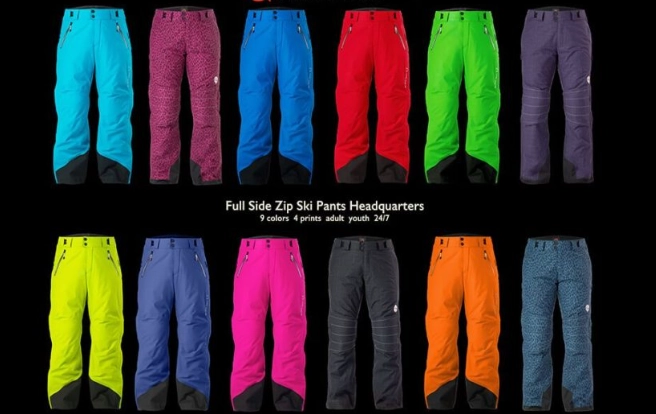
Breathability: The Secret to Not Sweating Buckets
This is the other half of the equation, measured in grams (g). A rating of 10,000g means 10,000 grams of water vapor can pass through one square meter of the fabric in 24 hours. Higher is better. You're working hard out there, and sweat needs to escape, or you'll get wet from the inside. A good balance is a 10K/10K rating for starters. For high-output skiing or warmer spring conditions, prioritize a higher breathability number.
Brands like Gore-Tex have built their reputation on mastering this balance, but their premium comes with a price. Other membranes like Polartec Neoshell or Pertex Shield are fantastic alternatives worth your research.
Insulation: Less Is Often More
This is the biggest misconception. You don't necessarily need the puffiest pants. Insulation is measured in grams per square meter (e.g., 60g, 80g, 100g).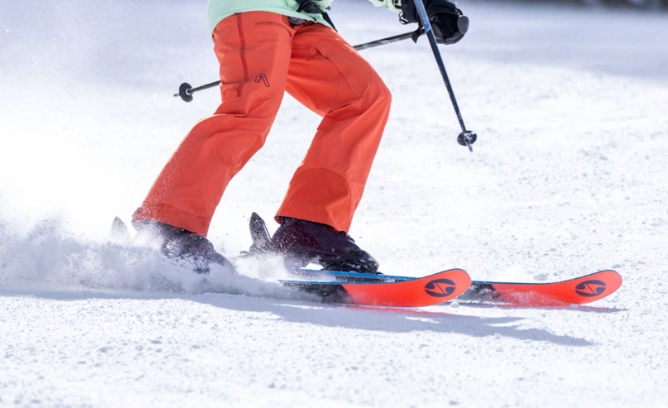
| Insulation Weight | Best For | Feeling & Flexibility |
|---|---|---|
| None / Light Lining (40-60g) | Spring skiing, high-intensity skiers, or layering pros. | Most flexible, less bulk. You control warmth with base layers. |
| Mid-weight (80-100g) | Most resort skiers in average winter conditions. | Warm without being restrictive. The safe, popular choice. |
| Expedition-weight (120g+) | Extremely cold climates, cat/heli-skiing, or if you just run very cold. | Toasty warm but can feel bulky. Mobility can be slightly reduced. |
My personal rule? I lean towards lighter insulation. It's easier to add a warm base layer on a frigid day than to overheat and sweat on a mild one. A pair of uninsulated or lightly insulated ski pants paired with a good merino wool base layer gives you incredible versatility across seasons.
Beyond the Spec Sheet: Fit, Features, and Feel
Alright, the tech talk is out of the way. Now let's get into the stuff that affects your comfort every single run.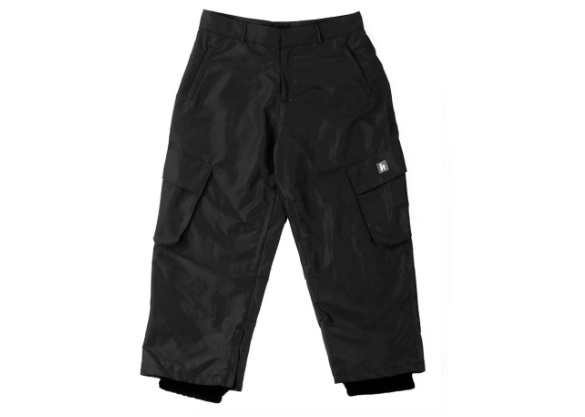
The Fit Dilemma: Slim, Regular, or Bib?
Fit is king. Get it wrong, and you'll be miserable.
- Slim/Skinny Fit: Looks great, very modern. But test your deep squat! Some are so tight they restrict movement or make layering tough. Ideal for park rats who prioritize style.
- Regular/Relaxed Fit: The workhorse. Allows for layers, offers full range of motion. This is what most people should get. It's functional, not flashy.
- Bib Ski Pants: My absolute favorite for serious snow days. The suspender-style top keeps snow out on epic falls, provides extra core warmth, and eliminates the dreaded "gap" between your jacket and pants when you lift your arms. The downside? Going to the bathroom is a whole production.
Zippers, Vents, and Pockets (Oh My!)
These small features make a huge difference in the long run.
Thigh Vents: Non-negotiable for me. Full-side zippers that open from top to bottom are gold. Overheat on a spring afternoon? Unzip and let the breeze in. They're like air conditioning for your legs.
Gaiters (aka Powder Cuffs): The inner elastic cuff that goes over your boot. It MUST have a hook or strap to connect to your boot liner. This is what stops snow from rushing up your leg during a faceplant. Check that it's sturdy.
Pockets: Think about what you carry. A secure, zippered thigh pocket for a phone? A lift ticket pass holder on the belt? Some even have goggle wipe pockets. More isn't always better—just useful.
And the main zipper. Does it feel robust or cheap and plasticky? A broken main zipper on a mountain is a day-ender.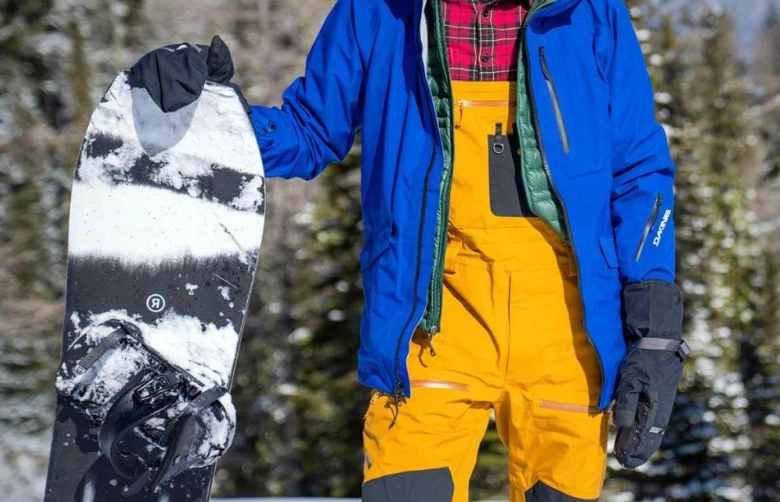
Material World: Shell, Insulated, and the Hybrid Game
What are your ski pants actually made of? This choice defines their character.
The Rugged Shell
A hardshell pant is just that—a waterproof, breathable shell with little to no insulation. It's the ultimate in versatility. You wear a base layer, maybe a fleece pant underneath, and you're set for anything. They pack down small, are highly breathable, and are favored by backcountry skiers and those who ski in variable conditions. The downside? They can feel less cozy on the chairlift on a cold morning, and they often have less inherent structure, so they can feel flimsy if you're used to insulated pants.
The Cozy Insulated
These have the insulation built right in. They're simpler—just put them on and go. They feel warmer right off the bat and often have a more substantial, comfortable feel. The trade-off is that they are less versatile across a wide temperature range and can be bulkier to pack. For the one-and-done resort skier who hates layering, this is often the right call.
The Softshell Middle Ground
Softshell ski pants are made from stretchy, woven fabrics that are highly breathable and water-resistant (not fully waterproof). They're incredibly comfortable and mobile, perfect for spring skiing, touring, or drier climates. Don't expect them to hold up in a wet, heavy snowstorm or during prolonged sitting in the snow. They're a fantastic second pair or a dedicated piece for specific conditions.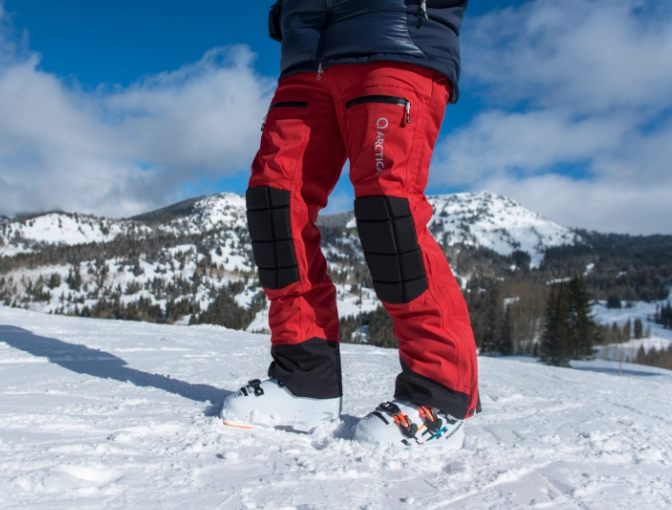
Answering the Real Questions You're Searching For
Let's tackle some specific stuff that pops up in forums and search bars all the time.
Absolutely. The requirements are nearly identical. Snowboarders might even appreciate a slightly more durable material in the seat and knees (look for reinforced panels) since they spend more time sitting down to strap in. The fit might differ slightly—snowboarders sometimes prefer a looser, more relaxed fit for that specific style, but functionally, a good pair of ski pants works perfectly for snowboarding.
This is crucial. Put your boots on when trying pants. The pant leg should fit over the boot shell, and the gaiter should snugly hook around your boot liner or inner shell to form a seal. There shouldn't be a bunch of excess material flapping around the cuff, as it can catch on bindings. The hem should sit at the middle of your boot cuff or slightly above when you're standing.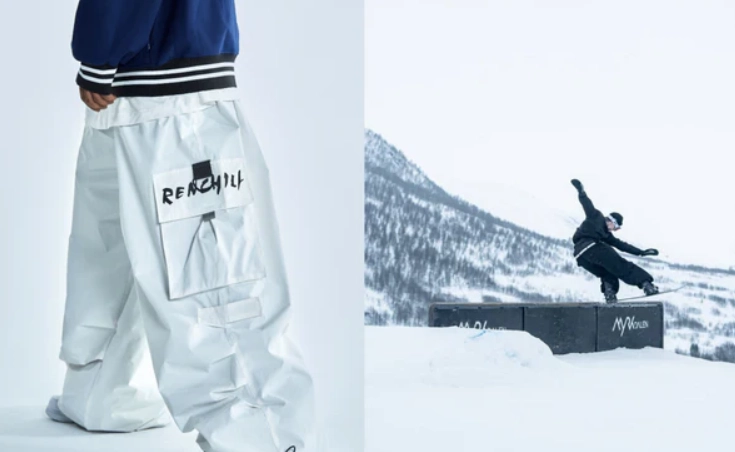
"Snow pants" is often a broader, more casual term. They might be warm and water-resistant, but they often lack the technical features of dedicated ski pants: high waterproof/breathable ratings, fully sealed seams, robust thigh vents, and proper boot gaiters. You can build a snowman in snow pants. You can confidently tackle a stormy ski day in proper ski pants.
Making It Last: Care and Feeding of Your Ski Pants
You just dropped good money on these. Don't ruin them in the wash.
First, check the label. Always. But the general rule for technical ski pants is:
- Close ALL zippers and velcro. This prevents snagging and tearing the delicate membrane.
- Wash on a gentle, cold cycle with a technical gear detergent (like Nikwax Tech Wash or Grangers Performance Wash). Regular detergent contains fabric softeners and surfactants that can clog the pores of the waterproof membrane. This is the #1 cause of "my pants aren't waterproof anymore!"
- Never, ever use fabric softener or bleach.
- Tumble dry on low heat. The gentle heat helps reactivate the DWR (Durable Water Repellent) coating on the outside of the fabric. If you air dry, you can later use an iron on a cool, no-steam setting to reactivate the DWR.
Speaking of DWR, that's the coating that makes water bead up and roll off the fabric. It wears off with time and use. When water stops beading and starts soaking in (even though the membrane underneath is still waterproof), it's time to reapply a DWR treatment. Spray-on or wash-in products from Grangers or Nikwax work great. It's like a recharge for your pants' outer defense.
The Sustainability Angle (It's Not Just a Trend)
More brands are stepping up. You'll see recycled materials (like recycled nylon or polyester), PFC-free DWR coatings (which are better for the environment), and bluesign® or Fair Trade certification. It's worth a look. A pair of ski pants is a significant piece of gear, and opting for one with a better environmental profile feels good. Brands like Patagonia and Picture Organic are leaders here, but even big players like The North Face and Arc'teryx have strong eco-focused lines.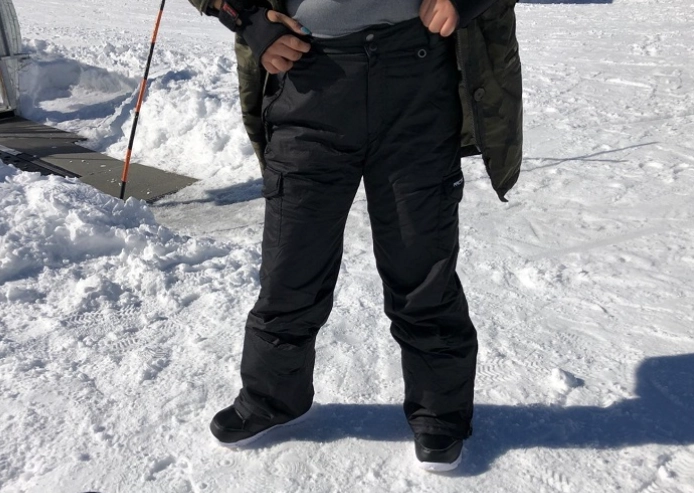
So, where does this leave you?
Forget about finding the one "best" ski pant. Focus on the best ski pant for you. Are you a fair-weather weekend warrior? A storm-chasing powder hound? A park and pipe specialist? Your answer changes the checklist.
Start with the fundamentals: get the waterproof/breathable rating right for your typical conditions. Choose a fit that lets you move. Decide on the insulation strategy that matches how you layer and how cold you get. Then, nail the details—bibs vs. pants, venting, pocket layout.
And finally, try them on with your boots and move around. Do a squat. Pretend to grab a chairlift. If you can, try them with your base layers. The right pair will disappear on you, becoming a comfortable, trusted part of your mountain kit, not a bulky, restrictive afterthought.
Now go get after it. The snow's not getting any softer.