Explore the Smith Helmet Guide
Let's talk about ski helmets. You're probably here because you've heard the name "Smith" thrown around in lift lines and gear shops, and you're wondering what the fuss is all about. Is it just the logo? Or is there something genuinely different about strapping a Smith ski helmet on your head before you drop into a run?
I've been through a few helmets in my time. The cheap, bulky ones that felt like a bowling ball. The "vented" ones that somehow still managed to fog up my goggles completely. It was frustrating, and honestly, a bit dangerous. Then I tried a Smith. It wasn't a magic bullet—no gear is—but it solved a lot of those nagging problems in a way that made me realize how much I'd been putting up with.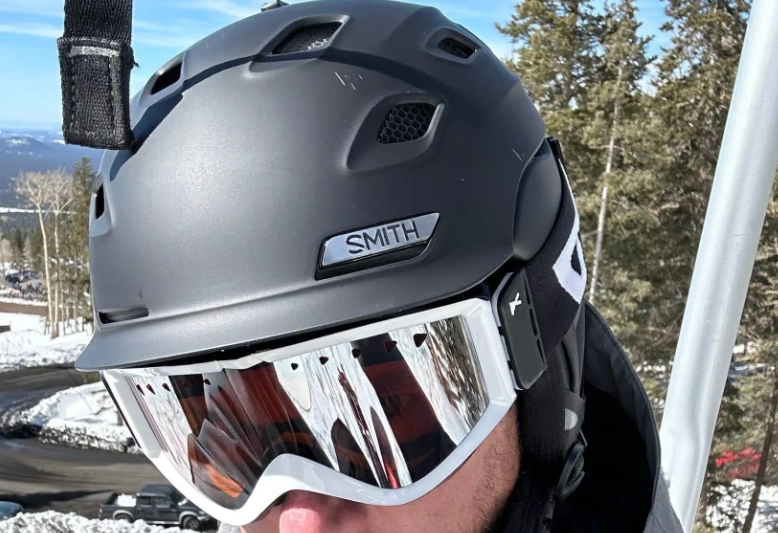
This guide isn't a spec sheet regurgitation. We're going to dig into why Smith's approach matters, break down their key technologies (ChromaPop isn't just marketing, I promise), and compare their most popular models side-by-side. By the end, you'll know exactly which Smith ski helmet, if any, is the right fit for your type of riding, your budget, and what you value most on the mountain.
Why Smith? It's More Than Just a Shell
Most helmet companies start with a foam liner and a hard shell. Smith starts with the view. They're fundamentally an optics company that decided to build helmets to perfectly pair with their goggles. This backwards approach is why their stuff often feels more... integrated.
Think about the last time you had a major wipeout. Your head probably snapped forward or sideways. That rotational force is what causes a lot of brain injuries, not just the straight-on impact. A basic helmet does little for that.
But safety is the baseline. The real Smith magic happens when you look through their lenses.
The ChromaPop Lens Technology: Seeing the Mountain Differently
Okay, let's demystify ChromaPop. Smith says it "fine-tunes specific wavelengths of light to reduce overlap in the red and green color spectrums." What does that actually mean on a flat light day when you're trying to spot a mogul?
It means contrast. Instead of the world looking like a washed-out, grey soup, you can actually see the variations in the snow. Shadows become defined. That subtle dip or roll in the terrain pops out. It's less about making colors "poppy" and more about giving your brain the visual information it needs to read the slope.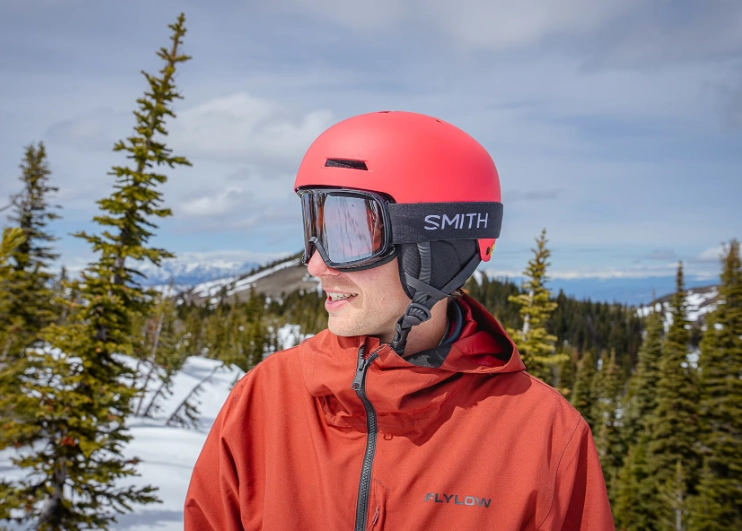
I was skeptical until I tried it. Swapping between my old goggles and a pair with ChromaPop on a cloudy day was the difference between skiing cautiously and skiing with confidence. You're not just seeing better; you're reacting faster.
And this is where the Smith ski helmet ecosystem shines. Their helmets are designed with a specific goggle interface—they call it the "Aerocore" construction on higher-end models—that creates a seamless seal with Smith goggles. No gap for snow to blast through, no weird pressure points on your forehead, and critically, much better airflow management to reduce fogging.
Breaking Down the Top Smith Ski Helmet Models
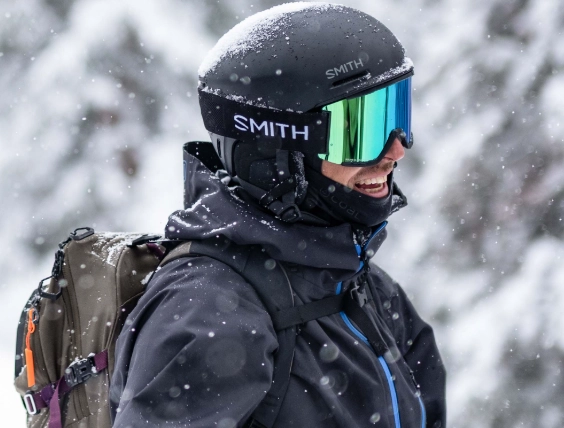
Smith's lineup can be confusing. You've got the Maze, the Holt, the Variance, the Vantage... what's the real difference? It boils down to construction, intended use, and features. Let's put them head-to-head.
I find a table helpful here to see the big differences at a glance.
| Model | Best For | Key Construction & Features | Ventilation | Weight Feel |
|---|---|---|---|---|
| Smith Maze | Budget-conscious riders, beginners, touring. | In-mold construction (lighter), basic MIPS, adjustable fit system. The entry-point into the Smith world. | Fixed vents. Does the job but not adjustable. | Light. You'll forget it's there. |
| Smith Holt | All-mountain skiers & riders who want value and performance. | A step up from Maze. Often features Koroyd coverage for impact absorption, better padding, and more refined styling. | Usually adjustable vents. Better temperature control. | Solid, protective feel without being heavy. |
| Smith Variance | Aggressive all-mountain and freeride skiers demanding top-tier protection. | Hybrid construction (in-mold + hard shell). Extensive Koroyd and MIPS integration. Bomber build quality. | Advanced, adjustable ventilation systems (like AirEvac). | Noticeably robust. You feel the protection. |
| Smith Vantage | The pinnacle for performance, weight, and breathability. Backcountry and aggressive in-bounds skiers. | Aerocore construction (carbon + Koroyd). Ultra-light, incredibly strong. Best-in-class ventilation with 21 vents. | Unmatched. The AirEvac 2 system is like having climate control for your head. | Feather-light. The gold standard for high-end feel. |
See? The Maze is your reliable Honda Civic—it gets you there safely and efficiently. The Vantage is the purpose-built rally car—light, breathable, and expensive. Most people find their sweet spot in the Holt or Variance.
My Take on Koroyd: That Weird Honeycomb Stuff
You'll see "Koroyd" all over Smith's marketing for their higher-end helmets. It looks like a bundle of tiny drinking straws. On impact, these tubes crumple in a controlled, consistent way, absorbing energy more efficiently than traditional foam. The science, backed by testing standards like ASTM F2040 for snow sports helmets, checks out.
In practice, helmets with Koroyd (like the Variance and Vantage) feel incredibly secure. There's a confidence that comes with it. The trade-off? Those open tubes can let in a bit more cold air if you're not using the vent controls, something to remember on bitter cold chairlift rides.
The Buying Guide: What to Actually Look For
Alright, so you're leaning towards a Smith. Don't just buy the prettiest one or the one on sale. Walk through this checklist.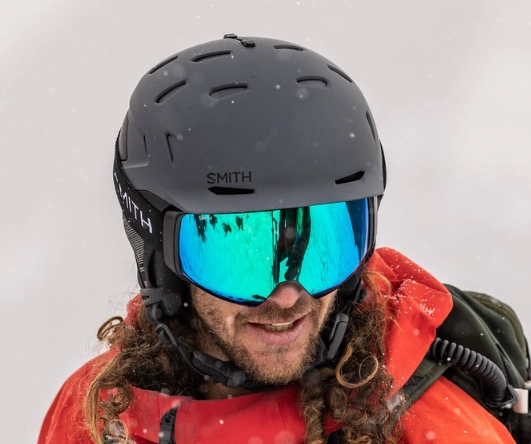
Fit is Non-Negotiable. This is the most important thing, full stop. A Smith ski helmet should fit snugly all the way around your head without pressure points. Shake your head side-to-side and up-and-down. The helmet should move with your skin, not slide over it. The fit adjustment dial in the back is for fine-tuning, not for fixing a fundamentally wrong size.
Goggle Compatibility Test. If you can, bring your goggles to the shop. Or, if you're buying online, plan to buy goggles from the same brand/era. Clip the goggle strap into the rear notch and let the goggles sit on your face. There should be no gap between the top of the goggle frame and the bottom of the helmet brow. Run your finger along the seal. A small gap might not seem like a big deal until a 30mph wind drives snow into your eyes.
Ventilation Needs. Do you run hot? Are you mostly hiking in the backcountry? Prioritize models with lots of adjustable vents (Vantage, Variance). Mostly riding lifts on cold days? The simpler venting on the Maze or Holt might be perfect and less fussy.
Audio Compatibility. Want to add speakers? Most Smith helmets have ear pad pockets designed for drop-in audio systems from brands like Outdoor Tech or Aleck. Check that the model you want has these accessible, removable pads.
Care, Maintenance, and the Expiry Date Nobody Talks About
You just dropped a couple hundred bucks on a Smith helmet. How do you make it last?
- Clean it gently. Wipe the shell with a damp cloth. For the interior pads, remove them (if possible) and hand-wash them in lukewarm water with mild soap. Let them air dry completely. Never use harsh chemicals or submerge the helmet.
- Store it right. Don't leave it in a hot car trunk. UV exposure and extreme heat can degrade the materials over time. Keep it in a cool, dry place.
- The 3-5 Year Rule. This is the uncomfortable part. Even if you never crash, the materials in the foam liner degrade. Sweat, UV light, and temperature cycles take their toll. Most manufacturers, including Smith, recommend replacing your helmet every 3 to 5 years of regular use. A significant impact means replace it immediately, even if it looks fine.
It feels wasteful, I know. But your brain is worth the investment. Think of it as a subscription to safety.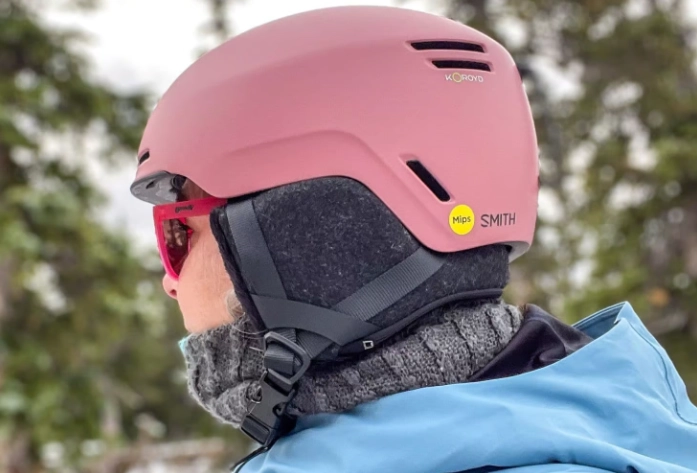
Common Questions About Smith Ski Helmets (The Stuff You Actually Search)
After all this, I landed on the Smith Variance. The Vantage was incredible, but for my mix of resort skiing and the occasional side-country hike, the Variance offered that bomber Koroyd/MIPS protection and great ventilation at a price that didn't make me wince. The Maze felt a bit too basic for my liking, and the Holt was a close second. The Variance just felt like it matched the way I ride.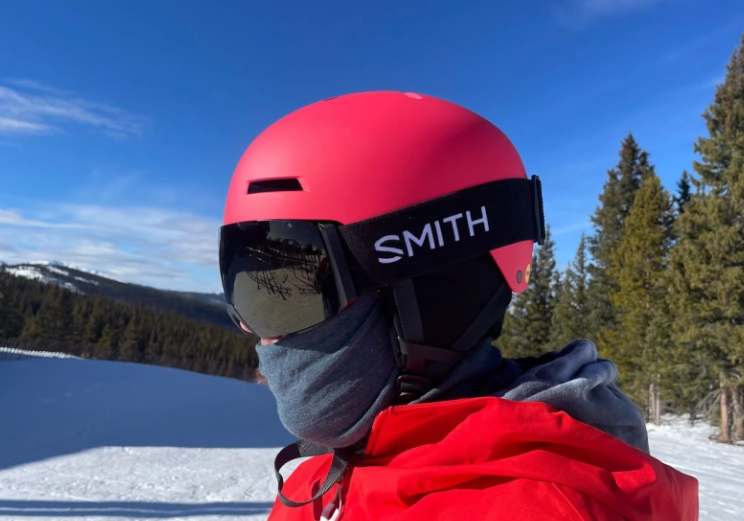
Look, no helmet is perfect. Some people find the Smith fit too oval, or they don't like the look. That's fine. The important thing is that you get a helmet that fits you perfectly, is certified for skiing/snowboarding, and you wear it every single run. If a Smith ski helmet's integrated approach to vision and safety helps you do that, then it's a fantastic choice. If another brand fits you better, go with that. Your head will thank you either way.
Spend time trying them on. Think about how you actually ski. And don't forget to check that goggle fit. See you on the mountain.