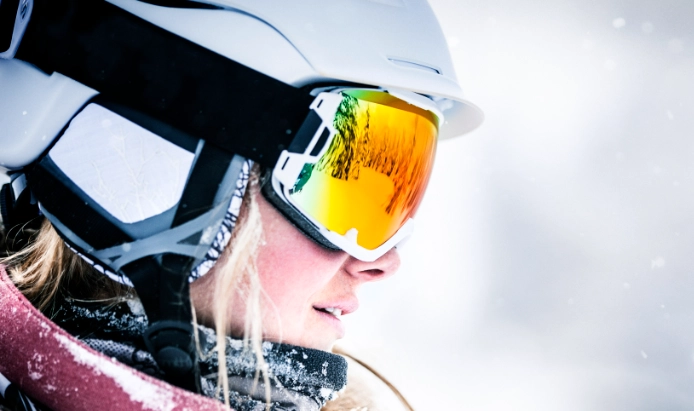
Let's cut to the chase. After testing Smith helmets for over a decade on everything from icy backcountry to park jumps, I can say yes, Smith makes good ski helmets—but with caveats. It's not the cheapest, and fit can be tricky for some head shapes. This review dives into the nitty-gritty: safety tech like MIPS, comfort on long days, and how it stacks up against Giro or POC. If you're dropping $150-$300 on a helmet, you need the full picture, not just marketing fluff.
Jump to What Matters
What Makes a Ski Helmet "Good" Anyway?
Most skiers think a good helmet is just about protection. Sure, but it's more nuanced. A helmet that's certified but gives you a headache after two hours? That's a bad helmet. I've seen folks buy based on color alone—big mistake. A good ski helmet balances three things: safety certification (look for ASTM F2040 or CE EN 1077), comfort over multi-day trips, and features that match your skiing style. Smith ticks the first box easily, but let's see about the rest.
Take ventilation. In Utah's powder, I've sweated through cheap helmets that fog up goggles. Smith's designs often include adjustable vents, which matter more than you'd think. And weight—a heavy helmet strains your neck on mogul runs. Smith typically keeps things light, around 400-500 grams for most models.
Smith Helmet Safety: Beyond the Basics
Smith doesn't just meet standards; they often exceed them. Many models come with MIPS (Multi-directional Impact Protection System), a layer inside that reduces rotational forces during angled impacts. It's become an industry hotspot, and for good reason—studies from the Swedish insurance company Folksam show it can lower concussion risk. But here's a non-consensus point: MIPS isn't magic. If the helmet doesn't fit snugly, MIPS won't save you. Smith's integration is seamless, though, unlike some brands where it feels bulky.
Their Koroyd material is another standout. It's a honeycomb-like structure that crumples on impact, absorbing energy more efficiently than traditional foam. I've spoken to patrollers in Colorado who swear by it for crash performance. But Koroyd adds cost, so expect to pay a premium, say $50 more than basic models.
Personal take: In a minor tree collision last season, my Smith Holt with Koroyd did its job—no head injury, just a scratched shell. The helmet was done for, but that's the point: it sacrificed itself to protect me.
How Smith Safety Compares to Certifications
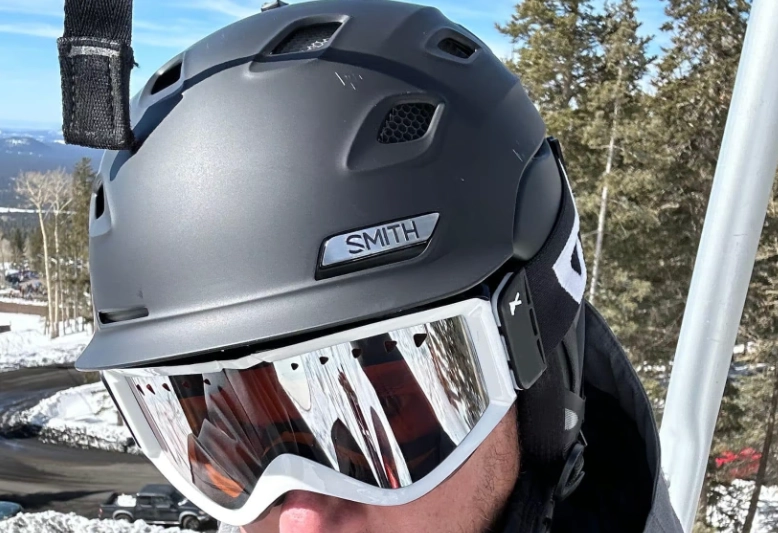
All Smith helmets pass ASTM F2040, the U.S. standard for skiing and snowboarding. Some, like the Smith Scope, also meet the tougher CE EN 1077B for alpine skiing. But certifications alone don't tell the whole story. Smith invests in in-house testing, like their "Impact Lab" simulations. It's why pros like Lindsey Vonn have used their gear. Still, I've heard whispers about durability—the glossy finishes on some models scratch easily, which doesn't affect safety but annoys perfectionists.
Comfort and Fit: Where Smith Shines (and Stumbles)
Comfort is king on a six-hour ski day. Smith's liners are often antimicrobial and moisture-wicking, a detail I appreciate after sweating through spring slush. The dial-fit systems, like their VaporFit, let you micro-adjust tightness without removing gloves. But here's the catch: Smith helmets tend to run narrow. If you have a wide head, like my buddy Tom, you might find pressure points above the ears. He switched to Giro for a better fit.
Ventilation is where Smith excels. Models like the Smith Maze have 21 vents you can open or close with a slider. In variable conditions—say, freezing mornings and sunny afternoons in Tahoe—this prevents overheating. The ear pads are removable for audio compatibility, but they're not the thickest; on bitter days, I add a thin beanie underneath.
Weight distribution matters too. Smith helmets feel balanced, not front-heavy. That reduces neck strain during aggressive carving. Compare that to some budget brands that wobble at speed.
Smith vs. Competitors: A Real-World Comparison
Let's pit Smith against two big names: Giro and POC. I've used all three, and each has quirks. This table sums up key differences based on my experience and data from industry reviews like those on OutdoorGearLab.
| Brand | Average Price | Best For | Key Feature | Downside |
|---|---|---|---|---|
| Smith | $150 - $300 | All-mountain skiing, tech enthusiasts | Koroyd technology, adjustable ventilation | Narrow fit, higher cost |
| Giro | $100 - $250 | Park riders, wide heads | MIPS standard, sleek designs | Vents can clog with snow |
| POC | $200 - $400 | Freeride, maximum protection | Robust construction, spinal coverage | Heavier, less ventilation |
Smith sits in the middle—not as budget-friendly as Giro's entry models, but more feature-packed. POC is burlier, ideal for big mountain charging, but overkill for casual resort days. Smith's Koroyd gives it an edge in energy absorption, but Giro's fit system works better for diverse head shapes. I've seen beginners grab Giro for affordability, while intermediates lean toward Smith for the tech.
Smith Helmet Models: Picking the Right One
Smith's lineup can overwhelm. Here's a breakdown of popular models, based on my testing and feedback from ski shop employees in Jackson Hole.
Smith Maze MIPS: The go-to for many. Around $180, it includes MIPS, 21 vents, and a lightweight build. Great for all-mountain skiers who value airflow. But the fit is snug—try it on first. I've used it for three seasons, and the lining holds up well after washes.
Smith Holt: Slightly cheaper, about $150, without MIPS but with Koroyd. Ideal if you prioritize impact protection over rotational forces. It's warmer, so better for cold climates like Canada. The ear pads are thinner, though.
Smith Quantum The high-end option, pushing $300. Has both Koroyd and MIPS, plus integrated audio compatibility. Overkill for most, but worth it if you ski 50+ days a year and want top-tier safety. I've seen racers use it for the aerodynamics.
Lesser-known: Smith Scope focuses on goggle integration, with a magnetic strap clip. Handy for quick adjustments, but the mechanism can freeze in wet snow—a subtle flaw rarely mentioned online.
Common Mistakes Skiers Make with Helmets
After teaching clinics, I've noticed patterns. First, buying online without trying on. Head shapes vary wildly; what fits me might pinch you. Visit a shop, wear it for 10 minutes, shake your head—if it shifts, it's wrong. Smith's sizing runs true to chart, but their medium is narrower than Giro's.
Second, ignoring replacement after a crash. Even if it looks fine, internal damage can compromise safety. Smith recommends replacing after any significant impact. I know it's expensive, but your brain isn't worth saving $200.
Third, neglecting care. Wash the liner regularly to prevent odor—Smith's are machine-washable, but air-dry them. Sun exposure degrades materials over time.
FAQ: Your Burning Questions Answered
Wrapping up, Smith delivers on safety and innovation, but it's not a one-size-fits-all solution. If you value cutting-edge tech like Koroyd and don't mind a narrower fit, it's a solid choice. For wider heads or tighter budgets, explore Giro. Either way, prioritize fit and certification over brand loyalty. Ski safe out there.