That moment of truth at the airport baggage drop. You heave your ski bag onto the scale, watching the numbers climb. The agent gives it a look. You're mentally calculating fees, but more than that, you're picturing your prized skis bouncing around in the cargo hold. I've been there. After over a decade of flying to ski destinations from the Alps to the Rockies, I've had my share of close calls and learned the hard way. This isn't about generic advice. It's the condensed, practical system I use to make sure my gear gets there safely, without breaking the bank or my spirit.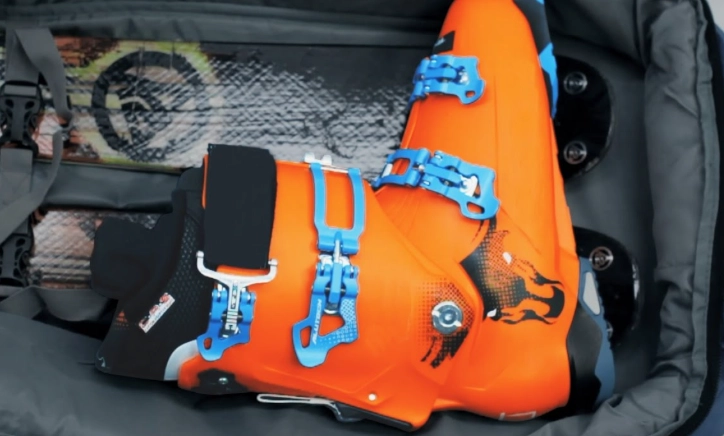
What You'll Learn Inside
Picking the Right Bag: It's Not Just a Sack
Most people buy the first bag that fits their skis. That's the first mistake. Your bag is your primary defense system. Think of it as a mobile closet, not just transport.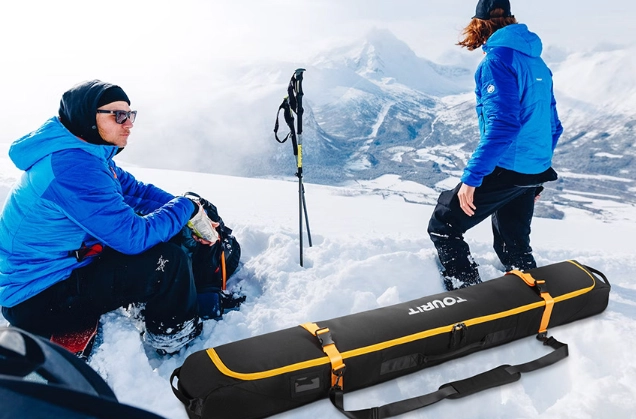
The big debate: wheels or backpack straps? I've used both extensively.
| Feature | Wheeled Ski Bag | Backpack/Shoulder Bag |
|---|---|---|
| Best For | Airports with long walks, travelers who pack heavy. | Mixed transport (train/bus), tighter spaces, keeping hands free. |
| The Catch | Wheels and frame add weight (3-5 lbs), which counts against your limit. The frame can press against skis if not packed well. | Can get brutally heavy to carry over distance. Less protection on the bottom if you drag it. |
| My Pick | For 95% of flyers, especially with a connecting flight in Denver or Munich. | For Euro trips involving trains, or if you're very weight-conscious. |
Look for a bag with at least 600D polyester fabric. The cheap 300D stuff will tear. Double-stitched seams are non-negotiable. A full-length zipper with two sliders lets you open it like a suitcase, which is a game-changer for packing and unpacking.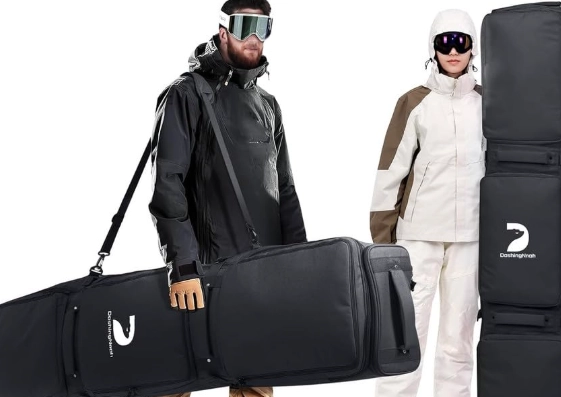
Here's a subtle point everyone misses: internal compression straps. These are little fabric loops with buckles inside the bag. You strap your skis down to them. This stops the skis from sliding around and hammering the ends of the bag on every conveyor belt impact. If your bag doesn't have them, you can mimic it with webbing straps.
The Bulletproof Packing Method (Step-by-Step)
Packing a ski bag isn't about throwing gear in. It's about engineering a rigid, padded unit. The goal is to make it so the baggage handlers could (theoretically) play catch with it and your skis would be fine.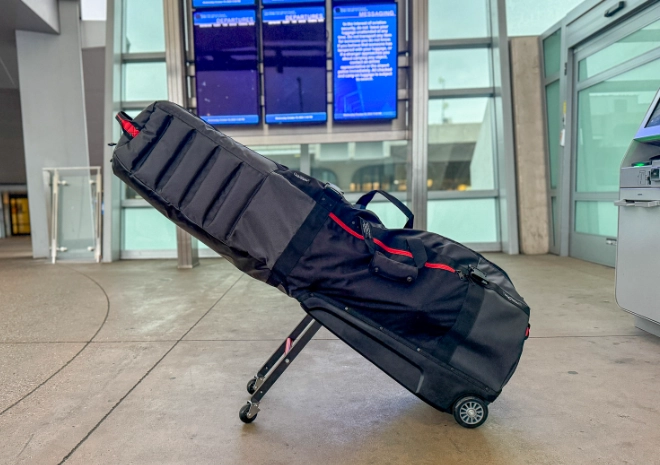
Step 1: Gather Your Armor (The Supplies)
You need more than just skis and clothes.
- Pipe Insulation Foam: The foam tubes from the hardware store, split down one side. Get the 1-inch thick stuff. This is for your ski edges and tips.
- Foam Tubing or Pool Noodles: For protecting your bindings.
- Duct Tape or Heavy Packing Tape: To secure the foam.
- Your Bulkiest Ski Clothes: Ski pants, jacket, mid-layers, helmet (in its own bag).
- Stiff Cardboard or a Thin Plastic Sheet: Optional, for the bottom of a soft bag to prevent punctures.
Step 2: Protect the Vulnerable Points
Bindings are the most fragile and expensive part. Take the foam tube or a section of pool noodle, slice it open, and wrap it around the toe and heel pieces of each binding. Tape it snug. This prevents any impact from cracking the binding housing.
Next, take the pipe insulation foam. Wrap it around the steel edges of your skis, especially at the tips and tails. Don't just do the tips; a dropped bag can land on the middle of the ski. Tape it every 8-10 inches. This stops the edges from cutting through the bag or your other gear.
Step 3: The Layering Strategy
Lay the bag flat, fully unzipped. Place your stiff cardboard or plastic sheet on the bottom if using.
- Bottom Layer (Cushion): Lay down your ski pants, jacket, and other soft items. Create a padded runway.
- The Core: Place your skis (bindings facing up) in the center. If you have poles, strap them alongside the skis. Use the internal compression straps to secure everything tightly. The goal is zero movement.
- Top & Side Layer (More Cushion): Pack your remaining clothes around the sides and on top of the skis. Fill every void. Your helmet, wrapped in a sweater, makes a perfect filler for the tip or tail area.
Zip it up. It should feel firm, like a mattress, not loose and floppy.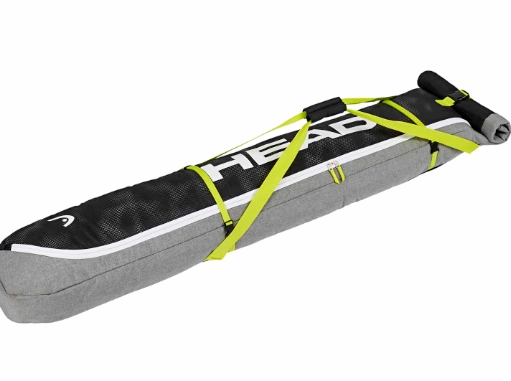
Pro Move: I always pack my ski boots in my carry-on. It's the one piece of gear you absolutely cannot ski without if your checked bag gets lost. They're heavy, but it's worth the peace of mind. Plus, it lightens your ski bag significantly.
Navigating Airline Rules & Fees Like a Pro
This is where anxiety peaks. Airline policies are a minefield, but you can navigate them.
First, understand the typical framework in North America: Your ski bag + boot bag often count as one checked item, provided they are under the combined weight limit (usually 50 lbs total). This is a huge benefit. In Europe, it's more variable, often treated as one special sports item.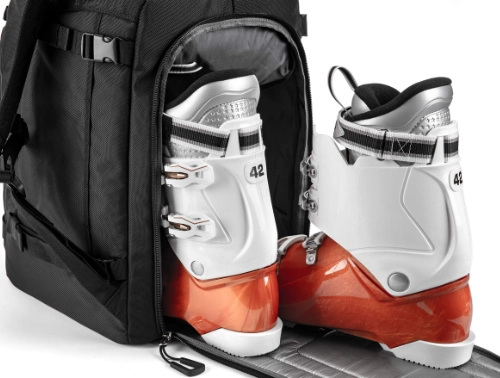
You must, must, check your specific airline's "sports equipment" page the week before you fly. Don't rely on Google summaries from six months ago. Policies change. Look at Delta, United, and Air Canada's sites directly for the most accurate info.
The Weight Game: Invest in a handheld luggage scale. Weigh your packed bag at home. My target is 47-48 lbs. That gives me a 2-3 lb buffer for scale variance. If you're over, your heaviest items are boots (now in your carry-on, right?), bindings (fixed), and clothes. Wear your bulky jacket on the plane or shift some layers to your other luggage.
At check-in, be polite and clear. "I have one ski bag and one boot bag to check as my sports equipment allowance." Have the airline's policy page open on your phone just in case. I once saved $100 in Denver because the new agent tried to charge me for two bags. A quick, friendly reference to their website sorted it.
Last-Minute Checks & Pro Tips
A few final thoughts that make the difference between a good trip and a great one.
- Tag It, Inside and Out: Put a durable luggage tag on the outside. Then, put a copy of your itinerary and contact info inside the bag, in a clear plastic sleeve. If the outer tag gets ripped off, they can still identify it.
- Consider an AirTag or GPS Tracker: The single best $29 I've spent on travel gear. Dropping one in your ski bag lets you see it left the airport, is on the carousel, or is sitting lonely in another city. It eliminates the "where is it?" panic.
- Take a Photo: Before you zip it up, take a photo of your perfectly packed skis and gear. If anything is damaged, this is proof it was packed securely.
- The Carousel Shuffle: Oversize bags usually come out on a separate belt. Ask the baggage agent where that is when you land. Don't stand at the main carousel for 45 minutes wondering where it is.
Flying with skis doesn't have to be a horror story. With the right bag, a strategic packing method, and a clear understanding of the rules, you can shift your focus from worrying about your gear to the first tracks you're about to make. It becomes just another part of the journey.