Guide Overview
- The Mindset Shift: It's Not Just About Skiing Better
- Step 1: The Non-Negotiables – Gear and Education
- Step 2: Building Your Skills – On and Off the Snow
- Step 3: Choosing and Using Your Gear
- Step 4: Finding Your First Terrain
- Common Questions for the Nervous Beginner (FAQ)
- Putting It All Together: A Sample Beginner Day Plan
- The Real Reward
Let's be honest. You've been riding the resort lifts, carving groomers, and maybe even hitting the park. But your eyes keep drifting to those untouched lines beyond the boundary ropes. The perfect, fluffy snow that nobody has touched. That quiet, vast space where it's just you and the mountain. That's the call of freeride skiing.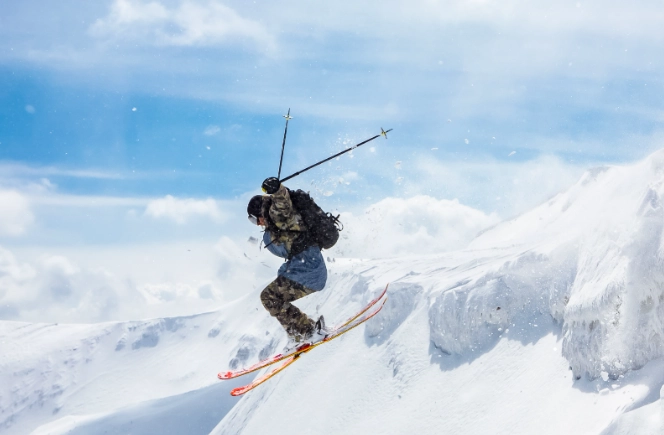
And it's terrifying.
The idea of leaving the safety of the ski patrol and marked trails can feel overwhelming. Avalanches? Getting lost? Special gear? It's a lot. I remember staring at the backcountry gate at my local hill for an entire season before I finally mustered the courage to go through it. My heart was pounding, and I was probably over-equipped and under-skilled. But that first run in real powder, away from the crowds, was a feeling I'll never forget. It's why I'm writing this.
This guide is for you—the curious resort skier. We're going to break down freeride skiing for beginners into manageable, non-scary pieces. No jargon, no bravado. Just the straight talk on how to start safely, smartly, and without breaking the bank (or any bones).
The Mindset Shift: It's Not Just About Skiing Better
This is the biggest hurdle. In the resort, the primary risk is crashing into something or someone. Out there, the mountain itself is the hazard. Your mindset needs to shift from "where's the fun line?" to "what are the risks on this slope?"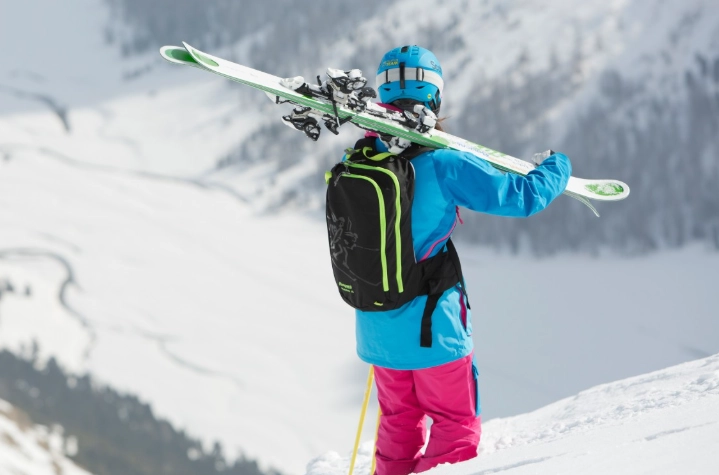
It sounds less fun, but it's what unlocks the real adventure. You become a decision-maker, not just a passenger. This responsibility is the core of the sport. If that doesn't appeal to you, freeriding might not be your thing—and that's perfectly okay. Stick to the in-bounds powder days; they're awesome too.
But if the idea of planning your own line, assessing the snow, and earning your turns gets you excited, then read on.
Step 1: The Non-Negotiables – Gear and Education
You can't talk about freeride skiing for beginners without starting here. This isn't like buying a new pair of goggles. This is safety equipment.
The Holy Trinity of Safety Gear
You need these three items, and you need to know how to use them. No exceptions.
- Avalanche Transceiver (Beacon): This transmits a signal so your partners can find you if you're buried. You must wear it on your body, under your outer layer, set to TRANSMIT. Practice with it constantly.
- Shovel: A strong, metal-bladed collapsible shovel. Plastic ones can break in hard avalanche debris. This is for digging out your friend, fast.
- Avalanche Probe: A long, collapsible pole to pinpoint a buried victim's location after your beacon gets you close.
Renting this gear for your first few trips is a fantastic and economical option. Most shops near good backcountry areas rent full kits.
The Avalanche Education Imperative
Gear is useless without knowledge. An AIARE 1 course (or its equivalent in your country, like AST 1 in Canada) is the absolute baseline entry point. It's a 3-day course that teaches you how to:
- Understand avalanche forecasts and terrain.
- Use your beacon, shovel, and probe effectively.
- Make basic trip plans and travel decisions in the backcountry.
It's not a guide certification. It won't make you an expert. But it will give you the foundational language and skills to start learning safely. Find a course through a reputable provider like the American Institute for Avalanche Research and Education (AIARE) or a local mountain guide service.
Seriously, this is the most important investment you'll make. More important than new skis.
Step 2: Building Your Skills – On and Off the Snow
You don't need to be an expert skier to start freeriding, but you do need a solid foundation. The backcountry is not the place to learn how to turn.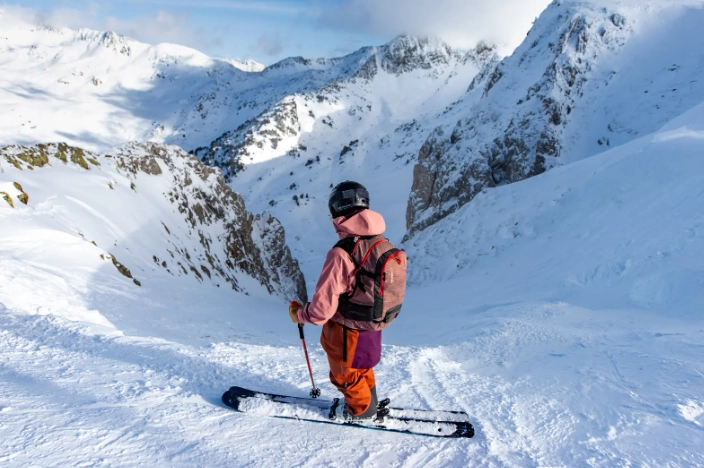
In-Bound Fitness and Skill Prep
What should you work on in the resort first?
- Powder Skiing: Find the deepest, heaviest snow in the resort and practice. Get comfortable with a more centered stance, letting your skis float. If you're fighting the snow in-bounds, you'll struggle out-of-bounds.
- Variable Conditions: Seek out the crud, the chopped-up powder, the ice patches. Freeride terrain is rarely perfect. You need to be able to handle surprises underfoot.
- Side-slipping and Controlled Descents: Can you descend a steep, narrow chute in control, even if you can't make formal turns? This is a crucial safety skill for managing tricky terrain.
- Fitness: This is huge. If you're exhausted after three resort runs, backcountry will crush you. It's 90% uphill travel. Start hiking, skinning on a local hill, or using the stairmaster. Strong legs and good cardio are your best friends.
Your First Foray: The Side-County
The best way to dip your toes in is via "side-country" or "slackcountry." This is terrain accessible from a resort lift but outside its official boundary and avalanche control area.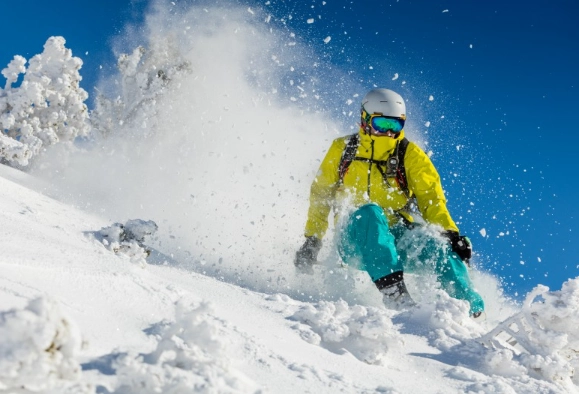
How to do it safely:
- Go with a Mentor: Find an experienced friend who knows the zone. Your first time should NOT be with other beginners.
- Check the Forecast: Use resources like the Avalanche.org state-by-state forecast directory to find the local avalanche forecast. Read it together and understand the danger rating and problem.
- Stick to Low-Angle Terrain: For your first time, aim for slopes under 30 degrees. This is generally below the critical angle for most avalanches. Use a slope angle app on your phone (like CalTopo or Gaia GPS) to measure.
- Have an Exit Plan: Know how you're getting back to the resort. Is it a short hike out? Does it require a car shuttle?
Step 3: Choosing and Using Your Gear
Once you're committed to the education and skill-building, you can think about your own setup. The gear for freeride skiing for beginners is specialized, but it doesn't have to be the most expensive.
| Gear Category | What to Look For (Beginner Focus) | My Personal Take / Pitfall to Avoid |
|---|---|---|
| Skis | All-mountain skis, 95-105mm underfoot. Don't go ultra-wide yet. You want a ski that's good in powder but still manageable on harder snow. Look for some rocker in the tip for float. | I made the mistake of buying 120mm powder boards for my first season. They were a nightmare on anything that wasn't deep blower. A versatile all-mountain ski is a much smarter first purchase. |
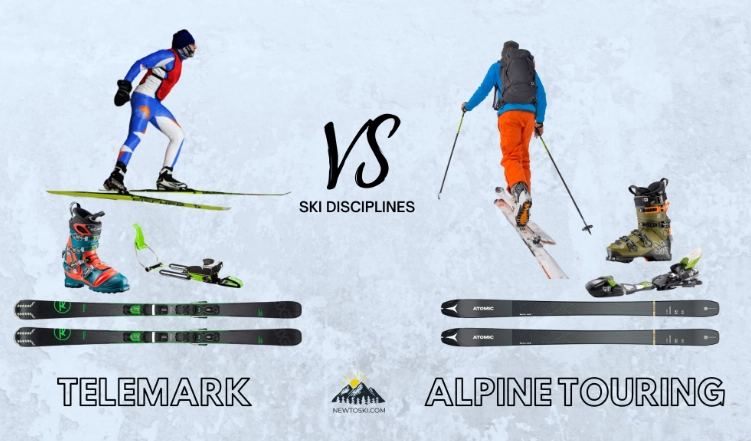
| Boots | A comfortable, well-fitting alpine touring (AT) boot or a hybrid "crossover" boot. It must have a walk mode for the uphill and tech/Dynafit fittings for the bindings. | Fit is king. A boot that hurts in the resort will be torture on a 3-hour skin track. Spend time here. A hybrid boot (like the Salomon Shift or Atomic Hawx Ultra XTD) is great for beginners who will still ski resorts a lot. |
| Bindings | Frame bindings (heavier) or hybrid bindings (like the Shift) are forgiving starters. Pure tech bindings are lightweight but have a steeper learning curve for entry/exit. | Frame bindings get a lot of hate for their weight, but for a beginner doing short side-country laps, they're simple, reliable, and let you use your regular alpine boots. Don't let gear snobs talk you out of a practical solution. |
| Skins | Nylon or nylon-mix skins. Cut to fit your specific ski model. Practice putting them on and taking them off at home in the warm. | Getting skins glued together into an unusable ball is a rite of passage. It will happen. Have a skin savior (a plastic sheet) and keep them in their bag neatly. The glue is sensitive to heat. |
| Pack | A 25-35L backpack with dedicated avy tool pockets (shovel/probe compartment), ski carry straps, and hydration sleeve. | Organization matters. You need to access your shovel and probe in seconds. Practice getting them out blindfolded. A cluttered pack costs time in an emergency. |
See? Not so complicated. You can often find great deals on previous season's models for all this stuff.
Step 4: Finding Your First Terrain
So you've taken a course, you've got your gear (or rented it), and you're feeling ready. Where do you actually go?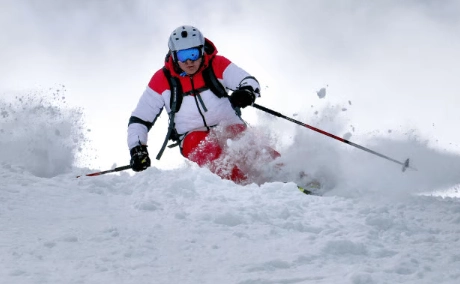
The key is low-angle, simple terrain. Your goal isn't to huck off cliffs. It's to experience the process: skinning up, transitioning, making conservative decisions, and skiing down in a controlled environment.
Look for:
- Popular, Well-Established Beginner Routes: These are like hiking trails for skiers. They have a clear path, a known slope angle, and you'll often see other parties. Examples include areas around Berthoud Pass in Colorado or the Mt. Baker Ski Area backcountry in Washington. Local guidebooks and websites are goldmines for this info.
- Forest Service Roads or Low-Pass Roads: In spring, these can offer long, gentle slopes with safe run-outs. The skin up is straightforward, and the skiing is forgiving.
- Resort Uphill Routes: Many resorts now allow uphill travel on designated routes before or after operating hours. This is a fantastic, zero-avalanche-risk way to practice skinning, transitions, and fitness on groomed slopes.
Use mapping tools. I live on Caltopo.com. You can overlay slope angle shading to easily identify those safe sub-30 degree zones. Plan your route, share it with someone who's not going, and stick to it.
Common Questions for the Nervous Beginner (FAQ)
Let's tackle the stuff that keeps you up at night.
How fit do I really need to be?
Fitter than you think. A good benchmark: can you hike uphill at a moderate pace for 2-3 hours with some breaks? If that sounds dreadful, hit the gym. The uphill is the majority of the day. Being fit makes everything safer and more enjoyable—you make better decisions when you're not gasping for air.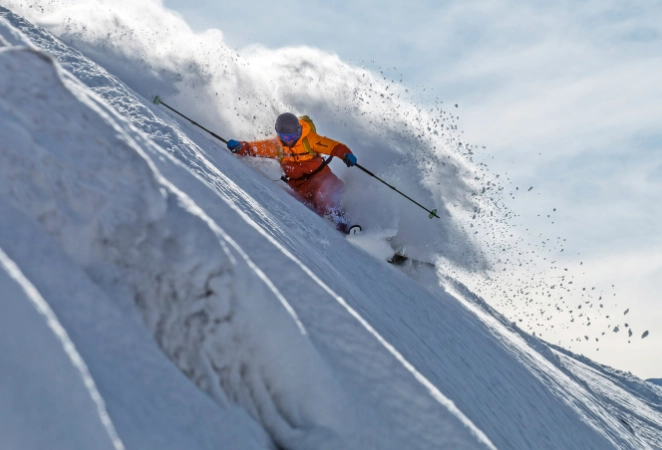
Is it okay to go alone as a beginner?
No. Full stop. Even on "safe" terrain, a simple twisted knee or broken binding can become a serious survival situation if you're alone. The backcountry buddy system is non-negotiable. Plus, you learn so much more from partners.
What's the biggest mistake beginners make?
Getting "summit fever" or "powder fever." Ignoring clear warning signs (like recent avalanches, shooting cracks in the snow) because you're so close to the top or the snow looks too good to pass up. The mountain will always be there. Knowing when to turn around is the mark of a good backcountry traveler, not a weak one.
Can I use my regular resort skis and boots?
For side-country where you're only hiking a short distance? Maybe, if you're willing to carry your skis on your pack and hike in heavy boots. For any real skinning, you need the proper touring equipment. Hiking in alpine boots is miserable and inefficient.
How do I find partners if I don't know anyone experienced?
This is a great question. After your AIARE 1 course, connect with classmates. Join local backcountry ski Facebook groups or clubs (like The Mountaineers in the Pacific Northwest). Be honest about your experience level: "New AIARE 1 graduate looking to practice in low-angle terrain." The community is generally welcoming to safe, honest beginners.
Putting It All Together: A Sample Beginner Day Plan
Let's make this concrete. Imagine a bluebird spring day with a "Low" avalanche danger forecast.
- The Night Before: Check the avalanche forecast and weather (wind, temperature). Plan your route on CalTopo, identifying a gentle south-facing slope that gets sun. Pack your bag: gear, food, water, extra layers. Tell your roommate your plan and expected return time.
- Morning of: Meet your partner in the trailhead parking lot. Do a beacon check. Everyone turns transceivers to SEND, then walks 50 feet apart to ensure they're transmitting. Then, one person switches to SEARCH to confirm they can find the others. This is ritual.
- The Approach: Skin up your planned route. Talk, observe the snow, look for any signs of instability. Take breaks. Enjoy the quiet.
- At the Top: Before descending, do a final transition. Pack away your skins, secure your pack, put on your puffy jacket for the stop. Look at your descent line. Pick safe islands (spots where you can stop out of avalanche runout paths).
- The Golden Rule of Travel: Go one at a time. One person skis to a safe island while the other watches from a safe spot. Only expose one person to the slope at a time. This is how you manage residual risk.
- Back at the Car: Debrief. What went well? What would you do differently? Celebrate a safe, successful first day of freeride skiing for beginners.
It's a process. It's methodical. And that's the beauty of it.
The Real Reward
Freeride skiing for beginners isn't about epic lines for Instagram. It's about unlocking a new way to be in the mountains. It's about the satisfaction of earning your turns, the deep silence of a snowy forest, and the camaraderie of a small team making smart decisions together.
The powder is just a bonus.
It will challenge you, scare you a little, and make you incredibly tired. But it will also give you a sense of freedom and self-reliance that resort skiing rarely matches. Start slow, respect the mountain, and the rest will follow. That untouched line you've been eyeing? It's waiting for you to be ready.
Now get out there, and be safe.