Let's be honest, most skiers and snowboarders glide over that perfect corduroy snow without a second thought about what made it possible. We just enjoy the ride. But behind every smooth slope, every well-defined trail in a cross-country network, and every safe snowmobile path, there's a machine – and a skilled operator – working through the night. That machine is a snow groomer, often called a snowcat (though that's technically a brand name, like Kleenex for tissues). I remember the first time I saw one up close at a small mountain resort; it was bigger, more complex, and frankly, more impressive than I'd ever imagined from the distant lights I'd seen crawling across the hillside.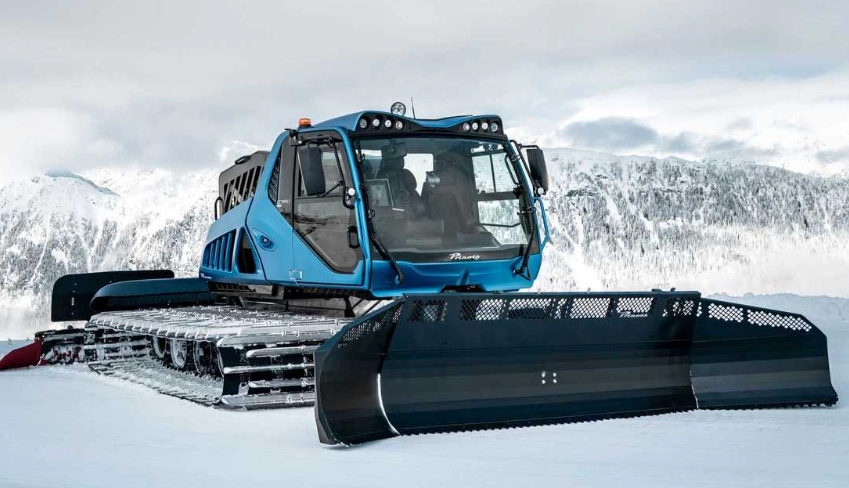
This isn't just a vehicle. It's the backbone of winter recreation. If you're curious about how these beasts work, what the different types are, or maybe you're in the market for one (a serious investment, that's for sure), you've come to the right place. We're going to strip away the mystery and look at everything from the basic mechanics to the nitty-gritty of buying your own.
Quick Navigation
Bottom Line Up Front: A snow groomer is a tracked vehicle specifically designed to manipulate snow on ski slopes, trails, and other winter terrain. Its primary job is to break up ice and hardpack, redistribute loose snow, and create a smooth, stable surface for various winter sports. Think of it as a combination tractor, bulldozer, and tiller, but for snow.
What Exactly Does a Snow Groomer Do? Breaking Down the Magic
So, how does a snow groomer work? It's not just driving over snow and magically making it better. The process is deliberate and mechanical. The core action happens at the back of the machine, with an implement called the tiller or cultivator. This is a large, rotating drum covered with carbide-tipped teeth. As the snow groomer moves forward, this drum spins rapidly, chewing up the hard, icy snow surface. It pulverizes ice chunks, breaks down snowballs, and essentially fluffs up the snowpack.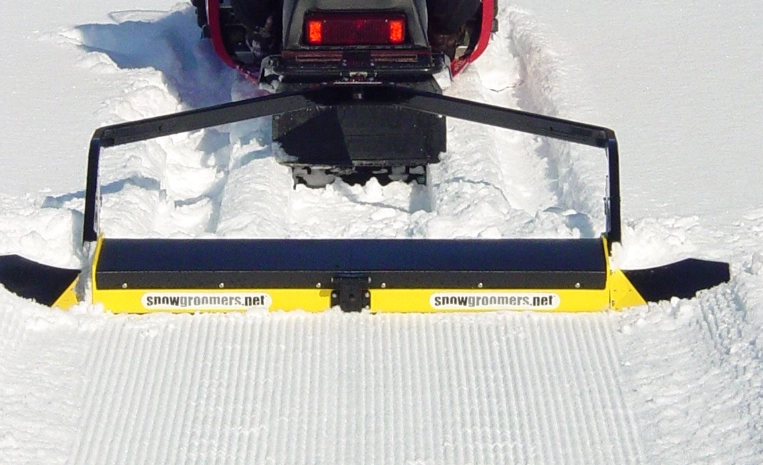
But it doesn't just leave a mess of churned-up snow behind. Right after the tiller, a heavy steel blade or a drag mat levels everything out. This is what creates that iconic corduroy pattern – the parallel lines are the result of the drag mat's texture. The operator in the cab has precise control over the depth and aggressiveness of the tilling, as well as the angle and pressure of the blade. It's a skilled job. Getting it wrong can mean creating a surface that's too soft, too hard, or even damaging the underlying soil or vegetation.
It's a dance between power, weight, and finesse.
Beyond just grooming ski runs, these machines are crucial for trail maintenance for snowmobilers and cross-country skiers, building terrain parks with specific features like jumps and half-pipes, and even for snow farming – stockpiling and preserving snow for early or late-season coverage. The work of a snow groomer directly impacts safety (removing dangerous ice patches and obstacles), enjoyment (creating a predictable surface), and the economic viability of a winter resort.
The Anatomy of a Modern Snow Groomer: Under the Hood and on the Tracks
Let's pop the hood, metaphorically speaking. Today's snow groomers are sophisticated pieces of engineering. They've come a long way from the basic converted tractors of the early days.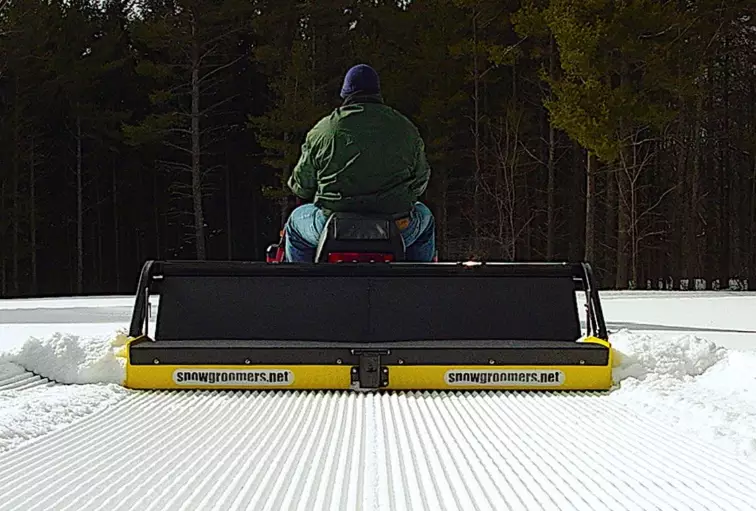
The Power Plant: Diesel is King
Almost without exception, modern groomers run on diesel engines. Why? Torque. Diesel engines provide the massive, low-end torque needed to push through deep, heavy snow and pull heavy implements. We're talking about engines ranging from 150 to over 300 horsepower in some of the larger models. They're not built for speed – top speed is usually around 12-15 mph – but for relentless, grinding power. The engines are also designed to run for long hours in freezing conditions, with heavy-duty cooling and heating systems to keep everything operational.
The Undercarriage: It's All About the Tracks
This is the most distinctive feature. The wide, rubber-reinforced tracks provide the famous low ground pressure that allows a multi-ton machine to float on top of snow without sinking. It's the same principle as a snowshoe. The track system distributes the vehicle's weight over a huge area. A typical groomer might exert less than 1 pound per square inch (PSI) of pressure, while a human foot can exert over 5 PSI. That's why you sink and it doesn't. The tracks are also incredibly durable, designed to withstand abrasion from ice, rocks, and uneven terrain.
Pro Tip: When evaluating a used snow groomer, the condition of the tracks is one of the most critical inspection points. Look for excessive wear, cracks, or missing lugs. Replacing tracks is one of the most expensive repairs you can face.
The Implements: Tools of the Trade
This is where the groomer does its specific work. Most machines use a front-mounted blade (like a bulldozer) for pushing and moving large volumes of snow. The real magic, as mentioned, is in the rear implements. The tiller is non-negotiable for quality grooming. Then you have the drag mat, which follows the tiller to smooth and pattern the snow. These attachments are hydraulically controlled, allowing the operator to raise, lower, and adjust them on the fly. Some groomers also have side wings on their blades or specialized attachments for shaping park features.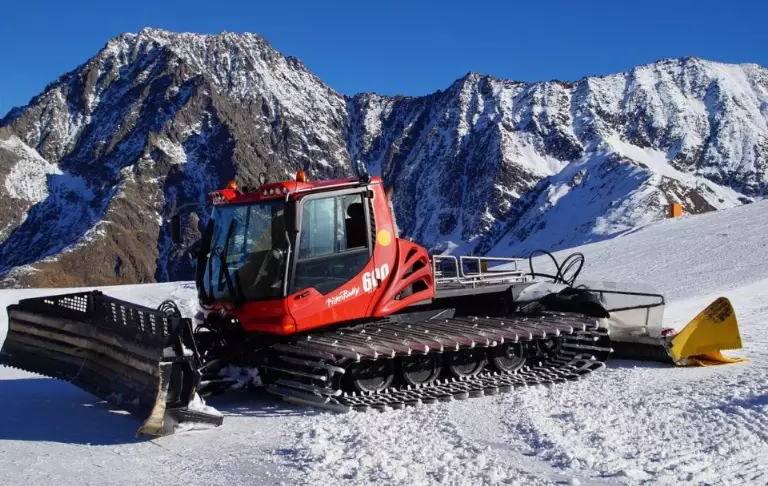
The Cab: The Operator's Command Center
Modern cabs are a world away from the cold, basic boxes of the past. They're heated, sound-insulated, and often pressurized to keep dust and snow out. The operator sits surrounded by joysticks, levers, and increasingly, digital touchscreens. GPS slope mapping is common, allowing operators to follow precise paths and maintain consistent grooming patterns. Climate control is essential because this is a night job, often in the coldest, windiest conditions. Visibility is paramount, with large windows and powerful lighting arrays to illuminate the slope ahead.
Navigating the Different Types of Snow Groomers
Not all snow groomers are created equal. Choosing the right type depends entirely on the terrain and the job. It's like asking whether you need a pickup truck or a semi-trailer truck – both haul things, but on a completely different scale.
Here’s a breakdown of the main categories you'll encounter:
| Type of Groomer | Best For | Typical Horsepower | Key Characteristics | My Take (The Good & The Bad) |
|---|---|---|---|---|
| Compact/Piston Bully 100 Series Type | Small ski areas, Nordic centers, golf courses, snowmobile trail clubs, terrain park detailing. | 130 - 180 HP | Narrower width, lighter weight, highly maneuverable. Perfect for tight trails and detailed work. | Good: Agile, fuel-efficient, easier to transport. Bad: Can feel underpowered for heavy snowfalls or steep slopes. Not a mountain workhorse. |
| Mid-Size/All-Mountain Groomer (e.g., Prinoth Bison, PistenBully 400) | The workhorse for most alpine ski resorts. Handling blue and black diamond slopes, general slope maintenance. | 220 - 280 HP | Excellent balance of power, stability, and versatility. The most common type you'll see at established resorts. | Good: The true jack-of-all-trades. Reliable, powerful enough for most jobs. Bad: Can be overkill for tiny areas, and the price tag jumps significantly from compacts. |
| Winch Groomer | Extremely steep terrain (over 35-degree slopes), expert-level runs where safety is critical. | 250+ HP | Equipped with a powerful front-mounted winch and cable that attaches to an anchor at the top of the slope. Allows it to groom terrain that would be impossible otherwise. | Good: Makes the impossible possible. Unmatched for safety and effectiveness on cliffsides. Bad: Very expensive, complex to operate, setup is time-consuming. A highly specialized tool. |
| Specialty & Park Builders | Creating and maintaining terrain parks, half-pipes, and specific snow features. | Varies | Often modified with unique blades, rakes, and shaping tools. May have higher ground clearance or different track configurations. | Good: Artists of the snow world. Essential for a good park. Bad: Their skills are very niche. Not great for general slope grooming. |
I once spoke to a groomer operator at a park-focused resort who swore by his older, mechanically simple machine for building jumps. He found the newer, computer-aided models "too fussy" for the feel-based work of shaping a perfect transition. It's a reminder that technology isn't always the answer for every task.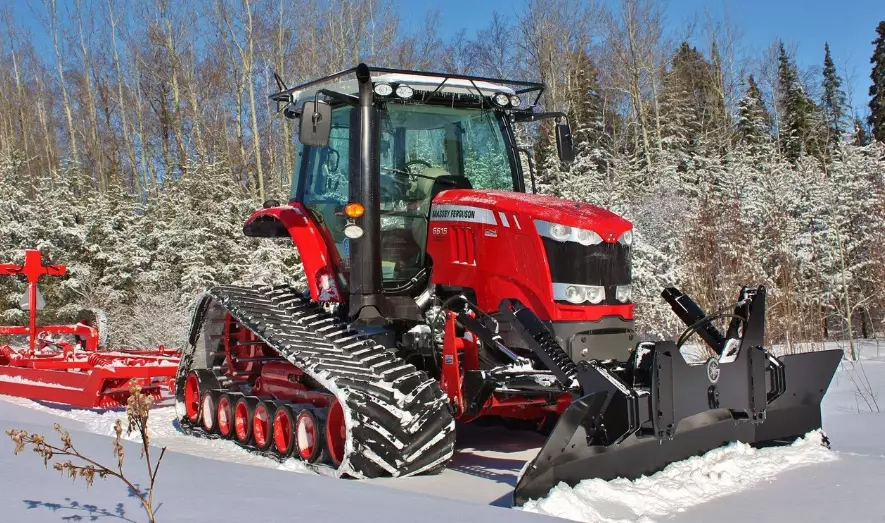
The Big Decision: Factors to Consider When Buying a Snow Groomer
So you're thinking about buying a snow groomer. Maybe for a fledgling ski hill, a sprawling snowmobile trail network, or a private estate (lucky you). This is a six or seven-figure decision, so you need to get it right. It's not like buying a car where a mistake is annoying but fixable. A wrong choice here can cripple your operation.
Let's be real: The biggest shock for most first-time buyers is the cost. A new mid-size groomer can easily cost more than a luxury house in many areas. Even a decent used one from the early 2000s can run well into the hundreds of thousands. You're not just buying a vehicle; you're buying a highly specialized industrial asset.
New vs. Used: The Eternal Debate
New Groomer Pros: Latest technology, full warranty, maximum fuel efficiency, and reliability. You get GPS integration, modern comfort cabs, and often, dealer support packages. Cons: Staggering upfront cost. The depreciation hit in the first few years is massive.
Used Groomer Pros: Significantly lower entry cost. You can get a capable machine for a fraction of the new price. Depreciation curve is much flatter. Cons: It's a gamble. Hidden repairs can be devastatingly expensive. Technology is outdated. Finding parts for older models can be a nightmare. You absolutely must get a thorough inspection by a qualified third-party mechanic.
My advice? Unless money is truly no object or you're a large resort with a fleet, the used market is where most smaller operations need to look. But budget an extra 20-30% of the purchase price for immediate repairs and deferred maintenance. You will need it.
Key Specifications to Scrutinize
- Horsepower & Torque: Match this to your steepest slope and deepest average snowfall. Underpowered is a nightmare.
- Track Width & Length: Determines flotation and stability. Wider is better for soft snow, but can be less maneuverable on narrow trails.
- Implement Compatibility: Does it have the right hydraulic connections and mounting points for the tiller, blade, and drag you need (or already own)?
- Cab Features: For the operator's sake and your retention rates, good heating, defrosting, and ergonomics are not luxuries.
- Serviceability: Can you easily access filters, fluid checkpoints, and common wear parts? Some models are notoriously difficult to work on.
Operating Costs: The Iceberg Beneath the Purchase Price
Fuel is the obvious one – these are thirsty machines. But the real budget-killers are often overlooked:
- Track Replacement: This can cost $20,000 to $50,000+ depending on the model. It's a wear item, like tires, but much, much worse.
- Undercarriage Repairs: Rollers, idlers, sprockets – the entire track system undergoes immense stress.
- Hydraulic System Failures: Hoses burst, cylinders leak, pumps fail. Hydraulic work is labor-intensive and parts are pricey.
- Specialized Technician Labor: You can't take this to the local mechanic. Dealer or specialist travel time and rates are high.
A friend who manages a small Nordic center bought a "bargain" used snow groomer online. The machine itself seemed okay, but they didn't factor in that the nearest certified technician was a 6-hour drive away. A simple computer module failure shut them down for two weeks during peak season, costing them far more in lost revenue than they saved on the purchase. Location of support matters.
Operating a Snow Groomer: It's Not Just Driving
Driving a snow groomer looks deceptively simple from the lodge. It's not. It's a skilled trade that combines machine operation with an intimate understanding of snow science.
A great operator knows how the snow will react at different temperatures. They know when to till deep and when to just scratch the surface. They know how to read the slope's contours to avoid leaving ridges or thin spots. They work almost entirely at night, in isolation, battling fatigue and sometimes brutal weather. The International Snow Groomer Association offers resources and connects operators, emphasizing the professionalism of the role. Safety is huge. Rollovers, though rare with modern, wide-tracked machines, are a real risk on steep terrain. Operators need to be constantly aware of their machine's limits and the slope's conditions.
Training is essential. Many manufacturers like Prinoth and PistenBully offer operator training programs. There's also a move towards more standardized certification, which is a good thing for safety and quality across the industry.
Answering Your Snow Groomer Questions
Let's tackle some of the common things people search for but don't always find clear answers on.
This is the big one. To give you a realistic range (as of my last deep dive into market listings):
- A new compact groomer starts around $250,000.
- A new mid-size all-mountain groomer is typically $400,000 to $600,000.
- A new winch cat can easily exceed $800,000.
- A used groomer (10-15 years old, functional but needing some love) can be found from $80,000 to $200,000. A "ready-to-work" used machine from a reputable dealer is more likely in the $150,000-$300,000 range.
Honestly, the prices can make your eyes water. And remember, that's just the machine.
This trips up a lot of people. "Snowcat" was originally a trademarked name by Tucker Sno-Cat Corporation for their tracked vehicles. It became a generic term, much like "Xerox" for copying. So, all Snowcats (the brand) are tracked vehicles, but not all tracked vehicles are Snowcats. A snow groomer is a type of tracked vehicle specifically designed for grooming snow with a tiller and drag. You can have a snowcat that's configured for grooming, but you can also have a snowcat set up for passenger transport or cargo. Meanwhile, Prinoth and PistenBully make groomers, but you wouldn't call them Snowcats. In everyday conversation at a resort, though, people use "snowcat" and "groomer" interchangeably, and everyone knows what they mean.
No, and this is critical. While incredibly capable, groomers have limits. Steepness is the main one. A standard groomer can safely operate on slopes up to about 35 degrees. Beyond that, you need a winch groomer for safety and effectiveness. They also need a certain base depth of snow to protect the ground and the machine's undercarriage. Running one over rocks, stumps, or bare ground is a surefire way to cause catastrophic damage to the multi-thousand-dollar tracks. Operators rely on their knowledge of the terrain and, increasingly, detailed GPS maps to avoid hazards.
There's no universal "snow groomer driver's license." Requirements vary by country, state, and even the individual resort or company. Most places in North America don't require a special government-issued license for off-road, private property operation. However, employers almost universally require significant training and certification. This often includes:
- Manufacturer-specific training (e.g., Prinoth or PistenBully certification).
- On-the-job apprenticeship with a senior operator.
- Training in snow science, avalanche safety (if applicable), and first aid.
- If the machine must occasionally use public roads to access trail networks, a standard commercial driver's license (CDL) may be required for that portion.
The U.S. Forest Service, which manages land many resorts operate on, often has stringent requirements for contractor equipment and operator training, which trickles down to become the industry standard.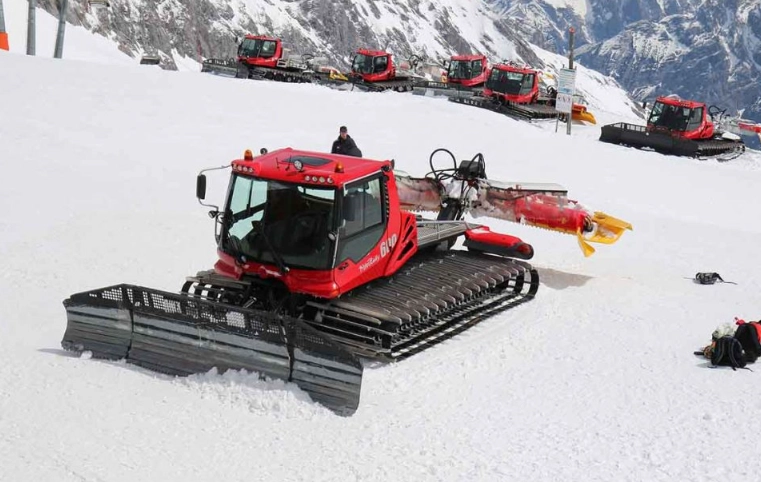
With proper maintenance and a forgiving operating environment, a well-built snow groomer can last 10,000 to 15,000 operating hours or more. That translates to 15-25+ years for a machine used seasonally at a single resort. The key is maintenance. Neglect it, and a machine can be worn out in half that time. The frame and engine might be fine, but the cumulative cost of replacing the undercarriage, hydraulics, and electronics can eventually make it more economical to replace the entire groomer. I've seen meticulously maintained machines from the 1990s still working perfectly every day, and abused machines from the 2010s that are constant money pits. It's all about care.
Wrapping It Up: The Unsung Hero of Winter
Next time you're making first tracks on a freshly groomed run, take a second to think about the complex machine and the skilled person who made it possible. The snow groomer is a fascinating intersection of brute force and delicate control, of old-school mechanical engineering and new digital technology. It's a machine born from necessity that has become indispensable.
They truly are the quiet giants of the winter world.
Whether you're a curious skier, a trail manager doing research, or a potential buyer with a nervous checkbook, I hope this deep dive has given you a real, practical understanding of what these machines are all about. The world of snow grooming is more detailed and nuanced than it appears from the chairlift. And if you do take the plunge and buy one, remember the three golden rules: inspect it thoroughly, budget for repairs, and hire or train a fantastic operator. That's what turns a massive expense into a valuable asset.
For those looking to dive even deeper into technical specifications, industry standards, or operator training pathways, organizations like the International Snow Groomer Association (ISG) or manufacturer sites for Prinoth and PistenBully are excellent next steps. The Canadian Snowsports Association also has valuable resources on slope maintenance and safety.