Quick Guide to Snow Groomer Jargon
Okay, let's talk about those big, tank-like machines that magically turn a field of choppy, skied-out snow into those perfect corduroy stripes we all love. You know the ones. If you're from the UK or parts of Europe, you probably call it a piste basher. It's a great name, right? Sounds tough, industrial, like it's literally bashing the piste into shape.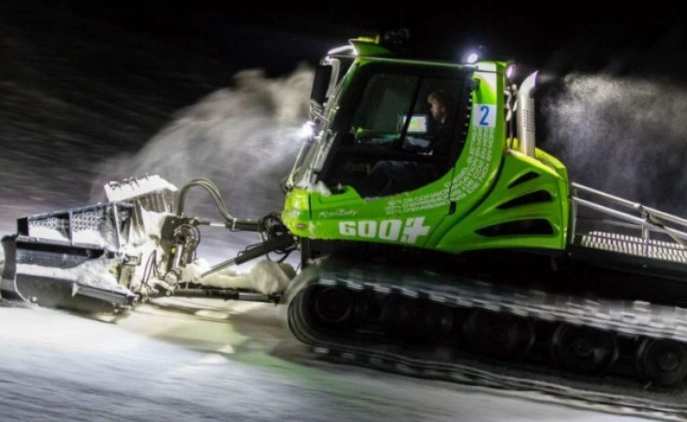
But here's the thing I found out after years of skiing and chatting with folks from all over the globe: that's just one name in a surprisingly long list. Seriously, ask a ski patroller in Colorado, a resort manager in New Zealand, or a lifelong instructor in the Alps what they call that machine, and you'll get a different answer. It's a classic case of jargon that's hyper-localized.
So, if you've ever found yourself wondering, "What other names do piste bashers have?" you're not alone. It's a more common search than you might think. Maybe you heard a different term in a ski film, or you're planning a working holiday at a resort and want to sound like you know your stuff. Whatever the reason, let's dive into the wonderfully varied world of snow groomer nicknames.
Bottom Line Up Front: The most common alternative names are Snowcat, Snow Groomer (or just Groomer), and Tracked Groomer. But the list goes much, much deeper depending on where you are and what specific job the machine is doing.
The Core Family of Names: Function Over Form
Most of the common names for these machines are pretty descriptive. They tell you exactly what the thing does. It's not like someone gave it a cute pet name (well, sometimes they do, but we'll get to that). The big three, the ones you'll see in equipment catalogs and resort maintenance manuals, are all business.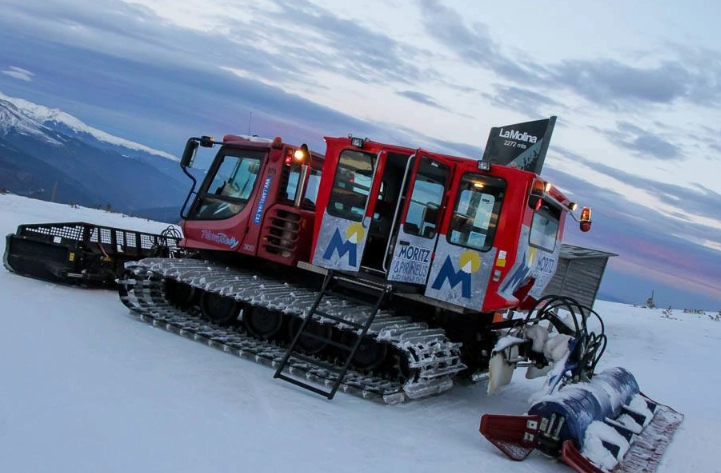
Snow Groomer / Groomer
This is the professional, all-encompassing term. It's the one you'll see on the International Snowcat Association website (a great resource for technical specs, by the way). It's precise. The machine's primary function is to groom snow—to till it, flatten it, and shape it. Calling it a groomer is like calling a truck a truck. It's accurate, a bit formal, and used widely in North America and in international resort management circles. If you want to sound like you work in the industry, this is your go-to word.
Snowcat
Now this is where it gets interesting. Snowcat is arguably the most popular nickname worldwide, especially in North America. It's catchy, it's short, and it has a cool origin story. The term was originally a trademarked brand name from the Tucker Sno-Cat Corporation, one of the early pioneers in tracked over-snow vehicles. Think of it like "Kleenex" for tissues or "Xerox" for photocopiers. The brand name was so successful it became the generic term for the whole category.
I remember the first time I heard it in Whistler. Someone said, "The snowcat's just gone up to Symphony Bowl," and I had a brief mental image of an actual feline made of snow. But nope, just the groomer. It's a term that's stuck because it's simple and evokes the right image—something agile and powerful moving over snow.
Tracked Groomer
This one is a bit more of a technician's term. It's used to specifically distinguish these machines from their rubber-tired cousins. Yes, some groomers have giant tires! They're used in specific conditions, often earlier or later in the season. So, when a maintenance team is discussing which vehicle to deploy, they might say "tracked groomer" to be crystal clear about the machine's capabilities, especially its traction and pressure distribution on softer snow. It’s less of a nickname and more of a precise descriptor.
So, what other names do piste bashers have at their core? Groomer, Snowcat, Tracked Groomer. That's the holy trinity of formal names.
The Regional Name Game: A Global Tour of Groomer Slang
This is where the fun really starts. Travel to a different ski region, and you'll hear a whole new vocabulary. It’s one of those charming quirks of the skiing world. The table below breaks down the major aliases by their dominant regions.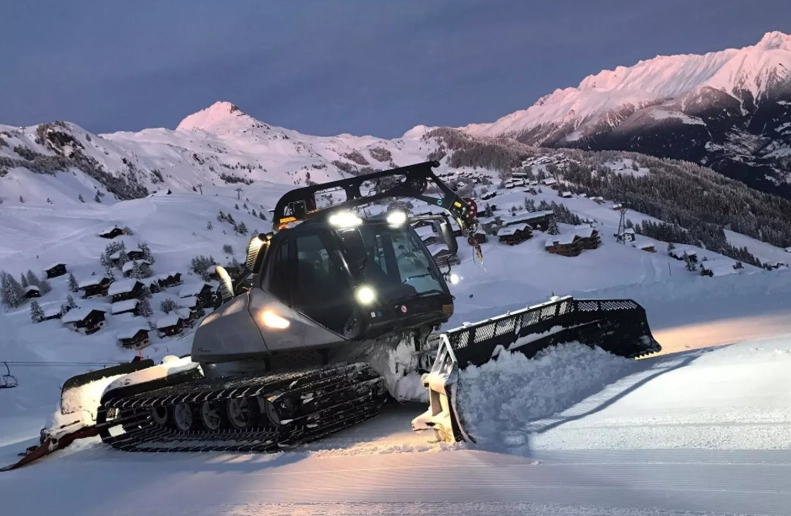
| Region | Common Name(s) | Notes & Why It's Used |
|---|---|---|
| North America (US & Canada) | Snowcat, Groomer, Snow Groomer | "Snowcat" is king here. "Groomer" is very common in everyday talk. You almost never hear "piste basher" unless someone is being deliberately British. |
| Alps (France, Switzerland, Austria, Italy) | PistenBully (often genericized), Pistenraupe, Dämon | "PistenBully" is a brand name (from Kässbohrer) that has become generic, like Snowcat. "Pistenraupe" is German for "piste caterpillar." "Dämon" (demon) is Austrian slang for the older, louder models. |
| UK & Ireland | Piste Basher, Piste Machine | The term we started with! It's vividly descriptive and uniquely British. "Piste machine" is a more formal variant. |
| Australia & New Zealand | Snow Groomer, Groomer, Cat | Follows North American terminology closely due to equipment imports and industry exchanges. "Cat" is a very common shorthand on the job. |
| Japan | ゲレンデ整備車 (Grooming Vehicle), 圧雪車 (Compression Snow Vehicle) | Descriptive formal terms. The brand name "PistenBully" is also widely recognized in resort areas. |
See what I mean? The regional variations are stark. In Austria, calling it a Dämon tells you something about the operator's relationship with a particularly finicky or noisy machine. It's a love-hate thing. The official PistenBully website obviously uses its brand name, but on the slopes in St. Anton, that machine might be called a dozen different things by the crew running it.
Specialized Machines, Specialized Names
Not all groomers are created equal. Some have very specific jobs, and they've earned specific names because of it. This is a key piece of the puzzle when you're trying to understand what other names do piste bashers have.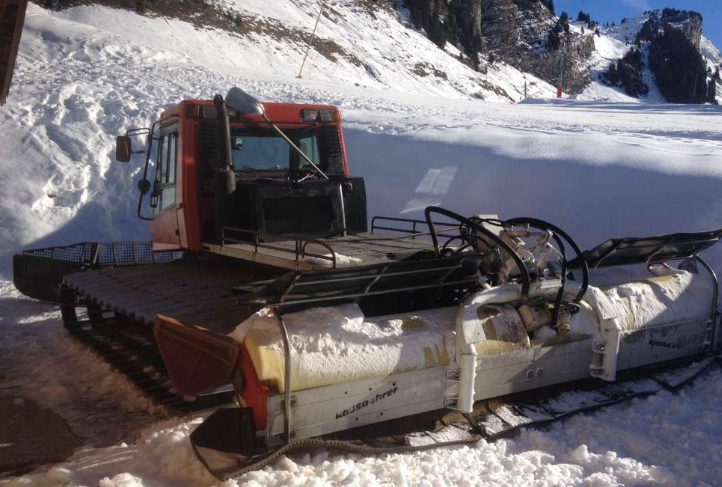
Winch Cat
This is a big one. A winch cat is a groomer equipped with a massive cable winch, usually on the back or front. Why? For grooming seriously steep terrain—the kind of black diamond runs that would be impossible or unsafe for a regular groomer to tackle. The winch cable is anchored at the top of the slope, and the machine uses it to literally winch itself up and down the face, allowing it to groom slopes with 40-degree+ pitches.
It's a beast of a machine, and operators have a ton of respect for it. The term is used globally. If you hear it, you know they're talking about grooming the gnarliest terrain on the mountain. Safety protocols for areas where winch cats operate are no joke, as outlined in resources like those from Parks Canada for avalanche safety and slope management.
Trail Groomer
This term is more common in Nordic (cross-country) skiing contexts. A trail groomer is designed specifically for setting classic track lanes and skating lanes on flatter, winding cross-country trails. They are often smaller, narrower, and more maneuverable than the giant alpine resort groomers. The name highlights the different terrain and purpose.
Pipe Dragon or Halfpipe Groomer
These are the specialists of the terrain park. They have unique attachments—like a giant vertical blade or a special profiling rake—designed solely for shaping the perfect superpipe walls. The name "Pipe Dragon" is another great example of a brand name (from a company called Pipe Dragons) becoming the common term for the machine, at least in park crew slang.
Personal Take: I find the winch cat the most fascinating. Watching one work on a sheer face at night is both terrifying and mesmerizing. It completely changes your perception of how those steep runs get their smooth finish. It's not just driving; it's a complex, cable-assisted dance.
Why So Many Names? The Reasons Behind the Jargon
It's not random. There are clear reasons why this one piece of equipment has collected a small dictionary's worth of aliases.
- Brand Dominance: As with Snowcat and PistenBully, a leading manufacturer's name becomes the default. It's marketing success at its peak.
- Descriptive Necessity: "Winch cat" immediately tells you about the machine's key feature and capability. "Trail groomer" specifies its domain.
- Linguistic & Cultural Translation: "Piste basher" is a very British-English construction—direct and a bit cheeky. Other languages create their own direct translations, like the German "Pistenraupe."
- Industry vs. Public Lingo: A resort manager writes a press release about "snow grooming operations." A skier in the lodge says, "The cat's been up there all night." Same machine, different audiences.
- Generational Shift: Older terms like "Snowcat" (from the mid-20th century) persist alongside newer, more generic terms like "groomer."
It’s a natural evolution of language within a niche community. And honestly, it makes the culture richer.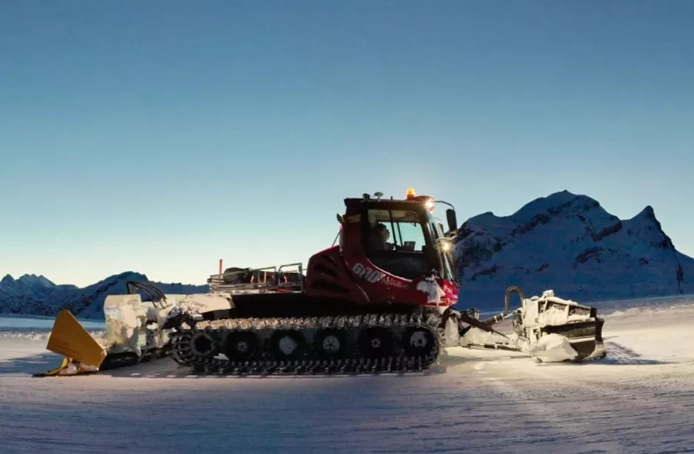
What Should YOU Call It? A Quick Guide
If you're unsure what term to use, here's a foolproof strategy:
- In North America: Use "Snowcat" or "Groomer." You cannot go wrong. "The grooming looks great today" or "I saw the snowcat lights last night" are perfect.
- In the European Alps: "PistenBully" is widely understood, even if it's a brand name. "Piste machine" is a safe, generic bet if you're not sure.
- In the UK/Ireland: Stick with piste basher. It's your home-field advantage.
- Anywhere else in the world (Japan, NZ, Aus, South America): Default to the North American terms—"groomer" or "snowcat." They are the most globally recognized thanks to film, media, and the international ski industry.
- If you're talking about steep terrain grooming: Throw in "winch cat" to show you really know what's up.
The goal is to be understood, not to show off. Starting with "groomer" is almost always a safe bet.
Frequently Asked Questions (FAQs)
Let's tackle some of the specific questions people have when they go searching for this info. These are the things you might be too embarrassed to ask in the chairlift line.
Is "PistenBully" just a brand name, or is it the actual thing?
It's primarily a brand name, owned by the German company Kässbohrer. However, in many parts of Europe, it's used as a generic term for any snow groomer, regardless of the actual manufacturer (like Prinoth, Bombardier, or others). It's the classic "generic trademark" phenomenon.
What's the difference between a snowcat and a snowmobile?
This is a fundamental one. A snowmobile (or skidoo) is a small, personal recreational vehicle, usually for one or two people, with skis at the front and a track at the back. A snowcat/groomer/piste basher is a large, industrial vehicle designed for heavy-duty trail construction and maintenance. They are not the same thing at all. The British Ski Club has good beginner guides that often clarify these kinds of basic equipment differences.
Do the drivers have a special name?
Yes! They are most commonly called groomer operators or simply operators. In some areas, you might hear the old-school term "cat driver." It's a skilled trade requiring specific training, often done during the night shift.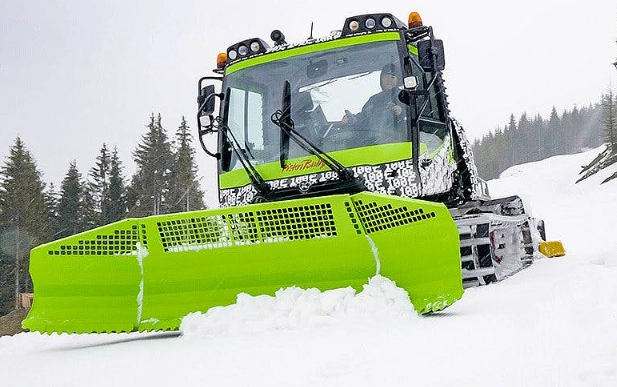
Why do they groom at night?
A few reasons: safety (no skiers on the slopes), snow conditions (colder temps help the snow set and prevent it from turning to slush under the machine's weight), and efficiency (they can cover the whole mountain without interrupting the ski day). The sight of their headlights crawling across a dark mountain is iconic.
Can you get a ride on one?
Generally, no, for massive insurance and liability reasons. They are serious worksite vehicles. However, some resorts offer very rare VIP or charity experiences, and media personnel sometimes get rides for filming. Don't count on it, though. It's not a tourist activity.
So, the next time you're enjoying a perfectly smooth corduroy run first thing in the morning, you'll know the story behind the machine that made it. Whether it was a PistenBully, a Winch Cat, a Snowcat, or the original Piste Basher, it's all the same family of essential winter workhorses. The variety of names just adds a bit of color to the global culture of skiing and snowsports.
It’s funny, you start with a simple question—what other names do piste bashers have?—and you end up on a tour through linguistics, engineering, brand history, and regional culture. Not bad for a machine that just looks like a big tractor on tracks. The names matter because they connect us to the place and the people who make skiing possible. Now you're in the know.