In This Guide
- What is Rope Towing, and Why Should You Care?
- The Core Materials: What's Your Rope Made Of?
- Key Factors to Consider: Beyond Just Material
- Top Picks for Different Rope Towing Scenarios
- Common Mistakes and How to Avoid Them
- Frequently Asked Questions (FAQs)
- Safety First: Essential Tips from Authorities
- Wrapping It Up: Making Your Choice
Hey there! If you're like me, you've probably stood in a hardware store, staring at a wall of ropes, and felt totally overwhelmed. I mean, what is the best rope for rope towing anyway? Is it the thick nylon one, the colorful polypropylene, or something else entirely? I learned the hard way when I tried towing my buddy's boat with a cheap rope from a discount bin. It snapped, and let's just say the aftermath wasn't pretty—lots of yelling, a near-miss with a dock, and a lesson I won't forget. So, let's dive into this together and figure out what really works, without the marketing fluff.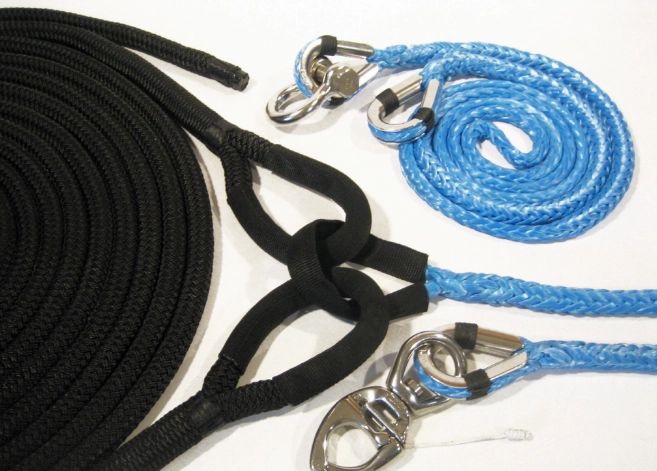
Rope towing isn't just about yanking something from point A to point B. It's about safety, efficiency, and not ending up with a broken rope—or worse, a broken vehicle. Whether you're towing a boat, an off-road vehicle, or even a trailer, the rope you choose can make or break your day. And I don't mean that metaphorically. I've seen ropes fail under pressure, and it's never a good scene. So, in this guide, we'll explore everything from materials to real-world tips, all while keeping it real. No jargon, no nonsense—just practical advice from someone who's been there.
What is Rope Towing, and Why Should You Care?
Rope towing is pretty straightforward: you use a rope to pull or tow an object. But the devil's in the details. Think about it—you might be towing a sailboat in a marina, hauling a stuck ATV out of mud, or even pulling a tree stump. Each scenario demands something different from your rope. For example, towing a boat requires a rope that can handle water, UV exposure, and sudden shocks from waves. On the other hand, towing a vehicle on land might need more abrasion resistance against rough terrain.
I remember chatting with a fellow boater who insisted that any strong rope would do. He used a basic nylon rope for towing his dinghy, and it stretched so much that it became a safety hazard. That's the thing—what is the best rope for rope towing isn't a one-size-fits-all answer. It depends on your specific needs, and ignoring that can lead to costly mistakes. So, let's break it down step by step, starting with the materials that make or break a good tow rope.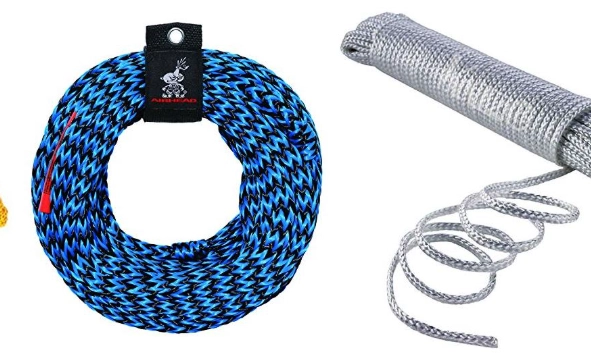
The Core Materials: What's Your Rope Made Of?
When it comes to rope towing, the material is everything. It dictates strength, stretch, floatation, and durability. I've tried them all over the years, and each has its pros and cons. Here's a no-BS look at the main players.
Nylon Ropes: The Stretchy Workhorse
Nylon is like that reliable friend who's always there but sometimes too flexible for their own good. It's incredibly strong—one of the strongest synthetic ropes out there—and it has excellent shock absorption. That's because nylon can elongate up to 30% under load, which is great for absorbing sudden tugs, like when towing in choppy water. But that stretch can be a double-edged sword. I used a nylon rope for towing my jet ski once, and the stretch made it feel like I was pulling on a rubber band. It took forever to get moving, and the rope kept bouncing back.
On the plus side, nylon is resistant to abrasion and chemicals, so it holds up well in tough environments. But it doesn't float, and it can degrade under prolonged UV exposure if not treated. If you're asking what is the best rope for rope towing in high-shock situations, nylon might be your go-to, but be ready for that stretch.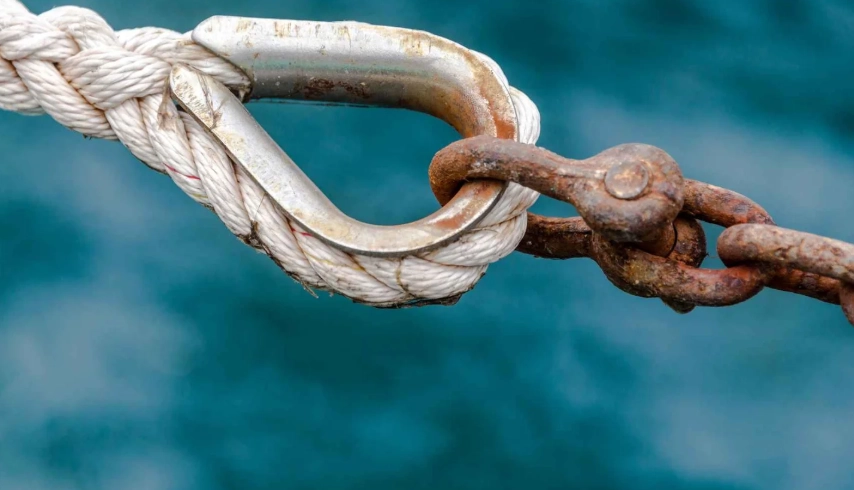
Polyester Ropes: The Low-Stretch Performer
Polyester is nylon's more rigid cousin. It has similar strength but minimal stretch—usually around 2-5%. That makes it ideal for precision towing, where you don't want the rope to give way. I switched to polyester for marine towing after my nylon mishap, and the difference was night and day. The rope felt taut and responsive, perfect for maneuvering boats in tight spaces.
However, polyester isn't as good at shock absorption, so if you're towing in rough conditions, it might transmit more force to your vehicle. It also doesn't float, and it can be a bit stiffer to handle. But for durability and UV resistance, polyester often outshines nylon. In my book, it's a top contender when you're figuring out what is the best rope for rope towing for marine applications.
Polypropylene Ropes: The Floating Option
Polypropylene is lightweight and floats, which makes it popular for water-based towing. It's cheaper than nylon or polyester, but that comes with trade-offs. The strength is lower, and it's more prone to abrasion and UV damage. I bought a polypropylene rope for temporary use on a lake trip, and after a season in the sun, it became brittle and snapped during a simple tow. Not fun.
That said, if you need a rope that floats to avoid propeller tangles, polypropylene can be handy. Just don't expect it to last forever. It's like a disposable tool—great for short-term jobs but not for heavy-duty towing. So, what is the best rope for rope towing if floatation is a must? Polypropylene might work, but invest in a UV-treated version.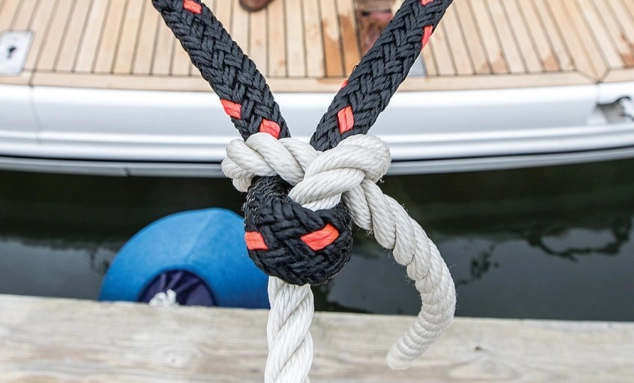
Blended Ropes: The Hybrid Approach
Some ropes mix materials, like nylon-polyester blends, to balance stretch and strength. I've tried a few, and they can be hit or miss. A good blend offers the shock absorption of nylon with the low-stretch of polyester, but a poor blend might just inherit the weaknesses of both. It's worth experimenting if you have specific needs, but read reviews carefully.
To make things clearer, here's a table comparing these materials based on my experience and industry standards. It's not exhaustive, but it gives you a solid starting point.
| Material | Strength (Relative) | Elongation | Floatation | UV Resistance | Best For |
|---|---|---|---|---|---|
| Nylon | High | 15-30% | No | Moderate (if treated) | High-shock towing, general use |
| Polyester | High | 2-5% | No | High | Precision towing, marine applications |
| Polypropylene | Medium | Low | Yes | Low (degrades quickly) | Water towing, temporary tasks |
| Blends (e.g., Nylon-Polyester) | Varies | 5-15% | Depends | Moderate to High | Balanced needs, custom scenarios |
See? It's not just about picking the strongest rope. You've got to weigh these factors based on what you're towing. And speaking of factors, let's dive deeper into what really matters when choosing.
Key Factors to Consider: Beyond Just Material
Choosing the best rope for rope towing isn't just about material—it's about how that material performs in real-world conditions. Here are the big things to keep in mind, based on my own trials and errors.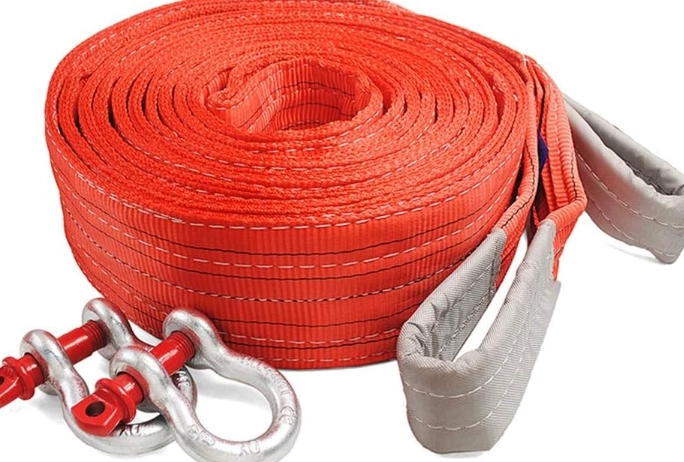
Breaking Strength and Working Load Limit
This is non-negotiable. The breaking strength is the maximum load the rope can handle before snapping, while the working load limit (WLL) is the safe, ongoing load—usually 15-20% of breaking strength. I learned this the hard way when I ignored the WLL on a rope and overloaded it during a vehicle tow. The rope held, but it was stretched beyond repair, and I got lucky it didn't break.
For example, if you're towing a 5,000-pound boat, you need a rope with a breaking strength well above that, factoring in shock loads. A good rule of thumb is to choose a rope with a breaking strength at least 2-3 times the weight of what you're towing. Check the manufacturer's specs, and don't cheap out here. What is the best rope for rope towing if strength is your top priority? Look for ropes with certified ratings from reputable brands.
Elongation: How Much Stretch is Too Much?
Stretch can be a friend or foe. As I mentioned, nylon stretches a lot, which helps absorb shocks—great for towing in rough water or over uneven terrain. But too much stretch reduces control and efficiency. Polyester, with its low stretch, gives you more direct pull, but it can jerk your vehicle if there's a sudden stop.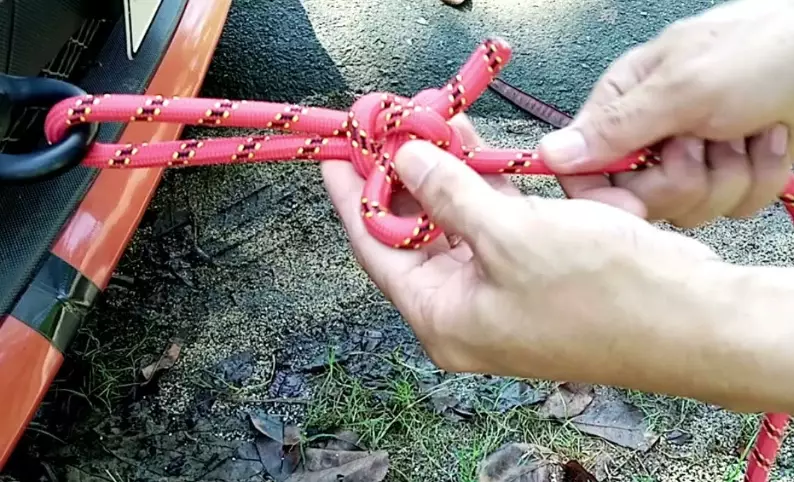
Think about your towing scenario. If you're towing a trailer on smooth roads, low stretch might be fine. But if you're off-roading or dealing with waves, some stretch can prevent damage. I personally prefer a moderate stretch for general use, around 10-15%, but it's a personal call. Test different ropes if you can.
Abrasion Resistance and UV Stability
Ropes get abused. They rub against surfaces, get dragged through dirt, and bake in the sun. Abrasion resistance is crucial for longevity—I've had ropes wear out fast from friction against rocks or boat edges. Materials like nylon and polyester fare better here, but coatings can help.
UV stability is another biggie. Polypropylene is notorious for degrading in sunlight, while polyester holds up well. If your rope will be exposed to the sun often, look for UV-treated options. I left a nylon rope out for a summer, and it faded and weakened noticeably. Now, I always store my ropes indoors when not in use.
Floatation: Does Your Rope Need to Float?
For marine towing, a floating rope can be a safety feature to avoid entanglement with propellers. Polypropylene floats naturally, but as I said, it's less durable. Some nylon and polyester ropes come with floating cores or coatings, but they're rarer and pricier. If floatation is critical, weigh the trade-offs. In my experience, for casual boating, a non-floating rope with careful handling works fine, but for frequent water tows, consider the floating options.
Handling and Splicing Ease
Ever tried tying a knot with a stiff, coarse rope? It's a pain. Handling matters, especially if you'll be using the rope frequently. Polyester can be stiffer, while nylon is more supple. Also, some ropes are easier to splice or repair—a skill that's saved me money over the years. Braided ropes often handle better than twisted ones, but they can be trickier to splice.
I remember trying to splice a polyester braid for the first time; it took hours and multiple YouTube tutorials. So, if you're not into DIY repairs, maybe opt for a rope that's user-friendly or pre-spliced. What is the best rope for rope towing in terms of handling? It depends on your comfort level—test a few to see what feels good in your hands.
Personal Rant: I hate it when companies sell ropes with vague labels like "heavy-duty" without any real specs. It's lazy and dangerous. Always look for detailed information on strength, material, and WLL. Don't fall for marketing hype—your safety is on the line.
Top Picks for Different Rope Towing Scenarios
Based on my experience and research, here are some practical recommendations. These aren't endorsements, just honest observations to help you decide what is the best rope for rope towing in your situation.
Best Overall Rope for General Towing
For a balance of strength, durability, and versatility, I lean toward a double-braided nylon rope. It offers good shock absorption, handles well, and resists abrasion. I've used one for years for everything from towing small trailers to light marine work. Look for a diameter around 3/4 inch with a breaking strength of at least 15,000 pounds—it covers most common needs. Brands like Samson or Yale Cordage often have reliable options, but shop around and read reviews.
Best Rope for Marine Towing
If you're serious about boating, a polyester rope is hard to beat. Its low stretch gives you precise control, and it holds up against saltwater and UV rays. I switched to a 1/2-inch double-braided polyester rope for my boat, and it's been a game-changer. The American Boat and Yacht Council (ABYC) provides guidelines on towing equipment, and their standards often recommend polyester for marine applications due to its durability. You can check their resources on the ABYC website for more details.
Best Budget-Friendly Option
For occasional or light-duty towing, a polypropylene rope can suffice. Just don't expect it to last forever. I keep a cheap polypropylene rope as a backup for temporary tasks, like towing a kayak or small load. Opt for a UV-treated version to extend its life, and always inspect it before use. Remember, you get what you pay for—so if towing is a regular thing, invest in something better.
Here's a quick list of things to avoid, based on my mistakes:
- Don't use climbing rope for towing: It's designed for different forces and can fail unexpectedly.
- Avoid ropes with knots or damages: They weaken the structure—always inspect before towing.
- Steer clear of unknown brands without specs: If the label doesn't list breaking strength or material, skip it.
Common Mistakes and How to Avoid Them
We all mess up, but learning from others can save you trouble. Here are some blunders I've seen—and made myself—when figuring out what is the best rope for rope towing.
Mistake 1: Ignoring Environmental Factors. I used a nylon rope in a salty marine environment without rinsing it afterward. The salt accelerated wear, and the rope frayed within months. Now, I always rinse my ropes with fresh water after use, especially if they've been in saltwater or mud.
Mistake 2: Overloading the Rope. It's tempting to push a rope to its limits, but that's a recipe for disaster. I once towed a vehicle slightly above the WLL, and the rope stretched permanently, losing its effectiveness. Stick to the working load limit, and if in doubt, go for a stronger rope.
Mistake 3: Poor Storage. Leaving ropes in direct sunlight or damp areas degrades them fast. I stored a polypropylene rope in my truck bed for a summer, and it became brittle and useless. Store ropes coiled in a cool, dry place—it extends their life significantly.
Mistake 4: Using the Wrong Knots. Not all knots are created equal. A simple overhand knot can reduce a rope's strength by up to 50%. For towing, use knots like the bowline or double figure-eight, which maintain more strength. I learned this after a knot slipped during a tow, causing a scary moment. Practice your knots—it matters.
Pro Tip: Regularly inspect your rope for signs of wear, like fraying, discoloration, or hard spots. If you see any damage, retire it immediately. A damaged rope is an accident waiting to happen.
Frequently Asked Questions (FAQs)
What is the best rope for rope towing a boat?
For boats, I recommend a double-braided polyester rope. It has low stretch for better control, high UV and saltwater resistance, and handles the dynamic loads of marine towing well. Make sure the breaking strength suits your boat's weight—usually at least 2-3 times the displacement. The U.S. Coast Guard (USCG) offers safety guidelines for towing, which you can reference on their official website for additional tips.
What diameter rope is best for towing?
Diameter depends on the load. For light loads under 2,000 pounds, a 1/2-inch rope might suffice. For heavier towing, like vehicles or large boats, go for 3/4 inch or larger. Thicker ropes are stronger but heavier and harder to handle. I use a 5/8-inch rope for most of my towing needs—it's a good middle ground. Check the manufacturer's specs for diameter-strength correlations.
How often should I replace my tow rope?
There's no fixed timeline—it depends on usage and condition. I replace mine every 2-3 years with regular use, or sooner if I notice wear. Inspect it before each use: look for fraying, stiffness, or color changes. If it's been through a high-stress event, like a sudden jerk, consider replacing it even if it looks okay. Safety first, always.
Can I use a tow strap instead of a rope?
Tow straps are great for vehicle recovery but differ from ropes. They're wider, often made of nylon webbing, and designed for slow, steady pulls. Ropes are better for dynamic towing over distance. I've used both, and for general towing, a rope offers more versatility. But for off-road recovery, a strap might be safer due to its elasticity and width. Choose based on your specific task.
What is the best rope for rope towing in cold weather?
In cold climates, materials can become brittle. Nylon retains its flexibility better than polyester or polypropylene in low temperatures. I've used nylon ropes for winter towing without issues, but avoid polypropylene—it gets stiff and prone to cracking. Store ropes indoors when not in use to prevent freezing damage.
Safety First: Essential Tips from Authorities
Towing isn't something to take lightly. I've seen accidents happen from negligence, so let's talk safety. Organizations like the U.S. Coast Guard and ABYC emphasize proper equipment and practices. For instance, the USCG recommends using ropes with clear strength ratings and avoiding makeshift solutions. You can find detailed safety protocols on their website, which I often refer to for updates.
Another key point is communication. When towing, use hand signals or radios to coordinate with the other party. I learned this after a miscommunication during a boat tow led to a near-collision. Also, always wear gloves—ropes can burn your hands under tension, and I've got the scars to prove it.
"The right rope can mean the difference between a smooth tow and a disaster. Don't cut corners on quality—it's an investment in safety." – Advice from a seasoned tow operator I met at a marine workshop.
Lastly, practice makes perfect. Before a big tow, do a test pull in a safe area. I always test my setup with a light load to check for issues. It's saved me from bigger problems down the line.
Wrapping It Up: Making Your Choice
So, what is the best rope for rope towing? After all this, I hope you see it's not a simple answer. It depends on your needs—material, strength, stretch, environment, and budget. For me, a double-braided nylon or polyester rope usually hits the sweet spot, but your mileage may vary.
I encourage you to experiment within reason. Buy a few different ropes for different tasks, and see what works. And don't forget maintenance—clean and store your ropes properly to extend their life. If you're ever in doubt, consult resources like the ABYC or USCG for authoritative guidance.
At the end of the day, the best rope is one that keeps you safe and gets the job done. I've shared my highs and lows with rope towing, and I hope it helps you avoid my mistakes. Happy towing, and stay safe out there!
Got more questions? Drop a comment below—I'm always up for chatting about this stuff. And remember, when in doubt, go for the rope that feels right in your hands and meets the specs. Cheers!