What You’ll Learn
- Why Bother Learning Snow Plough Turns?
- Breaking It Down: How to Actually Do a Snow Plough Turn
- Common Mistakes (And How to Fix Them)
- Snow Plough vs. Parallel Turns: What’s the Real Difference?
- Your Progression Path: What Comes After Snow Plough Turns?
- Answering Your Burning Questions
- Final Thoughts from the Chairlift
Let's be honest for a second. The first time you click into ski boots and shuffle onto a gentle slope, the idea of making a controlled turn feels about as likely as flying. You see other skiers carving elegant arcs down the hill, and it seems like magic. But here's the secret they all started with: the snow plough turn. It's the foundational move, the building block, the ABCs of skiing. Without it, you're just going straight, and on a mountain, that's a recipe for a fast trip to a place you don't want to be.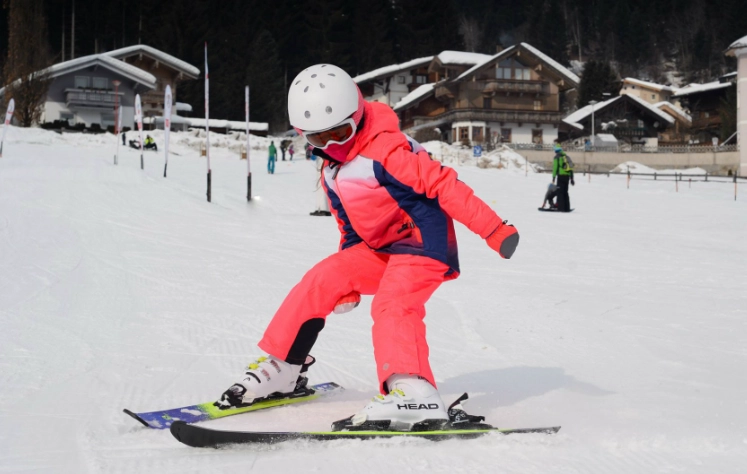
So, what are snow plough turns? In the simplest terms, it's a turning technique where you push the tails of your skis out to form a wedge shape (like a slice of pizza or a triangle), and then use subtle shifts in your weight and pressure to guide yourself around a corner. It's not the fastest or the flashiest move in the book, but it's arguably the most important one you'll ever learn. It's your primary tool for controlling speed and changing direction when you're starting out.
I remember my first lesson vividly. The instructor kept saying "make a pizza slice!" and I just couldn't get my knees to cooperate. My skis kept crossing, and I fell more times trying to make this basic wedge than I care to admit. It felt awkward and unnatural. But then, suddenly, it clicked. I shifted my weight to the right ski, and the left one just followed. I made my first wobbly, wide turn. That moment of control, however slight, was utterly transformative. It's the moment you stop being a passenger on your skis and start becoming the driver.
Why Bother Learning Snow Plough Turns? Isn't There Something Better?
This is a fair question, especially if you've watched videos of expert skiers making parallel turns. It looks so much cooler. Some people even dismiss the snow plough as a "beginner crutch." I think that's a terrible way to look at it. Calling it a crutch is like calling training wheels on a bike a crutch. They're not; they're a necessary learning tool that builds the fundamental muscle memory and balance you need for everything that comes next.
Think of it this way. You wouldn't try to learn calculus before you know basic arithmetic. Snow plough turns are your arithmetic. They teach you the core principles of edging, pressure control, and balance in the safest, most forgiving way possible. The wide, stable base of the wedge gives you a huge margin for error. If you get off balance, you can just push your heels out more to slow down or stop. Try that in a parallel stance as a newbie, and you'll be eating snow.
Furthermore, the motion of weighting one ski in the wedge is the direct precursor to the stem christie and, eventually, the parallel turn. You're literally practicing the first half of a more advanced turn. When you finally progress, your body already understands the concept of initiating a turn by pressuring the outside ski. You're just refining the stance and cleaning up the finish.
Breaking It Down: How to Actually Do a Snow Plough Turn
Alright, enough theory. Let's get into the nuts and bolts. Performing a snow plough turn is a sequence of linked actions. Don't try to do it all at once. Break it down into stages, and practice each one on a very gentle, wide slope (the "bunny hill" exists for a reason).
Step 1: The Basic Snow Plough (Pizza) Stance
First, you need to be able to hold the wedge. From a straight-run position on a gentle slope:
- Keep your skis parallel and about hip-width apart.
- Gently push your heels out to the sides, bringing the ski tips closer together. Imagine trying to make a big "V" or a triangle with your skis.
- Keep your weight centered over the middle of your feet. Do NOT sit back. A common mistake is leaning back into the boots, which kills your control.
- Bend your ankles, knees, and hips slightly. You should feel the inside edges of both skis biting into the snow. This is what creates the braking force.
If you're not slowing down, your edges aren't engaged. Push those heels out more.
Step 2: Initiating the Turn
This is the magic part. You're in your wedge, controlling your speed. Now, to turn left:
- Very subtly, start to transfer more of your body weight onto your RIGHT foot. I'm talking about a 60/40 distribution, not a huge lunge.
- Think about pressing your right shin forward into the front of your boot.
- As you do this, you'll naturally apply more pressure to the inside edge of your right ski.
- This increased pressure and edging on the right ski will cause you to start arcing to the LEFT. You turn away from the weighted ski.
Step 3: Steering and Completing the Turn
Don't just shift weight and freeze. To make a smooth, rounded turn:
- Keep your upper body facing mostly downhill. Your shoulders and hips should be pointing down the fall line, not twisting to follow your ski tips. This is counter-intuitive but crucial for balance.
- As you continue weighting the right ski, allow your legs to steer you through the turn. The skis will follow the arc.
- Look where you want to go, not at your ski tips. Your head and gaze lead the turn.
Step 4: Coming Out of the Turn and Linking to the Next One
You've turned left and are now traversing the slope. To either stop or start a new turn:
- To stop: Simply push both heels out evenly to re-center your weight and increase the wedge angle. You'll slow to a halt.
- To start a turn to the RIGHT: First, re-center your weight so it's 50/50 on both skis. Then, begin shifting weight onto your LEFT foot. Press that left shin forward. You'll now start arcing to the right.
Linking these turns together—left, right, left, right—is how you make your first controlled descent down a green run. It's a rhythmic dance of weight shift, pressure, and release.
Common Mistakes (And How to Fix Them)
Everyone makes these errors. I certainly did. Recognizing them is half the battle.
| Mistake | What It Looks/Feels Like | The Fix |
|---|---|---|
| The Backseat Driver | Leaning back, weight on your heels. You feel out of control, skis chatter, and braking is weak. | Consciously think "shins to boot tongues." Feel pressure on the balls of your feet. Practice on a flat area until you find the centered stance. |
| The Invisible Wedge | You think you're in a plough, but you're not slowing down. The skis are almost parallel. | Exaggerate the move. Push those heels out until you feel a strong braking force. Make a comically large pizza slice first, then refine it. |
| Crossed Tips (The "Scissor") | The tips of your skis cross over, leading to an instant fall. | This usually happens from trying to steer with the upper body. Focus on keeping your weight centered and turning by weighting the outside ski ONLY. Keep your hands forward and in sight. |
| The Stiff Leg Stance | Legs locked straight, no flexion. Every bump jars you, and you have no shock absorption. | Bend your zipper toward your toes. Stay loose and athletic, like you're ready to jump sideways. Skiing is a dynamic sport; you can't be static. |
| Looking Down | Staring at your ski tips. You'll inevitably hit whatever you're looking at. | Pick a point 20-30 feet down the hill where you want to go, and look at it. Your peripheral vision will handle the skis. |
I was the king of the "Backseat Driver" for my first two days. My thighs were on fire from trying to brake with my quads instead of my edges. An instructor finally tapped my back and said, "You're sitting in an armchair. Stand up." It was the single most helpful piece of advice I got.
Snow Plough vs. Parallel Turns: What's the Real Difference?
This is where a lot of confusion sets in. People see parallel turns as the "real" skiing and wonder what snow plough turns are in comparison. It's not a versus situation; it's a progression.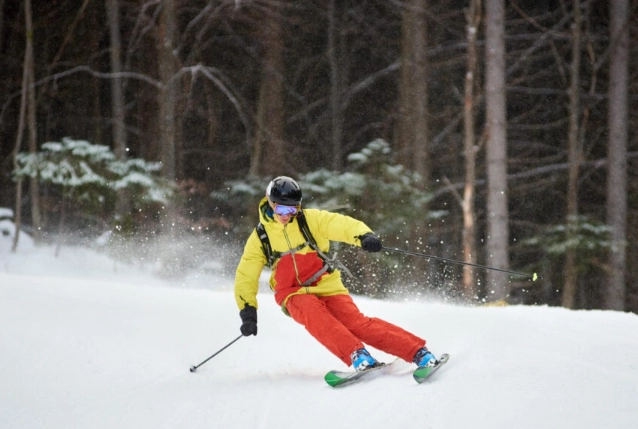
The fundamental difference is in the ski stance throughout the turn.
- Snow Plough Turn: You start the turn from a wedge stance. The skis are not parallel at the initiation. They come closer together as you complete the turn, but often a small wedge remains. Control comes primarily from the wedge shape and pressuring the outside ski.
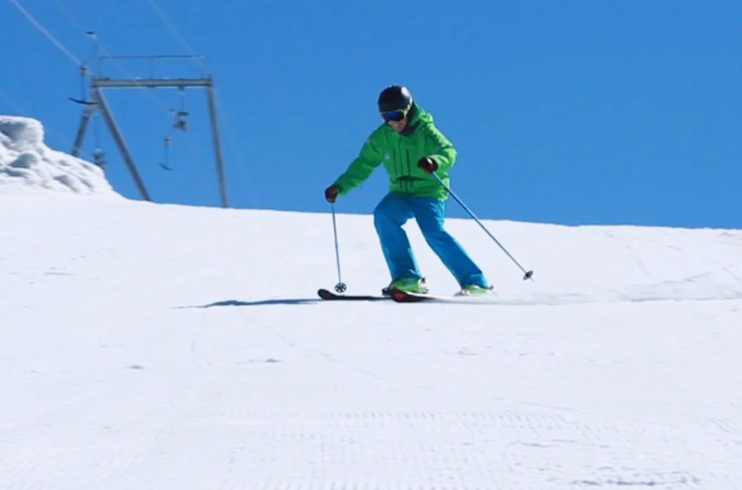
- Parallel Turn: The skis remain (roughly) parallel to each other throughout the entire turn, from initiation to finish. Control comes from a coordinated combination of edging, pressure, and rotary movements of both legs simultaneously. It's more efficient and allows for higher speeds and sharper turns.
Think of the snow plough turn as training wheels. You use a distinct, stable shape to help you learn balance and the basic principle of turn initiation. The parallel turn is like riding without training wheels. You're using the same principles of balance, but you've refined the technique to be more streamlined and effective.
Your Progression Path: What Comes After Snow Plough Turns?
You've mastered linking your plough turns on a green run. You feel in control. What's next? You don't just jump to parallel turns. There's a crucial intermediate step that often gets glossed over.
The natural progression is to the Stem Christie (sometimes called a wedge christie). This is a hybrid turn where you start the turn with a small, quick stem (a tiny wedge of the outside ski) to initiate, and then quickly bring the inside ski parallel to finish the turn. It's like a snow plough turn with a cleaner, more parallel finish.
This bridges the gap perfectly. You're still using the familiar wedge initiation for security, but you're practicing the feeling of finishing the turn with skis parallel. Once the stem christie feels comfortable and you're finishing most turns with your skis together, the transition to a true parallel turn is much less daunting. You simply focus on initiating the turn with your edges and knees instead of with a stem.
Answering Your Burning Questions
Are snow plough turns bad for your skis or knees?
No, not when performed correctly on appropriate terrain. If you're forcing a huge plough on hard ice at high speed, you'll put strain on your knee ligaments (specifically the MCL). But on typical beginner snow, done with proper flexion, it's a safe technique. Modern ski boots and bindings are designed to support this movement. The idea that it's inherently harmful is a myth, usually spread by people who have forgotten what it's like to be a beginner.
How do I know when I'm ready to stop using snow plough turns?
You'll know. It starts to feel limiting. You'll want to go faster or make quicker turns, and the plough will feel slow and cumbersome. You'll find yourself naturally bringing your skis together at the end of each turn. When you can confidently link turns down your local blue run using a plough, but wish you had more fluidity, that's your signal to start working on stem christies with an instructor.
Can you use snow plough turns on steep slopes?
You can, but it's exhausting and inefficient. The steeper the slope, the wider and more aggressive your wedge needs to be to control speed. This puts tremendous strain on your leg muscles. On truly steep terrain (black diamonds), a plough is often ineffective and can lead to loss of control. It's a technique best suited for beginner (green) and low-intermediate (easy blue) slopes. If you find yourself on something too steep, the best move is to side-slip down or make very cautious falling-leaf patterns to a safer spot.
Is the snow plough turn an outdated technique?
Absolutely not. While teaching methodologies evolve, the fundamental physics of the turn haven't changed. The Professional Ski Instructors of America (PSIA) still teaches the wedge (snow plough) as the primary beginner turning and controlling technique. You can see it in their official teaching resources. It's as relevant today as it was 50 years ago because it works with basic biomechanics and physics to create a safe learning environment.
What's the difference between a snow plough and a hockey stop?
A snow plough is a gradual speed-control and turning technique. A hockey stop is an aggressive, rapid braking maneuver where you sharply turn both skis sideways to the fall line, digging their edges in to come to a quick, skidding halt. The hockey stop is a more advanced skill that requires good edge control and balance. The snow plough is how you learn to manage speed so you never need to panic-stop.
Final Thoughts from the Chairlift
Understanding what snow plough turns are is more than just learning a definition. It's about embracing the first, most crucial step in a lifelong sport. It's the technique that gives you the confidence to explore more of the mountain, to ride the chairlift without fear, and to actually enjoy the feeling of sliding on snow.
Don't let anyone make you feel silly for using a plough, even if you see little kids zipping past you doing parallel turns. Everyone learns at their own pace. The mountain isn't going anywhere. Master the snow plough turn first. Build that rock-solid foundation of control. The flashy, linked parallel turns will come in time, and they'll be built on the solid skills you learned in your very first pizza slice.
Now, go find a gentle slope, make that wedge, and feel for that weight shift. That first controlled turn is waiting for you.